Jaco’s warm Pacific waters and consistent waves make it one of Costa Rica’s premier jet skiing destinations. But here’s the thing about strapping yourself to 100+ horsepower in open water—it’s thrilling precisely because it demands respect. Whether you’re a first-timer eyeing the rental shack or a seasoned rider scoping new territory, understanding Jaco’s specific conditions, regulations, and safety protocols isn’t just smart—it’s the difference between an epic story and an expensive lesson.
This guide covers everything from pre-ride equipment checks to reading Jaco’s unique water conditions, including the age requirements, operator rules, and local regulations that keep riders safe. Let’s get you on the water confidently.
Understanding Jaco’s Water Conditions and Riding Environment
Jaco Beach isn’t your calm Caribbean lagoon. The Pacific brings consistent swells year-round, with wave heights ranging from 3-6 feet on typical days and significantly larger during peak surf season (May-November). These conditions create powerful currents, especially near the river mouth at the beach’s northern end where freshwater meets ocean—a deceptively dangerous mixing zone that’s claimed more than a few jet skis.
The bay itself offers different riding zones. The southern stretch toward Playa Hermosa features choppier conditions and stronger currents, better suited for experienced riders. The central beach area, directly offshore from town, provides more manageable waters but higher boat traffic during peak season. Most rental operators restrict first-timers to designated zones within 500 meters of shore where lifeguards can maintain visual contact.
Tide timing matters significantly here. Low tide exposes rocky outcroppings near Punta Judas and the southern headlands that remain submerged during high tide. Experienced riders know that mid-to-high tide offers safer navigation, while low tide demands heightened attention to underwater hazards. Check [tide schedules](/Planning Your Trip/best-time-to-visit-jaco-beach) before booking your rental slot.
Essential Safety Equipment and Pre-Ride Checks
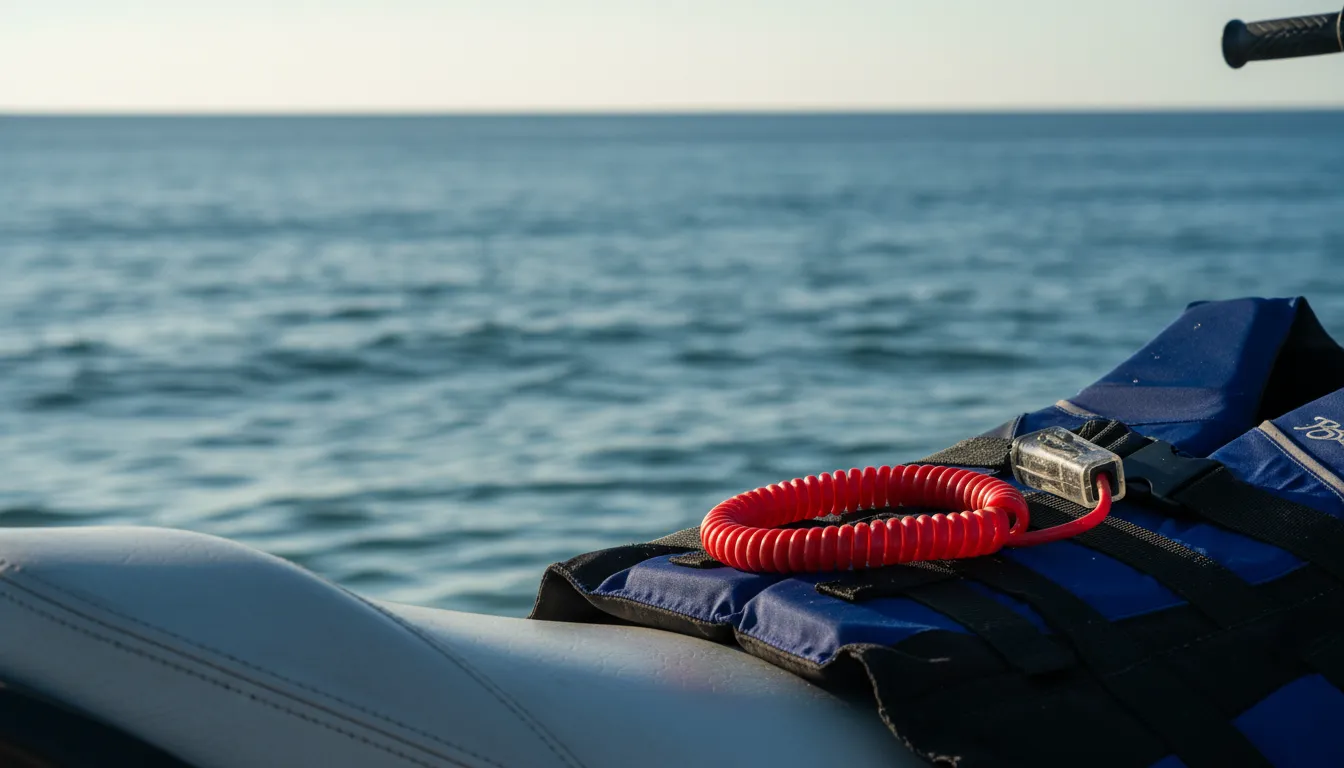
Reputable Jaco rental operators provide Coast Guard-approved life jackets, engine kill switches (lanyard-style that attach to your wrist), and increasingly, wireless emergency beacons for offshore tours. Your pre-ride inspection should verify that your life jacket fits snugly (you shouldn’t be able to pull it over your head when buckled), the kill switch lanyard works when tugged, and the jet ski’s hull shows no cracks or damage.
Check fuel levels before leaving the dock—Jaco’s rental fleet typically provides tanks at 75-100% capacity for hour-long rentals. Verify that the throttle returns to neutral smoothly and that steering responds without delay. Test the emergency shut-off while still docked by pulling the lanyard; the engine should cut immediately.
Most operators now include waterproof dry bags for phones and valuables, but bring your own just in case. Reef-safe sunscreen is non-negotiable (Costa Rica’s marine parks enforce this strictly), and polarized sunglasses help you spot underwater hazards. If you’re planning extended riding, consider rash guards for sun protection—the tropical sun reflects intensely off the water.
Age Requirements and Operator Qualifications
Costa Rican law requires jet ski operators to be minimum 18 years old with valid government-issued ID (passport for international visitors). Passengers can be as young as 8, though most Jaco operators set their own minimums at 10-12 years with parental consent forms. Kids under 12 must ride as passengers with adults; they cannot operate even with supervision.
First-time riders under 25 typically face additional requirements: mandatory safety briefings (15-20 minutes), restricted riding zones, and sometimes require accompaniment by guide-led tours rather than independent rentals. These aren’t arbitrary rules—Jaco’s rental operators learned through experience that younger riders without ocean experience often underestimate Pacific conditions.
All riders must sign liability waivers acknowledging they understand operational risks. If you’re under the influence—even slightly—reputable operators will refuse service and refund your deposit. Costa Rican maritime law treats BUI (boating under influence) as seriously as DUI, with penalties including equipment confiscation and criminal charges.
Rules, Regulations, and Local Ordinances
Jaco Beach operates under specific municipal watercraft regulations that differ from other Costa Rican beaches. Personal watercraft must maintain 200 meters minimum distance from designated swim zones (marked by yellow buoys near the beach center) and 100 meters from surfers. The southern surf zone toward Playa Hermosa is completely off-limits to jet skis year-round due to protected surf breaks.
Speed limits within 500 meters of shore cap at 8 knots (about 9 mph)—essentially idle speed designed to prevent beach injuries. Beyond 500 meters, riders can accelerate to manufacturer speeds, though operators recommend staying under 40 mph given Jaco’s variable water conditions. Reckless operation, defined as repeated high-speed turns near other watercraft or creating hazardous wakes, can result in immediate rental termination without refund.
Noise ordinances prohibit jet ski operations before 8 AM and after 5 PM to preserve beach tranquility. During turtle nesting season (July-November), additional restrictions may limit northern beach access near the Tarcoles River mouth where leatherbacks nest. Violations carry hefty fines—¢100,000-500,000 colones ($175-900 USD)—and potential equipment seizure.
Accident Prevention: Reading Risks Before They Happen
Most Jaco jet ski accidents share common patterns: first-time riders accelerating too quickly in choppy water, experienced riders misjudging wave height during turns, and both groups colliding with semi-submerged debris washed down from the Tarcoles River during rainy season. Prevention starts with honest self-assessment—if you’ve never ridden before, start with calmer morning conditions when winds stay light.
The classic mistake? Accelerating into oncoming waves rather than angling across them. When you see a swell approaching, reduce speed and take it at a 30-45 degree angle to prevent nose-diving or getting airborne. Sharp turns at high speed in choppy water often throw riders, which is why the kill-switch lanyard matters—it stops the jet ski immediately rather than letting it circle back toward you.
Maintain constant visual scanning for other watercraft, swimmers, and debris. Jaco’s busy waters mean sharing space with fishing boats, tour catamarans, surf schools, and other jet skis. Assume other operators haven’t seen you and maintain defensive spacing. If you’re riding tandem, agree on hand signals beforehand since engine noise makes communication impossible.
Professional Lessons vs. Self-Guided Rentals
Jaco offers both guided jet ski tours and independent rentals, each with distinct advantages. First-timers benefit significantly from guided tours—operators like Jaco Riders and Pacific Adventures provide 30-minute instruction sessions covering starts, stops, turning mechanics, and emergency procedures before taking you on guided rides to safer zones. These tours cost $80-120 per person for 90 minutes but include insurance coverage independent rentals don’t.
Self-guided rentals ($65-85/hour) assume you already know operational basics. Operators provide 5-10 minute refreshers, but you’re responsible for navigation and safety decisions. Experienced riders appreciate the freedom to explore at their own pace, but acknowledge the trade-off: no guide means no one watching for hazards you might miss.
Intermediate option: semi-guided tours where groups ride independently but meet at designated checkpoints with a guide accessible by radio. This works well for riders with some experience who want exploration freedom with safety backup. When choosing, consider your honest skill level and Jaco’s current conditions—if waves are running 4+ feet, even experienced riders often choose guided options.
What to Do When Things Go Wrong
Engine failure mid-ride is the most common issue, typically caused by debris clogging the intake. If your jet ski loses power, don’t panic—you’ll float. Immediately alert nearby watercraft using arm signals (wave both arms overhead). Most rental jet skis include VHF radios (Channel 16 for emergencies); call your rental operator with your approximate location.
If you fall off, swim to the jet ski immediately while it’s still in view. The kill switch should have stopped the engine, but verify before attempting to remount. Approach from the rear, never near the intake grate. Reboarding requires pulling yourself up from the rear platform while kicking hard—it’s exhausting, which is why maintaining fitness helps prevent panic.
For collisions or injuries, established protocol requires stopping immediately, assessing injuries, and radiating for help on Channel 16. Jaco’s Coast Guard station responds within 15-20 minutes typically, faster for serious injuries. Never leave an accident scene—Costa Rican maritime law treats it like hit-and-run, with criminal consequences. Your rental agreement includes emergency contact numbers; use them.
After returning safely, enjoy exploring Jaco’s other attractions like paddleboarding or swimming at safe beaches while you decompress from your ride.
Frequently Asked Questions About Jet Ski Safety in Jaco
Do I need a boating license to rent a jet ski in Jaco?
No boating license is required for jet ski rentals in Jaco—only valid government ID proving you’re 18+. However, rental operators conduct mandatory safety briefings and may require proof of previous watercraft experience for self-guided rentals. First-timers often need to book guided tours rather than independent rentals, depending on the operator’s policies and current water conditions.
What happens if I damage the rental jet ski?
You’re financially responsible for damages up to your security deposit (typically $500-1000 USD charged to credit card). Reputable operators include basic insurance covering mechanical failures and normal wear, but collision damage, negligence, or operating outside designated zones voids coverage. Always photograph the jet ski before departing to document pre-existing damage. Some operators offer damage waiver insurance ($15-25) reducing your liability—worth considering for first-timers.
Can I ride a jet ski during rainy season in Jaco?
Yes, but with important caveats. Operators cancel rentals during active storms or when waves exceed 6 feet. Rainy season (May-November) brings afternoon storms that develop rapidly—morning rentals (8-11 AM) offer safest conditions. River runoff increases debris and reduces visibility after heavy rains. Some operators close entirely during September-October peak rain months. Always check [weather patterns](/Planning Your Trip/best-time-to-visit-jaco-beach) and accept that rentals may get cancelled last-minute for safety.
Are jet ski tours available for complete beginners?
Absolutely—most Jaco operators specialize in beginner-friendly guided tours with instruction included. These typically start with 20-30 minutes of land-based training covering controls, safety procedures, and hand signals, followed by shallow-water practice before heading out. Tours stick to calmer zones and maintain slow speeds (15-20 mph max) with guides riding alongside. Expect to pay $90-130 per person for 90-minute beginner tours versus $65-85/hour for experienced rider rentals.
What should I do if I see marine wildlife while jet skiing?
Costa Rican law requires maintaining 100-meter minimum distance from dolphins, whales, and sea turtles—violating this carries serious fines and potential criminal charges. If wildlife approaches you, reduce to idle speed and let them pass. Never chase or attempt to touch marine animals. During turtle nesting season, northern beach zones may have additional restrictions. Most encounters happen with dolphins near the Tarcoles area; simply slow down, enjoy the view from distance, and let them navigate around you. Operators provide specific wildlife protocols during safety briefings.
Bahía Azul, unit 7C sits right on this stretch of sand — on the quiet south end of Jacó, a few hundred feet from the water.
Book on Airbnb