If you think surfing is the only way to harness Jaco’s waves, think again. Banana boat rides offer the perfect antidote to Costa Rica’s “pura vida” chill—imagine holding on for dear life while your boat driver tries their absolute best to launch you into the Pacific. It’s part water sport, part rodeo, and entirely hilarious. Whether you’re traveling with kids who need to burn off breakfast energy or adults looking to relive their spring break glory days, banana boats deliver screaming, splashing fun just offshore from Jaco Beach. And unlike surfing lessons, you don’t need any prior experience to look ridiculous—the banana handles that for you.
What Exactly Is a Banana Boat Ride?
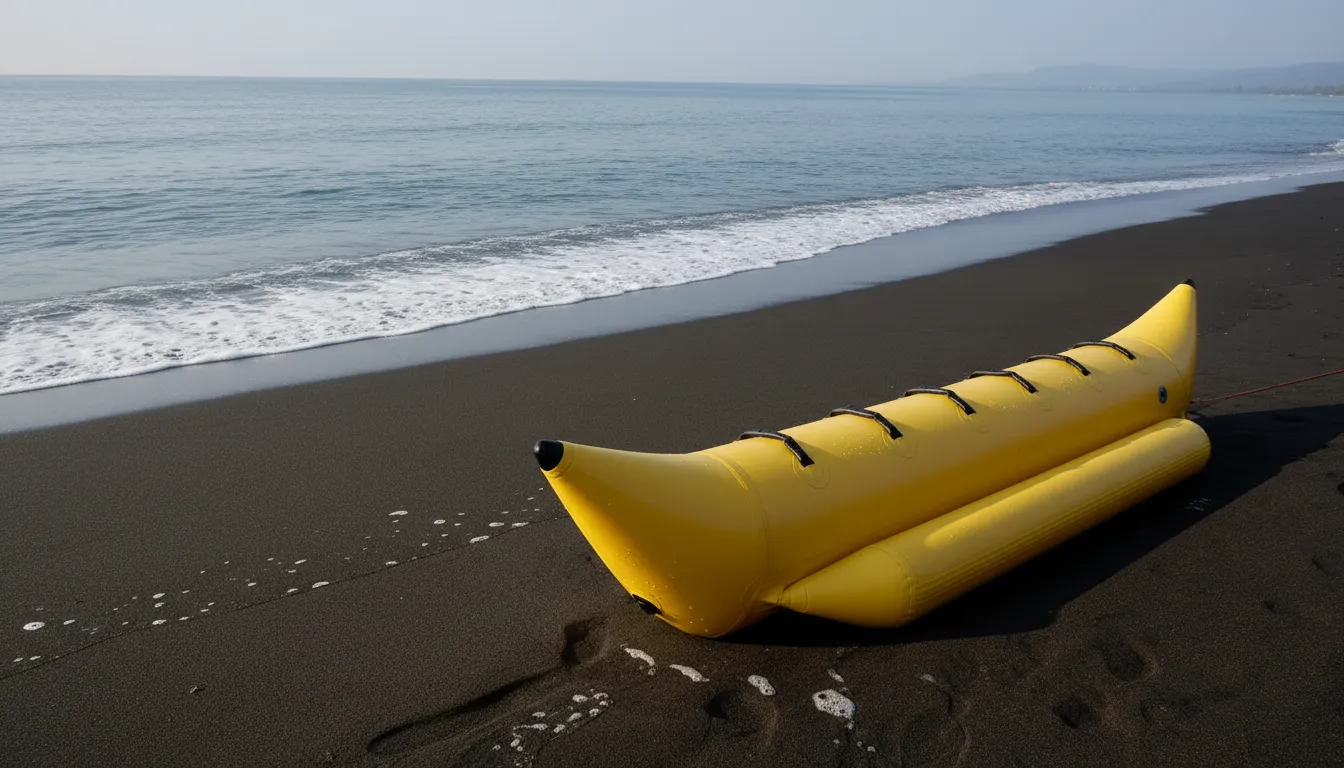
Picture an inflatable yellow torpedo shaped vaguely like its namesake fruit, designed to seat 4-10 people straddling it like a particularly unstable horse. A speedboat tows you across the water at speeds that seem entirely reasonable until the driver hits their first turn and physics reminds you that centrifugal force is undefeated. The goal? Stay on. The reality? Most groups last about 90 seconds before someone breaks the chain and everyone tumbles into the water like dominoes.
Banana boats are specifically engineered for maximum chaos. The banana-like shape creates instability, the handles give just enough grip to provide false confidence, and the inflatable construction ensures that when you do fall (not if—when), you’ll bounce rather than bruise. Life jackets are mandatory, which is fortunate because you’ll need them when laughing underwater. Unlike kayaking tours where you’re in control, banana boats are delightfully out of your hands—literally.
The beauty of banana boats is their democratic distribution of embarrassment. The front seat riders get whipped around corners hardest, the back riders get launched when the boat accelerates, and the middle passengers just hold on and pray. Everyone looks equally ridiculous, which makes it perfect for families, friend groups, and corporate team-building exercises where humility is the actual goal.
Where to Find Banana Boat Rides in Jaco
Jaco Beach’s main stretch hosts several water sports operators offering banana boat rides, typically clustered near the northern end where the sand meets the Los Sueños development. Look for the bright yellow inflatable bananas stacked on the beach—they’re hard to miss, and yes, they’re exactly as photogenic as you’d hope before your dignity gets waterlogged.
Most operators set up shop directly on the sand between 8am-4pm, with the calmest ocean conditions in the morning before afternoon winds kick up. You can book in advance through local tour companies or simply walk up and negotiate directly—Jaco Beach operates on a refreshingly low-tech “see banana, ride banana” philosophy. Prices typically range $25-40 per person for a 15-20 minute ride, with discounts for larger groups and kids.
For those staying at accommodations like Jaco Beach Zen, you’re roughly 10 minutes from the main banana boat zone by foot—close enough to wander down in your swimsuit, far enough that you can retreat to actual peace after your adrenaline wears off. The southern end of Jaco Beach stays quieter, which is precisely why people choose it, but the main beach action is an easy stroll when you want it. Just remember to apply reef-safe sunscreen before you go; Costa Rican sun doesn’t negotiate, and neither does the reflection off the water.
What to Expect During Your Ride
After you’ve signed the liability waiver (always a promising start), you’ll waddle into the water wearing your life jacket and whatever dignity you still possess. The crew helps everyone mount the banana in order—usually heaviest riders in back for balance, though “balance” is a generous term for what follows. Once everyone’s aboard and gripping their handles like their Instagram reputation depends on it, the speedboat starts towing.
The first minute feels deceptively tame. You’re moving, the ocean breeze feels nice, and you start thinking maybe you’ll be the group that doesn’t fall. This is when the boat driver looks back, grins, and remembers why they love their job. The first hard turn comes without warning—suddenly the banana’s airborne on one side, your neighbor is screaming in your ear, and someone in the back has already let go and is now dragging through the water like a very vocal human anchor.
Most rides include multiple “attempts,” meaning after everyone falls, the boat circles back, you re-board, and you try again with absolutely no new strategy. The operators know their ocean—they’ll avoid rough patches, steer clear of swimmers, and time the turns for maximum entertainment value. When someone inevitably loses their sunglasses (secure them before boarding), they’ll circle back for a recovery mission, though success rates vary with ocean conditions.
Unlike jet ski tours where you control the chaos, banana boats put you at the mercy of physics and a boat driver whose job description includes “professional troublemaker.” Embrace it. The lack of control is precisely the point.
Best Time for Banana Boat Adventures
Jaco’s dry season (December-April) delivers the most consistently calm ocean conditions, but banana boats operate year-round because fun doesn’t have a season. Morning rides between 8-11am offer the smoothest water before afternoon winds pick up, plus you’ll avoid peak beach crowds and the most aggressive sun exposure. Early risers get the added bonus of spotting dolphins occasionally cruising offshore—though they’re decidedly uninterested in your banana-related shenanigans.
Green season (May-November) brings afternoon rain showers, but operators typically run rides until weather actually arrives. Getting rained on while already wet in the ocean has a certain poetic justice to it, and rainy season often means fewer tourists, so you might score better rates and shorter waits. Just check ocean conditions—high waves make banana boats less fun and more maritime disaster simulation.
Weekdays stay calmer than weekends when Ticos from San José flood the beach for their own coastal fix. If you prefer your chaos human-generated rather than crowd-induced, plan for Tuesday-Thursday mornings. And if you’re combining banana boats with other water sports activities, schedule the banana boat last—it’s hard to maintain composure during a romantic sunset sail when your hair still looks like you fought the ocean and lost.
Safety and What to Bring
Banana boats are remarkably safe despite appearances—the life jackets keep you afloat, the inflatable construction prevents injuries, and the operators know where the rocks aren’t. That said, this isn’t an activity for people who panic in water or can’t swim at all. You’ll fall off (probably multiple times), and while the life jacket keeps you buoyant, you need basic water comfort to enjoy the experience rather than endure it.
Leave valuables on shore. Seriously. That waterproof phone case you bought on Amazon is not rated for “being yeeted off an inflatable banana at 25 mph.” Most operators offer basic storage, or you can leave belongings with beach vendors for a small fee. Wear secure swimwear—this is not the time to test your bikini’s structural integrity. And remove jewelry; the ocean has been collecting wedding rings since humans invented both.
Reefy-safe sunscreen is mandatory both for your skin and Costa Rica’s marine ecosystems. The sun reflects off the water, and you’ll be too distracted by not drowning to notice you’re turning lobster-red. A rashguard or swim shirt adds protection without the environmental impact. And bring a towel for afterward—you’ll be wet, salty, and possibly questioning your life choices, but a towel helps with at least one of those.
Frequently Asked Questions
How many people fit on a banana boat?
Most Jaco banana boats accommodate 4-10 riders depending on the specific model and total weight. Operators prefer even numbers for balance, and they’ll adjust the group size based on ocean conditions—rougher seas mean fewer riders for safety. Solo travelers can usually join existing groups, or you can book a private banana for your crew if you want exclusive humiliation rights. Kids typically need to be at least 6-8 years old and comfortable in water, though specific age requirements vary by operator.
Do you need experience to ride a banana boat?
Absolutely zero experience required—falling off is part of the design. If you can hold a handle and tolerate saltwater up your nose, you’re qualified. Unlike surfing or paddleboarding, there’s no learning curve because there’s no actual technique. You hold on, you fall off, you laugh, repeat. The operators handle all the actual work; you just provide the screaming. Even strong swimmers will fall off, and non-swimmers wearing proper life jackets do fine. The ocean doesn’t care about your athletic ability—everyone gets the same wet, chaotic experience.
Can kids do banana boat rides?
Yes, and they’ll probably outlast you. Most operators welcome kids 6+ who can swim or are at least water-comfortable, though some require 8+ depending on ocean conditions. Children often have lower centers of gravity and no dignity to preserve, giving them distinct advantages. That said, very young kids might find the speed and splashing scary rather than fun—know your child’s temperament. Family-friendly operators can adjust speeds for younger riders, though this defeats the entire purpose. Kids under 12 typically need parental consent and sometimes adult accompaniment on the banana itself.
What happens if you fall off?
You bob in the Pacific wearing a life jacket while your friends point and laugh from the banana—at least until the next turn when they join you. The speedboat immediately slows and circles back to collect fallen riders. The crew helps you re-board, and you go again, usually with renewed determination and zero additional skill. Falling is expected, not exceptional. The life jackets keep you floating even if you’re laughing too hard to swim, and the crew keeps count of heads to ensure nobody becomes an unplanned snorkeling excursion. Worst case scenario: you get salt water in uncomfortable places and a story for dinner.
Are banana boats available year-round?
Yes, Jaco’s banana boat operators run year-round, though availability depends on daily ocean conditions rather than calendar seasons. High waves, strong winds, or storms shut down operations for safety, but Jaco’s relatively protected bay means most days work fine. Dry season (December-April) offers most consistent conditions, but green season rides happen regularly between rain showers. Operators typically decide morning-of whether conditions allow riding—if you see bananas on the beach, they’re running. Call ahead if you’re planning around specific dates, or just build flexibility into your Jaco itinerary because Costa Rica weather follows its own schedule.
Bahía Azul, unit 7C sits right on this stretch of sand — on the quiet south end of Jacó, a few hundred feet from the water.
Book on Airbnb