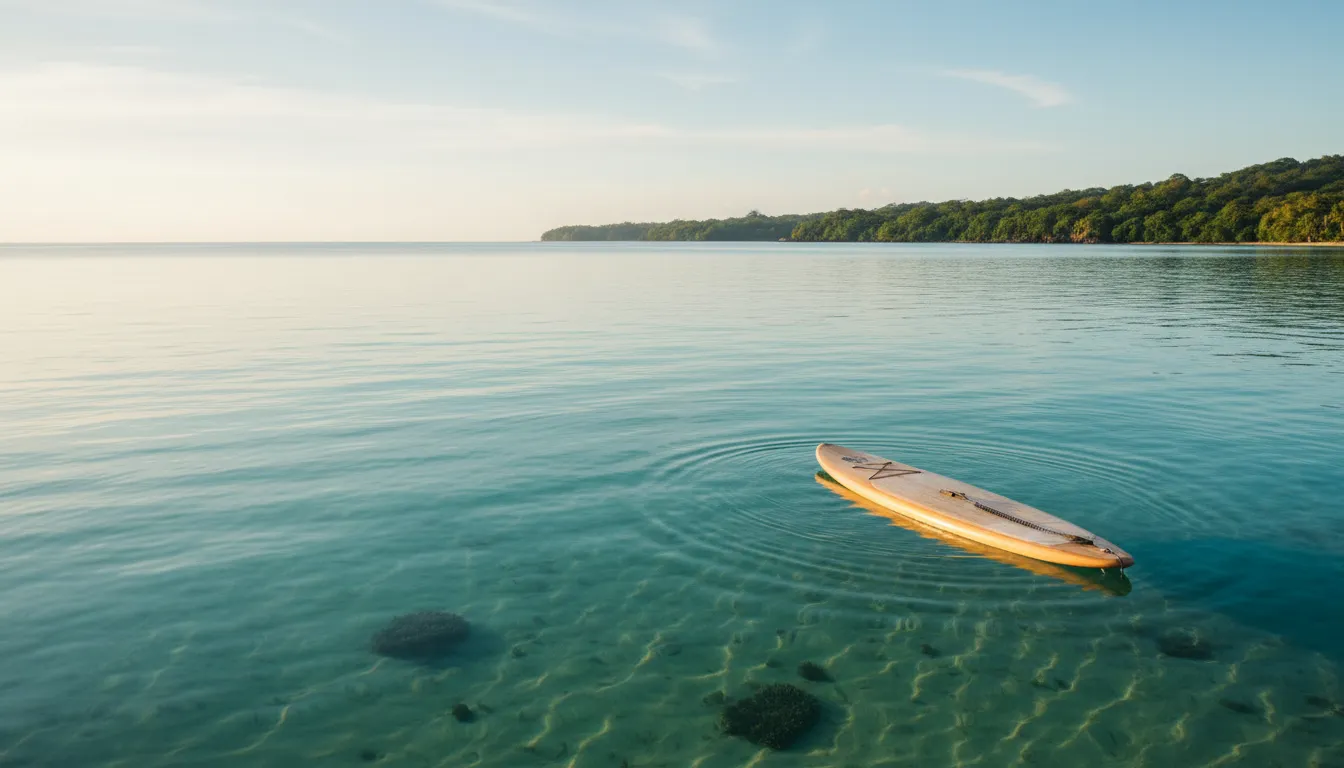
Kayak, SUP, and Snorkel: Your Eco-Friendly Jaunt Through Jaco’s Waters
Jaco’s reputation as Costa Rica’s surf mecca is well-earned, but if you think the only way to experience this Pacific gem is by riding waves, you’re missing the calmer, quieter half of the story. Beyond the surf breaks and beach volleyball nets lies an underwater world and a network of mangrove-lined estuaries that most visitors scroll right past. We’re talking about eco water tours that trade adrenaline for contemplation, speedboats for kayaks, and crowded excursions for intimate encounters with capuchin monkeys, kingfishers, and the occasional sea turtle who’s clearly living their best life. From paddleboarding at sunrise when the jungle’s still rubbing sleep from its eyes, to snorkeling hidden rocky outcrops where octopuses play hide-and-seek, Jaco’s eco-friendly water adventures offer a side of Costa Rica that feels refreshingly unscripted. And the best part? You don’t need to be an Olympic athlete or a marine biologist to enjoy them—just a willingness to slow down and let the Pacific set the pace.
Beyond the Surf Break: Why Jaco’s Eco-Tours are the Real Splash
Let’s be honest: Jaco’s main beach can feel like Times Square with better weather during high season. But venture just a bit beyond the usual tourist radius, and you’ll discover why local operators have built an entire cottage industry around slow, mindful water exploration. These aren’t the kind of tours where you’re herded onto a boat with forty strangers and a guide shouting facts through a megaphone. Instead, think small groups—often six people max—gliding through glassy bays or mangrove tunnels where the only soundtrack is the rhythmic dip of your paddle and the occasional howler monkey offering unsolicited commentary from the canopy.
What makes Jaco’s eco water tours genuinely different is the commitment to conservation that goes beyond lip service. Local operators here have seen what happens when tourism runs roughshod over ecosystems, and they’ve made a conscious choice to do better. That means no-wake zones near nesting sites, strict leave-no-trace policies, and guides who actually know the difference between a great egret and a great blue heron (and care enough to explain it). You’re not just a tourist checking a box; you’re a temporary participant in an ecosystem that’s been here long before Instagram made mangroves trendy.
For families, digital nomads craving a screen break, or retirees who prefer their adventures on the contemplative side, these tours hit a sweet spot. You get the Costa Rican wildlife experience without the grueling hikes or sketchy zip-line platforms, and you’re actively supporting operators who reinvest in environmental education and habitat protection. It’s ‘pura vida’ with a purpose, and it feels a whole lot better than a generic booze cruise.
Paddling the Pacific: Kayak & Stand-Up Paddleboard (SUP) Adventures on Jaco’s Coast
If you’re new to kayaking or stand-up paddleboarding, Jaco’s geography works in your favor. While the main beach faces consistent Pacific swells that keep surfers happy, nearby Herradura Bay and several tucked-away coves offer conditions so calm you’d swear someone installed a giant underwater breakwater. These are the spots where even first-timers can find their balance on a paddleboard without immediately face-planting into the drink, and where families can paddle tandem kayaks without triggering arguments about steering technique.
Herradura Bay, just a quick drive north, is our favorite spot for morning SUP sessions. The water here is often glassy before the afternoon winds pick up, and the bay’s gentle curve provides natural protection from larger swells. It’s not uncommon to share the water with dolphins cruising through on their morning commute, or to spot a sea turtle surfacing for air like it’s got all the time in the world. Local guides know the exact windows when conditions are optimal, and most tours include all the gear—high-quality boards, adjustable paddles, life vests that don’t feel like medieval torture devices—so you’re not wrestling with rental logistics.
What we appreciate most about Jaco’s kayak and SUP scene is how operators tailor experiences to different comfort levels. Grandparents who want a leisurely paddle along the coast? There’s a tour for that. Digital nomads looking to squeeze in a sunrise session before logging on? Covered. Families with a mix of ages and abilities? Guides will match the route to your crew’s energy level, ensuring nobody’s either bored or panicking. It’s the kind of flexibility that makes these tours accessible rather than intimidating, which means you’re more likely to actually enjoy yourself instead of spending the whole time worried about keeping up.
Mangrove Meandering: Kayaking Through Jaco’s Secret Waterways
The Tárcoles River estuary gets a bad rap for being “that crocodile bridge where tourists stop for photos,” but venture a bit deeper into its mangrove-lined tributaries and you’ll discover an ecosystem that’s far more interesting than its Instagram-famous reptilian residents. Yes, the crocs are there—your guide will point out the big ones basking on muddy banks—but the real show is the riot of birdlife, the canopy-dwelling sloths moving in ultra-slow-motion, and the intricate root systems that turn these waterways into natural aquariums.
Mangrove kayak tours are notoriously calm, which makes them perfect for families with younger kids or anyone who’s more “curious explorer” than “extreme athlete.” You’re paddling through tunnels formed by arching mangrove roots, where the water is often mirror-still and shallow enough that you can see small fish darting between the submerged branches. Expert local guides—many of whom grew up exploring these waterways—can spot wildlife that would be invisible to untrained eyes: a camouflaged sloth draped across a branch like a fuzzy question mark, a vibrant kingfisher executing a perfect dive, or a basilisk lizard (yes, the Jesus Christ lizard) skittering across the water’s surface like physics is merely a suggestion.
For digital nomads and families alike, these tours offer something increasingly rare: a few hours completely unplugged. Cell service is spotty at best once you’re into the mangroves, which means kids aren’t begging for tablets and remote workers aren’t sneaking peeks at Slack notifications. It’s just you, the water, and a living classroom that makes any nature documentary feel like a pale imitation. And because the tours stick to calm tributaries rather than the main river channel, even cautious paddlers feel confident. Think of it as Costa Rica’s version of a lazy river, except the scenery actually changes and you might learn something.
Beneath the Surface: Snorkeling Jaco’s Hidden Reefs & Rocky Outcrops
Jaco won’t ever be confused with the Great Barrier Reef, and anyone promising you sprawling coral gardens is selling something. But what the area lacks in vast reef systems, it makes up for in secret spots that reward those willing to venture beyond the obvious. The rocky points around Playa Blanca and hidden coves accessible only by boat offer surprisingly vibrant underwater worlds: colorful reef fish weaving through volcanic rock formations, playful rays gliding over sandy patches, and the occasional octopus who’s mastered the art of looking like everything except an octopus.
Local PADI-certified guides are the real MVPs here. They know exactly which spots have the calmest, clearest waters on any given day—a crucial detail since visibility can vary dramatically based on tides, recent rains, and ocean currents. These aren’t the crowded snorkel sites where you’re bumping fins with fifty other tourists; they’re intimate locations that feel like personal discoveries, even though your guide’s been bringing small groups here for years. For families nervous about safety, these calmer spots are a world away from trying to snorkel near Jaco’s main surf breaks, where even experienced swimmers can get rattled by unexpected swells.
Timing matters. The dry season (December through April) delivers the best conditions for snorkeling, with clearer water and calmer seas that let you actually see what you’re swimming above. During these months, visibility can stretch to 30-40 feet on good days, turning even modest rocky reefs into underwater galleries. Expect to encounter sergeant majors, parrotfish, pufferfish doing their best tough-guy impression, and if you’re lucky, a spotted eagle ray cruising by like it owns the place. For retirees or less confident swimmers, many operators provide flotation devices and stick to shallower areas where you can stand up if needed, ensuring the experience stays enjoyable rather than anxiety-inducing.
Choosing Your Eco-Adventure: Tips from a Jaco Local
Not all eco-tours are created equal, and Jaco’s popularity means you’ll find operators ranging from genuinely committed conservationists to those who slapped “eco” on their brochure because it tests well with tourists. The best operators are proud to discuss their sustainability practices: how they minimize disturbance to nesting sites, their partnerships with local conservation groups, their “pack it in, pack it out” policies, and how they train guides to prioritize wildlife welfare over getting that perfect Instagram shot. If an operator gets vague or defensive when you ask about their environmental commitments, that’s your cue to keep shopping.
Here’s a local secret that’ll save you frustration: check the tide charts before booking any paddling tour. High tide opens up mangrove tunnels that are otherwise too shallow to navigate and creates calmer conditions in protected bays. Low tide, meanwhile, can leave you stuck on mudflats or navigating around exposed rocks that weren’t there an hour ago. The best operators factor this into their scheduling, but it never hurts to show you’ve done your homework. Most tours offer flexible start times—a huge plus for digital nomads who need to squeeze adventure around Zoom calls or retirees who’d rather not be on the water during the midday heat.
At Jaco Beach Zen, we maintain a curated list of vetted, eco-conscious tour operators for our guests, saving you the research time and ensuring you’re booking with outfits that share our values around sustainability and authentic local experiences. These aren’t paid placements; they’re operators we’ve personally tested and trust to deliver the kind of quality that reflects well on Jaco as a destination. We also keep our recommendations updated, because nothing’s more frustrating than following outdated advice to an operator who’s either changed hands or let their standards slip.
One final tip: don’t assume you need prior experience for most of these activities. Reputable operators build in instruction time, provide quality safety gear, and match routes to your ability level. Whether you’ve never touched a paddle or you’re a seasoned kayaker, there’s a tour that fits. The goal isn’t to prove how hardcore you are; it’s to connect with Jaco’s natural environment in a way that’s memorable, sustainable, and genuinely enjoyable rather than something you’re just enduring for the story.
FAQ
Are Jaco’s eco water tours suitable for young children or older adults?
Absolutely. Most operators offer tours specifically designed for families and less adventurous adults, focusing on calm waters and shorter durations. Mangrove kayak tours and protected-bay paddleboarding are particularly good for kids (usually 6+) and seniors, as they avoid rough conditions and allow frequent breaks. Guides are trained to adjust pace and provide extra assistance, and many boats have shaded areas for those who tire. Just communicate any mobility concerns or stamina limitations when booking, and reputable operators will match you with an appropriate tour.
What kind of marine life can I expect to see on an eco-tour in Jaco?
It depends on your tour type, but common sightings include dolphins, sea turtles, rays, and a stunning variety of tropical fish while snorkeling. In mangrove areas, expect capuchin monkeys, sloths, crocodiles (from a safe distance), herons, kingfishers, and iguanas. The biodiversity is genuinely impressive, but remember these are wild animals—sightings aren’t guaranteed. That said, experienced guides know where wildlife congregates and dramatically increase your odds of memorable encounters. Dry season generally offers better visibility for underwater life.
Do I need prior experience for kayaking or paddleboarding in Jaco?
Nope. Most eco-tours welcome complete beginners and include basic instruction before you hit the water. Guides cover paddling techniques, how to maintain balance on a SUP, and what to do if you fall in (spoiler: you just climb back on). Tours designed for novices stick to calm, protected areas where you can build confidence without battling waves or strong currents. If you’re particularly nervous, mention it when booking—operators can often pair you with a guide or match you with other beginners for a more relaxed experience.
What’s the best time of year for eco water tours in Jaco for clear water and calm conditions?
December through April (dry season) delivers the most consistently clear water and calm conditions, making it ideal for snorkeling and paddling. Mornings generally offer the glassiest water before afternoon winds pick up. Green season (May-November) brings more rain and occasionally murkier water, but also fewer crowds and lush jungle scenery. Many tours operate year-round and simply adjust routes based on conditions. If visibility is your priority, stick with dry season; if you prefer solitude and don’t mind occasional showers, green season has its charms.
How do I choose a responsible and eco-friendly tour operator in Jaco Beach?
Look for operators who openly discuss their conservation practices, limit group sizes, employ local guides, and have partnerships with environmental organizations. Red flags include vague sustainability claims, large group sizes (10+ people), or aggressive wildlife interactions for photos. Ask specific questions: How do you minimize environmental impact? What’s your policy on waste? How do you train guides on wildlife protection? Legitimate eco-operators are proud to answer. We maintain a vetted list at Jaco Beach Zen to save guests the guesswork.
Are there any accessible eco water activities for individuals with limited mobility in Jaco?
Yes, though options are more limited. Some operators offer stable, wide kayaks or pontoon-style boats that accommodate wheelchairs or walkers, particularly for mangrove tours where you’re primarily observing rather than actively paddling. Snorkeling from boats with easy water entry is often doable for those with moderate mobility issues. The key is communicating your specific needs when booking so operators can assess feasibility and make necessary accommodations. Not all tours are accessible, but reputable operators will be honest about limitations rather than overselling.
What should I bring on an eco water tour to ensure comfort and safety?
Sunscreen (reef-safe only—regular sunscreen damages marine ecosystems), a hat, sunglasses with a strap, water bottle, and a waterproof bag for phones or cameras. Most tours provide life vests, paddles, and snorkel gear. Wear quick-dry clothes or swimwear, and consider water shoes for rocky entry points. A light long-sleeve rashguard protects against sun and prevents wetsuit chafing if snorkeling. Don’t overdress—you’ll likely get wet. Leave valuables at your accommodation; most tours don’t have secure storage, and salt water ruins electronics faster than you’d think.
Can I rent kayaks or paddleboards directly on Jaco Beach without a guided tour?
Yes, several beach vendors offer hourly rentals, though we recommend guided tours for first-timers or those unfamiliar with local conditions. If you’re an experienced paddler comfortable reading ocean conditions, rentals give you flexibility to explore at your own pace. Stick to calmer areas like Herradura Bay rather than Jaco’s main beach if you’re renting independently, as swells and currents can be tricky. Always check tide charts and weather forecasts, and let someone know your plans. Guided tours cost more but include local knowledge, safety oversight, and access to spots you wouldn’t find solo.
Bahía Azul, unit 7C sits right on this stretch of sand — on the quiet south end of Jacó, a few hundred feet from the water.
Book on Airbnb