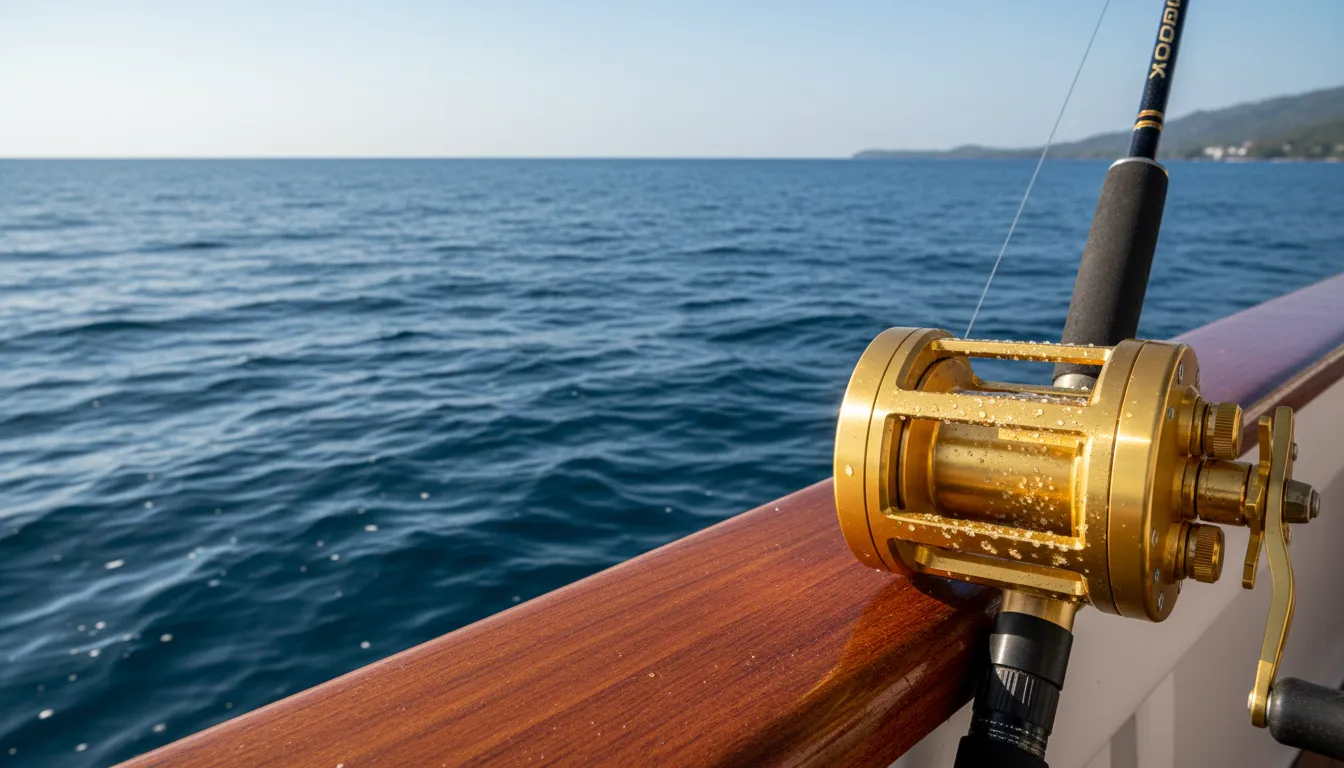
Jaco’s deep sea fishing scene hits different when you know where the locals actually book their charters. While downtown shops sell you glossy brochures, the real action happens 15-30 miles offshore where marlin, sailfish, and dorado cruise Pacific currents year-round. This isn’t Lake Tahoe with a saltwater view—Jaco’s continental shelf drops fast, putting you in serious game fish territory within an hour of leaving the marina. Whether you’re hauling in your first roosterfish or chasing that Instagram-worthy sailfish photo, understanding charter options, seasonal patterns, and what separates tourist traps from legitimate operators makes the difference between fish stories and actual fish. Here’s everything you need to know about deep sea fishing in Jaco, from someone who’s watched these boats come and go for years.
Why Jaco Is Costa Rica’s Deep Sea Fishing Sweet Spot
Jaco’s geography creates a fishing advantage most Pacific coast towns can’t match. The continental shelf drops to 600+ feet within 12 miles of shore, creating underwater structure that attracts baitfish, which attracts everything higher on the food chain. You’re not spending three hours motoring to reach productive water—most charters hit fishing grounds in 45-90 minutes, maximizing your actual fishing time versus transit.
The town supports a legitimate sportfishing fleet with experienced captains who’ve worked these waters for decades, not seasonal operators who show up during high season. Year-round fishing means year-round expertise. Marlin and sailfish don’t punch a clock, but peak seasons (December-April for sailfish, May-September for marlin) see the highest catch rates. Dorado, tuna, and wahoo fill the gaps throughout the year.
Location matters for another reason: Jaco’s central Pacific position puts you close to Los Sueños Marina and Herradura operations while maintaining the relaxed beach town vibe other fishing destinations have traded for all-inclusive resorts. After your charter, you’re walking into authentic local restaurants, not navigating resort compounds.
Types of Deep Sea Fishing Charters in Jaco
Shared Charters: Budget-Friendly Introduction
Shared charters split boat costs among 4-6 anglers, running $110-160 per person for half-day trips (4-5 hours). You’ll share equipment, fishing time, and cooler space with strangers who might be total beginners or experienced anglers. It’s a solid introduction if you’re testing whether deep sea fishing justifies future investment, but expect less individual attention from the crew.
Most shared charters operate catch-and-release for billfish, keeping smaller species like dorado for the group to divide. If you land the day’s only mahi-mahi and there are six people aboard, do the math on how much fish you’re actually taking home.
Private Charters: Full Control, Full Experience
Private charters run $700-1,800 for half-day trips depending on boat size (25-35 feet), jumping to $1,200-3,000 for full days (8-10 hours). You control departure time, target species, and whether you spend an extra hour chasing that sailfish or head back early because someone’s seasick.
Full-day trips access deeper offshore waters where blue marlin cruise. Half-days stick closer to shore targeting sailfish, dorado, and tuna. For families or groups wanting water activities beyond fishing, many captains will add snorkeling or coastal cruising to half-day itineraries if the bite slows.
Luxury Sportfishing Packages: The Full Los Sueños Experience
High-end operations out of Los Sueños Marina (20 minutes north) offer 35-60 foot sportfishers with air-conditioned cabins, professional crews, and tournament-grade tackle. Expect $2,000-5,000 daily rates, but you’re fishing from boats that win international billfish tournaments.
These packages often include marina pickup, gourmet lunch, premium open bar, and fish processing. If you’re planning a serious fishing trip or entertaining clients, the experience justifies the premium. Just understand you’re paying for luxury infrastructure, not necessarily better fishing than a well-run 31-foot charter.
What You’ll Actually Catch (and When)
Sailfish dominate December through April, with boats regularly raising 5-15 fish daily during peak weeks. They’re spectacular fighters, making multiple jumps before release. Most Jaco charters practice catch-and-release for billfish to maintain healthy populations.
Marlin season peaks May through September, though blue and black marlin patrol these waters year-round. Landing a marlin requires patience—you might troll for hours between bites, but the payoff is a fish that can weigh 200-400+ pounds and test every ounce of your strength.
Dorado (mahi-mahi) and yellowfin tuna provide consistent action throughout the year, with dorado particularly abundant around floating debris lines and current breaks. These fish make excellent eating and most charters encourage keeping them within legal limits. Wahoo appear sporadically but put up blistering runs that can empty your reel if you’re not ready.
Roosterfish cruise inshore reefs and rocky points, offering spectacular surface strikes. While not technically “deep sea” fish, many charters target them when offshore bite slows, providing backup excitement for family fishing trips where kids might struggle with hours of trolling.
Choosing the Right Charter: What Locals Look For
License verification matters more than glossy websites. Legitimate operators hold Costa Rican fishing licenses and proper insurance. Ask for captain credentials and boat registration numbers—professional operations share this information immediately, tourist traps deflect.
Boat maintenance tells you everything about operation quality. Inspect rod holders, fighting chairs, and electronics during booking consultations. Rusted hardware and worn upholstery indicate operational corners being cut. Quality charters maintain tackle and replace line regularly, not when it breaks mid-fight.
Crew experience trumps boat size. A skilled captain in a 28-foot center console will outfish an inexperienced crew in a 40-foot yacht every time. Ask how long captains have fished Jaco waters specifically—five years local knowledge beats twenty years generic experience.
Cancellation and weather policies separate professional operations from cash-grab operators. Reputable charters reschedule for unsafe conditions without penalty, while sketchy operators push trips in marginal weather because refunds hurt profits. Get weather policies in writing.
What’s Actually Included (and What Costs Extra)
Standard charter rates include rods, reels, tackle, lures, bait, fishing licenses, and crew. Most provide basic drinks (water, sodas) and light snacks. Full-day charters typically include lunch, though quality varies from gas station sandwiches to fresh ceviche and grilled catch.
Additional costs: marina fees ($10-25), fish cleaning and processing ($25-50 if keeping catch), premium alcohol (bring your own or pay markup), transportation to/from marina (some charters include pickup, others charge $20-40), and taxidermy services if you’re mounting a trophy (starts around $500).
Tipping runs 15-20% of charter cost for good service, distributed among captain and crew. If they worked hard finding fish in tough conditions or went above expectations, tip accordingly. If you landed multiple sailfish or a marlin, 20% is standard.
Staying Close to the Action: Where to Base Your Fishing Trip
Basing yourself in Jaco proper versus Los Sueños area affects your fishing trip logistics. Jaco offers more nightlife, dining variety, and that authentic beach town atmosphere between fishing days. Jaco Beach Zen sits in the sweet spot—close enough to walk downtown for dinner, far enough from the noise to actually sleep before your 5:30 AM charter pickup.
Los Sueños properties put you steps from the marina but commit you to resort restaurants and limited evening options. For multi-day fishing trips where you’re exhausted by 7 PM anyway, proximity matters. For combined fishing and family vacation where only some people fish daily, Jaco’s flexibility wins.
Most charter operations offer pickup anywhere from Herradura to Jaco for minimal fees. The 15-20 minute drive isn’t significant when you’re already spending 4-8 hours on the water.
Making It Family-Friendly (Without Watering Down the Experience)
Half-day charters work better for families with younger kids (6-12 years old). Four hours provides enough fishing excitement without the physical exhaustion and boredom that sink full-day trips with children. Book private charters so kids can rotate fishing time without annoying other anglers.
Target species matters—dorado and smaller tuna provide action-packed fights kids can actually handle. Marlin fishing involves long trolling periods that test adult patience, let alone children’s. Discuss target species with captains when booking family trips.
Morning charters beat afternoon trips for seasickness prevention. Calmer morning seas and cooler temperatures reduce nausea risk. Pack seasickness medication anyway—Dramamine or ginger tablets taken an hour before departure help significantly. Light breakfast (toast, fruit) beats heavy meals or empty stomachs.
Many families combine fishing with other Jaco water activities—fishing one morning, surf lessons the next, kayaking another day. This variety prevents burnout and accommodates different interest levels within the group.
Frequently Asked Questions
How much does deep sea fishing in Jaco cost?
Shared charters run $110-160 per person for half-days, while private charters cost $700-1,800 (half-day) or $1,200-3,000 (full-day) depending on boat size and season. High-end Los Sueños sportfishing packages start around $2,000 daily. Book directly with operators rather than through hotel concierges to avoid 20-30% markup. December-April peak season sees higher rates than green season (May-November), though fishing quality remains excellent year-round. Group discounts and multi-day packages often reduce per-trip costs significantly.
What’s the best time of year for deep sea fishing in Jaco?
December through April offers peak sailfish action with calm seas and consistent weather, making it ideal for first-timers and families. May through September brings marlin season with occasional afternoon rain showers that rarely disrupt morning charters. Dorado and tuna bite year-round, providing backup targets when billfish are finicky. Green season (May-November) delivers fewer crowds, better charter availability, and lower rates without sacrificing fish populations. October sees heaviest rainfall but fantastic fishing for those willing to brave occasional wet weather.
Do I need fishing experience for a deep sea charter?
No experience required—crews handle all technical aspects including rigging, bait presentation, and initial hooksets for beginners. You’ll receive instruction on fighting techniques, rod handling, and proper form once fish are hooked. Many first-timers land sailfish and dorado successfully with crew coaching. That said, basic physical fitness helps since fighting large fish for 15-45 minutes demands arm and core strength. If you’ve never fished before, mention this when booking so crews can adjust expectations and provide extra instruction.
Can we keep the fish we catch?
Most Jaco charters practice mandatory catch-and-release for billfish (sailfish, marlin) to maintain sustainable populations. You can keep dorado, tuna, wahoo, and other edible species within Costa Rican legal limits, typically 2-3 fish per angler depending on size. Crews will clean and fillet your catch for $25-50, packaging it for transport. Many restaurants near the marina will cook your catch that evening—ask your captain for specific restaurant recommendations. If staying at vacation rentals, you’ll have kitchen facilities to prepare fresh fish yourself using local recipes.
What should I bring on a deep sea fishing charter?
Sunscreen (reef-safe, SPF 50+), polarized sunglasses with retainer strap, wide-brimmed hat, light long-sleeve shirt for sun protection, and non-slip boat shoes or sandals with back straps. Bring personal medications, especially seasickness prevention if you’re prone to nausea. Most charters provide basic refreshments, but pack extra water and favorite snacks. Waterproof phone case for photos, though leave expensive cameras behind—salt spray and rocking boats destroy electronics. Cash for crew tips (15-20% of charter cost). Light rain jacket during green season, though boats provide rain gear if needed.
Bahía Azul, unit 7C sits right on this stretch of sand — on the quiet south end of Jacó, a few hundred feet from the water.
Book on Airbnb