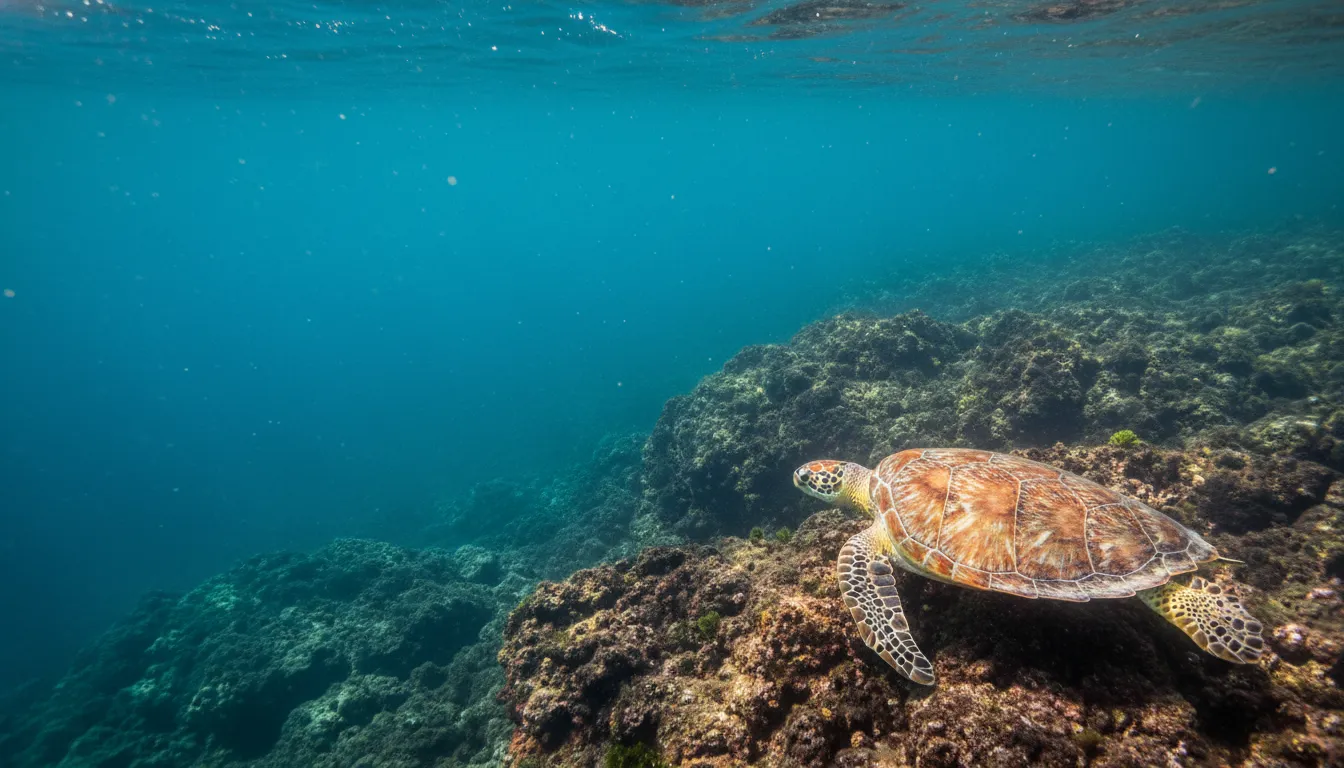
Jaco’s underwater world doesn’t whisper—it shouts in vibrant blues, yellows, and the occasional surprised squeal from a first-time snorkeler who just spotted a sea turtle. While most visitors know Jaco for its surf breaks and nightlife, the real show happens below the waterline, where volcanic rock formations create underwater cities teeming with tropical fish, rays, and if you’re lucky, visiting whales. Whether you’re a certified diver hunting for macro critters or a nervous first-timer wondering if you’ll actually see anything, Jaco’s marine biodiversity delivers experiences that’ll have you boring your friends with fish photos for months. The best part? You don’t need to travel hours to remote dive sites—some of the best underwater wildlife viewing happens minutes from shore, making Jaco an ideal base for exploring Costa Rica’s Pacific marine ecosystems without the logistical headaches.
What Makes Jaco’s Marine Ecosystem Unique?
Jaco Bay sits in a sweet spot where the Pacific’s nutrient-rich currents meet Costa Rica’s volcanic coastline, creating conditions that support an unusually diverse marine community. The underwater topography features a mix of rocky reefs, sandy channels, and submerged rock formations that provide varied habitats within a small area. You’ll find species from both temperate and tropical zones coexisting here, thanks to seasonal upwellings that bring cooler, nutrient-dense water to the surface.
The volcanic rock formations create natural shelters and feeding stations for everything from tiny nudibranchs to cruising jacks and amberjacks. These underwater structures, formed thousands of years ago, now serve as apartment complexes for moray eels, lobsters, and countless reef fish. Unlike coral-heavy Caribbean destinations, Jaco’s reefs feature more rock and limited coral coverage, but the biodiversity remains impressive. The varied depths—from shallow tide pools perfect for beginners to deeper offshore sites—mean there’s genuinely something for every skill level, from your nervous spouse taking their first snorkel plunge to your dive-obsessed uncle hunting for rare macro life.
Top Jaco Scuba Diving Spots You Need to Know
Local dive operators favor several reliable sites, each with distinct personalities. The Sandbar, located just offshore from central Jaco, offers an easy introduction with depths of 20-40 feet and regular sightings of pufferfish, triggerfish, and schools of grunts. It’s the dive site equivalent of a friendly neighborhood bar—nothing too intense, but always welcoming.
For something more dramatic, head to Las Rocas, a site featuring larger rock formations that attract bigger species. You’ll often encounter white-tip reef sharks resting in crevices, massive pufferfish that look perpetually annoyed, and if conditions align, eagle rays gliding past like they’re late for an important meeting. Visibility here typically ranges from 30-60 feet, though it can drop during rainy season.
Advanced divers shouldn’t miss the offshore sites accessible via boat, where depths exceed 80 feet and pelagic species make appearances. Mantas, bull sharks, and even hammerheads show up seasonally, though sightings aren’t guaranteed—that’s ocean diving, not SeaWorld. Most reputable [diving and snorkeling operators](/Adventure Activities/diving-and-snorkeling-in-jaco) run trips to these sites, prioritizing safety and small group sizes. Expect two-tank dives to run 4-6 hours including surface intervals, with all gear provided except personal items like dive computers or cameras.
Jaco Snorkeling Tours: What to Actually Expect
Snorkeling trips from Jaco typically head to calmer bays north or south of town, where protected waters and rocky outcroppings create ideal conditions for surface viewing. Most tours use boats to reach these spots since shore access can be tricky and currents unpredictable. The standard half-day tour includes equipment, guides, and usually some fruit or snacks—basically everything except the fish-selfie skills, which you’ll develop through enthusiastic trial and error.
Guides typically position boats near rock formations where fish congregate, giving you stationary targets for your underwater photography attempts. You’ll likely spot parrotfish munching on algae, angelfish posing like they know they’re photogenic, and schools of sergeant majors striped like tiny aquatic referees. Sea turtles appear regularly at certain sites, especially during nesting season, though ethical operators maintain respectful distances.
The water temperature hovers around 78-84°F year-round, meaning you won’t need a thick wetsuit, though many people appreciate a thin rashguard for sun protection and minor warmth. Visibility varies from 20-50 feet depending on season and recent weather—clearer in dry season (December-April), potentially murkier during rainy months when river runoff increases. Tours typically last 3-4 hours total, with 60-90 minutes of actual water time split between sites.
Hermosa Beach Marine Life: Just South of Jaco
Hermosa Beach, located about 10 minutes south, offers a different marine environment worth exploring. The beach’s southern point features tide pools and rocky areas that become natural aquariums during low tide, perfect for families or anyone who prefers keeping their head above water. You’ll spot crabs, small fish, sea urchins, and occasionally octopuses hiding in crevices.
The offshore areas near Hermosa attract more diverse species due to deeper water proximity and varied bottom composition. Snorkeling here reveals why Costa Rica’s diverse ecosystems extend beyond rainforests—the marine biodiversity rivals anything you’ll find on land. Local guides know specific rocky outcroppings where turtles feed on algae and rays rest on sandy patches between rocks.
Access is straightforward: rent a car, grab a taxi, or join an organized tour from Jaco. If you’re staying at a centrally located property like Jaco Beach Zen, you’re already positioned perfectly for spontaneous Hermosa visits—close enough to reach quickly, far enough from the crowds that plague central Jaco Beach during high season.
Isla Tortuga Snorkeling: The Day Trip Worth Taking
Isla Tortuga, technically located in the Gulf of Nicoya about 90 minutes north by boat, ranks among Costa Rica’s premier snorkeling destinations and makes an excellent full-day excursion from Jaco. The journey itself entertains—you’ll cruise past coastal scenery, likely spot dolphins, and if you’re traveling during whale season (July-October and December-March), potentially encounter humpback whales migrating through these waters.
The island’s waters feature exceptional visibility (often 50-70 feet) and abundant marine life including rays, reef sharks, tropical fish in ridiculous quantities, and healthy underwater rock formations. The shallow, protected bays make this ideal for less confident swimmers, while the outer edges offer more challenging conditions for experienced snorkelers. Most tours include lunch on the beach, giving you time to recover from your underwater adventures and work on your tan before the return journey.
Book through reputable operators who prioritize safety and environmental responsibility—you want guides who brief you on marine life etiquette, not cowboys who let tourists chase turtles for Instagram content. Expect to pay $80-120 per person for quality tours including transportation, equipment, meals, and guides. Tours depart early (typically 7-8am) and return by late afternoon, making this a full-day commitment but absolutely worth it for the marine diversity alone.
Seasonal Marine Species: Timing Your Visit
Jaco’s underwater wildlife changes with seasons, and timing your visit strategically can dramatically improve your marine encounters. Humpback whales pass through twice annually—the northern population visits December-March, while the southern population arrives July-October. Whale watching tours from Jaco offer high success rates during these windows, with sightings practically guaranteed during peak months.
Sea turtle nesting season runs July-December, with August-October representing peak activity. While you shouldn’t disturb nesting turtles on beaches, underwater encounters increase during these months as more turtles congregate in nearshore waters. Several local organizations run conservation programs you can support, turning your visit into something beyond pure tourism.
Rainy season (May-November) brings reduced visibility but also interesting species movements. Certain fish populations shift, currents change, and you might encounter species rarely seen during dry months. Water temperatures remain comfortable year-round, though dry season (December-April) offers the clearest conditions for photography and general viewing. Plan your [adventure activities](/Adventure Activities/jaco-adventure-activities-guide) around these patterns for optimal experiences.
Underwater Photography Tips for Jaco’s Conditions
Capturing Jaco’s marine life requires adapting to local conditions—namely, variable visibility and active subjects that won’t pose for your camera. Start with basic waterproof cameras or phone housings if you’re new to underwater photography. GoPros work wonderfully for wide-angle reef scenes and video, though their fixed lenses limit macro capabilities.
For serious photography, bring or rent a proper underwater camera with manual controls and ideally a strobe or video light. Jaco’s visibility often necessitates getting closer to subjects than you might in Caribbean destinations, making wide-angle lenses less critical than good macro capabilities. Fast autofocus helps when photographing moving fish, which is basically all of them.
The best lighting occurs mid-morning to early afternoon when sun penetrates the water column most effectively. Avoid shooting directly downward into shadows or upward into the sun—angle your shots to use natural light while minimizing backscatter from particles in the water. Most importantly, never touch or disturb marine life for photos. That turtle doesn’t care about your Instagram engagement rates, and ethical photography means observing without interfering. Your shot should document behavior, not create it.
Getting Scuba Certified in Jaco
Jaco hosts several PADI-certified dive shops offering courses from basic Open Water certification through advanced specialties. The typical Open Water course runs 3-4 days, combining pool sessions, classroom work, and open water dives. Expect to pay $400-500 for certification including all materials and equipment—competitive with other Central American destinations and significantly cheaper than certifying back home.
The learning conditions here favor students: warm water, relatively calm sites for training dives, and instructors experienced with nervous beginners. You’ll complete initial pool work in controlled environments before progressing to open water dives at beginner-friendly sites. Most shops maintain small student-to-instructor ratios (typically 4:1 or better), ensuring personalized attention during your certification process.
Already certified but it’s been years? Refresher courses typically run half a day and cost $100-150, rebuilding your skills and confidence before diving Jaco’s more challenging sites. This investment in safety beats pretending you remember everything from that dive trip a decade ago. Trust me, your dive buddy will appreciate the refresher too.
Marine Conservation and Responsible Viewing
Jaco’s marine ecosystems face pressures from development, fishing, and tourism—the same forces that make the town economically viable also threaten what makes it special. Choose tour operators committed to conservation, which usually means smaller groups, better briefings, and guides who prioritize wildlife welfare over Instagram opportunities.
Practical conservation means simple actions: don’t touch coral or marine life, maintain neutral buoyancy to avoid damaging reefs with fins or gear, and never feed fish (yes, even if the tour guide suggests it). Take only photos and memories, leave only bubbles. Support local conservation organizations working to protect marine habitats, and choose operators who contribute portions of fees to these efforts.
Plastic pollution affects Jaco’s waters like most Pacific coastal areas. Bring reusable water bottles, avoid single-use plastics, and participate in beach cleanups if opportunities arise. The marine life you photograph today depends on tourists making better choices than previous generations. Your vacation doesn’t have to cost the environment—it can actually support it through thoughtful operator selection and personal practices.
Practical Logistics: Getting Underwater in Jaco
Most dive shops and tour operators cluster in central Jaco, making them easily accessible from accommodations throughout town. Many offer hotel pickup for tours, though this adds time to already long days. Staying somewhere [centrally located](/Activities and Tours/best-jaco-tours-and-day-trips) like Jaco Beach Zen means you can walk to some operators or arrange quick pickup without the convoy-style tourist bus experience.
Bring your own mask if you have one—personal equipment always fits better than rental gear cycled through hundreds of faces. Everything else (fins, BCDs, regulators, wetsuits) comes with tour costs. If you’re particular about gear or have specific needs, communicate with operators when booking to ensure they can accommodate you.
Book activities 2-3 days in advance during high season (December-April), or risk finding popular tours fully booked. Low season offers more flexibility, though weather can cancel trips with shorter notice. Most operators refund or reschedule for weather cancellations, but clarify policies when booking. And please, please take seasickness medication if you’re prone—the boat ride to dive sites can get bumpy, and nobody wants to be that person chumming the water before even getting wet.
Frequently Asked Questions
What’s the best time of year for diving in Jaco?
Dry season (December-April) offers the clearest water and calmest conditions, with visibility often reaching 50-60 feet and minimal rain interruptions. However, rainy season diving has advantages too—fewer crowds, lower prices, and certain species appear more frequently. Water temperature remains comfortable year-round at 78-84°F, so thermal concerns shouldn’t drive your timing. If whale watching tops your priority list, visit during July-October or December-March when humpbacks migrate through. Overall, any time works for diving Jaco, but dry season provides the most predictable conditions for planning purposes.
Do I need diving certification to see Jaco’s underwater wildlife?
Not at all—snorkeling tours provide excellent marine life viewing without certification requirements. Many species inhabit shallow waters perfectly accessible to snorkelers, including sea turtles, rays, and abundant tropical fish. Isla Tortuga snorkeling trips particularly shine for non-certified visitors wanting premium marine experiences. That said, certification opens deeper sites and encounters with species that prefer depth, like reef sharks and pelagic visitors. If you’re considering certification, Jaco’s warm waters and experienced instructors make it an ideal location to learn. The choice depends on your comfort level and what marine encounters you’re seeking.
Are there sharks in Jaco’s waters?
Yes, but before you cancel your trip, understand that the sharks here—primarily white-tip reef sharks and occasional bull sharks—pose minimal danger to divers and snorkelers. White-tips are notoriously docile, often resting in caves and crevices, ignoring divers completely. Bull sharks appear seasonally at offshore sites, and while they’re more assertive than white-tips, attacks are extraordinarily rare. Responsible dive operators know shark behavior and maintain appropriate distances. Encountering sharks should excite you, not terrify you—they’re indicators of healthy marine ecosystems. Statistically, you’re vastly more likely to injure yourself on a rental scooter than have any shark incident in Jaco’s waters.
Can beginners really enjoy diving in Jaco?
Absolutely—Jaco’s dive sites include excellent beginner-friendly options like the Sandbar, featuring manageable depths, minimal currents, and abundant marine life to keep things interesting. Local operators specialize in working with nervous first-timers, providing thorough briefings and maintaining conservative dive profiles. The warm water and generally good visibility (by Pacific standards) create less stressful conditions than cold-water or low-visibility destinations. Many people complete their Open Water certification here precisely because conditions favor learning. Start with introductory dives or snorkeling to build confidence, then progress to certification if the underwater world hooks you. Everyone starts somewhere, and Jaco’s waters welcome beginners genuinely.
What should I bring on a snorkeling or diving tour?
Bring sunscreen (reef-safe formulas only to protect marine ecosystems), a towel, change of clothes, and waterproof bag for electronics and valuables. Most operators provide all diving or snorkeling equipment, but personal masks improve comfort and fit. Bring seasickness medication if you’re susceptible—the boat rides can get choppy, especially heading to offshore sites. Don’t forget your underwater camera or GoPro for capturing marine encounters, plus extra batteries since cold water drains them faster. Cash tips for guides (10-15% is standard for good service), and perhaps a light rashguard for sun protection even if you’re wearing sunscreen. Leave jewelry and unnecessary valuables at your accommodation to avoid loss or theft concerns during water activities.
Bahía Azul, unit 7C sits right on this stretch of sand — on the quiet south end of Jacó, a few hundred feet from the water.
Book on Airbnb