Beyond the Beach: Unearthing Jaco’s Hidden Botanical Gems (and How to Find Them)
Sure, Jaco’s famous for its legendary surf breaks and lively beachfront scene. But here’s what most visitors miss: just minutes from the main drag, a completely different world exists—one where howler monkeys provide the soundtrack, orchids bloom in impossible colors, and the air smells like damp earth and hibiscus. If you think Jaco is just about catching waves and sunset beers (though we’re big fans of both), you’re missing half the story. The truth is, this slice of Costa Rica’s Pacific coast sits in one of the most biodiverse zones on the planet, and exploring Jaco’s botanical side offers a surprising counterpoint to the town’s energetic vibe. Whether you’re a plant nerd, a family looking for something beyond the beach, or just someone who appreciates a good leafy escape, Jaco’s got you covered—you just need to know where to look.
Jaco’s Green Side: More Than Just Palm Trees (Though We Love Those Too)
Let’s get something straight: Jaco isn’t your typical “formal botanical garden” destination with perfectly manicured hedges and plaques identifying every species. Instead, what makes this place special is how the jungle quite literally leans into town, creating this beautiful tension between civilization and wilderness. Walk five minutes from the beach hotels, and you’ll find yourself under a canopy thick enough to make you forget the ocean exists.
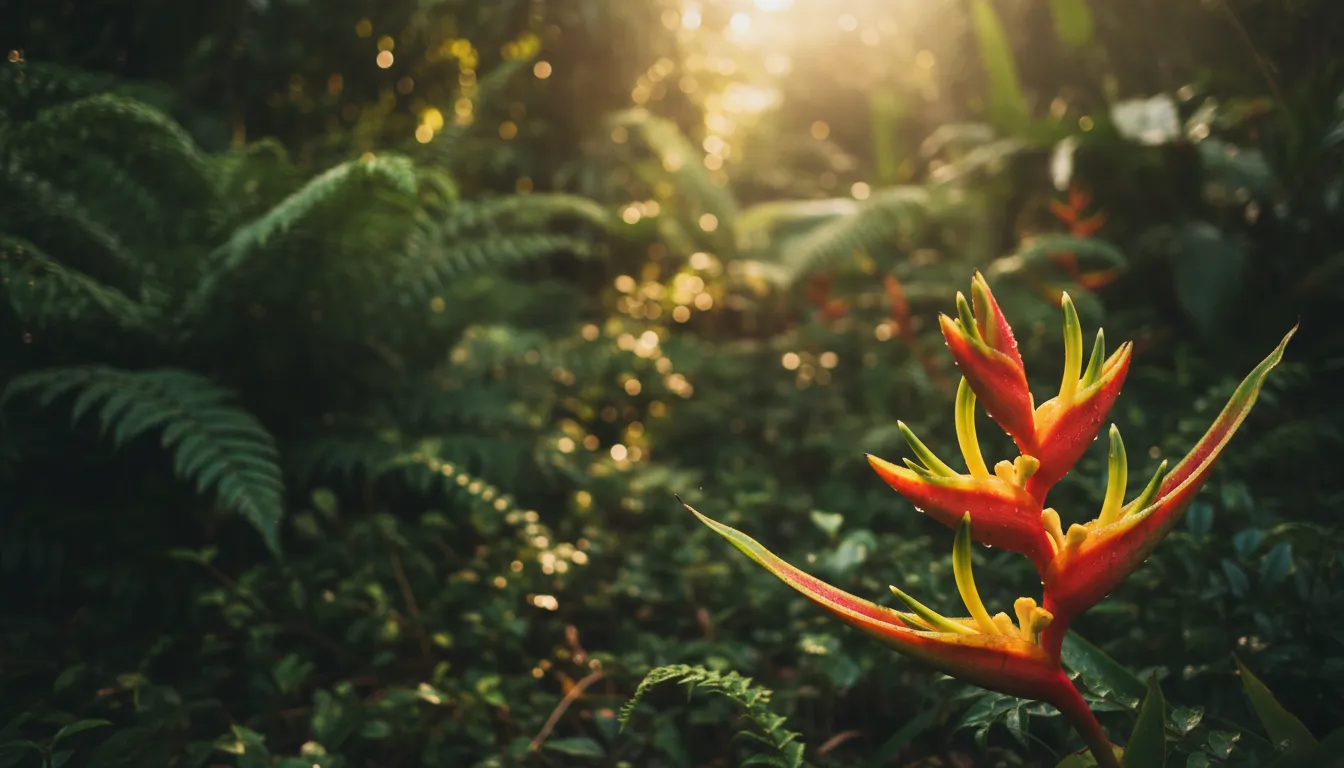
The hills surrounding Jaco are essentially a living botanical showcase, where native flora thrives without much human intervention. Think massive strangler figs, vibrant heliconias that look like they belong in an alien landscape, and flowering trees that explode with color depending on the season. This isn’t nature carefully contained behind fences—it’s wild, slightly chaotic, and absolutely captivating.
What’s particularly great for visitors is that you don’t need to commit to a full-day expedition to experience this green side of Jaco. Even a quick morning stroll through the quieter neighborhoods reveals the incredible diversity that makes Costa Rica famous among botanists and nature lovers. It’s a different kind of “Jaco vibe”—one that pairs perfectly with your planning your Jaco adventure that balances beach time with something a bit more contemplative.
Pura Vida Gardens & Waterfalls: Jaco’s Crown Jewel of Cultivation
If you want the closest thing to a traditional botanical garden experience near Jaco, Pura Vida Gardens & Waterfalls is your destination. Located about 15 minutes from town (closer to Herradura, technically), this privately-owned sanctuary has become something of a local legend—and for good reason.
The star attraction? Multiple waterfalls that cascade through the property, creating this constant, soothing soundtrack while you explore. But the real magic is in the plant collection itself. The owners have cultivated an impressive array of orchids, bromeliads, heliconias, and other tropical specimens, many of which are labeled for the curious botanist in all of us. It’s not just pretty—it’s genuinely educational, giving you context for the plants you’ll spot throughout your Costa Rica travels.
Here’s where it gets even better: Pura Vida Gardens isn’t just about plants. The property attracts an impressive range of wildlife. We’re talking sloths hanging out in the canopy like they’ve got nowhere to be (which, to be fair, they don’t), white-faced capuchin monkeys investigating visitors with obvious curiosity, and an absolutely ridiculous variety of birds. Toucans, tanagers, hummingbirds—if it’s colorful and has feathers, there’s a decent chance you’ll spot it here.
Accessibility-wise, the paths are well-maintained enough for most visitors, including families with strollers, though some areas do involve stairs due to the natural topography. It’s not Disney-level paved paths, but it’s far from a challenging hike. Perfect for those seeking [more kid-friendly activities in Jaco](https://jacobeachzen.com/Family-Friendly Activities/jaco-kid-friendly-attractions) that don’t involve sand in every conceivable crevice.
The gardens typically offer guided tours, which we strongly recommend. The guides know exactly where that sloth is hiding, can identify bird calls you’d otherwise miss, and share fascinating details about medicinal plant uses that have been passed down through generations. It transforms a pleasant walk into an actual learning experience.
Beyond the Beaten Path: Secret Spots for Plant Enthusiasts and Birdwatchers Alike
Now for the insider stuff. While Pura Vida Gardens offers that curated experience, some of Jaco’s best botanical moments happen in the most unexpected places—like the back roads winding through the hills.
Take a morning walk up the roads near Hotel DoceLunas, and you’ll discover what we mean. These aren’t formal trails or designated nature areas—they’re just regular streets where locals live, but the difference from downtown Jaco is striking. Massive flowering trees arch over the road, creating natural tunnels of green. Hedges explode with bougainvillea in electric pinks and oranges. Iguanas—some impressively large—sun themselves on walls like scaly, prehistoric cats.
What makes these walks special is the complete lack of tourism infrastructure. No entrance fees, no gift shops, no crowds. Just you, the plants, and the occasional curious local who might offer a friendly “pura vida” as you pass. It’s raw, unfiltered Jaco nature, and it offers something those curated gardens can’t: a genuine peek into how the jungle and human habitation coexist here.
For digital nomads especially, these quiet, verdant areas offer the perfect brain break. When you’ve been staring at screens all morning and need to reset, a 30-minute walk through these neighborhoods does wonders. No reservations needed, no planning required—just walk uphill from the main strip and let curiosity guide you.
The location of Jaco Beach Zen makes these impromptu nature walks particularly convenient. We’re positioned where you can easily access both the vibrant downtown scene and these quieter, plant-rich areas perfect for that early morning finding tranquility in Jaco moment before the day gets going.
What to Pack: Essentials for Your Eco-Friendly Jaunt
Alright, practical matters. If you’re venturing into Jaco’s botanical areas, here’s what you actually need:
Bug spray is non-negotiable. Costa Rica’s lush environment supports an impressive variety of insects, many of which find human blood delicious. Go for eco-friendly, DEET-free options if possible—they’re better for both your skin and the environment. Apply generously, especially around ankles and behind knees.
Clothing-wise, think lightweight and breathable. Even in shaded garden areas, humidity is real. Quick-dry fabrics work best. Long, light pants offer more protection from bugs and scratchy vegetation than shorts, but plenty of visitors do just fine in shorts and don’t mind the occasional mosquito bite.
Comfortable walking shoes matter more than you’d think. You’re not scaling mountains, but uneven paths, occasional roots, and potentially slippery areas near waterfalls mean flip-flops are a bad idea. Proper sneakers or hiking sandals with good grip are your friends.
Finally, bring a refillable water bottle. Staying hydrated is crucial, and reducing plastic waste aligns with that whole Pura Vida philosophy of respecting the environment. Most accommodations in Jaco have filtered water available for refilling.
Making the Most of Your Jaco Botanical Experience: Insider Tips
Timing makes a massive difference. Early morning—we’re talking 6:30 or 7 AM—offers the best wildlife viewing opportunities. Animals are more active before the heat sets in, birds are particularly vocal during dawn hours, and the lighting for photography is absolutely spectacular. Plus, you’ll largely have the trails to yourself.
Hiring a local guide, even for a few hours, elevates the experience exponentially. They know which trees the sloths prefer, can identify plants with medicinal properties that you’d otherwise walk right past, and often share stories that connect the botanical aspects to Costa Rican culture and history. For Pura Vida Gardens specifically, guides are available on-site. For the more informal neighborhood walks, Jaco Beach Zen’s concierge can connect you with reputable local guides who know the area intimately.
Respect is paramount. This sounds obvious, but it bears repeating: don’t touch plants you can’t identify (some have irritating sap or thorns), don’t feed wildlife no matter how cute they are, and stay on established paths to avoid damaging vegetation. We’re visitors in an ecosystem that was thriving long before we arrived.
Bring a decent camera or smartphone, but don’t let photography dominate the experience. Some of our guests get so focused on getting the perfect toucan shot that they miss the actual joy of watching the toucan do its thing. Balance documentation with genuine presence.
Frequently Asked Questions
Are there guided tours available for botanical gardens near Jaco?
Yes, Pura Vida Gardens offers guided tours as part of the admission, and they’re excellent—worth the price alone for the wildlife spotting help. For more informal botanical walks around Jaco’s neighborhoods, local guides can be arranged through hotel concierges or tour operators in town. These guides typically charge reasonable hourly rates and provide context you’d otherwise miss. Self-guided exploration is also perfectly viable for the adventurous, though you’ll sacrifice the detailed botanical knowledge.
Is Pura Vida Gardens suitable for young children and strollers?
Mostly yes, with some caveats. The main paths are well-maintained and wide enough for strollers, making it family-friendly for kids of various ages. However, accessing all the waterfalls involves stairs and narrower trails where you’d need to carry smaller children or fold up the stroller. The gardens aren’t massive, so it’s not an exhausting trek for little legs. Most families find it manageable and genuinely enjoyable—kids love spotting monkeys and colorful birds. Just set expectations appropriately and bring snacks.
What kind of wildlife can I expect to see in Jaco’s gardens and natural areas?
The list is genuinely impressive: three-toed and two-toed sloths (easier to spot than you’d think), white-faced capuchin monkeys, howler monkeys (you’ll definitely hear these), iguanas of various sizes, Jesus Christ lizards, poison dart frogs, countless bird species including toucans, scarlet macaws, tanagers, and hummingbirds. Butterflies are everywhere, often in stunning varieties. Pura Vida Gardens typically offers the highest concentration due to the habitat they’ve created, but even neighborhood walks can yield surprising wildlife encounters if you’re observant and patient.
Are there any free botanical or nature walks in Jaco?
Absolutely. The neighborhood walks through areas like the roads near Hotel DoceLunas cost exactly nothing and offer genuine botanical interest. Public beaches also have coastal vegetation worth observing. The obvious trade-off is the lack of formal interpretation—you won’t have labels identifying species or guides explaining ecological relationships. But for budget-conscious travelers or those who simply enjoy unstructured exploration, these free options provide real value and authentic experiences without the admission fees.
What’s the best time of year to visit Jaco for vibrant flora?
Costa Rica’s green season (May through November) brings the most dramatic floral displays as increased rainfall triggers blooming cycles. However, the dry season (December through April) has its own advantages: clearer weather for photography, less mud on trails, and certain species bloom specifically during drier months. Honestly, any time of year offers botanical interest—this is the tropics, after all. The garden experience changes seasonally rather than disappearing entirely, so visit when your overall travel plans work best.
How far is Pura Vida Gardens from Jaco Beach A.K.A. ‘the main drag’?
About 15 minutes by car, heading toward Herradura. It’s close enough for an easy morning excursion but far enough that you need transportation—walking isn’t realistic due to distance and road conditions. Taxis from Jaco cost roughly $15-20 each way, or you can arrange transportation through your accommodation. Some visitors combine the gardens with other Herradura-area attractions like the crocodile bridge for a fuller day trip. Budget about 2-3 hours for the garden visit itself.
Are facilities like restrooms and cafes available at these botanical attractions?
Pura Vida Gardens has basic facilities including restrooms, which is helpful for a multi-hour visit. They don’t have a full cafe, but sometimes offer basic refreshments. For the informal neighborhood walks around Jaco, you’re relying on town facilities before and after—plan accordingly. This is part of why we recommend these walks as morning activities when you can return to your accommodation relatively quickly if needed. Bring water and any snacks you might want.
Is it safe to explore the quieter, plant-rich back roads of Jaco on my own?
Generally yes, especially during daylight hours. Jaco is relatively safe for solo exploration, including women travelers. That said, standard precautions apply: don’t flash expensive jewelry or equipment, stay aware of your surroundings, and let someone know your general plans. The bigger risks are environmental—watching your footing on uneven surfaces, staying hydrated, and avoiding unknown plants. Going with a buddy is always smarter than going alone, both for safety and because shared experiences are more fun anyway.
Bahía Azul, unit 7C sits right on this stretch of sand — on the quiet south end of Jacó, a few hundred feet from the water.
Book on Airbnb