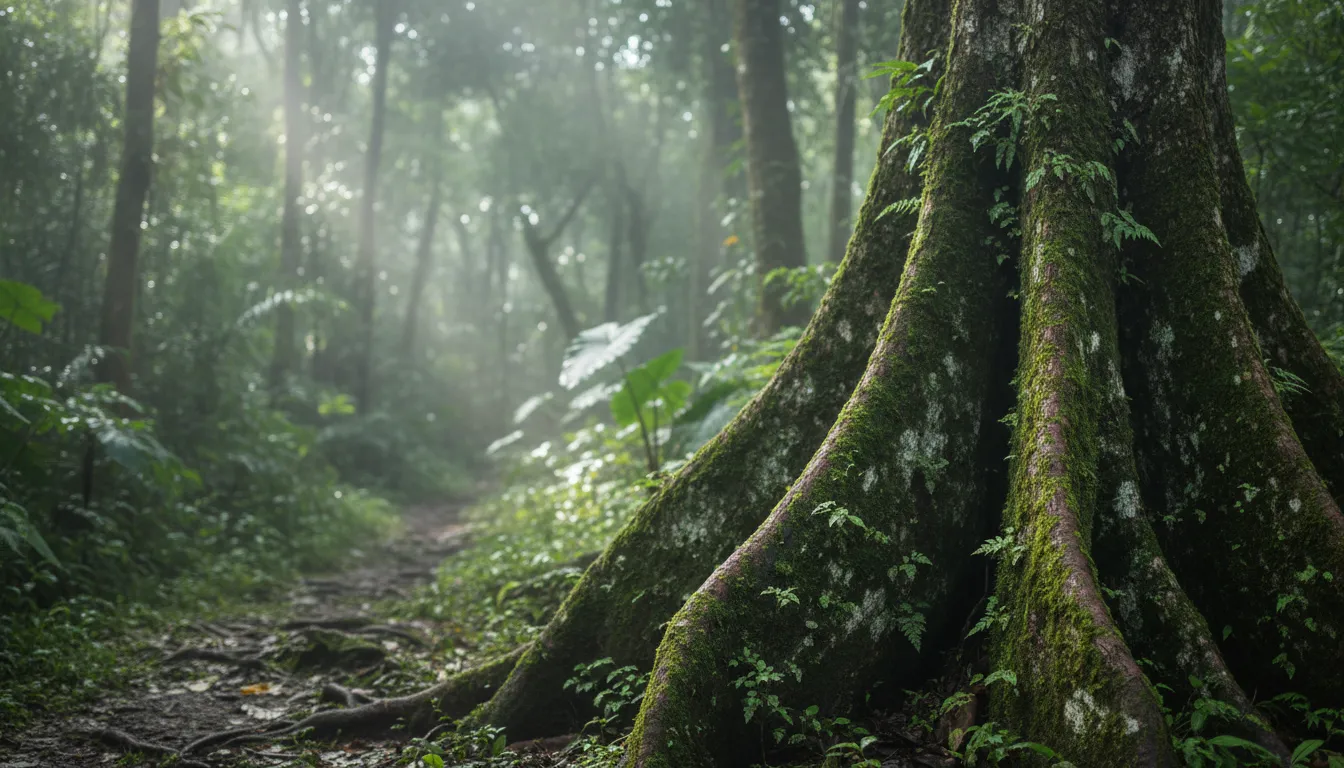
Look, we get it. You came to Jaco for the waves, the sunsets, maybe that perfect beachfront spot where you can actually hear the ocean instead of traffic. But here’s the thing about Costa Rica’s Central Pacific coast: the real magic happens about fifteen minutes inland, where the pavement ends and the actual jungle begins. We’re talking dense, humid, gloriously alive rainforest where howler monkeys provide your morning alarm and sloths make you feel productive by comparison. The best part? You don’t need machetes or survival skills—just decent shoes, realistic expectations, and maybe a guide who knows which plants won’t make you itch for three days. So trade those flip-flops for something with actual tread, because Jaco’s rainforest trails deliver the Costa Rica you imagined, minus the cruise ship crowds.
So, You Want to Hike in a ‘Real’ Rainforest Near Jaco? Let’s Talk Logistics.
Forget those manicured botanical gardens where everything’s labeled and the paths are wide enough for a golf cart. We’re talking about the kind of lush, living jungle where you actually hear howler monkeys (and maybe spot a sloth, if you’re lucky and patient). The difference between a manufactured nature experience and a genuine rainforest hike is like comparing a kiddie pool to the actual Pacific—technically both involve water, but the experience isn’t remotely the same.
What to pack: It’s not just about bug spray and water, though yes, bring both. Think quick-dry EVERYTHING because you will sweat, and if it rains (spoiler: it probably will at some point), cotton becomes your soggy enemy. Closed-toe shoes with actual grip are non-negotiable—your beloved flip-flops won’t appreciate that mud, and more importantly, neither will your ankles. A small backpack works better than a tote, and leave the good jewelry at home, folks. This isn’t the time for accessorizing. Bring a waterproof phone case or bag, because capturing that scarlet macaw moment only counts if your phone survives.
Best time to go: Early mornings are your friend, and we’re talking actual early—like 6 or 7 AM. Cooler temps, more active wildlife, and you’ll beat the mid-day heat that turns every hill into a personal sauna. Plus, you get back in time for a cold Imperial by the pool, which is the ideal way to celebrate not getting lost in the jungle. Starting from Jaco Beach Zen means you can grab breakfast before heading out and return to rinse off the trail dust without dealing with downtown traffic—close enough to adventure, far enough to actually relax afterward.
Carara National Park: Where the Scarlet Macaws Steal the Show (and the Crocodile is King)
Just 30 minutes north of Jaco, Carara National Park is a transitional rainforest—meaning it’s a sweet spot where dry and wet forest ecosystems collide, making for incredible biodiversity. Translation: more species packed into one area than you’d typically find. It’s like the biological equivalent of a really good tapas restaurant where everything on the menu is worth trying.
The famous residents: Scarlet Macaws. You’ll usually see (and hear!) them in pairs or small flocks flying overhead, especially early morning and late afternoon. Their vibrant red, blue, and yellow colors against the green canopy are pure Costa Rica—the kind of moment that makes you understand why people move here and never leave. These aren’t shy birds; they’re loud, social, and utterly unbothered by human admirers. The park protects one of the last significant populations on the Pacific coast, so seeing them here isn’t just lucky—it’s practically guaranteed if you show up at the right time.
Laguna Meándrica Trail and the Main Loop are your go-to trails. They’re well-maintained, relatively flat, and great for spotting everything from agoutis (large rodents that look like guinea pigs hit the gym) to poison dart frogs without needing to be an Olympic hiker. The trails feature raised boardwalks in certain sections, keeping you above the wettest areas while letting you peer into the forest understory where most of the action happens. Total hiking time runs about 90 minutes to two hours if you’re actually watching for wildlife rather than just power-walking through.
Proximity to Tárcoles River: A guided boat tour on the Tárcoles is almost mandatory if you’re hitting Carara. The crocs are massive—we’re talking 15-footers that look prehistoric because, well, they kind of are. It’s a spectacle. Seriously, these aren’t your backyard gators. The boat tours leave from the bridge area (you’ll know it by the tour buses and guys selling fresh coconuts), and guides position you for perfect photo ops with these ancient predators sunbathing on the muddy banks.
Bijagual Waterfall: The Reward for That ‘Slightly More Challenging’ Trek
If you’re feeling adventurous and want a legit rainforest waterfall experience, Bijagual (sometimes called Manantial de Agua Viva) is your ticket. This isn’t some roadside cascade where you park and snap a selfie. This is earned scenery.
It’s about a 45-minute drive from Jaco into the mountains, and then a good, solid hike. We’re talking slippery trails, some elevation gain, and sections where tree roots become your staircase. But it’s totally worth it for one of Costa Rica’s tallest cascades—around 200 meters of water plummeting down a moss-covered cliff face into a swimming hole that’s legitimately refreshing after that climb. The sound alone is worth the trip; that thundering white noise that drowns out everything else.
This is not a ‘stroll to the falls’ kind of place; it’s a ‘work for it and be amazed’ kind of place. Prepare for mud, sweat, and an incredible natural shower at the end. The trail follows a river for part of the way, crossing it several times via stepping stones that range from convenient to “is this a trust exercise?” Depending on recent rainfall, some crossings get interesting. Wear shoes you don’t mind submerging.
Consider a local guide for this one; they know the best (and safest) paths, plus they can point out all the cool stuff you’d totally miss on your own—medicinal plants, camouflaged insects, that sloth you definitely just walked under without noticing. Most tours include transportation from Jaco, which beats navigating mountain roads yourself, and some throw in lunch or fresh fruit at the falls. The whole experience runs about five to six hours, so plan accordingly.
Unearthing Jaco’s Lesser-Known Trails: Eco-Adventures for the Savvy Explorer
Sometimes the best adventures are the ones not plastered all over Instagram. There are smaller, local eco-trails around Jaco that offer quieter wildlife viewing and a more intimate jungle experience. These aren’t necessarily marked on Google Maps, which is exactly why they’re special. Ask locals (or us—we’ve got the intel) about trails near Quebrada Ganado or the paths behind certain eco-lodges that allow day visitors.
Guided nature walks are a game-changer here. A local guide can spot critters you’d walk right past—that brown lump that’s actually a sleeping sloth, the vine snake that looks exactly like a vine, the toucan sitting motionless in deep foliage. They’ll also tell you about jungle medicine plants and point out which trees produce the fruit that monkeys go crazy for. It’s like having a walking, talking nature documentary, except this one answers your questions and knows where to step to avoid fire ants.
Keep an eye (and ear) out for capuchin monkeys, which are smaller and more acrobatic than howlers, plus sloths—the two-toed kind are notoriously hard to spot because they barely move and blend perfectly into the canopy. Bird diversity is bewildering: trogons, motmots, woodpeckers, tanagers in colors that don’t seem real. Seriously, bring binoculars if you have them. Even cheap ones beat squinting at distant branches.
For digital nomads, these trails offer a perfect morning escape before diving into work. Just remember, cell service might be… spotty. That’s kind of the point, really. A few hours unplugged in actual nature does more for creativity and focus than any productivity hack. You’ll return to your laptop refreshed rather than just caffeinated, which is a different kind of energy entirely.
Canopy Tours & Ziplining: Getting a Bird’s Eye View (Without Growing Wings)
While technically not ‘hikes,’ canopy tours and ziplining offer a thrilling way to experience the rainforest from a whole new perspective—up high, where the toucans and howlers actually live. It’s a different kind of immersion, trading the forest floor’s humidity for the canopy’s breeze.
Several reputable operators near Jaco offer courses suitable for various thrill levels, from “this is fun!” to “why did I agree to this?!” They usually include a short guided walk through the forest to get to the platforms, so you still get ground-level nature time. The guides point out wildlife along the way, and once you’re zipping between platforms, the views genuinely redefine your relationship with height and speed. Some courses include hanging bridges, Tarzan swings, or rappelling stations for those who think regular ziplining is too tame.
It’s a fantastic option for families with older kids (most places require participants to be at least six or seven and meet weight minimums) or adventure seekers looking for an adrenaline rush with their nature dose. The combination of speed, scenery, and that slight edge of “am I really doing this?” creates memories that beach days, lovely as they are, just don’t match. Plus, the views are genuinely spectacular—watching the Pacific coastline from a platform 150 feet up in a strangler fig puts things in perspective.
Ask us about specific tours; we know the ones with the best safety records and most incredible lines. Not all canopy tours are created equal—some prioritize speed and thrills, others focus more on the natural history and wildlife spotting. Knowing which matches your vibe makes the difference between a good morning and a great story you’ll tell for years.
FAQ
Are rainforest hikes near Jaco suitable for kids?
Absolutely, with the right trail choice. Carara’s main trails are relatively flat, well-maintained, and short enough that younger kids won’t stage a mutiny. The wildlife payoff—especially those scarlet macaws—keeps attention spans engaged. Avoid more challenging hikes like Bijagual with little ones unless they’re experienced hikers; slippery trails and young kids aren’t a great combination. Many guided nature walks offer family-specific tours at a slower pace with stops for bug hunts and frog spotting, which kids love. Just manage expectations, bring snacks, and plan for shorter distances than you’d cover solo.
Do I need a guide for hiking in the rainforest around Jaco?
For major parks like Carara with marked trails, no—you can absolutely explore independently with a decent map and awareness. For more remote trails, waterfalls like Bijagual, or if you genuinely want to see wildlife rather than just trees, a guide transforms the experience. They know animal behaviors, seasonal patterns, and which areas currently have active nests or feeding sites. Plus, safety-wise, guides know the terrain, weather patterns, and which shortcuts are actually shortcuts versus “shortcuts” that get you properly lost. Consider it an investment in actually experiencing the forest rather than just walking through it.
What should I wear and bring on a rainforest hike in Costa Rica?
Quick-dry clothing in light colors (easier to spot ticks), closed-toe hiking shoes with good tread, a small backpack with water, snacks, bug spray, sunscreen, and a rain jacket or poncho. Bring a waterproof bag for your phone and valuables—even “dry season” can surprise you. A hat helps, both for sun and for keeping things from dripping on your head. Long, light pants protect against scratches and bugs better than shorts. Skip cotton; it stays wet forever and causes chafing. A small first-aid kit with band-aids and anti-itch cream covers most minor trail emergencies. Camera or binoculars if you have them.
Can I hike to a waterfall directly from Jaco, or do I need a car?
You’ll need transportation for the impressive waterfalls like Bijagual—they’re 30-45 minutes away by car up mountain roads. Renting a vehicle works, though some roads require 4WD depending on season and recent rain. Many visitors book tours that include transportation, which removes the navigation stress and usually adds a guide, lunch, and hotel pickup. There are smaller cascades closer to town, but they’re seasonal and nowhere near as spectacular. If you’re staying at Jaco Beach Zen, we can point you toward reliable tour operators and help arrange transportation so you’re not spending half your adventure trying to find the trailhead.
How safe are the trails, and what wildlife should I be aware of?
Costa Rica’s trails are generally very safe—violent wildlife encounters are remarkably rare. The animals you’ll see (monkeys, sloths, birds, agoutis) want nothing to do with you. Snakes exist but are typically shy; watch where you step and don’t grab vegetation blindly. The main concerns are environmental: slippery trails after rain, river crossings during high water, and getting lost on unmarked paths. Heat exhaustion and dehydration cause more problems than animals. Don’t feed or approach wildlife, watch for ants (especially near trees), and if you see an eyelash viper (beautiful but venomous), admire from a distance. The wildlife awareness is less “be terrified” and more “be respectful and alert.”
Are there any accessible rainforest trails near Jaco for retirees or those with mobility concerns?
Carara’s Universal Access Trail (Sendero Las Aráceas) was specifically designed for wheelchairs and limited mobility—it’s a flat, paved loop about 1.2 kilometers that still delivers excellent bird watching and rainforest atmosphere. Many eco-lodges and reserves have short, flat trails suitable for slower pacing or those who can’t handle elevation. Boat tours on the Tárcoles River offer incredible wildlife viewing with zero hiking required. When booking guided walks, mention mobility concerns; many operators offer customized experiences at appropriate paces. The key is matching the trail to your actual fitness level rather than aspirational fitness level—Costa Rica’s rainforests are enjoyable at any pace.
What’s the best way to spot howler monkeys or sloths while hiking?
Howler monkeys announce themselves—they’re called howlers for a reason. That deep, rumbling roar carries for miles. When you hear them, stop, look up, and scan the canopy methodically. They’re usually in groups, feeding or resting in the upper branches. Sloths are sneakier; they look like fuzzy brown lumps or dead branches. The trick is scanning slowly and looking for shapes that don’t quite fit—a rounded lump on a straight branch, a brown mass in an odd position. Early morning and late afternoon improve odds for both species. Hiring a guide with a trained eye multiplies your chances exponentially; they know current locations and can spot camouflaged animals you’d walk under ten times without noticing.
Can I combine a rainforest hike with other activities like bird watching or a river tour?
Absolutely—in fact, that’s the smart play. Carara pairs perfectly with a Tárcoles River crocodile tour; they’re minutes apart and offer completely different perspectives on the same ecosystem. Many tour operators bundle activities: morning hike, midday waterfall swim, afternoon zipline. Bird watching happens naturally on any rainforest trail if you move slowly and quietly, though dedicated birding tours start earlier (like 5:30 AM) and move at a contemplative pace that drives non-birders slightly crazy. The beauty of Jaco’s location is that rainforest, beach, and river ecosystems sit within 30 minutes of each other. You can legitimately hike, surf, and spot crocodiles in one day. Should you? Maybe pace yourself. But you could.
Bahía Azul, unit 7C sits right on this stretch of sand — on the quiet south end of Jacó, a few hundred feet from the water.
Book on Airbnb