Exposure Therapy: Capturing Jaco’s Wild Side (Without Getting Eaten)
Jaco’s reputation as a surf town might lead you to believe the only shots worth taking involve barrels and boardshorts. But before you pack only your GoPro, consider this: within twenty minutes of Jaco Beach, you can photograph crocodiles the size of kayaks, scarlet macaws that look like flying rainbows, and sunrise light so good it’ll make you question every golden hour you’ve ever slept through. The secret? Jaco sits at this perfect ecological crossroads where dry Pacific forest meets actual rainforest, creating a wildlife photography playground that most visitors stumble past on their way to Manuel Antonio. We’re talking about a place where monkeys occasionally photobomb your breakfast and tide pools reveal entire ecosystems between waves. Whether you’re shooting with a phone or dragging along a 600mm lens that cost more than your car, Jaco’s natural side offers frame-worthy moments for every level of photographer willing to wake up early and venture slightly off the beaten path.
Dawn Patrol & Golden Hour: Jaco Beach at its Most Photogenic (and Serene)
The Jaco Beach you’ll find at 5:45 AM bears almost no resemblance to its midday self. Before the surf instructors claim their territories and the beach volleyball nets go up, you’ll discover a stretch of sand that actually feels meditative. The pastel sky gradients—think soft pinks bleeding into lavender blues—reflect perfectly in the glassy water left by receding tides, creating those symmetrical compositions that make landscape photographers genuinely giddy. Wide-angle shots work beautifully here, especially if you include the silhouetted palm trees that lean artistically toward the ocean like they’ve been positioned by a set designer.
Golden hour reverses the magic. That hour before sunset bathes everything in warm, honey-colored light that transforms even the most mundane subjects into something Instagram-worthy. This is prime time for silhouette photography—surfers paddling out become dramatic cutouts against the glowing horizon, the iconic ‘Jaco’ letters on the hillside glow, and palm fronds create natural frames for your compositions. The light quality during these bookend hours is forgiving too, smoothing out harsh shadows and adding dimension to your subjects without the nuclear overhead sun that plagues midday beach photography.
Here’s what the guidebooks won’t tell you: early morning at Jaco Beach also means pelican action. These prehistoric-looking birds demonstrate absurdly precise fishing techniques, gliding inches above the water’s surface before executing dramatic dives. They’ll actually surf the small shore-break waves, riding them like feathered longboarders. Capturing this behavior requires patience and a decent shutter speed—they move faster than they look—but nail the shot and you’ve got something genuinely unique. The photography sweet spot at Jaco Beach Zen makes this particularly easy: you can literally roll out of bed, grab your camera, and be shooting sunrise before your coffee’s finished brewing.
The Crocodile Capital of the World: Tarcoles River & Bridge (Go Big or Go Home)
The Tarcoles River Bridge has earned its reputation as one of the most reliable wildlife photography spots in Costa Rica, and for good reason: massive American crocodiles congregate below like they’re attending some sort of prehistoric convention. From the bridge’s elevated perspective, you can photograph these armored giants in complete safety—a luxury you’ll appreciate when you see just how big they actually are. We’re talking individuals reaching 13-15 feet, basking on muddy banks or floating motionless in the murky water like fallen logs that suddenly have teeth.
Early mornings deliver the most active crocodile behavior. As the sun warms the river, you’ll catch them repositioning for optimal sunbathing angles, mouths occasionally agape in that unsettling grin that’s actually temperature regulation. The light at this hour also cuts through the river’s brown water better, occasionally revealing the full submerged length of swimming specimens. Composition-wise, look for groupings—several crocodiles clustered together create more visual interest than isolated subjects, and the contrast between massive adults and smaller juveniles adds scale that really emphasizes their intimidating size.
For photographers who want to level up beyond bridge shots, guided zodiac tours on the Tarcoles venture into the river itself. This isn’t for the faint of heart or the unprepared—bring your telephoto lens because your guide will maintain a respectful (read: survivable) distance from the toothy stars of the show. The payoff? You’ll also encounter roseate spoonbills, tiger herons, and numerous other waterbirds that treat the crocodile-infested banks like casual hunting grounds. The boat’s lower angle provides different photographic perspectives than the bridge, though honestly, nothing quite matches the bridge’s convenience for the risk-averse photographer who prefers their wildlife viewing with a sturdy railing between them and the subject.
Monkey Business & Macaw Majesty: Where to Find Jaco’s Famous Feathered & Furry Friends
Carara National Park sits roughly fifteen minutes north of Jaco and functions as Costa Rica’s unofficial scarlet macaw headquarters. These birds aren’t just colorful—they’re obnoxiously, almost artificially vibrant, like someone cranked up saturation to maximum in post-processing except it’s all real. The park’s transition zone between dry and wet forest creates ideal macaw habitat, and if you time your visit right (early morning, always early morning), you’ll catch them flying between feeding areas in pairs or small groups, their loud calls announcing their presence long before they enter your frame.
Photographing macaws in flight requires preparation. They’re fast, they’re bright against often-shaded backgrounds, and they rarely cooperate by holding still. Your best bet? Position yourself near known nesting areas (your guide will know these spots) and wait for the morning commute. A telephoto lens helps tremendously—200mm minimum, 400mm or longer is ideal—and continuous autofocus becomes your best friend. The reward for nailing the shot? Images of these crimson-and-blue birds against green jungle canopy that look almost too perfect to be real.
White-faced capuchin monkeys require less specialized equipment but more patience. These charming troublemakers frequent the trees near quieter beach access points and anywhere the rainforest edges meet civilization—which means they occasionally appear near Jaco Beach Zen, delighting guests who suddenly find wildlife photography opportunities during their morning coffee. Capuchins are most active during early morning and late afternoon feeding times, moving through the canopy in troops that range from a few individuals to twenty or more. Their expressive faces and mischievous behavior create endless photographic opportunities, from tender moments of mothers with infants to comical scenes of adolescents play-fighting. Pro tip: focus on the eyes, watch for interaction between troop members, and for the love of all things holy, don’t feed them no matter how adorable they look begging.
Rainforest Rhapsody: Trails, Waterfalls, and the Tiny Wonders of the Jungle
Bijagual Waterfall (sometimes called Cascada Bijagual by locals who know better) offers that classic rainforest photography trifecta: lush vegetation, dramatic water features, and enough ambient moisture to make your lens fog up within minutes of leaving the car. The hike to reach it weaves through proper jungle—the kind where every surface supports three different types of plant life and the air feels thick enough to drink. The waterfall itself cascades down multiple tiers, creating opportunities for both wide environmental shots and tighter compositions focusing on water detail.
Bring a tripod for this spot, particularly if you want those silky long-exposure shots where the water looks like flowing milk against sharp rocks and vegetation. Settings around 1-2 seconds work well for the flowing effect without completely obliterating water detail. The surrounding pools and rocks provide foreground interest, while the jungle canopy creates natural framing. Just be prepared for challenging light—the forest canopy filters sunlight unpredictably, creating high-contrast situations that can frustrate your camera’s metering system.
Here’s where many photographers miss the real magic: the tiny subjects. While everyone aims their lens at the obvious waterfall, the rainforest floor and vegetation host incredible macro opportunities. Brilliantly colored poison dart frogs (completely safe to photograph, just don’t lick them), camouflaged leaf katydids, iridescent beetles, and delicate orchids create an entire miniature world worth documenting. A basic macro lens or even your phone’s macro mode can capture details that most visitors walk right past. The best approach? Go with a knowledgeable local guide who knows where to look and, critically, which trails are actually safe to explore. The less-traveled paths often hide the most photogenic spots, but rainforest navigation without local knowledge ranges from inefficient to genuinely dangerous.
Beyond the Beach: Tide Pools & Hidden Coves for Marine Life Up Close
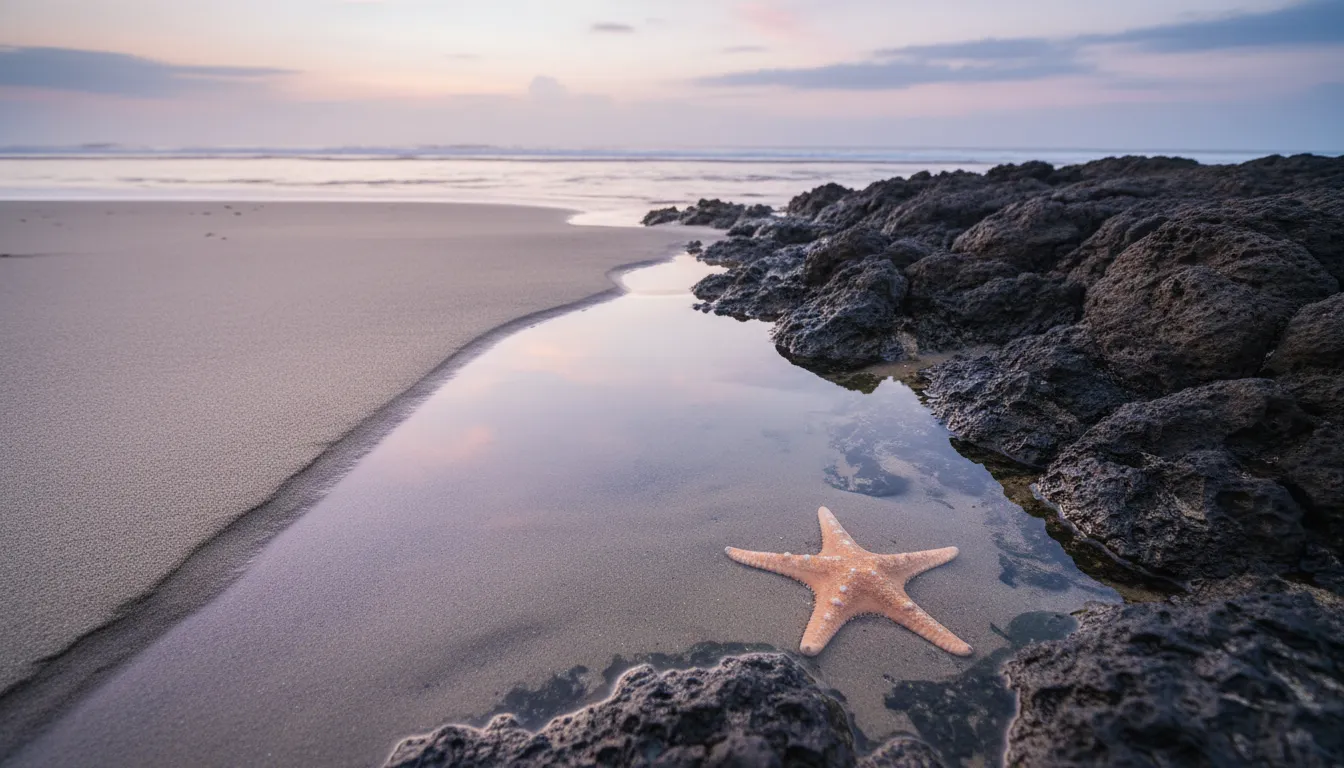
Low tide transforms Jaco’s rocky coastline into a temporary aquarium, revealing tide pools packed with marine life going about their business in ankle-deep water. These natural pools trap small fish, various crab species, starfish in surprisingly vibrant colors, and sea anemones that wave their tentacles like they’re conducting tiny underwater orchestras. For close-up marine photography, tide pools offer controlled conditions you simply can’t get while snorkeling—your subjects stay relatively still, the water’s shallow enough for good light penetration, and you can work without flooding your non-waterproof camera gear.
Playa Blanca, a short drive south from Jaco, ups the tide pool game considerably. The rock formations here create more extensive pool systems, the water runs clearer, and you’ll find greater biodiversity including small tropical fish that flash brilliant colors when the light hits them right. The clearer water also allows for interesting over-under split shots if you’ve got a waterproof housing—half your frame showing the rocky coast and sky, half showing the underwater world of the pool.
Timing makes or breaks tide pool photography. Check tide charts religiously and aim for the lowest tides of the month when maximum coastline gets exposed. Early morning low tides offer the bonus of better light and fewer footprints disturbing the pools. Wear sturdy water shoes or hiking sandals—those rocks get slippery with algae, and the combination of expensive camera gear and uncertain footing rarely ends well. A polarizing filter helps cut through water surface reflections, revealing detail that would otherwise be lost to glare. And please, photograph responsibly: don’t disturb the creatures, don’t remove anything from pools, and watch where you step because those aren’t just rocks, they’re someone’s temporary home.
FAQ
What kind of camera gear do I really need for wildlife photography in Jaco?
Honestly? Your smartphone can capture decent shots if you know how to use it, especially for landscapes and stationary subjects. That said, a DSLR or mirrorless camera with a telephoto lens (200-400mm range) dramatically expands your capabilities for birds and distant wildlife. A sturdy tripod helps with waterfalls and low-light situations. Macro photographers will want a dedicated macro lens for jungle insects and tiny subjects. Budget-conscious option: rent gear in San Jose before arriving rather than buying equipment you’ll use once.
Are there any guided photography tours in Jaco that cater to beginners?
Several local operators offer photography-focused tours that accommodate all skill levels, combining wildlife spotting with basic camera instruction. These guides know where animals congregate, understand optimal lighting conditions, and can help with camera settings on the fly. Tours typically focus on Carara National Park for birds, the Tarcoles River for crocodiles, or rainforest trails for diverse subjects. Booking through your accommodation often gets better rates than cold-calling tour companies—just saying.
Is it safe to photograph wildlife alone in the Jaco rainforest or on trails?
The beach and well-maintained trails? Generally fine solo. Deeper rainforest trails, waterfall hikes, and less-traveled areas? Go with a guide, period. It’s not just about animal safety (though surprising a sleeping snake makes nobody happy), it’s about navigation, weather awareness, and knowing which plants you absolutely shouldn’t touch. Guides also dramatically improve your wildlife spotting success—they hear and see things you’ll completely miss. Solo beach photography at dawn is perfectly safe; solo jungle bushwhacking is how you become a cautionary tale.
What’s the best time of day to catch specific animals like monkeys or macaws?
Early morning wins for nearly everything. Monkeys are most active 6-9 AM during feeding time. Macaws fly between roosting and feeding areas at dawn, roughly 6-7:30 AM. Crocodiles show more activity in morning warmth. Afternoon offers a second window around 4-6 PM when animals become active again before dark, though morning light quality typically exceeds afternoon. Midday? Great for lunch and siesta, terrible for wildlife photography unless you enjoy photographing sleeping animals in harsh light.
How can I protect my gear from the humidity and occasional rain in Jaco?
Silica gel packets are your new best friend—stuff them everywhere your camera bag has pockets. Store gear in sealed bags with dessicant when not shooting. A rain cover for your camera (even a shower cap works in a pinch) protects during sudden downpours. Keep a microfiber cloth handy for lens fog, which happens constantly when moving between air-conditioned spaces and humid outdoors. For serious weather protection, invest in a weather-sealed camera body or waterproof housing. Most importantly: never leave gear in a hot car where humidity condenses inside lenses.
Are drones allowed for landscape photography in Jaco, and are there restrictions?
Costa Rica requires drone registration and pilots must follow civil aviation authority rules. National parks and wildlife refuges typically prohibit drones entirely—Carara is a no-fly zone. Beach areas have restrictions around people and wildlife. You’ll need permission for commercial drone use, and many hotels and businesses restrict drone flying over their properties. The short answer: recreational drone use exists in a complicated gray area. Research current regulations thoroughly, respect posted restrictions, and when in doubt, keep your drone grounded and use your regular camera instead.
Bahía Azul, unit 7C sits right on this stretch of sand — on the quiet south end of Jacó, a few hundred feet from the water.
Book on Airbnb