Jaco’s Wild Side: Unearthing Nature & Wildlife Festivals You Can’t Miss
Forget what you thought you knew about Jaco. Yes, there are surfers. Yes, there’s nightlife. But between the board wax and bar hopping, this Pacific coast town quietly celebrates something far more feathered, scaled, and spectacular: its wildlife. While most visitors are mapping their beach-to-beer route, locals gather for sea turtle releases under moonlight, swap birding stories over coffee, and transform jungle clearings into conservation concerts. These aren’t the kind of festivals plastered across tourist brochures—many don’t even have official websites. They’re community-driven, timing-dependent, and utterly authentic. From our balcony at Jaco Beach Zen, we’ve watched everything from scarlet macaws staging aerial shows to neighbors organizing impromptu beach clean-ups that evolve into full-blown celebrations. Ready to experience Jaco’s wild side? Here’s your insider guide to nature festivals that actually matter.
Beyond the Surf: Jaco’s Year-Round Eco-Celebrations Schedule
Jaco isn’t just about catching waves; it’s also a hub for celebrations that put nature front and center—think community-led initiatives, not the big-ticket tourist traps that dominate social media. The difference? These events are organized by locals who genuinely care about conservation, not corporate event planners maximizing ticket sales. You’ll find impromptu gatherings at Playa Hermosa for reef protection awareness, monthly bird counts organized through WhatsApp groups, and seasonal celebrations tied directly to wildlife migration patterns.
Here’s the catch: exact dates for smaller, local events can be as fluid as the tides. Costa Rica operates on “Tico time,” which means a festival scheduled for “early March” might happen late February or mid-March depending on weather, wildlife behavior, or simply when organizers can gather enough volunteers. Major festivals tend to stick to a general calendar—turtle nesting season runs May through November, peak bird migration happens March through May and September through November—but the community celebrations around these natural phenomena are beautifully unpredictable.
Your best strategy? Connect with local conservation groups like Costasur Turtle Conservation or join the Jaco Birding Community Facebook group before your visit. These grassroots networks share last-minute updates on releases, sightings, and gatherings. It’s also worth chatting up the folks at organic markets or eco-tour operators—they’re plugged into the pulse of what’s happening when. The spontaneity might frustrate Type-A planners, but it’s precisely this authenticity that makes Jaco’s eco-celebrations special.
Wings and Wetlands: Jaco’s Birdwatching Bonanzas
Jaco and its surrounding areas are a birder’s paradise, home to over 400 species ranging from the brilliantly absurd keel-billed toucan to the crimson flash of scarlet macaws. We’re talking serious splashy color flying past your window at dawn, not the beige sparrows you tolerate back home. The mangroves near Tárcoles River alone host roseate spoonbills, boat-billed herons, and anhinga colonies that’ll make you reconsider every nature documentary you’ve ever half-watched.
While there isn’t a single massive “Jaco Bird Festival” with ticketed entry and corporate sponsors, the local birding community organizes regular group walks, especially during migration periods when North American species join the resident tropical cast. These typically happen early morning (we’re talking 5:30 AM departure—the early bird cliché exists for a reason) and are announced through local birding groups. The December Christmas Bird Count is particularly social, ending with participants comparing sightings over coffee and casado.
Even from our balcony at Jaco Beach Zen, you can spot incredible feathered friends without joining an organized event. A good pair of binoculars transforms morning coffee into a wildlife documentary. We’ve identified chestnut-mandibled toucans, frigate birds riding thermals, and the occasional green kingfisher hunting the shoreline. Proximity to both beach and rainforest edge means the property sits in a surprisingly biodiverse zone—it’s one of those happy accidents of location that birders specifically seek out.
Turtle Time: Witnessing the Magic of Jaco’s Sea Turtle Releases
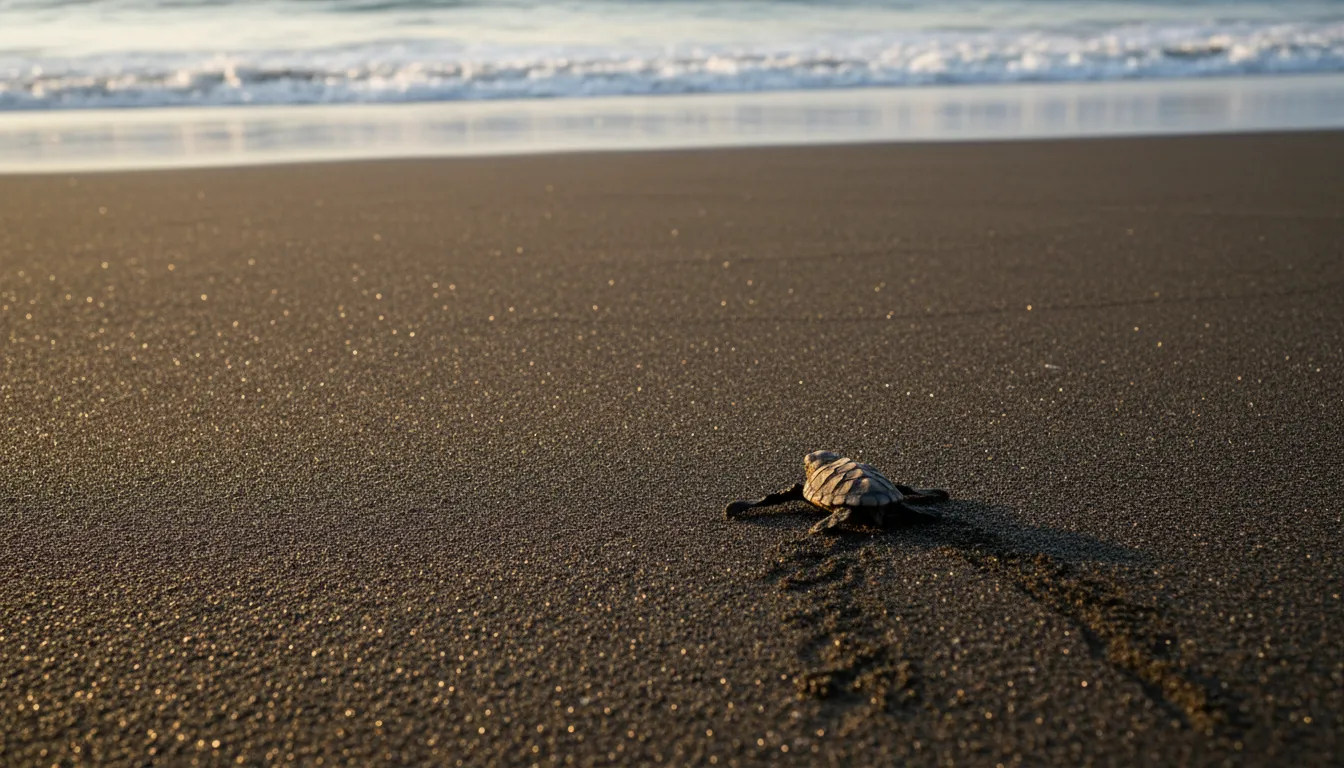
Watching baby sea turtles make their maiden voyage to the Pacific is a bucket-list moment, and Jaco-area conservation efforts often host release events that’ll wreck you emotionally in the best possible way. Picture this: dozens of tiny olive ridley or leatherback hatchlings, each barely larger than your palm, scrambling determinedly toward waves that tower over them like skyscrapers. It’s nature at its most vulnerable and most fierce.
These aren’t always “festivals” in the traditional sense with balloons and vendors. Instead, community-supported releases are deeply moving, carefully orchestrated conservation moments. They’re typically timed with hatching seasons—peak activity runs July through October for olive ridleys, with leatherbacks arriving October through March. Local groups like Costasur patrol beaches, protect nests from poachers and predators, and then invite community members to witness releases. Some events happen at sunrise to minimize predator exposure; others occur after sunset using red-filtered lights that don’t disorient hatchlings.
Safety first: always follow the guidance of local conservationists to ensure minimal disturbance to these precious creatures. This means no flash photography, no touching (those little hands, parents—we see you), and maintaining a respectful distance. Kids are welcome, but this is an educational moment, not a petting zoo. The conservationists running these releases have devoted years to protecting these endangered species; respecting their protocols isn’t optional. Many releases are free, though donations directly support nest protection programs. Check with Hermosa Beach Turtle Patrol or ask at eco-lodges for upcoming schedules.
Rainforest Rhythms: Jungle Festivals and Conservation Concerts
Sometimes the rainforest itself becomes the venue, and that’s when Jaco’s eco-celebrations reach peak magic. Look for smaller, more intimate festivals that celebrate the jungle’s biodiversity with local music, sustainable crafts, and educational workshops—think acoustic guitarists performing under canopy cover while sloths presumably judge from above. These events often pop up near Carara National Park or in private reserves that open their trails for special occasions.
These gatherings often highlight indigenous culture and the importance of conservation, offering a deeper dive into Costa Rica’s eco-conscious spirit than your average tourist attraction. You might find Maleku artisans demonstrating traditional weaving, biologists leading night hikes to spot glass frogs, or local musicians blending marimba rhythms with environmental messaging. The February Carara Bird Festival (when it happens—again, check current schedules) combines guided birding with cultural performances, creating this beautifully weird fusion of ornithology and celebration.
What makes these jungle festivals remarkable is their scale—or lack thereof. You’re not fighting crowds of cruise ship passengers; you’re joining maybe 50-100 people who actively chose to spend their Saturday learning about poison dart frog conservation instead of day-drinking at the beach. The intimacy allows for actual conversations with researchers, artists, and local families. Plus, the acoustics of performing in a rainforest are genuinely incredible. Nature provides the reverb.
Eco-Adventures & Local Impact: Festivals with a Purpose
Many Jaco eco-events are driven by local NGOs and community groups, meaning your participation directly supports conservation efforts. It’s not just a party; it’s planet preservation with a Pura Vida twist and probably better snacks than you’d expect. The monthly beach clean-ups organized by Adopt-A-Beach Jaco, for instance, typically end with participants sharing picnic lunches and cold Imperials while comparing the weirdest trash they found (single flip-flops always win).
These can range from those beach clean-up days that turn into festive gatherings to educational fairs promoting sustainable living. The annual Ocean Festival (typically March, but confirm) features workshops on plastic reduction, local eco-businesses showcasing products, and kids’ activities focused on marine conservation. They’re excellent for families looking to instill eco-responsibility in their kids while having fun—nothing says “teachable moment” like a seven-year-old discovering a hermit crab using a bottle cap as a shell.
Digital nomads appreciate these events too, oddly enough. They’re social opportunities that don’t revolve around alcohol, they happen during daylight hours when you’re procrastinating anyway, and they provide genuine local connection. Plus, “participated in sea turtle conservation” sounds significantly better in your Instagram bio than “worked from another beachfront café.” The festivals with purpose tend to be free or donation-based, with proceeds funding everything from mangrove restoration to environmental education in local schools. Your few dollars or hours of volunteering create tangible impact, which feels considerably better than another resort all-inclusive bracelet.
Frequently Asked Questions
Are Jaco’s nature festivals suitable for young children and families?
Absolutely, with reasonable expectations. Sea turtle releases are particularly magical for kids, though you’ll need to manage excitement levels—shrieking scares hatchlings. Most events welcome children and include educational components designed for younger audiences. Bring sun protection, snacks (events rarely have food vendors), and realistic timeframes. A five-year-old might lose interest halfway through a three-hour birding walk, and that’s fine. Many festivals have shorter family-friendly options or allow you to participate at your own pace. Conservation groups genuinely want to inspire the next generation, so kids asking questions are encouraged, not tolerated.
How do I find out the exact dates and locations for upcoming eco-events in Jaco?
This requires actual groundwork, not just Google searches. Join Facebook groups like “Jaco Birding Community” or “Jaco Beach Clean Up” before your visit. Follow local conservation organizations on Instagram—they post event updates more reliably than official tourism sites. Once you’re in town, ask at eco-tour operators, organic markets, or your vacation rental host (we always share current happenings with JBZ guests). Hotel concierges at eco-lodges are also plugged in. WhatsApp groups are how locals actually communicate event details, so don’t be shy about asking to be added to relevant threads. The informal network beats official calendars every time.
What should I bring or wear for a nature festival in Jaco?
Practical beats Instagram-worthy every time. Closed-toe shoes with good tread for rainforest events, reef-safe sunscreen (Costa Rica takes this seriously), insect repellent, reusable water bottle, and a small backpack. Mornings can be cool; afternoons roast you—layers work. For turtle releases, dark clothing helps you blend into the background. Binoculars for bird events are essential unless you enjoy squinting at distant blurs. Bring a headlamp with red-light option for nighttime activities. Leave the fancy camera gear unless you know how to use it without flash—smartphones in airplane mode work fine. Most importantly: bring genuine curiosity and patience. Wildlife operates on its schedule, not yours.
Are there any costs associated with attending Jaco’s wildlife festivals or turtle releases?
Most community-organized events are free or donation-based, though conservation groups genuinely appreciate contributions. Turtle releases rarely charge admission, but a $10-20 donation directly supports nest protection programs and beach patrols. Birding walks might request $5-15 to cover guide expenses. Larger festivals sometimes charge nominal entry ($5-10) to fund operations. Private eco-tour companies offer premium experiences at higher prices ($50-100), which include transportation and expert guides. Here’s the thing: if an event is truly free, bring cash to donate anyway. These organizations run on volunteer labor and minimal budgets; your contribution literally means more protected nests or extended patrol hours.
Can digital nomads find workspaces or good Wi-Fi at these outdoor events?
Not even remotely, and that’s the point. These festivals happen in rainforests, on beaches, and in mangrove areas where cell service is spotty at best. Embrace the digital detox. That said, most events run mornings or early afternoons, leaving plenty of workday remaining. Many digital nomads in Jaco structure their schedules around these experiences—work intensively for a few days, then take Wednesday morning for a turtle release. Our place at Jaco Beach Zen has reliable Wi-Fi for when you return, slightly sandy and definitely inspired. If you absolutely must stay connected, events near town generally have better cell coverage than those deep in national parks, but seriously, close the laptop for a few hours.
What are the best times of year to visit Jaco for wildlife viewing combined with festival attendance?
March through May hits the sweet spot: sea turtle nesting season begins, bird migration peaks, and dry season weather keeps events from getting rained out. September through November offers another excellent window with active turtle hatching and the start of green season (fewer crowds, lusher landscapes). December’s Christmas Bird Count combines wildlife viewing with festive local energy. Honestly, wildlife doesn’t take vacations—something interesting happens year-round. Rainy season (May-November) means afternoon showers but also means dramatic cloud forests and fewer tourists competing for binoculars. Just avoid expecting specific events on specific dates; Costa Rica rewards flexibility.
How can I ensure I’m respectfully enjoying wildlife festivals without disturbing the animals?
Follow organizer instructions without negotiating. When conservationists say “no flash photography,” they mean it—camera flashes can disorient nesting turtles or stress birds. Maintain requested distances; your zoom lens exists for a reason. Keep voices low during wildlife observation. Don’t touch, feed, or attempt to redirect animals for better photos. If you brought children, brief them beforehand on expectations. Respect barriers and closed areas—they’re protecting nesting sites or sensitive habitats. Ask questions, but choose appropriate moments (not mid-release). If something feels intrusive or circus-like, it probably is; genuine conservation events prioritize animal welfare over visitor entertainment. When in doubt, observe how locals behave and match their energy.
Bahía Azul, unit 7C sits right on this stretch of sand — on the quiet south end of Jacó, a few hundred feet from the water.
Book on Airbnb