Most folks arrive in Jaco chasing the perfect wave, and honestly, we can’t blame them. But here’s the thing nobody tells you until you’ve lived here a while: the real show often happens beneath those waves, not on top of them. While surfers carve up our legendary breaks, humpback whales cruise past offshore, dolphins perform their daily aerobatics, and sea turtles navigate ancient routes to our beaches. Sure, Jaco’s surfing scene is world-class, but our marine life? That’s the plot twist that keeps people coming back. And the best part? You don’t need scuba certification or a marine biology degree to witness it—just curiosity and decent timing.
Jaco’s Underwater Scene: It’s More Than Just Surfing
Let’s clear something up right away: Jaco Beach sits at the edge of a vibrant Pacific ecosystem that doesn’t care one bit about our surf reputation. While those consistent swells draw wave-riders from across the globe, they’re also stirring up nutrients that fuel an entire food chain, from microscopic plankton to apex predators passing through our waters.
The coastal shelf here drops off relatively quickly, creating natural highways for larger marine species. Meanwhile, the river estuaries mixing with ocean water create brackish zones where juvenile fish find nurseries, and wading birds feast at low tide. It’s not the Great Barrier Reef—our waters are too dynamic and sometimes too murky for that—but it’s a working ocean environment where nature gets messy and magnificent in equal measure.
What surprises most visitors is the sheer variety. One morning you might spot a massive manta ray gliding past the surf break. By afternoon, a pod of dolphins could be bow-riding fishing boats heading back to Los Sueños. Come evening, sea turtles are surfacing for air between waves. This isn’t a carefully curated aquarium experience; it’s wild, unpredictable, and absolutely worth paying attention to.
Whale of a Time: Jaco’s Humpback Highway
Twice a year, the Pacific Ocean off Jaco transforms into a VIP lane for one of nature’s most spectacular migrations. Humpback whales, those 40-ton ocean nomads, pass through our waters in numbers that still make locals pause and stare—even those of us who’ve seen it dozens of times.
The northern population arrives between December and March, escaping chilly Alaskan waters for Costa Rica’s warmer breeding grounds. Then, as if one whale season wasn’t generous enough, the southern hemisphere population shows up from August to October, having traveled from Antarctica. This overlap means Jaco enjoys some of the longest whale-watching seasons in the world—roughly seven months when these gentle giants might appear at any moment.
The action peaks during calm mornings when visibility extends for miles. Watch for “blows”—those distinctive spouts of mist when whales surface to breathe. If you’re lucky (and patient), you’ll witness breaching, when a 40-ton whale launches itself almost entirely out of the water in a display that defies physics and common sense. Nobody knows exactly why they breach—showing off, communication, parasite removal—but honestly, does it matter? It’s magnificent.
Most dedicated whale-watching tours launch from the Los Sueños marina in nearby Playa Herradura, where experienced captains know the whales’ preferred routes and can position boats for optimal (and respectful) viewing. These tours follow strict guidelines, maintaining proper distances so as not to disturb the animals. But here’s an insider secret: on exceptionally clear days, you can occasionally spot whale activity right from shore, especially from elevated vantage points. Yes, that includes your private balcony at Jaco Beach Zen—we’ve had guests spot spouts while sipping morning coffee, proving that sometimes the best wildlife encounters require nothing more than good timing and a decent view.
Dolphin Delights: Our Year-Round Residents
Unlike their migratory whale cousins who merely pass through, dolphins have made Jaco’s offshore waters something closer to a permanent address. Bottlenose dolphins are the most common locals, though you’ll occasionally spot spinner dolphins and even the larger Pacific white-sided dolphins if you’re paying attention.
These aren’t shy creatures. Pods of 10 to 30 individuals regularly cruise just beyond the surf break, their dorsal fins cutting through the water in synchronized patterns that look almost choreographed. Mornings seem to be their favorite performance time, when fishing boats head out and dolphins see an opportunity for both entertainment and an easy breakfast—they’re smart enough to know fishermen attract baitfish.
Watch long enough and you’ll likely witness behaviors that remind you just how intelligent these animals are: cooperative hunting where they herd fish into tight balls, mothers teaching calves to surf waves (yes, seriously), and social interactions that look suspiciously like play. Because it is play. Dolphins are ocean nerds who genuinely seem to enjoy showing off.
Boat excursions dramatically increase your odds of close encounters, but respect is non-negotiable. Responsible operators maintain appropriate distances and never chase or encircle pods. The dolphins often approach boats out of curiosity anyway—they’re as interested in us as we are in them. For families, these encounters create the kind of memories that outlast any souvenir: the moment your kid realizes that wild dolphin is making eye contact, intelligent and aware.
Snorkeling and Beyond: Where to Find the Fish (and Avoid the Murk)
Let’s be honest: Jaco’s main beach isn’t winning any awards for snorkeling clarity. The combination of river sediment, wave action, and volcanic sand creates water that’s more “adventurous” than “crystal clear.” You can snorkel here, sure, but visibility often maxes out around 10 feet on a good day, and you’ll mostly encounter hardy surf fish rather than tropical reef species.
For proper snorkeling—the kind with coral gardens and Technicolor fish—you need to venture slightly farther. Tortuga Island excursions remain the gold standard, taking you to protected waters where visibility reaches 40+ feet and the marine life actually cooperates by being visible. The coral formations here host parrotfish, angelfish, pufferfish, and occasionally eagle rays cruising past like they own the place (which, fair point, they do).
Closer to home, Playa Blanca offers decent snorkeling when conditions align—typically during dry season mornings before winds pick up. The rocky areas shelter small reef fish, octopuses hiding in crevices, and the occasional green sea turtle grazing on algae. It’s not the Maldives, but it’s accessible and often overlooked by tourists chasing more famous spots.
Pro tip for snorkelers: Costa Rica’s sun doesn’t mess around, and water reflects UV rays with enthusiasm. Reef-safe sunscreen is both an environmental imperative and a painful-sunburn prevention strategy. Reapply often, especially on your back and backs of legs—areas you forget about until you try to sleep that night.
Sea Turtle Sentinels: Guarding Our Coastal Nesting Grounds
Every year between June and October, female sea turtles—creatures that have been making this same journey for literally millions of years—haul themselves up Jaco’s beaches to nest. Olive Ridley turtles are the most common visitors, though you’ll occasionally see Leatherbacks and Green turtles as well. These ancient mariners navigate thousands of miles using Earth’s magnetic field as their GPS, returning to the same beaches where they themselves hatched decades earlier.
Watching a sea turtle nest is simultaneously beautiful and exhausting—for the turtle, anyway. She drags herself up the beach, digs a chamber with her rear flippers, deposits 80-120 eggs, camouflages the nest, and then makes the arduous crawl back to the ocean. The entire process takes 1-2 hours of tremendous effort. Roughly 60 days later, those eggs hatch, and suddenly hundreds of tiny turtles emerge and scramble toward the ocean in what might be nature’s most anxiety-inducing footrace.
Playa Hermosa Wildlife Refuge, just minutes south of Jaco, serves as one of Costa Rica’s most important nesting sites. Responsible sea turtle tours operate here during nesting season, led by guides trained to minimize disturbance while maximizing your chances of witnessing this phenomenon. These aren’t casual beach strolls—tours follow strict protocols including no flashlights (red lights only), maintaining proper distances, and absolute silence when turtles are nesting.
The conservation stakes are real. Sea turtles face threats from poaching, habitat loss, fishing nets, and plastic pollution. Every tour you book with accredited operators directly funds protection efforts—nest patrols, hatchery programs, and education initiatives. Your tourism dollars quite literally help baby turtles make it to the ocean.
Tide Pool Treasures: A Closer Look at Coastal Critters
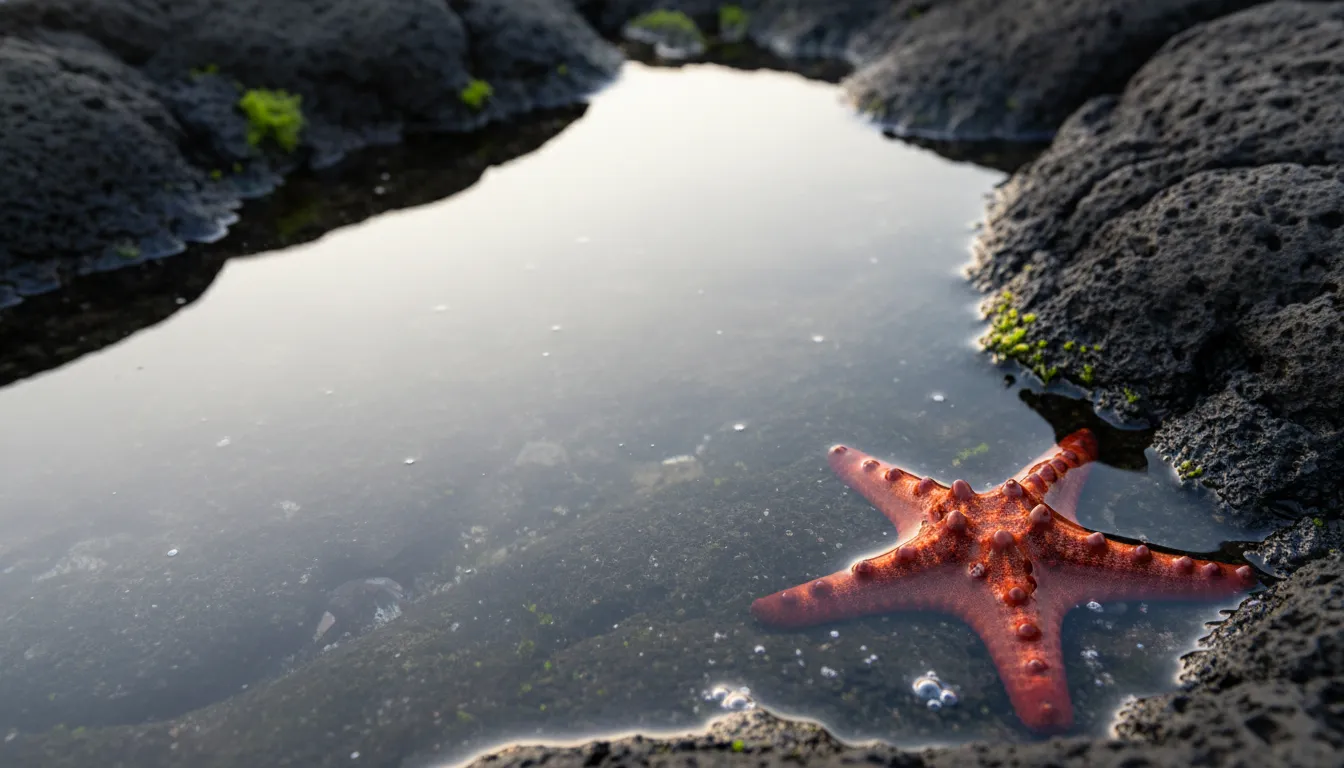
When the Pacific tide retreats twice daily, it reveals something most visitors overlook: Jaco’s rocky shoreline transforms into dozens of miniature ecosystems trapped in tidal depressions. These tide pools might lack the drama of whale watching, but they offer something arguably more valuable—accessible, up-close encounters with marine life that doesn’t require boats or guides.
Crouch down and you’ll spot surprising diversity in these temporary aquariums. Hermit crabs skitter between rocks, upgrading shells like they’re apartment hunting. Sea anemones wave their tentacles, looking decorative until small fish brush against them and discover those tentacles pack a stunning punch. Starfish cling to rocks in colors ranging from burgundy to bright orange. Tiny fish dart through shallow water, while shore crabs perform their sideways shuffle across algae-covered stones.
The best tide pooling happens during morning low tides, when pools are freshly replenished and creatures are most active. Check tide charts before heading out—this isn’t an all-day activity window. Come prepared with sturdy water shoes (flip-flops are a twisted-ankle waiting to happen), and consider bringing a small bucket for temporary observation. The golden rule: look, admire, photograph, but return everything exactly where you found it. These are fragile ecosystems where even small disruptions can prove fatal to organisms adapted to very specific conditions.
For families, tide pools offer an unbeatable combination: free entertainment, education disguised as exploration, and marine life that doesn’t swim away when kids approach. Just supervise younger children carefully—those rocks are genuinely slippery, and tide pools, while shallow, can hide sharp edges.
Frequently Asked Questions
Can you see marine life from Jaco Beach without a tour?
Absolutely. Dolphins frequently cruise past the surf break, visible from shore, especially during morning hours. During whale season, patient observers spot spouts and occasional breaches from the beach, though tours obviously improve your odds. Tide pools require nothing but decent timing and low tide. The beach itself hosts wading birds, pelicans, and frigatebirds daily. While tours access remote areas and increase encounter probabilities, Jaco’s marine life doesn’t always require a ticket—just attention and good timing.
What are the best months for whale watching near Jaco?
Jaco enjoys dual whale seasons: August through October when southern hemisphere humpbacks arrive from Antarctica, and December through March when northern populations migrate from Alaska. Peak activity typically occurs in September and February when populations overlap and breeding behaviors intensify. Book tours during these windows for optimal sightings, though whales don’t follow strict schedules—early or late season trips still offer solid chances. Calm mornings provide best visibility regardless of month.
Is it safe to swim with dolphins or sea turtles in Jaco?
Safe for you? Generally yes. Safe for them? That’s the real question. Costa Rican law prohibits deliberately swimming with or touching marine wildlife—regulations designed to protect animals from stress and harassment. Dolphins occasionally approach swimmers or surfers out of curiosity, and that’s fine. But chasing them isn’t. Same with sea turtles: observe from respectful distances, never touch, and absolutely never ride them (yes, people try this—don’t be that person). Responsible tour operators know and follow these rules.
Where are the best snorkeling spots close to Jaco Beach?
Jaco’s main beach offers limited visibility due to wave action and sediment. For quality snorkeling, head to Tortuga Island via organized tours—crystal-clear water and vibrant reefs justify the trip. Playa Blanca, north of Jaco, provides decent snorkeling during calm conditions, with rocky areas sheltering reef fish and occasional turtles. Manuel Antonio National Park, about an hour south, offers excellent snorkeling at protected beaches. Local dive shops can recommend current conditions and lesser-known spots depending on season and recent weather.
Are there any marine conservation efforts in Jaco I can support?
Several organizations work locally to protect marine ecosystems. Playa Hermosa Wildlife Refuge runs sea turtle conservation programs funded partially through responsible tourism. Book tours through accredited operators who contribute to these efforts. Practice reef-safe sunscreen use—chemical sunscreens devastate coral and harm marine life. Participate in beach cleanups organized by local groups. When purchasing seafood, choose establishments serving sustainably caught fish. Even small actions—refusing plastic straws, properly disposing of trash—contribute to healthier oceans.
What kind of marine animals will I definitely see during my trip?
Honestly? “Definitely” is tricky with wildlife, but pelicans and frigatebirds are near-certain daily sightings, diving for fish just offshore. Hermit crabs and small fish populate tide pools reliably. Beyond that, it’s about timing and luck. Visit during whale season and your odds are excellent. Dolphins appear frequently but not predictably. Sea turtles depend on nesting season. The ocean doesn’t run on a schedule, which is precisely what makes encounters special. Come with hope, not expectations.
Are Jaco’s tide pools safe for kids to explore?
Yes, with proper supervision and precautions. The pools themselves are shallow and host no dangerous animals—no venomous creatures or aggressive species. However, rocks are genuinely slippery, edges can be sharp, and waves occasionally wash over lower pools during incoming tides. Equip kids with water shoes, establish boundaries about how close to the ocean they can go, and actively supervise younger children. It’s similar risk-level to playground equipment: reasonable with attention, problematic without it. Morning low tides offer safest conditions.
Bahía Azul, unit 7C sits right on this stretch of sand — on the quiet south end of Jacó, a few hundred feet from the water.
Book on Airbnb