Beyond the Beach: Jaco’s Wildlife Conservation Projects (and How You Can Join the Mission)
Jaco’s reputation as a surf-and-party town often overshadows its quieter, wilder side—a thriving ecosystem that stretches from Pacific tide pools to misty rainforest ridges. But here’s the thing: this biodiversity hotspot faces constant pressure from development, climate shifts, and human impact. The good news? A dedicated network of local conservationists, biologists, and passionate volunteers are fighting back, one turtle nest, one macaw chick, and one beach clean-up at a time. Whether you’re traveling with curious kids, seeking adventure beyond the break, or looking to balance remote work with meaningful impact, Jaco’s conservation scene offers surprisingly accessible ways to contribute. This isn’t eco-tourism theater—it’s real, boots-on-the-ground work that welcomes extra hands and open hearts.
More Than Just Sunsets: Understanding Jaco’s Urgent Conservation Scene
Jaco sits at a critical junction where coastal development meets untamed nature. The town’s prime Pacific real estate makes it a magnet for tourists and builders alike, but this same coastline hosts nesting sea turtles, while the surrounding hills shelter monkeys, sloths, and a rainbow of bird species. This proximity creates both opportunity and tension—every new hotel or road potentially fragments habitats and disrupts wildlife corridors.
Local conservation groups navigate this delicate balance daily, working with developers, educating visitors, and protecting critical zones. Understanding these dynamics transforms you from casual beachgoer to conscious participant. The rainforest creeping down to meet the ocean isn’t just scenic backdrop; it’s a functioning ecosystem under pressure, and the organizations defending it operate on shoestring budgets and volunteer energy.
What makes Jaco’s conservation scene different is its accessibility. You don’t need specialized training or week-long commitments—many projects welcome anyone willing to show up with sunscreen and good intentions. This democratization of conservation work means your family vacation or digital nomad month can include genuine environmental impact without derailing your plans.
Flipper-First Fighters: Jaco Beach’s Sea Turtle Conservation Squads
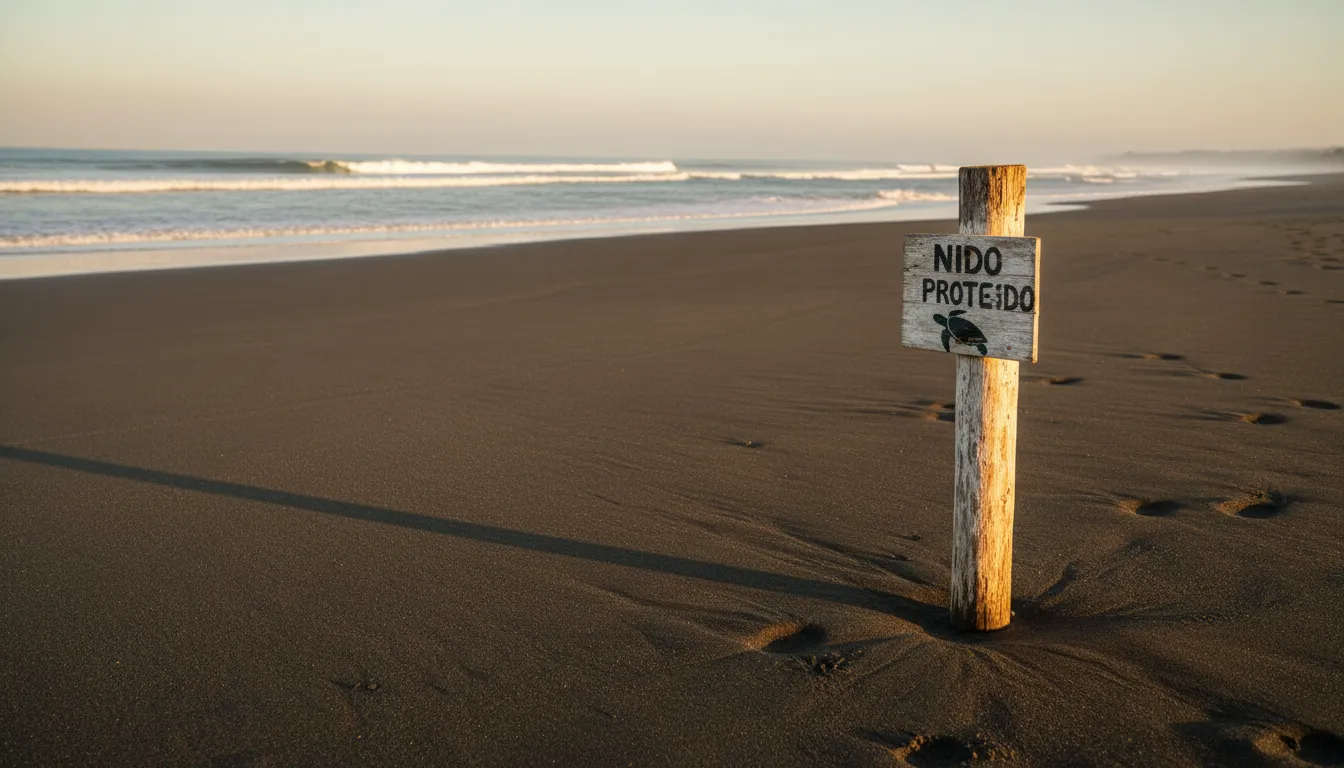
Just fifteen minutes south at Playa Hermosa, ASOPLAYA Hermosa runs one of the region’s most critical sea turtle protection programs. From May through November, olive ridley and occasional leatherback turtles lumber ashore under cover of darkness to lay their eggs. Without intervention, these nests face threats from poachers seeking eggs for black market sale, natural predators like coatis, and increasingly, coastal erosion and artificial lighting that disorients hatchlings.
Volunteering with the turtle patrols means joining nighttime beach walks where you’ll learn to identify tracks, assist with measuring nesting females, and help relocate eggs to protected hatcheries when necessary. The work requires quiet patience and respect for wildlife—no flash photography or loud celebrations—but witnessing a mother turtle laboriously digging her nest or watching dozens of hatchlings scramble toward the surf creates memories that outlast any sunset selfie.
For families, many organizations offer guided release events where kids can participate in sending baby turtles oceanward, a powerful lesson in stewardship. Digital nomads often find turtle patrol shifts make perfect evening activities—swap your laptop screen for star-filled skies and the primordial rhythm of waves. From Jaco Beach Zen, Playa Hermosa is close enough for an easy evening trip, letting you return to hear those same waves from your balcony after a night protecting the next generation.
A Rainbow in the Sky: Bringing Back the Scarlet Macaws
That raucous squawking overhead isn’t background noise—it’s a conservation success story taking flight. Scarlet macaws nearly disappeared from this region decades ago due to habitat loss and illegal pet trade, but targeted breeding and protection programs have staged a remarkable comeback. Today, spotting these crimson-and-blue beauties flying in monogamous pairs (they mate for life, the romantics) has become a regular Jaco occurrence.
Conservation efforts focus on protecting natural nesting cavities in old-growth trees and installing artificial nest boxes where suitable trees are scarce. Education programs teach locals and visitors why feeding or approaching wild macaws damages their survival skills and encourages dependence. These birds need to remain wild and wary to thrive.
Your best viewing opportunities come at dawn and dusk when macaws commute between feeding areas and roosting sites. Jaco Beach Zen’s location, slightly removed from the main tourist strip, means quieter mornings often bring macaw flyovers—grab your coffee and binoculars. Listen for their distinctive calls, a harsh “raak-raak” that carries across the canopy. Respect viewing distance and never offer food, no matter how photogenic the opportunity seems.
From Crisis to Care: Wildlife Rescue Centers Near Jaco
Not every wildlife story has a happy middle. When monkeys are hit by cars, sloths are displaced by construction, or baby animals are orphaned, rescue centers like Neo Fauna provide critical emergency care and rehabilitation. These facilities operate as wildlife hospitals, employing veterinarians and trained caregivers who work toward one goal: returning healthy animals to their natural habitats.
Visiting a rescue center offers radically different experiences than zoo-style attractions. Enclosures prioritize animal welfare over visitor spectacle, and the staff’s passion for their charges shines through every feeding demonstration and rehabilitation update. Your entrance fee directly funds medical supplies, specialized diets, and facility maintenance—this is impact tourism where money flows straight to conservation outcomes.
For families, these visits provide age-appropriate education about human-wildlife conflict and the consequences of habitat destruction. Kids see firsthand why keeping wild animals as pets causes suffering and learn about the specialized care required for rehabilitation. It’s eye-opening without being traumatizing, and most centers offer guided tours that explain their work with both honesty and hope.
Get Your Hands Dirty: Beach Clean-ups and Reforestation Efforts
Want immediate, tangible impact? Jaco’s regular beach clean-ups transform volunteers into visible environmental heroes. Organizations like Jaco Impact and ASOPLAYA Hermosa coordinate group efforts, providing gloves and collection bags while fostering community spirit. You’ll pull plastic bottles from tidelines, disentangle fishing line from driftwood, and discover just how much debris accumulates between tourist visits.
These events typically happen weekend mornings and welcome all ages and fitness levels. You’ll work alongside local families, expat residents, and fellow travelers—conversations flow easily when everyone’s united behind picking up someone else’s mess. The immediate before-and-after transformation provides satisfying visual proof of your effort, perfect for those who doubt whether individual actions matter.
Beyond beaches, reforestation projects tackle erosion in Jaco’s surrounding hills while creating wildlife corridors that connect fragmented habitats. Tree-planting events occur less frequently but offer deeper engagement with land restoration. Some hotels organize quarterly plantings, while community groups coordinate larger efforts around environmental holidays. These projects require more physical exertion—hauling saplings uphill in tropical heat isn’t trivial—but participants often describe them as profoundly rewarding. Check community boards at local cafes or ask at your accommodation about upcoming events.
Educate and Empower: Jaco’s Eco-Learning Opportunities
Conservation isn’t just fieldwork—it requires cultural shifts powered by education. Jaco hosts various learning initiatives throughout the year, from recycling art workshops that transform beach plastic into creative projects to informational fairs on Earth Day and International Surfing Day. These events connect environmental protection with local culture, showing how conservation and community wellbeing intertwine.
The local Biblioteca (library) sometimes serves as a hub for environmental education, offering resources and hosting speakers. While programming varies, checking their schedule during your visit might reveal workshops on sustainable living, presentations about local ecology, or film screenings about conservation challenges. These quieter opportunities suit families with younger children or those seeking air-conditioned respite with purpose.
Even brief engagement with educational programs shifts perspective. Learning about Jaco’s watershed management or coral reef health transforms your beach time from passive consumption to informed appreciation. For digital nomads spending extended time here, deeper involvement with these programs provides community connection and purpose beyond work deadlines—your marketing skills or design talents might even support local groups’ outreach efforts.
Frequently Asked Questions
What are the best times of year to volunteer for sea turtle conservation in Jaco?
Sea turtle nesting season runs from May through November, with peak activity typically July through September. Olive ridley turtles dominate these months, though occasional leatherbacks appear. Volunteer shifts usually start at dusk and can extend past midnight, so plan accordingly. Contact ASOPLAYA Hermosa directly or through their Facebook page to arrange participation—advance notice helps them schedule properly. Remember that nesting depends on natural cycles, so patience and flexibility matter more than guaranteed sightings.
Are there any monkey sanctuaries near Jaco where I can volunteer or visit?
Jaco doesn’t have traditional monkey sanctuaries, but wildlife rescue centers like Neo Fauna care for orphaned or injured monkeys alongside other species. True sanctuaries focus on non-releasable animals, while rescue centers prioritize rehabilitation and release. Visiting these facilities supports their work financially, though hands-on volunteering typically requires longer commitments and specific skills. For casual interaction, responsible wildlife tours through nearby national parks offer ethical viewing of wild monkey troops in natural habitats—always the preferred option over captive settings.
How can my family participate in a beach clean-up or reforestation project while on vacation in Jaco?
Beach clean-ups happen regularly, often Saturday mornings, organized by groups like Jaco Impact. Check their social media pages or ask at eco-conscious businesses about upcoming events—many post flyers at popular cafes. No advance registration usually required; just show up with sunscreen and water. Reforestation projects occur less frequently, often tied to environmental awareness days. Hotels and surf shops sometimes know about upcoming plantings. Even impromptu clean-ups work—grab a bag during your beach walk and collect visible trash. Every piece removed matters.
What kind of animals do the wildlife rescue centers in Jaco typically help?
Rescue centers primarily treat monkeys (especially howlers and capuchins), sloths, various bird species including toucans and parrots, raccoons, coatis, and occasionally reptiles like iguanas. Cases range from vehicle strikes and electrocutions to orphaned babies whose mothers were killed. Some centers also handle injured sea turtles before transferring them to specialized marine facilities. The mix changes seasonally and with development patterns—construction booms often increase displacement cases. Each animal receives individualized care plans aimed at eventual wild release when possible.
Is it safe to get involved with conservation projects in Jaco, especially for solo travelers or families?
Reputable organizations prioritize safety through proper training and supervision. Beach patrols happen in groups with experienced leaders, and physical risks remain minimal beyond typical beach hazards. Rescue center visits are controlled environments with professional staff. Reforestation work involves more physical exertion but suits reasonably fit participants. Solo travelers should verify organizations through official channels or trusted local sources—stick with established groups rather than informal arrangements. Families can safely participate in most activities, though nighttime turtle patrols work better for older children who can handle late hours quietly.
Are there opportunities for digital nomads to offer their skills (e.g., marketing, web design) to Jaco’s conservation groups?
Absolutely. Most conservation groups operate on minimal budgets and desperately need professional skills they can’t afford to hire. Marketing expertise, social media management, graphic design, website development, grant writing, and photography all provide tremendous value. Contact organizations directly to discuss how your specific skills might help—many welcome remote contributions that fit nomad schedules. This skills-based volunteering often creates deeper impact than physical labor while building meaningful local connections. Just ensure you can commit to deadlines; these groups depend on volunteer follow-through.
What’s the best way to ensure my tourism money supports legitimate conservation efforts in Jaco?
Research organizations before contributing—look for transparent operations with clear mission statements and visible community ties. Established groups like ASOPLAYA Hermosa have track records and local recognition. Be skeptical of anyone offering hands-on interaction with wild animals for fees; legitimate rescue work prioritizes animal welfare over tourist experiences. Ask locals for recommendations, and favor organizations that emphasize education and habitat protection over animal entertainment. Direct donations to recognized groups outweigh tourist activities marketed as “eco,” and entrance fees at actual rescue centers fund real conservation work. Trust your instincts—if something feels exploitative, it probably is.
Bahía Azul, unit 7C sits right on this stretch of sand — on the quiet south end of Jacó, a few hundred feet from the water.
Book on Airbnb