Jaco Jungle Adventures: Your Wild Side, Our Backyard (Seriously, It’s Close)
Let’s get one thing straight: when you stay in Jaco, you’re not choosing between beach and jungle. You get both, often on the same day, sometimes from the same balcony. While everyone else is planning elaborate expeditions to distant rainforests, you’re literally minutes from some of Costa Rica’s most accessible wildlife encounters. We’ve spent enough mornings watching toucans from our coffee cups and enough afternoons hiking trails just up the road to know—Jaco’s jungle adventures aren’t some distant attraction. They’re basically your neighbors. The howler monkeys certainly act like it, especially around dawn. But unlike actual neighbors, these ones are worth waking up for. Here’s everything you need to know about exploring the green chaos that surrounds this beach town, from the comfort of someone who’s actually done it all (multiple times, often with visiting relatives in tow).
Beyond the Beach: Why Jaco’s ‘Green Season’ is the Real Adventure Season
Here’s a secret that tour operators won’t advertise loudly: the so-called “rainy season” (May through November) is when Jaco’s jungle absolutely detonates with life. Forget the doom-and-gloom forecasts—yes, it rains, but usually in predictable afternoon bursts that leave mornings crystal clear and perfectly timed for wildlife spotting. The jungle transforms into something out of a nature documentary, dripping with vibrant greens that make the dry season look positively parched by comparison.
More importantly, you’ll have the trails largely to yourself. While peak season brings crowds that spook animals into deeper cover, green season means intimate encounters with wildlife that haven’t retreated from human chatter. The symphony of the rainforest—actual frog choruses, not just tourist groups—becomes the dominant soundtrack. Rivers run fuller, waterfalls actually fall with impressive force, and every plant seems determined to prove it can grow three feet overnight.
The practical upside? Tour prices drop, guides have more availability for personalized experiences, and you can actually take that perfect sloth photo without seventeen other cameras in the frame. We’ve done jungle hikes in both seasons, and while dry season has its appeal, there’s something magical about experiencing the rainforest when it’s actually doing its rain thing. Just pack a decent rain jacket and embrace it.
Monkey Business & More: Who You’ll Meet in the Canopy (and How to Spot Them)
Jaco’s monkey population doesn’t read guidebooks about where they’re “supposed” to be. White-faced Capuchins regularly parade through town like they own the place (they kind of do), often traveling in troops of 20 or more, checking out balconies and generally looking for snack opportunities. They’re the acrobats of the group—entertaining, clever, and absolutely not to be fed, no matter how adorable their tiny hands look reaching toward your banana.
Howler monkeys announce themselves with a prehistoric roar that sounds like a jaguar having an existential crisis. They’re actually the mellow ones, moving slowly through the canopy and munching leaves like they’ve got nowhere to be. Early morning is prime howler time, though “early” is relative—they’ll often sound off around 5 AM, serving as Jaco’s most effective (and loudest) alarm clock. You’ll find them in the trees around Jaco Beach Zen and throughout the coastal forest, usually higher up than you’d expect.
For the real magic, though, you need a local guide who knows the animals’ patterns. Our favorite operators—the ones we actually recommend to visiting family—know which trees the spider monkeys favor, where sloths tend to hang (literally), and the optimal times for spotting Scarlet Macaws flying their daily routes. These aren’t random encounters; experienced guides read the jungle like a schedule. That toucan calling from a specific tree? Probably has a nest nearby. Fresh monkey droppings on the trail? The troop passed through within the hour.
Contrary to popular belief, you don’t have to sacrifice sleep for wildlife. While dawn offers excellent opportunities, many animals remain active throughout the day, especially if you know the microclimates and feeding patterns. Sloths, in particular, couldn’t care less about your schedule—they’ll be hanging in the same tree at 2 PM as they were at 7 AM, possibly in the exact same position.
Lace Up for Lush: Hiking Jaco’s Rainforest Trails (No Bear Spray Required)
Carara National Park, about 20 minutes north of Jaco, is where casual hikers and serious trekkers find common ground. The main trails—Quebrada Bonita and Las Aráceas—are well-maintained loops that won’t destroy your knees but will absolutely deliver on wildlife encounters. We’ve walked these trails dozens of times and still see something new each visit. The key is going early (actual dawn, not tourist dawn) when animals are most active and the heat hasn’t turned the jungle into a sauna.
Beyond Carara’s official trails, local guides know paths that barely make it onto maps. These hidden routes lead to waterfalls that actually flow year-round, viewpoints overlooking the coastal forest canopy, and swimming holes where you’re more likely to encounter an iguana than another human. Some require moderate scrambling over roots and rocks; others are gentle enough for reasonably fit retirees. The difference between a tourist trail and a local’s trail? Tour groups don’t know about the second one, which means the wildlife hasn’t learned to avoid it.
What to pack: bug spray (DEET-based, don’t play around with the natural stuff here), lightweight long sleeves for mosquito protection, solid hiking shoes with actual grip, and more water than you think you need. What to leave behind: your expectations of cell service (embrace it), white clothing (the jungle will tie-dye it red with mud), and any illusions about staying perfectly dry. You’ll sweat. The jungle is humid. Accept it and move on. A small dry bag for your phone and a basic first aid kit round out the essentials. The jungle isn’t dangerous if you’re prepared; it’s just unforgiving if you’re not.
A Croc-umentary Up Close: Tarcoles River & Mangrove Adventures
The Tarcoles River Bridge, roughly 30 minutes north of Jaco, offers free crocodile viewing from a safe distance—as in, you’re on a bridge and they’re in the water below. These aren’t cute reptiles; they’re prehistoric monsters, some measuring 15+ feet long, lounging on mudbanks like scaly logs. It’s worth a stop for photos, but the real experience happens on the water.
Reputable boat tour operators (we can recommend specific ones if you ask) navigate the river in stable vessels, getting close enough for incredible photos while maintaining respectful distance. You’ll see crocs at eye level, which is simultaneously thrilling and mildly terrifying in the best way. The guides know individual crocodiles by sight, pointing out the big males, the nesting females, and explaining their behavior with genuine enthusiasm that goes beyond scripted tour-speak.
But the Tarcoles experience isn’t just about apex predators. The mangrove ecosystem hosts an absurd variety of bird species—Roseate Spoonbills, Boat-billed Herons, and if you’re lucky, a Jesus Christ Lizard doing its signature water-running trick. Sloths occasionally hang in riverside trees, looking down at the boats with their characteristic “why are you in such a hurry?” expression. It’s a completely different vibe from ocean adventures—quieter, more intimate, and weirdly calming despite the crocodiles.
Our favorite operators prioritize small groups and educational commentary that kids and adults both appreciate. Even teenagers will briefly forget their phones exist when a 14-foot crocodile surfaces ten feet from the boat. Tours typically last 2-3 hours and work well for all ages, including retirees who prefer sitting to hiking. Just bring sun protection—the river has zero shade.
Jaco’s Feathered Friends: Bird Watching Beyond Your Balcony
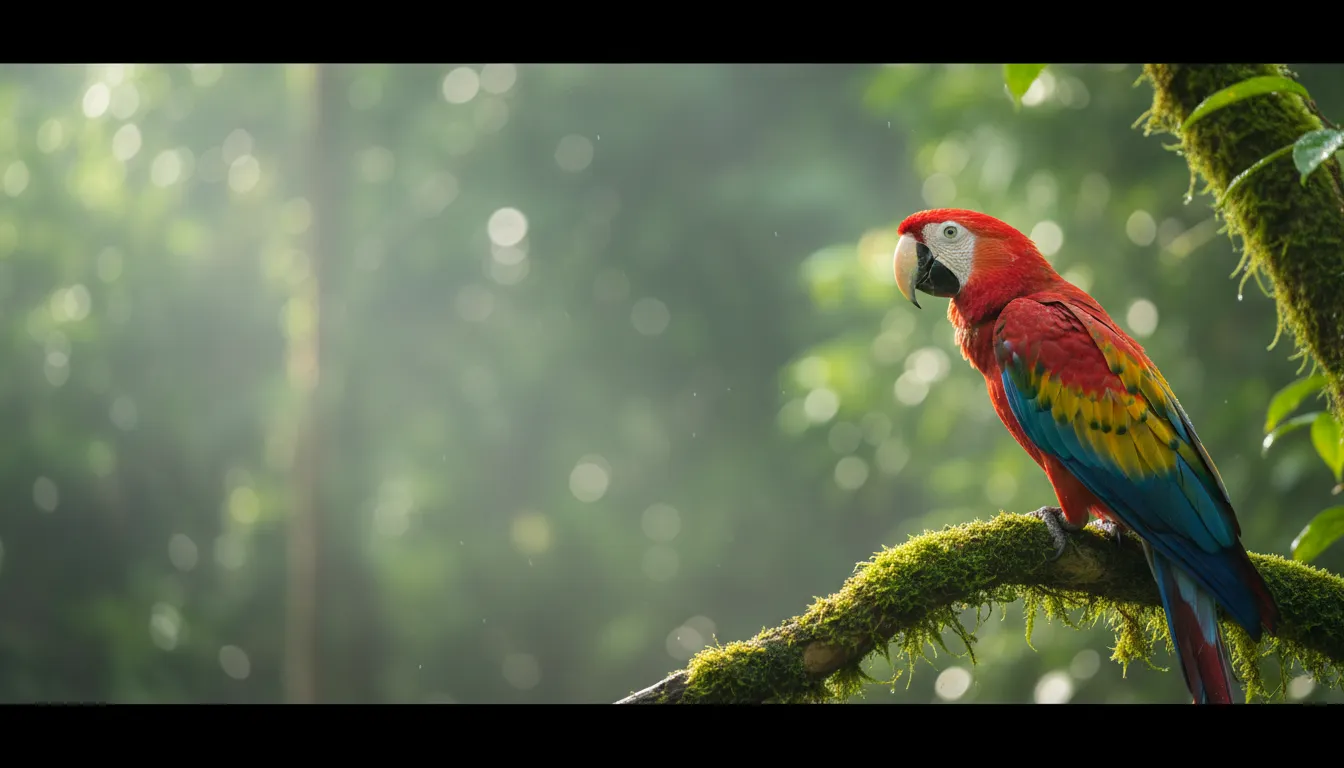
Jaco’s bird population doesn’t require specialized equipment or expert knowledge to appreciate, though both certainly enhance the experience. Scarlet Macaws, those brilliantly red flying paint explosions, maintain regular flight paths along the coast. Early morning and late afternoon, you’ll often spot pairs flying together—macaws mate for life, which is either romantic or a testament to their commitment issues, depending on your perspective.
For serious birders, guided excursions unlock species you’d never identify solo. Motmots hiding in understory vegetation, various toucan species (Keel-billed, Chestnut-mandibled), and countless hummingbirds zipping between flowers faster than your camera’s shutter speed. Local guides carry spotting scopes and possess the supernatural ability to hear a bird call from 100 yards away, identify the species, and point it out before it flies off. They’ve earned their fees.
But here’s the thing: even from Jaco Beach Zen’s balcony, you’re positioned for legitimate bird watching. We regularly spot tanagers, oropendolas with their distinctive hanging nests, and various hawks riding thermal currents. Morning coffee becomes a mini nature documentary when you’re actually paying attention to what’s flying past. Bring basic binoculars and a bird identification app, and you’ll be surprised how quickly your life list grows without leaving the property. The jungle doesn’t require you to chase it; sometimes it literally flies to you. Just keep the seeds and breadcrumbs to yourself—feeding wild birds creates dependency and disrupts natural behavior, regardless of how cute they look begging.
Sloths, Sanctuaries, and Saving the Wild Ones: Responsible Encounters
Legitimate animal sanctuaries and rescue centers near Jaco serve crucial conservation roles while offering up-close encounters that wild spotting can’t guarantee. These facilities rehabilitate injured wildlife, care for animals that can’t be released, and educate visitors about conservation challenges. The difference between a reputable sanctuary and a tourist trap? Real sanctuaries prioritize animal welfare over photo opportunities, employ trained staff, and operate transparently about their conservation work.
Seeing a sloth in person—even a rescued one—delivers perspective that photos can’t capture. They move with deliberate slowness that seems almost meditative, challenging our constant rush culture just by existing. Rescue centers often house animals recovering from injuries (often human-caused: vehicle strikes, power line electrocutions) alongside permanent residents unable to survive in the wild. The stories behind individual animals, told by knowledgeable guides, transform a simple viewing into genuine conservation education.
Visiting these facilities financially supports their operation while teaching crucial lessons about sustainable tourism. Don’t feed wild monkeys, no matter how adorable. Don’t touch sloths in the wild (their claws can seriously injure you, and the stress can harm them). Don’t support venues offering “swimming with dolphins” or other exploitative animal interactions. Legitimate sanctuaries never allow uncontrolled contact—if someone’s offering you a sloth selfie for a few dollars, walk away. Those facilities actively harm the animals they claim to protect.
The best encounters happen when animals are treated with respect, observed from appropriate distances, and allowed to behave naturally. That means sometimes you don’t get the perfect Instagram shot. That’s okay. The memory of watching a rehabilitated howler monkey return to the wild matters more than a posed photo ever could.
FAQ
Is Jaco Beach safe for jungle tours, particularly for families with children?
Absolutely, when you choose reputable operators with licensed guides. Costa Rica’s tourism infrastructure is well-developed, and professional tour companies maintain strict safety standards. The jungle itself isn’t inherently dangerous—there are no large predators threatening humans, and venomous snakes are rare on established trails. Stick with recommended trails, follow your guide’s instructions, and use common sense (don’t touch unknown plants or animals). We’ve seen countless families, including young children, safely enjoy jungle adventures. The biggest risks are typically dehydration and mosquito bites, both easily managed with preparation. Licensed guides carry first aid supplies and communication devices, providing additional security for families.
What’s the best time of year to see wildlife in Jaco, Costa Rica?
Green season (May through November) actually offers superior wildlife viewing despite being called “rainy season.” Animals are more active, vegetation is lush, and fewer tourists mean less disturbance on trails. Morning hikes during green season often reveal more species than dry season afternoons when animals retreat from heat and crowds. That said, wildlife exists year-round in Jaco—dry season (December through April) provides more predictable weather and easier trail conditions. The real secret? Early morning excursions, regardless of season, consistently deliver the best encounters. Animals don’t follow tourist calendars; they follow food sources and temperature comfort. Go when you can, go early, and hire a knowledgeable guide who knows current animal patterns.
Do I need a guide for hiking in Jaco’s rainforests, or can I explore on my own?
Carara National Park’s main trails are accessible solo if you’re experienced with trail hiking and comfortable navigating independently. However, guides exponentially improve the experience. You’ll walk past a hundred animals you’d never notice while a trained guide spots them instantly, identifies species, and explains behaviors. For less-trafficked trails, guides aren’t just recommended—they’re essential for safety and actual wildlife encounters. They know which paths are currently passable, where animals are actively feeding, and can handle unexpected situations. Solo hiking works for experienced outdoor enthusiasts on official trails; everyone else benefits enormously from professional guidance. Even seasoned hikers often hire guides for the educational value and species knowledge.
What kind of animals can I realistically expect to see on a jungle adventure near Jaco?
On any given jungle excursion, you’re likely to encounter multiple monkey species (Capuchins, Howlers, possibly Spider monkeys), various bird species including toucans and macaws, iguanas, Jesus Christ lizards, and numerous insects. Sloths require more patience but are frequently spotted, especially with guides who know their favorite trees. Coatis, raccoon-like mammals, often appear in troops. Agoutis (large rodents) scurry across trails. River tours add crocodiles and water birds to the list. What you won’t see: jaguars (they exist but avoid humans), tapirs (extremely shy), or most snake species (they avoid trail traffic). Every excursion differs, but disappointing wildlife encounters are genuinely rare with competent guides during optimal times.
Are there any accessible jungle adventures in Jaco for retirees or those with mobility concerns?
Several excellent options accommodate varying mobility levels. Tarcoles River boat tours require minimal physical exertion—you board a stable boat and sit while wildlife comes to you. Carara’s Quebrada Bonita trail is relatively flat and well-maintained, manageable for reasonably fit retirees. Wildlife sanctuaries typically offer paved or easy paths designed for accessibility. Some tour operators provide private excursions that can be customized to specific mobility needs and pacing preferences. The key is communicating limitations upfront so guides can recommend appropriate experiences. Jaco’s jungle adventures aren’t exclusively for hardcore hikers; plenty of options exist for those who prefer comfort over endurance challenges. You don’t need to be athletic to experience incredible wildlife.
What should I wear and pack for a jungle tour in Jaco?
Essentials include: closed-toe hiking shoes with good grip (not sandals), lightweight long pants and long-sleeved shirt (mosquito protection), DEET-based insect repellent, sunscreen, a hat, and significantly more water than seems necessary. Bring a small backpack for essentials, a rain jacket or poncho (even in dry season), and a dry bag for electronics. Binoculars enhance wildlife viewing considerably. Optional but valuable: a basic first aid kit, snacks, and a portable phone charger. Skip: new white clothing (it won’t stay white), excessive jewelry, strong perfumes (they attract bugs), and flip-flops (the jungle will destroy them and your ankles). Dress in layers you can adjust as temperatures and exertion levels change throughout the hike.
Are there any ethical wildlife sanctuaries or rescue centers near Jaco worth visiting?
Several legitimate facilities operate near Jaco, though we recommend researching current operations before visiting as standards and management can change. Look for sanctuaries that clearly explain their conservation mission, employ trained professionals, prohibit unsupervised animal contact, and maintain transparent operations. Red flags include facilities offering cheap “hold a monkey” photos, animals appearing stressed or housed in inadequate enclosures, or operations lacking clear educational components. Genuine sanctuaries focus on rehabilitation and release when possible, long-term care for non-releasable animals, and education about conservation challenges. Ask locals or your accommodation host for current recommendations—we maintain updated lists of facilities meeting ethical standards and can provide specific guidance based on your interests.
How far are the main jungle adventure spots from Jaco Beach Zen?
Carara National Park sits about 20 minutes north by car—close enough for early morning excursions without requiring painful wake-up times. Tarcoles River tours launch roughly 30 minutes away. Various hiking trails and wildlife spotting locations exist within 10-15 minutes of Jaco Beach Zen. Some wildlife, particularly monkeys and birds, regularly appear in trees visible from the property itself, meaning your commute to jungle adventures is occasionally measured in steps to the balcony. This proximity is precisely why we emphasize Jaco’s unique position—you’re not choosing between beach and jungle access. You get both, often on the same day, without spending half your vacation in transit. The jungle surrounds Jaco; accessing it requires minimal effort and planning compared to destinations requiring extensive travel to reach natural areas.
Bahía Azul, unit 7C sits right on this stretch of sand — on the quiet south end of Jacó, a few hundred feet from the water.
Book on Airbnb