Beyond the Glass Case: Unearthing Jaco’s ‘Interactive Museums’ for Curious Kids (and Adults!)
Let’s address the elephant—or rather, the conspicuous absence of elephants—in the room: Jaco doesn’t have a children’s museum. No dinosaur skeletons. No planetarium. No “please don’t touch” signs because, well, there’s nothing behind glass to touch anyway. But here’s the thing that took me a couple years of living here to fully appreciate: Jaco doesn’t need a museum. The entire town is one giant, sprawling, slightly humid exhibit hall where toucans serve as docents and sloths run the educational programming (at their own pace, naturally). If you’re expecting climate-controlled galleries, you’ve come to the wrong beach town. But if you want your kids—and let’s be honest, yourself—to learn about ecosystems, wildlife, and culture through actual experience rather than illustrated placards, you’ve found paradise.
Jaco’s ‘Museum’ Mindset: When Nature is Your Exhibit (And It’s Way Better)
I’ll save you the disappointment now: there’s no Smithsonian satellite location tucked between the surf shops and taco stands. Jaco’s version of cultural enrichment doesn’t come with audio guides or gift shop snow globes. What we offer instead is something most museums spend millions trying to recreate—the real thing. Our “interactive exhibits” involve actual butterflies landing on your daughter’s finger, not animatronic replicas. The “aquarium” is the Pacific Ocean, admission free, open 24/7, with surf lessons available.
This isn’t a limitation; it’s our superpower. Kids today spend enough time staring at screens and standing behind velvet ropes. Here, they can get their hands dirty—literally covered in sand, mud, or the occasional friendly tree frog. They learn that mangoes come from trees, not grocery stores. They discover that hermit crabs are real tenants constantly house-hunting for bigger shells. Mother Nature is the original architect of experiential learning, and in Jaco, she’s never off-duty. The “museum” never closes, rarely gets crowded, and the exhibits change with the tides and seasons.
Critter Classrooms: Where the Wild Things Teach (Safely, Of Course)
Forget dioramas of stuffed animals in fake habitats. Jaco’s wildlife experiences put you face-to-face with the actual residents, many of whom are surprisingly tolerant of curious humans.
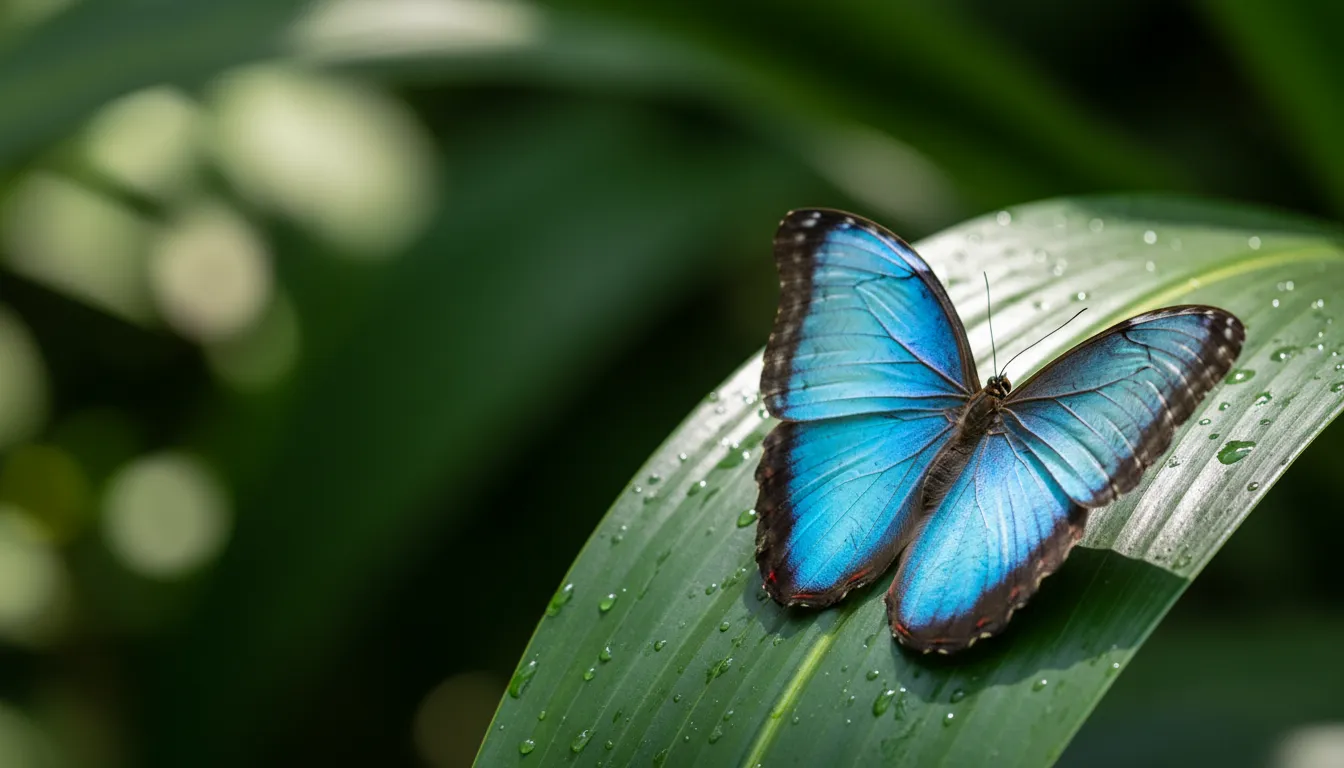
Butterfly farms like Neo Fauna aren’t just Instagram opportunities (though your feed will thank you). They’re living, fluttering biology lessons. Kids get to witness the complete metamorphosis cycle, hold newly emerged butterflies with wings still drying, and learn why these delicate creatures matter to rainforest ecosystems. It’s surprisingly meditative—perfect for digital nomads who’ve been staring at Zoom calls all morning and need a screen-free reset. Watching a Blue Morpho emerge from its chrysalis beats any nature documentary, because you can’t smell the flowers or feel the humidity through your TV.
Wildlife rescue centers offer something even more powerful: empathy education. These aren’t zoos displaying animals for entertainment; they’re rehabilitation hospitals giving injured or orphaned creatures a second chance. Seeing a rescued sloth or howler monkey up close, understanding why it needed rescue (often due to human activity), and learning about conservation efforts creates lasting impressions. Kids grasp concepts like habitat destruction and wildlife trafficking when they meet its victims. Always vet these centers beforehand—ethical operations focus on rehabilitation and release, not permanent captivity or photo ops. Ask if they’re affiliated with recognized conservation organizations.
Estuary boat tours transform your family into floating field biologists. Mangrove ecosystems look boring until a knowledgeable guide explains they’re nurseries for 80% of commercial fish species, natural water filters, and coastal storm barriers. Suddenly those tangled roots become fascinating. Kids spot white-faced monkeys swinging overhead, caimans lurking in shallows, and exotic birds they’ll actually remember (because “we saw it eating a crab!” beats “we saw a picture of it”). Our local guides excel at making ecology accessible without dumbing it down—no pop quiz at the end, just genuine discovery. Dive deeper into ethical animal encounters
Eco-Adventures as Education: Learning Disguised as Thrills
The best educational experiences are the ones kids don’t realize are educational until later. Jaco specializes in sneaking science into adventure.
Rainforest tram and zipline parks like Rainforest Adventures combine adrenaline with botany. While your kids are thrilled about flying through the canopy, they’re absorbing lessons about rainforest stratification, epiphytes, and why biodiversity matters. Guides point out medicinal plants, explain symbiotic relationships between species, and make fungi fascinating. It’s an unforgettable science class where nobody’s taking notes because they’re too busy experiencing it. The tram provides access to canopy levels normally reserved for researchers and really ambitious sloths.
Botanical gardens here tend toward the informal—think labeled trails through working farms rather than manicured European gardens. That informality is perfect. Kids can identify cacao pods, learn how chocolate actually grows (spoiler: not in candy bars), touch coffee plants, and understand agricultural ecosystems. Many offer smell-it, touch-it, sometimes-taste-it opportunities. Seeing vanilla orchids growing naturally beats any culinary museum exhibit.
Surf lessons might seem purely recreational, but they’re actually oceanography, physics, and meteorology rolled into one exhausting, exhilarating package. Kids learn about wave formation, tides, rip currents, and the physics of buoyancy—all while trying not to swallow seawater. The ocean itself becomes the world’s largest interactive exhibit, teaching persistence, respect for nature’s power, and occasionally, humility.
Waterfalls and hiking trails are geology and biology courses disguised as family outings. Kids learn about water erosion, volcanic rock formations, and local ecosystems simply by exploring. They collect interesting leaves, spot toucans, and learn which insects to avoid (educational and practical!). Always choose well-marked, maintained trails appropriate for your family’s fitness level. The learning happens naturally when you’re not confined to sidewalks and tour buses. Ready for more outdoor thrills? Check out Jaco’s best adventure tours
Cultural Curiosities: When Jaco’s History is the ‘Exhibit’
Costa Rican culture isn’t locked behind museum glass—it’s happening in real-time all around you, if you know where to look.
Local artisan markets are living art history classes. Watching craftspeople create pottery, paintings, or jewelry provides direct connection to Costa Rican artistic traditions. Kids see the process, not just the product. They learn that art takes time, skill, and patience—valuable lessons in our instant-gratification world. Many artists happily explain their techniques and cultural significance of their work. It’s way more engaging than reading about indigenous crafts on a placard.
The town itself serves as an open-air cultural museum if you approach it with curiosity. A downtown walk becomes a scavenger hunt for local architecture, vibrant murals, and everyday Tico life. The small, unassuming church features a mural offering local artistic interpretation of religious themes—easy to miss, wonderful to discover. Point out how buildings are designed for tropical climate, why streets are arranged certain ways, and how public spaces function differently than back home. These observations build cultural literacy organically. Explore more of Jaco’s vibrant local culture
From Jaco Beach Zen, accessing these “living museums” is remarkably easy. We’re positioned perfectly—close enough to reach downtown cultural experiences and tour departure points within minutes, yet far enough that you’ll actually hear waves instead of traffic when you’re ready to process everything you’ve learned. Our concierge can help arrange ethical wildlife tours, recommend age-appropriate adventures, and ensure you’re supporting conservation-focused operations rather than tourist traps. The real education happens when you can balance exploration with genuine relaxation, and that balance is what our location and service are designed to provide.
Frequently Asked Questions
Are there any traditional museums in Jaco, Costa Rica?
Nope, and honestly, that’s not what Jaco does best. You won’t find formal museums with permanent collections or rotating exhibits. The nearest traditional museums are in San Jose, about 90 minutes away, if you’re craving climate-controlled galleries. But Jaco’s strength lies in experiential, outdoor learning—living ecosystems instead of preserved specimens. Think of it as trading stuffed toucans for actual toucans, which is a significant upgrade in the interactive department. Most families find the hands-on nature experiences far more memorable than conventional museums anyway.
What are the best hands-on educational activities for kids near Jaco Beach?
Butterfly farms top the list for younger kids—magical without being overwhelming. Wildlife rescue centers offer powerful lessons for school-age children ready to understand conservation. Estuary boat tours work brilliantly for all ages, combining wildlife spotting with ecosystem education. Rainforest tram rides provide canopy access without requiring hiking stamina. For older kids and teens, surf lessons and waterfall hikes combine physical challenge with natural science. Local artisan markets teach cultural appreciation through direct interaction. The key is matching activity intensity to your family’s energy levels and interests.
Are these natural ‘museums’ safe for young children and families?
Absolutely, when you choose reputable operators and follow basic precautions. Butterfly farms and ethical wildlife centers maintain safe viewing distances and controlled environments. Boat tour operators provide life jackets and experienced guides. Zipline and tram facilities have strict safety protocols and age/weight requirements. Beaches require standard ocean safety awareness—rip currents are real, so swim near lifeguards or take lessons first. Trails vary in difficulty; always research beforehand and bring adequate water and sun protection. Our concierge can recommend family-tested operators who prioritize safety alongside education.
Can we learn about Costa Rican culture and history in Jaco without a formal museum?
Definitely—arguably better than in a museum, since you’re experiencing living culture rather than historical artifacts. Local markets, artisan workshops, and conversations with vendors provide authentic cultural exchange. Downtown architecture and public spaces reveal how Ticos approach community life. Attending local events, trying authentic sodas (small restaurants, not beverages), and observing daily rhythms teach more about Costa Rican culture than any placard could. The church mural, local festivals, and even how people interact with beach and nature reflect cultural values. History here is woven into present-day life.
What’s the best way to combine learning with adventure in Jaco?
Choose activities where education is embedded in the experience rather than added as afterthought. Rainforest zipline tours naturally teach about canopy ecosystems. Surf lessons inherently cover ocean dynamics. Wildlife boat tours make ecology fascinating through observation. The formula is simple: pick adventures your family genuinely wants to do, then find operators who provide expert guides (not just safety monitors). Great guides make learning irresistible by connecting information to what you’re witnessing in real-time. Space adventures with beach downtime so kids can process and parents can recharge.
Are there options for digital nomads to experience these ‘interactive museums’ while still getting work done?
Absolutely. Many experiences work perfectly as half-day activities—morning butterfly farm visit, afternoon Zoom calls. Boat tours typically run 2-3 hours, leaving plenty of workday intact. Weekend waterfall hikes provide total mental reset before Monday deadlines. Jaco’s time zone (Central) overlaps well with US business hours. Several experiences, like artisan markets, operate during lunch breaks or late afternoons. From Jaco Beach Zen, you can literally work oceanfront in the morning, explore mangrove ecosystems at lunch, and be back for evening calls. The flexibility here is ideal for nomads craving enrichment beyond coffee shop rotation.
Ready to trade museum tickets for monkey sightings? Jaco’s living classrooms are waiting, with waves as your soundtrack and genuine discovery as your souvenir.
Bahía Azul, unit 7C sits right on this stretch of sand — on the quiet south end of Jacó, a few hundred feet from the water.
Book on Airbnb