Beyond the Boogie Board: Jaco’s Best Educational Adventures for Savvy Kids
Let’s be honest: Convincing kids that ‘learning’ can actually be fun is basically advanced parenting wizardry. But what if I told you there’s a spot where education doesn’t involve worksheets, where biology class happens under a canopy of howler monkeys, and where physics lessons involve catching actual waves? Welcome to Jaco, Costa Rica—where the classroom has sand between its toes and the curriculum includes creatures you can’t find in any textbook. Whether your little ones are budding marine biologists, future conservationists, or just kids who need to burn off some serious energy while accidentally learning something, Jaco’s got the goods. And the best part? They won’t even realize they’re soaking up knowledge until they’re back home casually dropping facts about three-toed sloths at the dinner table.
Swapping Screen Time for Green Time: Why Jaco is a Classroom Beyond Walls
Forget dusty textbooks and fluorescent-lit classrooms. Jaco’s lush rainforests, dynamic coastlines, and wildlife-packed landscapes create the ultimate interactive learning environment—one where the lessons stick because kids are actually living them. There’s something fundamentally different about learning photosynthesis while standing beneath a 200-foot strangler fig versus reading about it in a textbook.
From spotting three-toed sloths lounging in cecropia trees to understanding the delicate balance of coastal ecosystems, these aren’t just ‘tours’—they’re immersive experiences that make education feel like the adventure it should be. (Pro tip: Don’t mention the word ‘educational’ to your kids. Just tell them you’re going on an epic expedition. Same outcome, better buy-in.)
What sets Jaco’s educational tours apart is the caliber of the guides. These aren’t just folks who memorized a script—they’re passionate naturalists, conservationists, and educators who genuinely geek out over Costa Rica’s biodiversity. They explain the ‘why’ behind the ‘wow,’ ensuring kids grasp the bigger picture: how poison dart frogs evolved their vibrant warning colors, why mangrove forests protect coastlines, or what role scarlet macaws play in seed dispersal. It’s learning that sticks because it’s tied to real experiences, not abstract concepts.
Monkey Business & More: Rainforest Expeditions That Teach Kids to Roar (Figuratively)
Carara National Park sits just twenty minutes north of Jaco, and it’s basically Costa Rica’s greatest hits album in ecological form. This transitional forest—where dry tropical forest meets humid rainforest—creates a biodiversity hotspot that’s perfect for families. The main trail is accessible enough that even families with younger children can navigate it, though calling it ‘stroller-friendly’ might be optimistic unless you’ve got all-terrain wheels.
What makes Carara exceptional for kids is the almost-guaranteed wildlife sightings. Scarlet macaws nest here year-round, their brilliant red-and-blue plumage making them impossible to miss as they squawk overhead. Local guides are absolute wizards at spotting camouflaged critters—transforming what looks like a random tree trunk into a sleeping sloth, or pointing out the perfectly disguised eyelash viper that you definitely would have walked past. These moments turn a casual rainforest stroll into an interactive wildlife scavenger hunt.
Beyond the wildlife excitement, the better tour operators weave in conservation lessons without getting preachy. Kids learn about habitat fragmentation, why wildlife corridors matter, and what they can do to protect these spaces—all while they’re buzzing with adrenaline from spotting a troop of white-faced capuchins. It’s education through experience, which is infinitely more effective than any documentary.
Planning logistics from Jaco Beach Zen to Carara is straightforward—most tour companies offer pickup, or you can easily arrange private transport. For more options on exploring the region’s incredible ecosystems, check out our guide to rainforest hikes near Jaco.
Tide Pool Titans: Uncovering Jaco’s Underwater Classrooms at Low Tide
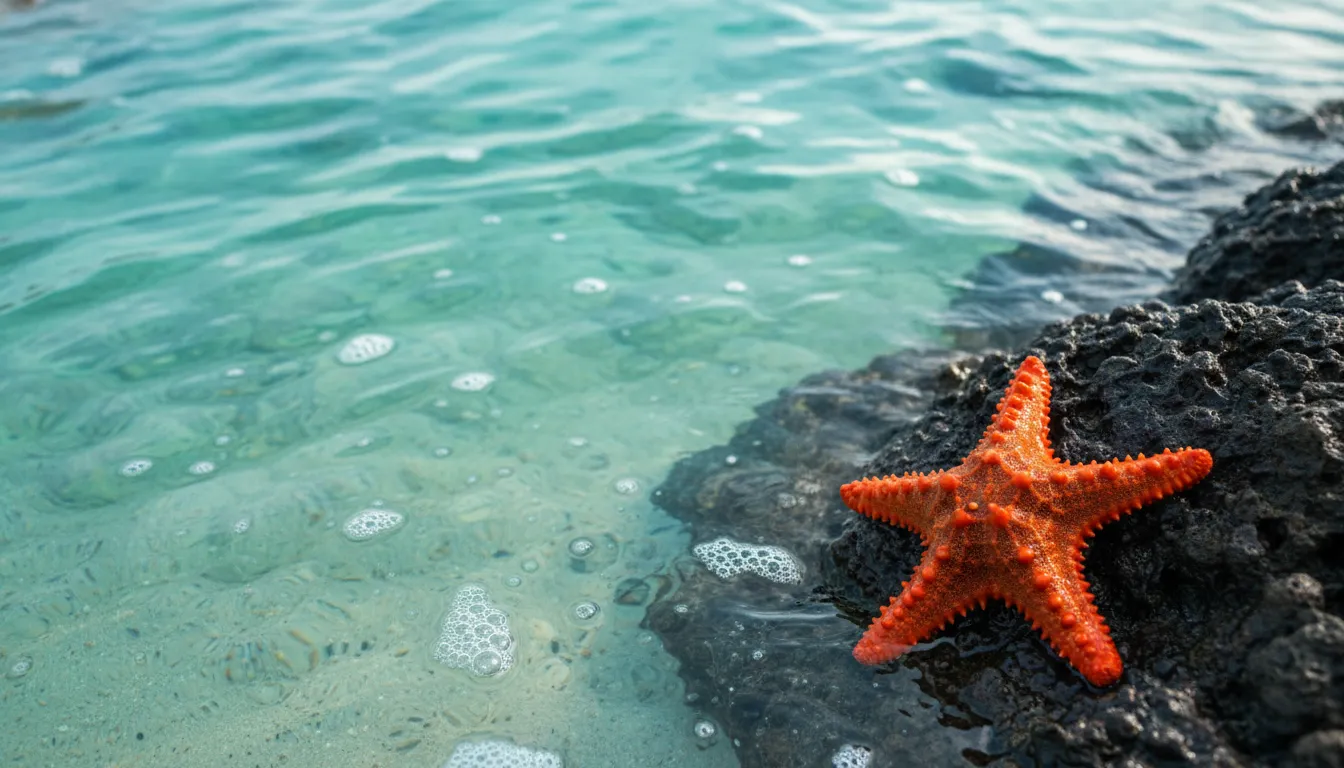
When the Pacific pulls back its watery curtain during low tide, Jaco’s rocky outcrops reveal something magical: miniature ecosystems teeming with crabs, sea stars, anemones, and tiny fish darting through shallow pools. For kids, it’s like discovering a hidden aquarium that nature built specifically for their entertainment. For parents, it’s a guaranteed hour of engaged, screen-free fascination.
Several local outfits offer guided tide pool explorations complete with buckets, magnifying glasses, and laminated identification guides. These aren’t just ‘look but don’t touch’ experiences—under proper guidance, kids can gently handle hermit crabs, observe sea urchins extending their tube feet, and watch anemones retract when touched. It’s hands-on marine biology that transforms abstract concepts into tangible understanding.
The educational value runs deeper than species identification. Good guides explain the interconnectedness of these ecosystems: how the anemone and the clownfish have a symbiotic relationship, why disturbing rocks can destroy microhabitats, and how ocean acidification threatens these delicate communities. Kids learn that respecting nature isn’t just a nice idea—it’s essential for survival. And they learn it while knee-deep in tide pools, which beats a lecture any day.
Timing matters for tide pool exploration. The best windows occur during the lowest tides of the month, typically during new and full moons. Check local tide charts or ask your tour operator about optimal timing. For more ways to experience Jaco’s beach activities, or to understand how these tours fit into broader sustainable tourism in Jaco, we’ve got you covered.
From ‘Hang Ten’ to ‘How It’s Made’: Educational Surf Lessons for Young Wave Riders
Sure, plenty of surf schools can teach your kid to stand on a board. But the best ones in Jaco take it several levels deeper, incorporating ocean literacy into their lessons. These aren’t just surf instructors—they’re ocean educators who understand that knowledge creates both better surfers and more respectful ocean stewards.
Kids learn about wave formation and what creates good surfing conditions. They discover how offshore winds groom wave faces, why sandbars shift seasonally, and how to read the ocean’s mood before paddling out. They learn about rip currents—not just what they are, but how to identify them, avoid them, and escape them if caught. This isn’t fear-mongering; it’s empowerment through understanding.
The environmental component adds another layer. Progressive surf schools discuss ocean pollution, the impact of sunscreen chemicals on coral reefs, and why choosing sustainable surf gear matters. Some incorporate beach cleanups into their programs, connecting the sport kids love with protecting the playground they’re enjoying. It transforms surfing from a recreational activity into a relationship with the ocean—one built on respect and responsibility.
For families serious about getting their kids into surfing, check out our comprehensive guide to Jaco surf schools. And before booking anything water-related, review our safety tips for families in Jaco—because educated risk-taking is still risk-taking.
When the Sun Sets: Night Walks & Turtle Tales (Season Permitting)
The rainforest at night is a completely different universe. Creatures that hide during scorching daylight emerge in the cool darkness, turning the forest into a nocturnal wonderland. Guided night walks introduce kids to a cast of characters they’d never encounter on daytime hikes: red-eyed tree frogs clinging to leaves, sleeping birds tucked into branches, bioluminescent fungi glowing softly on rotting logs, and if you’re lucky, a kinkajou raiding a fruiting tree.
Reputable night tour operators keep groups small, use red-filtered flashlights to minimize wildlife disturbance, and maintain appropriate distances from animals. The guides’ expertise shines during these outings—quite literally, as they illuminate creatures that would be invisible to untrained eyes. Kids learn about nocturnal adaptations, predator-prey relationships, and the critical importance of darkness for wildlife health.
During nesting season (roughly July through December for Olive Ridley sea turtles), ethical turtle watching tours offer profoundly moving wildlife encounters. Watching a 100-pound turtle haul herself up the beach, dig a nest, and deposit dozens of eggs is legitimately awe-inspiring. Responsible tours maintain strict protocols: no flash photography, no touching turtles, minimum safe distances, and limited group sizes. These experiences teach kids about conservation in the most visceral way possible—by witnessing what we stand to lose if we don’t protect these ancient mariners.
Culture Club: Immersive Experiences Beyond the Beachfront
Education isn’t just about nature—understanding local culture creates well-rounded global citizens. Jaco’s Saturday morning farmer’s market (feria) delivers a vibrant crash course in Costa Rican agriculture, local produce, and the famous Pura Vida lifestyle. Kids can taste exotic fruits they’ve never seen, practice their Spanish numbers while vendors weigh plantains, and observe the social fabric of a community that still values face-to-face commerce.
[Cooking classes designed for families](https://jacobeachzen.com/Family-Friendly Activities/family-cooking-classes-in-jaco) take cultural immersion to the next level. Kids learn to make gallo pinto (the ubiquitous rice-and-beans breakfast), prepare fresh ceviche, or fold empanadas—connecting food with culture, tradition, and community. These classes often include market tours to source ingredients, teaching kids where food actually comes from (spoiler: not the supermarket).
Some specialized tours focus on Costa Rica’s indigenous history or local artisan traditions. Kids might visit a family that still makes tortillas by hand using techniques passed down through generations, or learn about the country’s coffee culture at a small-scale plantation. These experiences provide context that goes deeper than souvenir shops and resort buffets, showing the rich tapestry of heritage that makes Costa Rica unique.
Frequently Asked Questions
Are these educational tours suitable for toddlers, or are they better for older kids?
It varies by tour type. Tide pool explorations and farmer’s market visits work great for toddlers—short attention spans match short activity windows. Rainforest hikes depend on trail difficulty and your toddler’s hiking tolerance. Most surf lessons start around age five or six when kids have sufficient strength and coordination. Night walks can be challenging for very young children due to late timing and required quiet. Best approach? Contact tour operators directly about age minimums and get honest about your kid’s capabilities. A miserable toddler makes everyone miserable.
What’s the best time of year to visit Jaco for wildlife-focused educational tours?
Costa Rica’s got wildlife year-round, but timing affects what you’ll see. Dry season (December-April) offers easier hiking conditions and better visibility, but some animals are less active. Green season (May-November) brings lush vegetation and active wildlife, though rain can interrupt tours. For sea turtles, visit July-December during nesting season. Scarlet macaws are present year-round at Carara. Honestly? Any time works—just adjust expectations based on seasonal patterns and pack appropriate rain gear.
Are the guides fluent in English, and do they have experience working with children?
Most established tour operators serving international visitors employ bilingual guides fluent in English. However, fluency levels vary, so ask specifically when booking. Regarding kid experience, this matters enormously—a guide who’s brilliant with adults might lack the patience, communication style, or safety awareness needed for children. Request guides with pediatric experience, ask about child-to-adult ratios, and read recent reviews from other families. The best operators will happily connect you with references from previous family clients.
What kind of clothing and gear should my child wear for a rainforest hike or tide pool exploration?
For rainforest hikes: lightweight, quick-dry long pants and long sleeves (protection from insects and plants), closed-toe hiking shoes with good traction, hat, and reef-safe sunscreen. Bring insect repellent, though apply it away from waterways. For tide pools: water shoes or sturdy sandals with back straps (rocky surfaces are slippery), quick-dry shorts, rash guard for sun protection, and a hat. Always pack a reusable water bottle. Skip cotton—it stays wet and chafes. Synthetic fabrics dry faster and reduce misery quotient significantly.
Do any educational tours in Jaco offer transportation from vacation rentals?
Most established tour operators include hotel or vacation rental pickup in their pricing, especially for destinations outside central Jaco like Carara National Park. Some charge minor supplements for pickups from properties further from town center. When booking, confirm your exact pickup location and get specific pickup times—Costa Rican time can be wonderfully flexible, but you don’t want to miss your tour. Smaller, independent guides might require you to meet at a central location, so clarify transportation logistics before booking.
Are there options for kids with mobility challenges on these tours?
Accessibility varies significantly. Some Carara trails are relatively flat and wide, though ‘wheelchair accessible’ would be a stretch. Tide pool exploration requires navigating uneven, slippery rocks—challenging for mobility issues. Some cultural tours and cooking classes are much more accessible. The key is transparent communication with tour operators about specific needs and limitations. Reputable companies will honestly assess whether their tours work for your child rather than taking your money for an experience that won’t succeed. Don’t hesitate to ask detailed questions about terrain, distances, and physical requirements.
What are the safety protocols in place for kids on these adventure tours?
Reputable operators maintain certified guides, appropriate insurance, first-aid training, and kid-specific safety equipment (properly sized life jackets for water activities, for example). They should have clear emergency protocols and communication systems. For wildlife tours, they’ll maintain safe distances from animals and teach kids appropriate behavior around wildlife. Ask potential operators about guide certification, safety equipment, group size limits, guide-to-child ratios, and emergency procedures. If they seem annoyed by these questions rather than enthusiastically answering them, book elsewhere.
Can we book these tours in advance, or is it better to arrange them once we arrive in Jaco?
Book major tours in advance, especially during high season (December-April) when popular operators fill up quickly. This is particularly crucial for specialized experiences like ethical turtle watching, which has limited spaces and strict permitting. However, leave some flexibility in your schedule for spontaneous opportunities or weather-dependent activities like tide pool exploration. Many families successfully use a hybrid approach: book one or two anchor activities before arrival, then arrange others based on weather, kids’ energy levels, and local recommendations once you’re settled in.
Bahía Azul, unit 7C sits right on this stretch of sand — on the quiet south end of Jacó, a few hundred feet from the water.
Book on Airbnb