Jaco’s folklore isn’t tucked away in dusty archives—it lives in the conversations at sodas, the warnings from fishermen before dawn, and the stories grandmothers still tell when the ocean gets restless. This Pacific beach town carries legends shaped by indigenous Huetar culture, Spanish colonial encounters, and centuries of coastal living where the jungle meets the sea. Some tales explain natural phenomena that confused early settlers, others serve as cautionary reminders about respecting the ocean’s power, and a few simply refuse logical explanation no matter how many times locals try to dismiss them. Whether you’re skeptical or believer-adjacent, these stories reveal how Jaco’s community has interpreted the mysteries around them—and they make your evening beach walks considerably more interesting.
The Legend of La Cegua: Jaco’s Most Famous Ghost
La Cegua ranks as Costa Rica’s most widespread ghost story, but Jaco’s coastal version carries unique details that separate it from inland variations. The legend describes a beautiful woman who appears to lone travelers at night, particularly men walking deserted roads or beaches after dark. She requests help or a ride, appearing perfectly normal until the victim gets close enough—then her face transforms into a horse’s skull with rotting flesh and glowing eyes. The shock typically causes death or permanent madness, according to traditional tellings.
Jaco’s elders claim La Cegua particularly haunts the stretch between town and Playa Hermosa, especially during new moons when darkness settles thick over the coastal road. Local variations suggest she targets unfaithful husbands or disrespectful tourists, adding a moral dimension absent from other regional versions. Fishermen report seeing a woman in white near the rocks south of town, though she vanishes when approached. Whether these sightings stem from mist, imagination, or something else entirely depends on who’s telling the story—but even skeptics admit the coastal road feels different after midnight. The legend serves practical purposes beyond entertainment: it historically kept people from wandering dangerous areas at night and reinforced community values about fidelity and respect. Modern Jaco residents treat La Cegua with affectionate skepticism, though few volunteer to test the legend by walking isolated beaches alone after dark.
El Cadejo: The Phantom Dogs of Jaco’s Streets
The Cadejo legend describes two supernatural dogs—one white, one black—that appear to travelers at night with opposing intentions. The white Cadejo protects lost souls and guides them safely home, while the black Cadejo leads people astray into danger, sometimes attacking those who’ve committed moral wrongs. Both appear larger than normal dogs with glowing red eyes and chains that drag behind them, creating an unmistakable rattling sound that announces their presence.
Jaco’s version emphasizes the coastal angle: fishermen report the white Cadejo appearing before dangerous weather changes, essentially warning them to head back to shore. The black Cadejo supposedly haunts areas where tourists have drowned, possibly feeding on the negative energy or guarding something beneath the sand. Unlike La Cegua’s primarily frightening role, the Cadejo legend offers both protection and threat depending on the traveler’s character and situation. Several longtime residents claim childhood encounters with an unusually large white dog that appeared when they were lost, led them toward familiar streets, then vanished without trace. Skeptics point to Jaco’s substantial stray dog population as explanation for these sightings, though that doesn’t account for the disappearing act. The legend reflects Costa Rica’s Catholic-influenced morality tales, where supernatural forces enforce cosmic justice that human laws cannot. When exploring nightlife in Jaco, you’ll notice locals still reference the Cadejo when warning against walking home alone intoxicated—ancient folklore serving modern safety purposes.
Indigenous Huetar Myths and Coastal Spirits
Before Spanish colonization, the Huetar people inhabited this Pacific region, developing sophisticated spiritual traditions tied directly to the landscape. While much knowledge was lost through colonization’s devastation, fragments survived through oral tradition and contemporary indigenous communities. Huetar cosmology recognized spirit guardians for natural features—mountains, rivers, ocean waters, and specific rock formations each possessed protective entities that demanded respect from humans utilizing those resources.
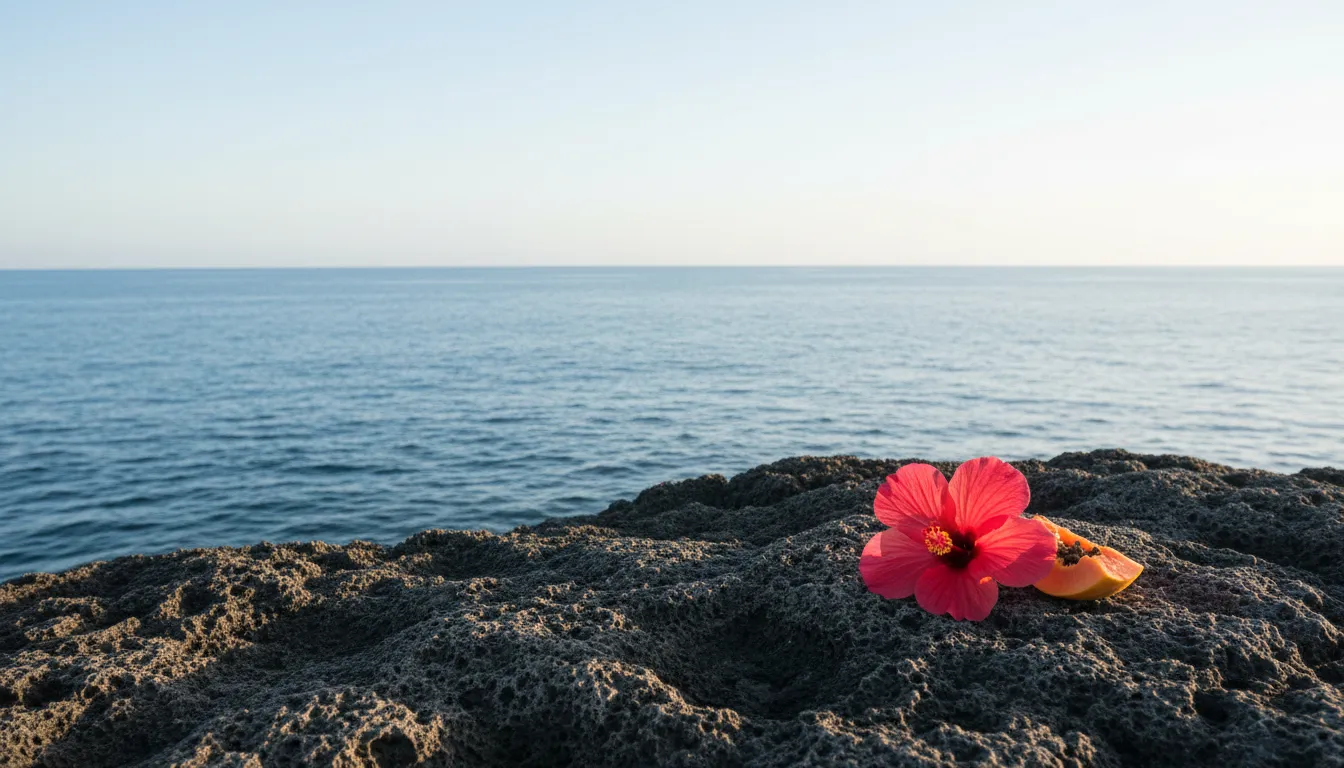
Jaco’s rocky coastline, particularly areas near Playa Hermosa, features in Huetar-descended stories about ocean spirits that control fish populations and wave patterns. Fishermen who showed proper respect through small offerings received abundant catches and safe passage; those who took too much or damaged coral faced empty nets and dangerous currents. These weren’t metaphorical lessons but literal beliefs about how the natural world operated. Some older fishing families still practice modified versions of these traditions, leaving fruit or flowers at certain rocks before important trips. The practice blends indigenous roots with Catholic saint veneration, creating uniquely Costa Rican spiritual expressions. Rock formations south of town supposedly mark gathering places for these spirits during specific moon phases, though tourism development has altered many traditional sites. Understanding these beliefs provides crucial context for Jaco’s cultural identity—the town’s character extends far deeper than beaches and nightlife, rooted in centuries of indigenous relationship with this specific coastline.
The Haunted History of Pastor Díaz Avenue
Pastor Díaz Avenue, Jaco’s main commercial strip, runs through land that once served multiple purposes: indigenous settlement sites, colonial-era burial grounds, and later, contested property during Costa Rica’s civil conflicts. This layered history creates fertile ground for ghost stories, and locals have collected plenty. Multiple business owners report unexplained phenomena: items moving overnight, voices in empty buildings, cold spots that defy tropical logic, and the persistent feeling of being watched after closing time.
The most specific legend involves a colonial-era Spanish merchant whose shop occupied what’s now a modern souvenir store. He allegedly died violently during a robbery, and his spirit supposedly guards the location still, moving merchandise and creating disturbances when the current business stays open past certain hours. Staff report hearing Spanish phrases they don’t understand and finding old coins that weren’t present during inventory. Skeptics note that old buildings settle, create sounds, and that finding old coins in a former colonial area isn’t supernatural—it’s archaeology. But the consistency of reports across different businesses and decades lends the stories curious weight. The haunting tales create community bonding: shop owners swap stories, compare experiences, and develop affectionate relationships with their supposed spectral roommates. Whether you’re browsing local shops and markets or simply walking the main drag, you’re treading through layers of Jaco’s complex past—some of which, according to believers, hasn’t quite departed.
Modern Urban Legends and Contemporary Tales
Folklore doesn’t fossilize in the past—it evolves with each generation, and Jaco continues generating new legends that reflect contemporary concerns. Recent decades produced stories about cursed surf spots where multiple drownings occurred, ghostly figures appearing in construction photos of new developments, and unexplained lights over the ocean that defy conventional explanation. These modern myths often blend traditional elements with current anxieties about rapid development, environmental degradation, and tourism’s cultural impacts.
One persistent contemporary legend involves a luxury hotel project that halted construction after workers reported aggressive supernatural encounters—tools vanishing, injuries during specific moon phases, and apparitions of indigenous warriors defending the land. The project eventually failed for documented financial reasons, but locals attribute the failure to disturbed spirits rejecting foreign development. Another story describes a specific rental property cursed by previous owners’ misfortune, creating a succession of failed businesses and unhappy tenants until appropriate spiritual cleansing occurred. These tales serve modern purposes: they express community anxiety about change, create shared identity through storytelling, and occasionally influence real business decisions when investors prove superstitious. Social media accelerated folklore’s spread, with Facebook groups dedicated to Jaco paranormal experiences collecting hundreds of firsthand accounts. Whether these stories reflect actual supernatural activity or collective psychological patterns depends entirely on your worldview—but they undeniably shape how community members interpret their experiences and relationship with this rapidly changing coastline.
FAQ: Understanding Jaco’s Folklore
Are these legends taken seriously by modern Jaco residents?
The relationship is complicated—most educated residents don’t literally believe in horse-skulled ghosts, but they respect the stories’ cultural significance and occasionally hedge their bets. Older generations and fishing families tend toward stronger belief, especially regarding ocean-related legends that connect to safety practices. Younger, more cosmopolitan residents treat folklore as entertaining cultural heritage rather than literal truth. However, even skeptics avoid testing certain legends directly, suggesting deeper ambivalence. The stories function as community bonding tools, moral frameworks, and tourist attractions simultaneously. Whether someone “believes” matters less than how the legends influence behavior and cultural identity. Most Jaco locals occupy a comfortable middle ground: skeptical in daylight, slightly more open-minded when the ocean sounds strange at midnight.
Can tourists experience these folklore locations safely?
Absolutely—all locations mentioned in these legends sit in areas tourists regularly visit without incident. The “haunted” Pastor Díaz Avenue is literally the main street where you’ll shop and dine. Rocky coastal areas near Playa Hermosa welcome visitors daily for tide pools and photography. The folklore adds atmospheric context rather than actual danger. That said, basic safety applies: don’t wander isolated beaches alone at night (La Cegua or not), respect ocean conditions regardless of supernatural beliefs, and use common sense about personal security. The legends actually encode practical wisdom—warnings about dangerous roads, risky ocean areas, and places to avoid after dark stem from genuine hazards that folklore made memorable. Experiencing these locations during guided cultural tours provides context and safety while exploring Jaco’s mystical side.
Do any local festivals celebrate these folkloric traditions?
Jaco doesn’t host major festivals specifically dedicated to folklore, but these legends surface during broader cultural celebrations and storytelling events. Costa Rican traditions like Día de los Muertos (November 2nd) create space for ghost stories and ancestor remembrance, when locals share family legends and supernatural encounters. Some tour operators offer evening “legends walks” during high season, combining folklore with historical commentary. Local schools occasionally incorporate traditional stories into cultural education programs, ensuring younger generations learn these tales. The absence of formal folklore festivals reflects Jaco’s identity as a beach town rather than colonial heritage site—the legends exist as living traditions rather than tourist performances. For the most authentic experience, strike up conversations with longtime residents at local sodas or fishing areas, where stories emerge naturally rather than as packaged entertainment. Your stay becomes more culturally rich when you’re genuinely curious about the community’s relationship with its mysterious past.
How do these myths compare to other Costa Rican regions?
Jaco shares core legends like La Cegua and El Cadejo with the rest of Costa Rica, but coastal versions carry unique details reflecting maritime culture. Inland regions emphasize forest spirits and mountain guardians; Jaco’s folklore centers on ocean phenomena and beach encounters. The intensity of indigenous Huetar influence distinguishes this area from Caribbean coast legends, which incorporate Afro-Caribbean traditions instead. Northern regions near Nicaragua share different border-influenced stories, while southern zones near Panama blend with different indigenous groups. Jaco’s rapid modernization also affects its folklore differently than slower-changing rural areas—the tension between development and tradition creates specific contemporary legends absent from more stable communities. The town’s international character means these stories now spread globally through tourist retellings, sometimes returning in altered forms that amuse locals. Understanding these regional variations provides insight into Costa Rica’s cultural diversity—the country’s small size contains remarkable folkloric variety reflecting different historical influences and environmental relationships across distinct geographical zones.
Are there any folklore-related activities for families with children?
Jaco’s folklore works well for family engagement with appropriate framing. The legends aren’t excessively gruesome compared to many folk traditions—more mysterious than horrifying. Parents can share simplified versions during beach walks, turning evening strolls into storytelling adventures that teach cultural appreciation. Some stories, particularly the protective white Cadejo, offer positive supernatural elements rather than pure scares. Local libraries occasionally host bilingual story times featuring traditional Costa Rican tales suitable for children. The indigenous myths about ocean spirits provide excellent frameworks for teaching environmental respect and marine conservation. Tour operators sometimes offer family-friendly cultural experiences incorporating folklore alongside historical facts and natural science. The key is presentation: frame legends as “stories local people tell” rather than literal truth, allowing children to engage imaginatively while developing critical thinking. These tales create memorable family moments that distinguish your Jaco experience from generic beach vacations, building cultural literacy and appreciation for Costa Rican heritage. After hearing about La Cegua, kids suddenly pay more attention during [family-friendly activities](https://jacobeachzen.com/Family-Friendly Activities/jaco-kid-friendly-attractions), watching for mysterious figures with entirely appropriate excitement.
Bahía Azul, unit 7C sits right on this stretch of sand — on the quiet south end of Jacó, a few hundred feet from the water.
Book on Airbnb