Beyond the Beach: Unpacking Jaco’s Soulful Cultural Immersion Experiences
Sure, Jaco’s got world-class waves and sunsets that’ll wreck your Instagram feed. But if you think this coastal town is just another surf-and-sand stop on the gringo trail, you’re missing the whole point. Behind the beachfront bars and surf shops lies a vibrant tapestry of traditions, flavors, and genuine Tico warmth that most visitors never discover. Cultural immersion in Jaco isn’t about checking boxes on a tour itinerary—it’s about sharing a laugh with the woman selling mangoes at the feria, stumbling into an impromptu street celebration, or finally nailing your Spanish pronunciation of “arroz con pollo” while a soda owner beams with pride. This is where the real magic happens, in the spaces between the tourist brochures, where Costa Rica’s legendary “Pura Vida” philosophy transforms from a catchy phrase into a lived experience you’ll carry home long after your tan fades.
So, What Exactly Is ‘Cultural Immersion’ in Jaco?
Let’s clear something up right away: cultural immersion isn’t spectator sport. It’s not snapping photos from a tour bus window or buying mass-produced “artisan” trinkets at hotel gift shops. Real cultural immersion in Jaco means rolling up your sleeves and diving into the daily rhythms that locals actually live. It’s learning to make proper ceviche from someone’s abuela who’s been perfecting her lime-to-fish ratio for forty years. It’s knowing which soda serves the best casado on Tuesday afternoons and why the regulars always sit at the corner table.
This means actively seeking out the places where Jaco residents spend their real lives—not the sanitized versions staged for cruise ship crowds. You’ll find these moments at the Saturday morning market where vendors argue good-naturedly over whose yuca is superior, or at the neighborhood pulpería where locals grab their morning café and catch up on gossip. It’s about trading your carefully planned itinerary for spontaneous conversations, even if your Spanish is limited to “por favor” and enthusiastic hand gestures. The beauty of Jaco’s cultural scene is its accessibility—you don’t need special clearance or insider connections. You just need curiosity, respect, and a willingness to look beyond the obvious.
Feast Like a Local: Jaco’s Culinary Classroom
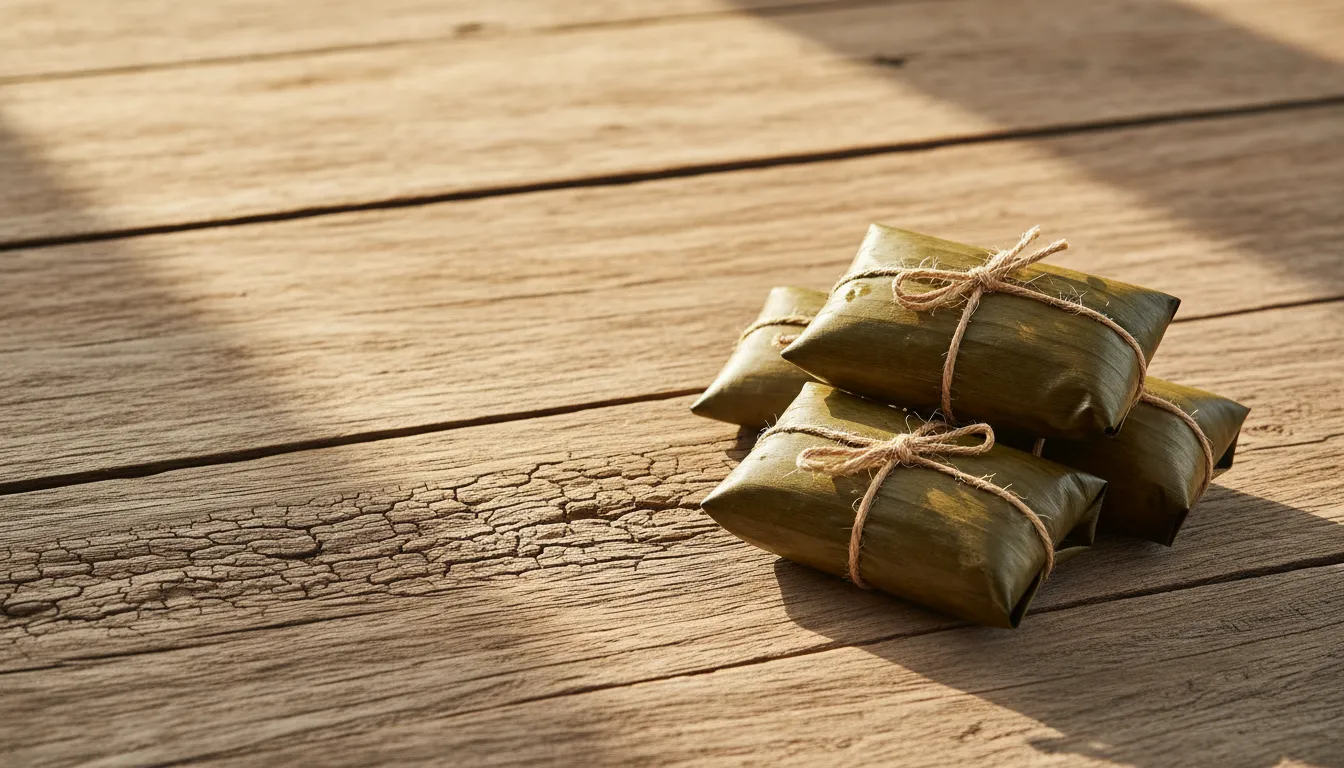
Forget your resort’s all-inclusive buffet for a day and prepare for an education. Jaco’s culinary landscape offers a masterclass in Costa Rican culture that no guidebook can replicate. The real classroom? Cooking workshops led by Tica grandmothers who view recipes less as measurements and more as living traditions passed down through generations. These aren’t polished chef demonstrations—they’re intimate sessions where you’ll learn that the secret to perfect tamales isn’t just technique, but the stories shared while wrapping them in banana leaves.
Start your culinary journey at the local ferias, those colorful farmer’s markets that pop up weekly and transform ordinary parking lots into sensory explosions. This isn’t grocery shopping; it’s anthropology with mangoes. You’ll practice your Spanish with vendors who genuinely appreciate the effort, even if you accidentally ask for “years” instead of “years” (años versus ñame—trust us, it happens). Sample fruits you’ve never seen before, haggle respectfully over prices, and discover that the weird spiky thing you’ve been avoiding is actually cas, which makes the most refreshing juice you’ll ever taste.
Then there are the sodas—Jaco’s culinary soul laid bare in family-run restaurants that locals actually frequent. These modest establishments won’t win architecture awards, but they’ll serve you the most honest plate of gallo pinto you’ll find anywhere. The prices reflect actual Costa Rican economics, not tourist markups, and the atmosphere buzzes with Spanish conversation and clinking forks. Pro tip: if you spot a soda packed with construction workers at lunch, you’ve struck gold. They know where the real food lives. Our fully equipped kitchens at the property are perfect for recreating these dishes after a market visit, transforming your vacation rental into your own culinary lab where you can practice your newfound skills while the Pacific provides the soundtrack.
The Rhythm of Life: Music, Dance, and Jaco’s Artsy Side
Jaco pulses with rhythms that have nothing to do with surf reports. On any given evening, you might stumble into a beachside bar where local musicians have gathered for an impromptu jam session, blending traditional Costa Rican folk with reggae and whatever else feels right in the moment. Don’t lurk by the door like a tourist—grab a seat, order an Imperial, and let the music work its magic. If someone invites you to dance, the only wrong answer is sitting there frozen with self-consciousness.
For those wanting structure with their rhythm, Jaco offers dance lessons in cumbia, salsa, and merengue. These classes attract a healthy mix of locals and visitors, creating the perfect low-pressure environment to learn steps you’ll definitely butcher at first. The instructors have seen it all and possess the patience of saints. What matters isn’t your footwork—it’s your willingness to laugh at yourself and keep trying. By the end of the week, you might not be ready for a competition, but you’ll understand why Latin dance is less about precision and more about feeling the music in your bones.
Jaco’s visual art scene surprises people expecting only surf-themed murals and dolphin paintings. While those certainly exist, dig deeper and you’ll discover galleries showcasing Tico artists who tackle everything from political commentary to abstract explorations of Costa Rican identity. The street art alone deserves a walking tour—massive murals transform ordinary walls into storytelling canvases that reflect local pride, environmental concerns, and pure creative joy. Some of the best pieces hide in unexpected alleys, rewarding those who wander with curious eyes instead of following Google Maps religiously.
Beyond the Brochure: Connecting with Jaco’s Community Life
The most meaningful cultural exchanges rarely appear in tourism literature. Volunteer opportunities with local schools, beach cleanup initiatives, or environmental organizations offer something no guided tour can replicate—genuine connection with people working to improve their community. These experiences require more commitment than a two-hour excursion, but the rewards run deeper. You’ll meet passionate locals who view their town’s future as a personal responsibility, and you’ll gain perspectives that challenge whatever assumptions you arrived with.
Here’s a cultural immersion secret weapon: learn even basic Spanish phrases. We’re not talking fluency—just enough to show respect and crack open doors that remain closed to the “Do you speak English?” crowd. A sincere “Hola, ¿cómo estás?” followed by actually listening to the response creates moments of real human connection. Locals appreciate the effort enormously, even when you mangle the subjunctive tense. Download a language app, practice with patient vendors, and don’t be afraid of mistakes. The woman selling coconuts at the beach has heard worse, trust us.
And then there’s “Pura Vida”—Costa Rica’s unofficial motto that foreigners love to throw around without grasping its depth. This isn’t marketing spin or empty catchphrase. Pura Vida represents a genuine life philosophy embracing gratitude, resilience, and choosing joy even when circumstances aren’t perfect. You’ll see it in the surf instructor who stays cheerful despite teaching his fifth beginner of the day, the soda owner who greets every customer like family, and the local who helps you with directions despite running late himself. Pay attention to these moments. The real cultural immersion happens when you stop treating Pura Vida as a souvenir slogan and start recognizing it as the heartbeat of how Ticos approach life.
Sacred & Celebratory: Jaco’s Festivals and Traditions
Timing your Jaco visit to coincide with a local festival is like getting a backstage pass to Costa Rican culture’s greatest hits. These aren’t manufactured tourist events—they’re authentic celebrations where communities gather to honor traditions, saints, or civic milestones with genuine enthusiasm. Expect vibrant parades featuring everything from religious imagery to decorated oxcarts, live music that spans generations, and food vendors serving specialties you won’t find in restaurants. The energy at these festivals is infectious, with locals dressed in their finest sharing space with curious visitors who remembered to bring respect and open minds.
The annual festivals celebrating patron saints remain central to many Costa Rican towns, and Jaco’s calendar includes several worth experiencing. Religious processions wind through streets decorated with flowers and lights, while participants carry statues with reverence that speaks to deep cultural roots. Even if you don’t share the faith, the sense of community devotion offers powerful insight into what bonds this society together. Civic celebrations like Independence Day transform the town into a sea of blue and white flags, with school groups performing traditional dances and everyone—seriously, everyone—singing the national anthem.
For families, these festivals provide safe, lively environments to experience local culture together. Kids are not only welcome but celebrated, with activities designed specifically for them. Just arrive early to claim a good viewing spot before crowds thicken, keep little ones close during parade excitement, and pack snacks because festival food lines can test anyone’s patience. The memories your family creates watching a traditional Costa Rican celebration will outlast any beach day, though you’ll probably enjoy plenty of those too.
Indigenous Echoes: Exploring Costa Rica’s Rich Heritage Near Jaco
Jaco itself buzzes with modern beach town energy, but venture slightly inland and you’ll discover indigenous communities maintaining traditions that predate European contact by centuries. Day trips to reserves like Quitirrisí or Zapatón offer opportunities to learn from Bribri, Maleku, or Chorotega peoples about traditional crafts, medicinal plants, sustainable agriculture, and spiritual practices that survived colonization through sheer cultural determination. These experiences demand different energy than typical tourist activities—bring humility, genuine interest, and questions that show you’ve done basic homework.
These are emphatically not theme parks or staged performances. You’re entering living communities where people maintain traditional ways while navigating modern Costa Rican society’s complexities. The craft demonstrations, traditional cooking, and storytelling sessions you’ll encounter represent real cultural preservation efforts, not dinner theater. Always visit through reputable, community-approved guides who ensure your presence benefits rather than exploits the community. Ask permission before photographing people or sacred spaces, and understand that some aspects of indigenous culture remain private for good reasons.
For digital nomads craving a profound work break, these cultural exchanges offer something your laptop screen never could—direct connection with histories and worldviews that challenge Western assumptions about progress, success, and humanity’s relationship with nature. You’ll return to your vacation rental workspace with shifted perspectives that might just influence how you approach your next project. The best cultural immersion doesn’t just teach you about others; it reveals assumptions you didn’t know you carried.
Jaco Zen: Where Authentic Experiences Meet Unwind Time
After days spent immersing yourself in Jaco’s vibrant cultural tapestry—learning to dance cumbia with questionable success, butchering Spanish with enthusiastic vendors, and absorbing festival energy until your social batteries hit empty—you’ll desperately need a comfortable sanctuary where you can decompress and process everything you’ve experienced. Cultural immersion is exhilarating but exhausting, especially when you’re operating outside your linguistic and cultural comfort zones all day.
Our location delivers the perfect balance that makes deep cultural exploration sustainable rather than overwhelming: close enough to downtown Jaco that you can wander into the local scene whenever curiosity strikes, yet far enough removed that you’ll actually hear the Pacific waves instead of bar music at bedtime. This positioning matters more than you’d think. The ability to retreat to a peaceful, secure home base transforms cultural immersion from a stamina test into a genuinely enjoyable rhythm of engagement and reflection. You’ll have space to practice your new Spanish phrases, attempt those recipes you learned at cooking class, or simply sit with a sunset beer and marvel at how much richer Jaco has become since you started looking beyond the obvious.
For retirees especially, having a trusted, comfortable accommodation makes cultural exploration feel less daunting and more like the adventure it should be. You’re not collapsing into a questionable hostel bunk after festival crowds—you’re returning to a well-appointed space where you can soak tired feet, review the day’s photos, and plan tomorrow’s cultural deep dive from a position of rested security. That peace of mind is what transforms good trips into transformative ones.
Frequently Asked Questions
Is Jaco safe for families looking to explore local culture?
Absolutely, with normal urban awareness. Jaco’s cultural venues—markets, sodas, festivals—welcome families enthusiastically. Costa Ricans adore children and you’ll find locals incredibly helpful with stroller navigation or finding bathrooms. Stick to daylight hours for market visits, keep valuables subtle, and trust your instincts. The cultural experiences themselves—cooking classes, dance lessons, community events—rank among the safest, most family-friendly activities you’ll find. Local festivals buzz with multigenerational families, so yours will fit right in. Just maintain the same reasonable caution you’d exercise at any crowded public event.
Can I find authentic Costa Rican food beyond the tourist restaurants in Jaco?
Definitely, if you know where to look. Skip the beachfront restaurants with English-only menus and ventured into the sodas where locals actually eat—you’ll spot them by the Spanish conversations and motorcycles parked outside. The Saturday feria offers incredible prepared foods alongside fresh ingredients. Ask locals for recommendations; most Ticos take pride in steering visitors toward authentic meals. Watch where construction workers and families gather at lunch. Those crowded, modest-looking spots serve the real deal at prices that’ll make you wonder why you ever paid tourist rates. Our property’s kitchen lets you experiment with market ingredients when you want to cook your own Costa Rican feast.
Are there opportunities to learn Spanish or traditional crafts in Jaco?
Yes on both counts. Several language schools in Jaco offer everything from intensive courses to casual conversation classes, often pairing instruction with cultural activities. For traditional crafts, your best opportunities lie in day trips to nearby indigenous communities or specific workshops that occasionally pop up around town. Check community centers and local Facebook groups for pottery, weaving, or traditional cooking classes. The Saturday market sometimes features artisans demonstrating their crafts who’ll happily explain techniques if you show genuine interest. Even informal learning—asking the soda owner how she makes her tortillas—counts as cultural education when you approach it with respect and curiosity.
What are the best ways to respectfully engage with local communities near Jaco?
Start with basic Spanish phrases and genuine smiles—minimal effort that signals maximum respect. Ask permission before photographing people, especially in indigenous communities or during religious events. Support local businesses by actually making purchases, not just browsing for Instagram content. When visiting cultural sites or communities, use established, community-approved guides whose fees benefit locals directly. Listen more than you talk, especially when discussions turn to local issues or traditions. Dress modestly for religious events and remove hats during ceremonies. Accept that some cultural aspects aren’t meant for outsider consumption—respect those boundaries gracefully. Most importantly, approach cultural exchanges as learning opportunities, not entertainment you’ve purchased.
How can digital nomads balance work with cultural immersion in Jaco?
Jaco’s infrastructure makes this easier than you’d expect. Reliable internet at accommodations and coworking spaces lets you knock out work efficiently, freeing afternoons and evenings for cultural exploration. Front-load work during morning hours when your brain’s sharpest, then reward yourself with afternoon cooking classes or evening dance lessons. Weekend markets and festivals don’t conflict with typical work schedules. The beauty of location-independent work is flexibility—adjust your schedule to accommodate that Tuesday morning indigenous community tour, then catch up Wednesday evening. Many digital nomads find cultural immersion actually improves their work by providing creative refreshment and new perspectives. Just establish clear boundaries so neither work nor cultural exploration suffers from half-hearted attention.
What cultural festivals or events shouldn’t I miss if I’m visiting Jaco?
Costa Rica’s Independence Day on September 15th transforms Jaco into patriotic celebration central, with parades, traditional dances, and more blue-and-white flags than you can count. Holy Week (Semana Santa) before Easter brings religious processions and beach crowds as Ticos vacation en masse—cultural immersion meets people-watching Olympics. Local patron saint festivals vary by year but deliver authentic religious and civic celebration when they occur. The Saturday morning feria happens weekly and provides consistent cultural immersion without special planning. Christmas season (December) features Las Posadas reenactments and festive community gatherings. Check local event calendars and ask residents about upcoming celebrations—sometimes the best cultural moments are the unplanned neighborhood parties you stumble into while wandering home from dinner.
Bahía Azul, unit 7C sits right on this stretch of sand — on the quiet south end of Jacó, a few hundred feet from the water.
Book on Airbnb