Twirling into Pura Vida: Your Insider’s Guide to Jacó’s Hypnotic Dance Performances
Let’s be honest: most visitors to Jacó come for the surf breaks and stay for the sunset cervezas. But somewhere between your third morning coffee and that golden-hour beach stroll, you might notice something else—a rhythm that pulses deeper than the waves. It’s in the marimba notes drifting from a community center, the salsa beats spilling out of corner bars, and the swirl of traditional skirts during civic celebrations. Dance isn’t just entertainment here; it’s how locals tell their stories, celebrate their heritage, and welcome you into the fold. Whether you’re a family seeking authentic cultural moments, a digital nomad ready to unplug for an evening, or a retiree looking to connect with Costa Rica’s soul, Jacó’s dance scene offers something most guidebooks miss entirely. This isn’t about glossy tourist shows—it’s about finding where the real heartbeat lives.
Beyond the Beach: Why Dance is Jacó’s Secret Language
Jacó isn’t just about catching waves; it’s also about catching a rhythm that runs deep, connecting you to the country’s heart through vibrant dance. While the Pacific might be what gets you here, it’s the cultural pulse that often becomes the most memorable part of your stay. Dance in Costa Rica carries centuries of storytelling, blending indigenous roots, Spanish colonial influence, and Afro-Caribbean energy into movements that speak volumes without a single word.
From the energetic ‘punto guanacasteco’ to the sensual sway of salsa, dance here tells stories of daily life, love, and Costa Rican history. Watch a traditional folkloric performance, and you’re witnessing courtship rituals from rural farm life. Join a salsa night at a local bar, and you’re participating in the country’s ongoing love affair with Latin rhythm. The beauty is that Jacó—despite its reputation as a surf town—hasn’t lost touch with these traditions. Instead, it’s created this fascinating blend where you can watch schoolchildren perform historical dances one afternoon, then find yourself learning bachata steps that same evening. It’s this layered cultural landscape that makes the dance scene here particularly rich, especially for those who know where to look beyond the obvious tourist spots.
Folkloric Feasts: Where to Find Traditional Costa Rican Dance
Keep an eye out for ‘bailes típicos’ performances during civic celebrations like Independence Day (September 15th)—often held in the central park or municipal hall. These aren’t staged shows for tourists; they’re community events where locals genuinely turn out to celebrate national pride. The atmosphere is electric, with families spreading picnic blankets, vendors selling traditional foods, and an infectious pride that welcomes respectful visitors.
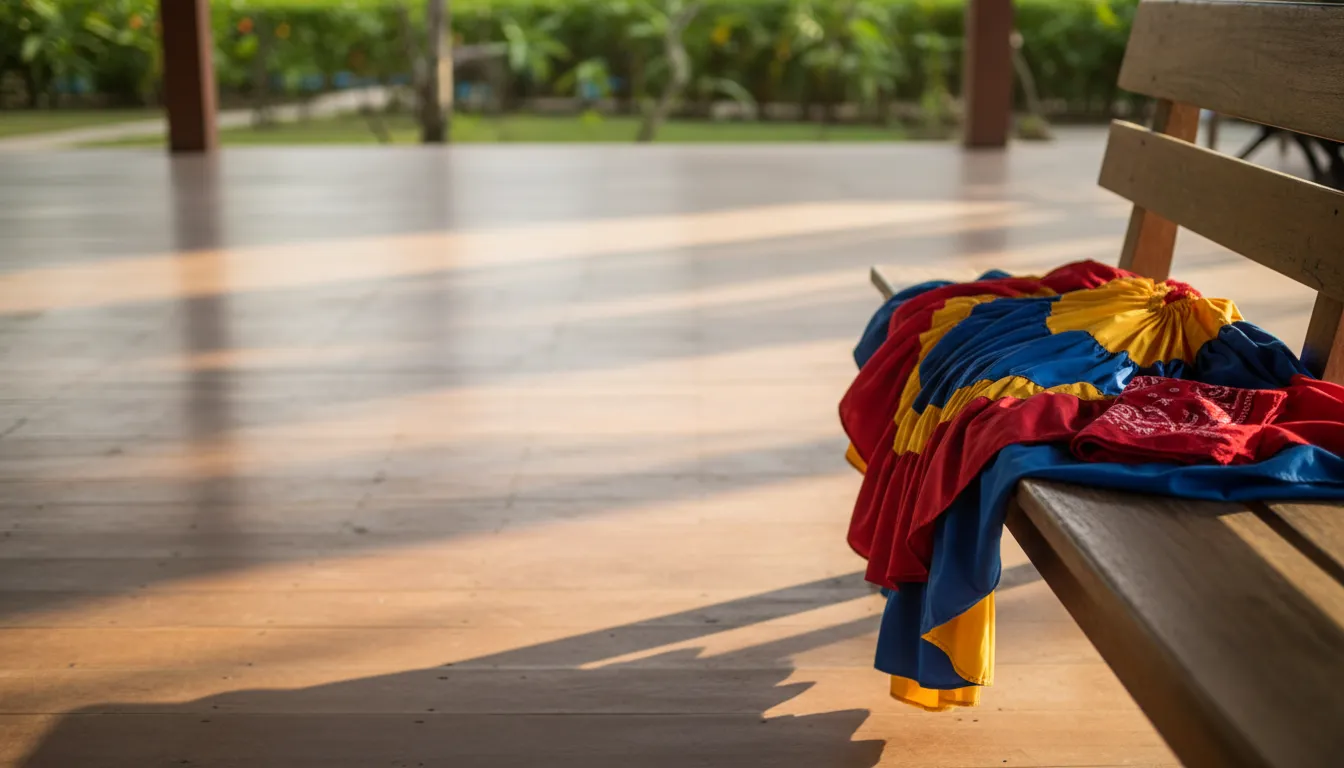
Witness local schoolchildren or dedicated cultural groups in full regalia: women in flowing skirts that bloom like flowers with each twirl, men in crisp white suits and red bandanas, sometimes even elaborate masks depending on the tale the dance tells. The costumes alone are worth seeing—handmade, often passed down through generations, and representing specific regions of Costa Rica. Each color, pattern, and accessory has meaning, from the Guanacaste’s bright reds and blues to the Caribbean coast’s more relaxed, colorful style.
These performances are a masterclass in Costa Rican storytelling, with dances like ‘El Punto Guanacasteco’ or ‘La Cajeta’ portraying courtship and farm life, all to the lively sounds of marimba and guitar. El Punto, the national dance, features a playful chase between partners—men pursuing, women coyly retreating—that’s equal parts comedy and grace. La Cajeta tells the story of sweet-making, with dancers mimicking the stirring of traditional dulce de leche. What makes these performances special isn’t polish (though the dancers are quite skilled); it’s authenticity. These are dances performed because they matter, not because they’re on a schedule. Check out our Navigating Jacó’s Festive Season guide for timing your visit around these cultural moments.
Salsa, Bachata, and Beyond: Jacó’s Nightlife on the Dance Floor
When the sun dips, Jacó’s dance scene often shifts to more contemporary Latin rhythms, with many local spots offering salsa and bachata nights. Places like certain bars along the main strip transform from casual hangouts into impromptu dance floors where Ticos, expats, and travelers mix freely. The vibe is unpretentious—this isn’t some velvet-rope scene. It’s more like your friend’s living room if your friend happened to have excellent taste in music and a really good sound system.
Don’t be shy—these are usually welcoming environments, even for beginners. Many places offer quick lessons before the music kicks in, with patient instructors who understand that not everyone arrives knowing the difference between a cross-body lead and a right turn. The beauty of Latin dance culture is its inclusivity; stumbling through steps with good humor is far more welcome than sitting on the sidelines. Plus, you’ll find that locals genuinely appreciate when visitors make the effort, even if that effort looks more enthusiastic than elegant.
Digital nomads, this is your prime opportunity to unplug and immerse yourself after a day of remote work. There’s something remarkably grounding about physical movement and human connection after hours of screen time. After a night of dancing, a quiet, comfortable bed at Jaco Beach Zen is exactly what you need—close enough that you walked to the venue, far enough that the only rhythm you’ll hear is the waves. For more on where these evenings happen, check our Jacó After Dark: A Local’s Guide to Nightlife.
Catching a Cultural Moment: Tips for Families and Retirees
Timing is everything: Folkloric shows often happen in the late afternoon or early evening, making them perfect for families with younger kids or retirees who prefer an earlier night. The 5-7 PM window hits that sweet spot—late enough for performers to be fresh, early enough that you’re not keeping little ones up past their limits or dealing with the rowdier nighttime crowd. Evening temperatures also tend to be more comfortable, with that coastal breeze taking the edge off the day’s heat.
Check local bulletins or ask around at trusted spots—performance schedules can be fluid in true Tico fashion. The community center bulletin board, your rental’s property manager, even the woman who runs that sodita you’ve been frequenting—these are your best sources. Written schedules exist, but they’re guidelines rather than guarantees. Costa Rica operates on a more flexible timeline, which can be frustrating if you’re used to military precision but charming once you adjust. Our property manager at Jaco Beach Zen always keeps an ear to the ground for happenings and can provide the most current information on what’s actually happening versus what’s theoretically scheduled.
For maximum comfort, look for venues with seating and shade if it’s an outdoor event. The municipal hall usually has covered seating, while park performances might require bringing your own portable chair (locals do this routinely). Arrive early for the best spots, especially for popular events. Bring water, maybe some light snacks for kids, and remember that these events run on Tico time—if it says 6 PM, figure 6:30 or 7 PM for actual start. This built-in buffer is actually perfect for families who need a little wiggle room anyway.
Jaco’s Festival Scene: Dance at the Heart of the Celebration
Jacó’s various cultural festivals are when the town truly comes alive, and dance is often at the very core of these vibrant events. Beyond Independence Day, there’s the beach town’s own celebrations, impromptu community gatherings, and regional festivals that spill into Jacó from nearby towns. The festival calendar here is surprisingly active for a place many dismiss as just a surf destination. December brings holiday celebrations with dance performances woven into nativity plays and posadas. Easter week features solemn religious processions that suddenly break into celebration.
These festivals are prime opportunities to see a diverse range of dance, from indigenous performances honoring Costa Rica’s Bribri and Cabécar heritage to modern interpretations that blend traditional steps with contemporary music. You might witness Afro-Caribbean drumming and dance reflecting the country’s Caribbean coast culture, or see local youth groups putting fresh spins on classic folkloric pieces. The diversity reflects Costa Rica’s multicultural reality—often oversimplified in tourist materials but beautifully complex when you’re actually here.
Keep an eye on the local calendar for events where traditional ‘mascaradas’ (masquerades) often feature dancers parading with giant, handcrafted masks to lively music. These masks—some representing animals, others depicting folkloric characters or even political satire—are extraordinary pieces of folk art. The dancers inside must be part athlete, part performer, managing these sometimes cumbersome creations while executing intricate choreography. Kids absolutely love mascaradas, though very young ones might find the larger masks a bit intimidating at first. The energy is infectious, the music loud and joyful, and the whole experience distinctly, wonderfully Costa Rican.
FAQ
Where can I reliably find a schedule for dance performances in Jacó?
Your best bet is a multi-pronged approach rather than one definitive source. Check the Jacó municipal website or Facebook page for official civic events, though updates can be sporadic. The community center (Centro Cívico) often posts physical bulletins about upcoming performances. Local businesses, especially restaurants and hotels, frequently know about events and may have flyers. Honestly, your most reliable source is asking locals—your property manager, restaurant servers, or shop owners. At Jaco Beach Zen, we maintain connections with community organizers and can typically give you the real scoop on what’s happening and when. Follow local Facebook groups for Jacó residents too; they’re surprisingly active and helpful.
Are traditional Costa Rican dance shows usually family-friendly and safe for kids?
Absolutely. Traditional folkloric performances are quintessentially family events in Costa Rican culture, often featuring children as performers alongside adults. The content is wholesome—celebrating heritage, nature, daily life, and courtship in innocent, playful ways. These events typically happen in well-lit public spaces like parks or municipal buildings with families comprising most of the audience. Safety is generally excellent, though standard awareness applies: keep track of little ones in crowds, stay hydrated, and mind your belongings. The atmosphere is welcoming rather than wild. Evening salsa nights at bars are obviously a different vibe—still safe, but geared toward adults and the later-night crowd.
Do I need to book tickets in advance for cultural dance events, or can I just show up?
Most community folkloric performances and civic celebrations are free and open to the public—no tickets required, just show up. These are community events funded by municipal budgets or cultural organizations, designed for everyone. Occasionally, special performances by visiting troupes or fundraising events might charge a small fee (usually minimal, like $5-10), and these sometimes benefit from advance purchase, though sellouts are rare. For salsa nights and dance socials at bars, there’s typically no ticket—maybe a small cover charge at the door or a drink minimum. The Costa Rican approach to culture is inclusive rather than exclusive, which is refreshing.
What’s the best way to get to and from evening dance performances in Jacó?
If your performance is in central Jacó (most are), walking is perfectly viable and pleasant if you’re staying somewhere like Jaco Beach Zen—close enough to downtown that it’s a short, safe stroll. The main strip is well-lit and usually busy in early evening. For performances at the municipal hall or community center, it’s typically a 15-20 minute walk from beachfront properties. Taxis are plentiful and inexpensive (usually $3-5 for short trips within Jacó). Uber operates here too, though less reliably than in San José. Many visitors simply walk to events and grab a taxi home afterward, especially if staying later. It’s one advantage of Jacó’s compact size—cultural events are accessible without extensive planning.
Can tourists participate in any of the local dance events, like salsa nights?
Not only can you participate—you’re warmly encouraged to! Salsa and bachata nights at local spots actively welcome beginners, and instructors often start evenings with basic lessons specifically for newcomers. Locals appreciate when visitors engage with their culture beyond surfing and sunbathing. Don’t worry about being perfect; enthusiasm and respect matter far more than technique. For traditional folkloric performances, these are typically watch-and-enjoy events rather than participatory, though festival atmospheres sometimes include community dances where everyone joins. The key is reading the room—if you see others jumping in, feel free. If it’s a formal presentation, appreciate from the audience. When in doubt, ask. Ticos are generally delighted to guide willing participants.
Are there specific times of year when more cultural dance performances happen in Jacó?
Definitely. September is peak season for traditional performances, culminating in Independence Day celebrations on the 15th—expect multiple dance events throughout the month. December brings holiday-themed performances and celebrations, particularly around Christmas and New Year’s. Easter week (Semana Santa) features religious processions often incorporating dance and music. July sometimes includes events around Guanacaste Day (July 25th), celebrating the province where many traditional dances originated. That said, Jacó’s year-round international population means you’ll find salsa nights and contemporary dance events consistently throughout the year. Summer months (December-April) tend to have more cultural programming overall due to better weather and higher tourism, but authentic moments happen year-round for those paying attention.
What should I wear to a traditional dance performance in Jacó to feel comfortable and respectful?
Comfortable casual is the sweet spot—think clean shorts or lightweight pants, a nice t-shirt or casual button-up, comfortable walking shoes. Costa Ricans tend toward neat casual rather than dressed-up formal, even for cultural events. You’ll see locals in everything from sundresses to jeans, but generally looking put-together rather than beach-rumpled. Avoid overly revealing clothing out of respect (save the bikini cover-up for beach bars), but no need for anything fancy. Comfortable shoes matter if you’re standing or walking between venues. Evening temperatures are pleasant, but bring a light layer if you’re sensitive to cool breezes. For salsa nights, wear something you can move in—breathable fabrics, shoes you can dance in (closed-toe recommended). Basically, aim for “respectful tourist” rather than “just off the beach” or “formal dinner.” When in doubt, observe what locals are wearing and match that energy.
Bahía Azul, unit 7C sits right on this stretch of sand — on the quiet south end of Jacó, a few hundred feet from the water.
Book on Airbnb