Jaco isn’t just surf breaks and sunset happy hours—it’s become one of Central America’s most vibrant street art destinations, and most visitors walk right past it. Between the touristy main drag and the beach, dozens of massive murals transform concrete walls into storytelling canvases. You’ll find everything from hyper-realistic wildlife portraits to abstract color explosions, political commentary to playful tropical scenes. The best part? You don’t need a tour guide or ticket—just comfortable shoes and a camera. This coastal town’s street art scene tells stories about Costa Rica’s environmental ethos, cultural identity, and creative spirit, all while you’re ostensibly just walking to get tacos.
Why Jaco Became Costa Rica’s Street Art Capital
Jaco’s transformation from sleepy surf town to outdoor gallery happened organically over the past decade. The municipality started inviting international street artists during annual festivals, then local property owners caught on—suddenly blank walls became valuable real estate for public art. Unlike San José’s established mural districts, Jaco’s street art feels integrated into daily life rather than cordoned off in designated zones.
The town’s architecture lends itself perfectly to large-scale murals. Wide concrete walls facing main streets, minimal architectural ornamentation, and year-round sunshine create ideal conditions for outdoor art that actually lasts. Artists from Colombia, Argentina, the U.S., and Costa Rica have all contributed pieces, creating an unexpected international art exchange in this beach town. The tropical climate means murals fade faster than in temperate zones, so the gallery constantly evolves—what you see this year might be painted over by next season.
This isn’t graffiti culture like you’d find in urban centers; it’s sanctioned public art that building owners commission and maintain. That distinction matters because it reflects Jaco’s broader identity: a place that values creativity but stays organized enough to actually preserve it. The result is street art that enhances rather than fights with its surroundings.
The Best Murals You Can’t Miss
Start at the massive sea turtle mural near Pops Ice Cream on Avenida Pastor Díaz—it’s become Jaco’s unofficial street art landmark. The hyper-realistic rendering shows a hawksbill turtle mid-swim, scales detailed enough that you can practically count them. The piece doubles as environmental commentary: look closely and you’ll spot plastic debris woven into the coral background.
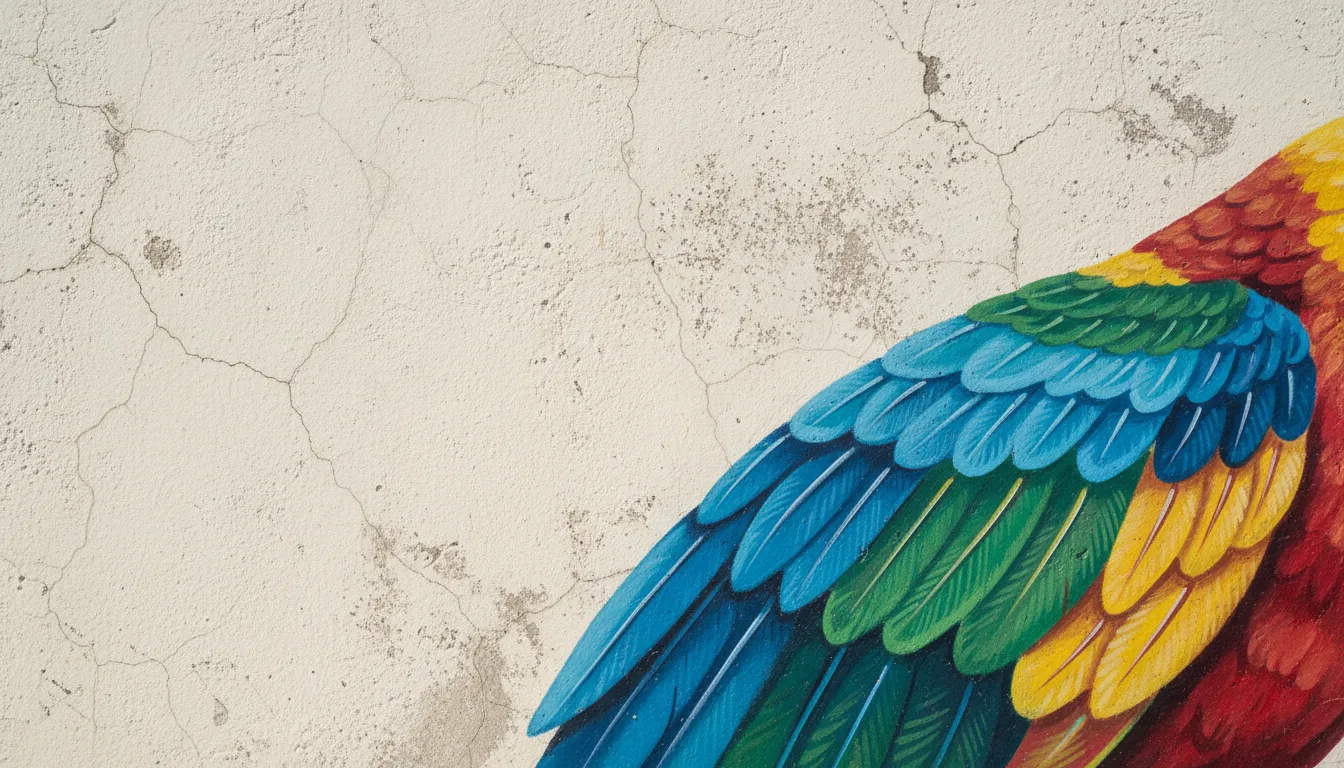
Head north toward the Mas x Menos supermarket and you’ll hit a three-story explosion of tropical birds in flight, wings spread across an entire apartment building. The color gradients shift as the sun moves—morning light makes the scarlet macaws glow, while afternoon shadows add depth to the toucan beaks. It’s the kind of mural that photographs differently every hour.
The side streets between Pastor Díaz and the beach hide smaller gems. There’s a commentary piece showing a sloth tangled in telephone wires (subtle metaphor, but effective), and a purely abstract work that uses traditional Chorotega pottery patterns reimagined in day-glo colors. One favorite among locals depicts a surf break using only geometric shapes and motion lines—surfers recognize Hermosa Beach’s wave formation instantly.
Don’t skip the alleyway behind the municipal market. Yes, it smells like yesterday’s fish, but there’s a series of connected murals telling Costa Rica’s environmental protection story from rainforest canopy to ocean floor. Artists collaborated to create visual continuity across six separate walls, making the entire alley feel like walking through a storybook.
Planning Your Self-Guided Jaco Art Walk
The most walkable route covers about 2.5 kilometers and takes 90 minutes if you’re actually looking at the art (versus just checking boxes). Start at the north end of town near the Best Western and work south toward the Jaco Beach pier, then loop back through the parallel streets one block inland. This path captures maybe 70% of the notable murals while keeping you in reasonably photogenic neighborhoods.
Timing matters more than you’d think. Early morning (7-9 AM) offers the best light for photography, emptier streets, and tolerable heat. Midday sun washes out colors and creates harsh shadows—plus you’ll be miserable. Late afternoon (4-6 PM) brings back good light with a golden-hour bonus, though streets get busier with locals finishing work. Avoid rainy season afternoons when sudden downpours turn your art walk into a sprint for cover.
Bring water, sunscreen, and a real camera if you care about image quality—phone cameras struggle with the scale and detail of large murals. Wear actual walking shoes, not flip-flops; sidewalks in Jaco range from “acceptable” to “lawsuit waiting to happen.” A small backpack helps for carrying purchases if you detour into the shops between murals.
Most murals are visible from public sidewalks, but a few require politely walking through semi-private courtyards or restaurant patios. Costa Ricans are generally cool about this if you’re respectful and obviously there for the art. The cultural etiquette in Jaco article covers the social norms that’ll keep you from accidentally being that tourist.
Combining Street Art with Other Jaco Experiences
The beauty of a street art walk is how easily it layers with other activities. The mural route passes directly by Jaco’s best cafés—stop at Ohana for proper espresso, or Green Room for açaí bowls between art stops. You’re also walking through the heart of the Jaco shopping district, so build in time for browsing local craft shops and surf boutiques.
For deeper cultural context, time your visit with the monthly Jaco farmers market, held on Friday mornings. The vendor stalls set up along streets lined with murals, creating an accidental street fair atmosphere where local food, art, and community converge. You’ll see artists selling prints of their murals alongside farmers selling pineapples.
If you’re staying somewhere with a kitchen—like certain well-positioned beachfront properties north of town—the art walk doubles as a grocery run. The route passes both major supermarkets, the municipal market, and several specialty food shops. Practical multi-tasking is an underrated travel skill.
Photography Tips for Capturing Jaco’s Murals
Large-scale murals present specific photographic challenges. First, you need distance—stepping back far enough to frame the whole piece often means standing in the street. Look for slight elevation changes (small hills, raised sidewalks, storefront steps) that give you an extra meter of height; it helps with perspective distortion.
Use your phone’s panorama mode for murals wider than your camera’s field of view, but walk slowly and keep the phone level—rushing creates that warped, funhouse mirror effect. For detail shots, get close and focus on specific elements: an eye, a flower cluster, the texture of brushstrokes. These close-ups often tell the story better than full-wall shots.
The lighting sweet spot is overcast days. Seriously. Direct tropical sun creates extreme contrast that cameras hate—blown-out highlights, muddy shadows. Clouds act as a giant softbox, evening out the light and letting colors show their true saturation. If you must shoot in full sun, position yourself so the mural is in shade or shoot during the brief window when clouds pass.
Respect the art and the neighborhood. Don’t climb on walls, touch murals (oils from hands degrade paint), or block business entrances for your photo. If locals or business owners are in your frame, ask permission with a smile and “¿Está bien?” Most say yes; some ask you to buy something, which seems fair.
The Artists Behind the Walls
Jaco’s street art isn’t anonymous tagging—most pieces are signed, and several artists have become locally famous. JAZ, an Argentinian artist, created the geometric surf break piece that surfers love. His style combines sharp angles with flowing motion, capturing wave physics through pure abstraction. You’ll recognize his work by the limited color palettes (usually three colors max) and mathematical precision.
Costa Rican artist Paola Beck contributes much of the wildlife realism. The sea turtle, several bird murals, and a stunning jaguar piece are hers. She works from photography but adds surrealist elements—the jaguar’s spots gradually transform into butterflies as they trail off its body. Her technical skill is obvious, but the conceptual layers make the work memorable.
International festivals bring rotating artists, so the collection constantly changes. Some murals are explicitly temporary, commissioned for specific events and painted over annually. Others become permanent fixtures that locals fight to preserve. This tension between permanence and evolution keeps the street art scene dynamic rather than static.
Frequently Asked Questions About Jaco Street Art Tours
Are there organized street art tours in Jaco?
Currently, no companies offer regular scheduled street art tours in Jaco. The scene is informal enough that most visitors self-guide using phone maps or local recommendations. Occasionally during festival periods (usually February or November), temporary guided walks pop up, but they’re not reliably available. The DIY approach works fine—murals are visible from public areas and concentrated enough that wandering naturally reveals them. If you want expert context, chat with staff at local art galleries who can usually point you toward recent additions and share artist backgrounds.
How long does a complete Jaco mural walk take?
A thorough walk covering major murals takes 90 minutes to two hours at a relaxed pace with photo stops. If you’re rushing and just want to see highlights, you can knock out the top ten pieces in 45 minutes, but that defeats the purpose. Adding café breaks, shopping detours, or deeper exploration of side streets easily extends this to a half-day activity. The compact geography means you’re never far from where you started, so there’s no pressure to complete a rigid route—wander, backtrack, and follow interesting alleyways.
Is Jaco street art safe to explore alone?
Yes, with standard urban awareness. The main mural routes follow well-trafficked streets used by locals and tourists throughout the day. Stick to daylight hours, keep valuables secure, and trust your instincts about which side streets feel welcoming. The areas with the best murals coincide with commercial districts that maintain reasonable foot traffic. Solo travelers, including women, regularly explore Jaco’s street art without issues. Evening walks are fine on main streets, but save the quieter alleyway murals for daytime visits. Standard travel precautions apply—don’t wave expensive cameras around carelessly or leave bags unattended while photographing.
Can you visit Jaco murals year-round?
Absolutely. Unlike indoor galleries with operating hours, street art is accessible 24/7, 365 days yearly. That said, the rainy season (May-November) brings afternoon downpours that can interrupt your walk, and some murals fade faster due to moisture. Dry season (December-April) offers more predictable weather for photography. New murals appear throughout the year, while others fade or get painted over, so the collection evolves constantly. If you’re visiting during festival periods (JAZ Festival in February sometimes includes live mural painting), you might catch artists in action, which adds another dimension to the experience.
Do you need to pay to see Jaco’s street art?
No. All murals visible from public sidewalks and streets are free to view and photograph. There are no admission fees, tour requirements, or restricted areas. This accessibility is part of the street art ethos—art integrated into daily life rather than gatekept in museums. If a mural is on private property (inside a restaurant courtyard, for example), the implicit expectation is that you’re a customer, but even then, most businesses welcome art enthusiasts. Some galleries near the mural routes sell prints and smaller works by the same artists, which supports the scene if you want to contribute financially.
Where should I stay to be near Jaco’s street art?
The mural concentration centers around downtown Jaco, particularly the six blocks between the Mas x Menos supermarket and the beach. Accommodations in this zone put you within walking distance of most pieces. Properties just north of downtown, like Jaco Beach Zen, offer the advantage of being close enough to walk to murals (15 minutes to the main concentration) while maintaining separation from the downtown hustle. You get beach access, quieter surroundings, and can still reach the art walk easily. Central locations mean more noise and street activity but slightly shorter walks to murals. Consider whether you prioritize being in the artistic thick of things versus having a peaceful base to return to after exploring.
Bahía Azul, unit 7C sits right on this stretch of sand — on the quiet south end of Jacó, a few hundred feet from the water.
Book on Airbnb