Jaco’s Secret Sauce: Unearthing the Genuinely Local Festivals & Culture
Sure, you could spend your entire Jaco vacation riding waves and sipping piña coladas by the pool—no judgment there. But if you’re the type who wants to peel back the tourist veneer and see what actually makes this beach town tick, you’ll want to mark your calendar for the local festivals. These aren’t the sanitized, performance-for-foreigners affairs you might expect. We’re talking about genuine community celebrations where the mechanical bull at the town plaza is less of a gimmick and more of a Tuesday. The kind of events where street vendors dish out food so good you’ll question every beach resort buffet you’ve ever attended. Where kids run wild with sticky hands from freshly made churros, and the music—oh, the music—spills out from every corner with an infectious energy that makes even the most rhythm-challenged gringo want to dance. This is experiencing the vibrant Pura Vida lifestyle in its purest form, and it’s happening right under your nose if you know where to look.
Beyond the Brochure: What Makes Jaco’s Festivals Truly ‘Local’?
Here’s the thing about Jaco’s festivals: they weren’t designed with tourists in mind. They existed long before the surf shops and beach clubs moved in, and they’ll continue long after this season’s trends fade. When you stumble upon a town celebration here, you’re witnessing something that would happen whether or not a single visitor showed up. That’s the magic.
Forget the contrived tourist traps with their scheduled “authentic cultural experiences” (complete with gift shop exit). Jaco’s festivals are where the community actually gathers, usually with a generous dose of Pura Vida spirit and, yes, frequently a mechanical bull that’s seen better days but still draws a crowd. You’ll find impromptu street performances that weren’t in anyone’s official itinerary, kids selling homemade tres leches cake from coolers, and the kind of genuine smiles that tell you you’re not just observing—you’re participating.
The real beauty lies in understanding the ‘why’ behind the ‘what.’ Many of these celebrations are rooted in Costa Rican history, religious traditions dating back generations, or sometimes just a collective decision that life’s too short not to throw a party on a random Thursday. There’s often a uniquely Tico twist—perhaps a saint’s day celebration that somehow incorporates a salsa competition, or a school anniversary that turns into a full-blown street fair. This cultural layering is what makes Jaco’s festivals fascinating. They’re not museum pieces; they’re living traditions that evolve while maintaining their essential character.
And if you’re wondering about a peek into the local culinary scene, festivals are where you’ll find it in its most unfiltered glory. Follow your nose to the tantalizing aroma of chifrijo (a local rice-and-bean dish that’s basically a hug in a bowl), fresh ceviche prepared roadside, or churros fried to golden perfection while you wait.
The Jaco Festival Calendar: When to Catch the Community in Full Swing
Let’s address the elephant in the room: if you’re expecting a neatly organized festival calendar with dates locked in six months ahead, you’ve clearly never experienced Pura Vida time. Schedules here are more of a suggestion than a rule, which can be either charming or frustrating depending on your personality type.
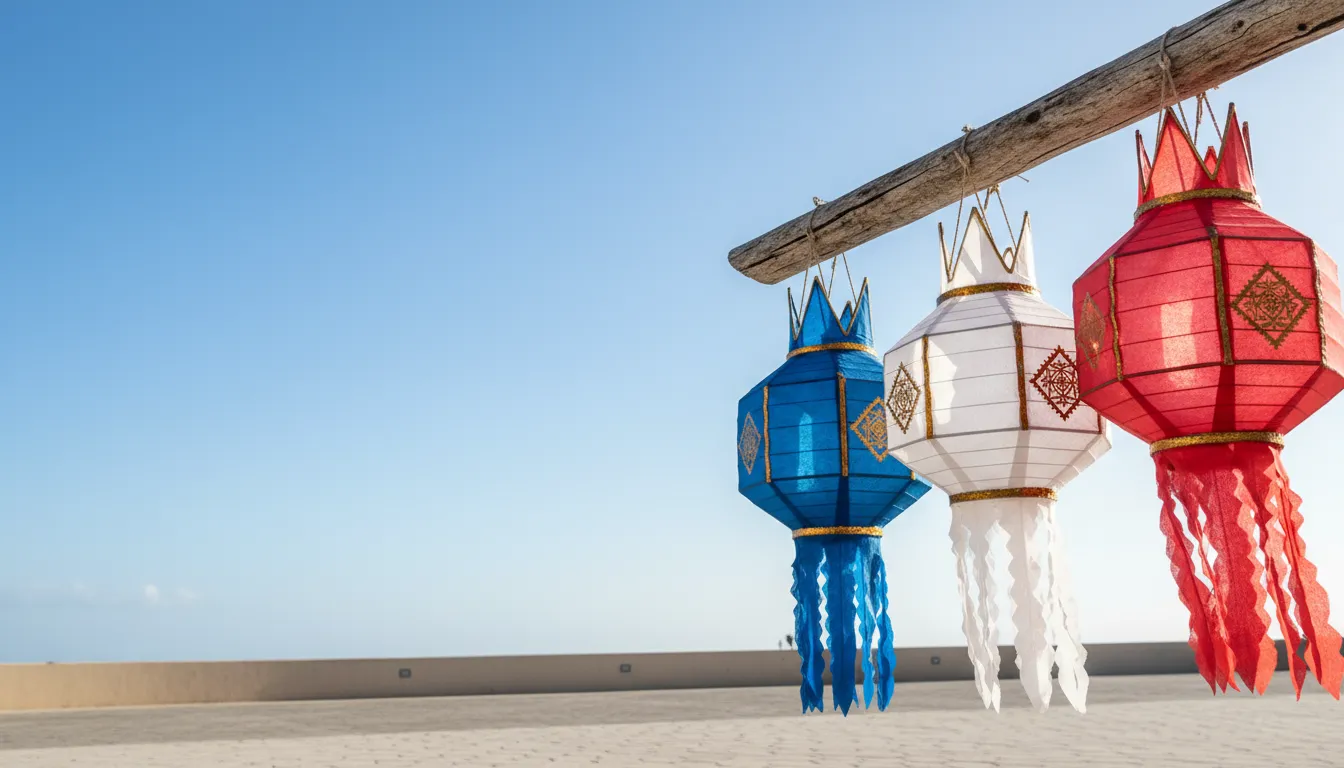
That said, there are recurring annual events that serve as community staples. Religious feast days—particularly patron saint celebrations—happen with reliable irregularity (if that makes sense). School parades marking important dates in Costa Rican history materialize with impressive pomp. Independence Day festivities in September transform the town into a sea of blue, white, and red, with traditional lantern parades that are genuinely moving.
The absolute best way to catch wind of these happenings? Chat with local vendors at the Friday ‘feria’ (farmer’s market). These folks are the town’s informal news network, and they’ll happily share what’s coming up while weighing your bananas. Keep an eye out for hand-painted signs around town announcing upcoming events—they might be taped to telephone poles or propped in shop windows. The production value is low, but the information is gold.
Don’t expect every festival to have a grand, advertised schedule complete with parking information and accessibility guidelines. Sometimes, the best ones are discovered by happy accident—like when you’re walking back from the beach and stumble upon a spontaneous ‘tope’ (horse parade) with dozens of riders in traditional garb, their horses’ manes braided with ribbons. Our staff at Jaco Beach Zen can provide up-to-the-minute intel on local happenings, which is particularly useful for those events that materialize with about 48 hours’ notice.
Family-Friendly Fiesta: Navigating Jaco’s Celebrations with the Crew
Security-conscious parents, take a breath: Jaco’s community events are generally very welcoming and safe spaces for families. The atmosphere is relaxed, locals are protective of their own celebrations, and you’ll often see multiple generations attending together. That said, common-sense practices always apply—keep an eye on little ones in crowded spaces, secure your valuables, and establish a meeting point if anyone gets separated.
The infrastructure for kids is surprisingly robust. Look for face painting booths (seriously, they’re everywhere, and the artistry ranges from “adorable attempt” to “legit impressive”), bouncy castles that seem to appear at every event regardless of theme, and plenty of open spaces for kids to burn off that mango-fueled energy. Many festivals include traditional games like sack races or piñatas, and kids are usually welcomed to participate regardless of whether they speak Spanish.
Timing matters when you’re traveling with young children. Consider attending earlier in the day if your crew has early bedtimes. Morning and early afternoon hours offer a gentler introduction to the festivities—food vendors are setting up, entertainment is family-oriented, and the energy is more mellow. Evenings can get livelier with music cranking up, dancing spilling into the streets, and an adult crowd that’s been enjoying Costa Rica’s excellent beer selection for several hours. Still fun, just a different vibe.
One of Jaco Beach Zen’s underrated advantages is the location sweet spot: close enough to walk to town festivities (about 10-15 minutes), but far enough to offer a peaceful retreat when the party’s over and your kids need to decompress. You’re not trapped in the middle of the action when bedtime rolls around, but you’re not so isolated that attending requires a major expedition.
Digital Nomad’s Delight: Blending Work with Local Festivities
For the laptop warriors among us, Jaco’s festival calendar actually works quite nicely with the remote work lifestyle. Many major festivals are concentrated over weekends or evenings, which means you can knock out your deliverables during the day and immerse yourself in local culture when your Slack goes quiet.
The practical consideration here is background noise. While some events involve sound systems that could wake the dead (local sound engineers seem to subscribe to the “louder is always better” philosophy), others offer a quieter cultural immersion that won’t interrupt your Zoom calls. The Friday farmer’s market, for instance, is lively but conversation-level noise. A beach tope is visual spectacle with moderate ambient sound. The town anniversary celebration with competing DJ booths? That’s a “close your laptop and surrender to the chaos” situation.
Good Wi-Fi is crucial for the modern nomad, and while you might find a cafe with strong signal near festival action, reliability varies wildly during peak events when everyone’s simultaneously trying to upload selfies. Jaco Beach Zen offers consistently reliable internet and comfortable workspaces designed for productivity, allowing you to seamlessly transition from crushing deadlines to crushing beers at the local celebration. It’s the best of both worlds: professional infrastructure when you need it, authentic cultural experiences when you’re off the clock.
The Underrated Gems: Festivals Beyond the Main Tourist Circuit
Here’s where we separate the casual visitors from the true Jaco insiders. While the big annual celebrations get their due attention, some of the most rewarding cultural experiences happen on a smaller, more frequent scale.
The ‘feria del agricultor’ (farmer’s market) happens every Friday and functions as a weekly mini-festival of fresh produce, local crafts, and genuine Tico interactions. It’s where locals do their grocery shopping, yes, but it’s also a social institution. You’ll overhear gossip, witness friendly vendor rivalries, sample fruits you can’t pronounce, and score artisan products at prices that make you question what you’ve been paying back home. The energy is laid-back but convivial, and it’s an excellent crash course in local life.
Keep an ear out for ‘cabalgatas’ or ‘topes’—horse parades that are a nod to Costa Rica’s ranching heritage. These can be spectacular, particularly when they happen on the beach with riders showing off their finely groomed horses against the Pacific backdrop. The horsemanship is impressive, the traditional costumes are beautiful, and the whole affair feels like stepping into a different era. These events aren’t always heavily promoted, so you might luck into one or miss it entirely depending on your timing.
Sometimes, local schools or churches host small, charming fairs with traditional games, food booths run by parent volunteers, and entertainment that ranges from student performances to hired bands. These hyperlocal events offer a glimpse into everyday community life that most tourists never encounter. The production value is minimal, but the authenticity is maximum. You might be the only foreigner there, which can feel uncomfortable initially but usually results in warm welcomes and invitations to try everything.
FAQ
What are the typical hours for local festivals in Jaco?
Pura Vida time means exact hours are… flexible. Generally, daytime festivals run from around 10 AM to sunset, while evening celebrations might start at 6 PM and continue until the music stops (which could be anywhere from 10 PM to 2 AM, depending on enthusiasm and noise ordinances). Weekend events tend to run longer than weekday celebrations. Food vendors usually arrive early and leave when supplies run out, which can be surprisingly early if something’s particularly popular. Your best bet is asking locals about specific events.
Are Jaco’s local festivals usually free to attend, or is there an entrance fee?
Most community festivals are completely free—they’re public celebrations on public streets, after all. You’ll pay for food, drinks, and any activities you participate in (mechanical bull rides aren’t free, sadly), but simply attending and soaking up the atmosphere costs nothing. Occasionally, organized events at specific venues might charge admission, particularly if they’re fundraisers for schools or community projects, but fees are typically minimal (think $2-5 USD equivalent).
How can I find out about specific dates for Jaco’s upcoming community events?
Your information network should include: local vendors at the Friday farmer’s market (they know everything), staff at Jaco Beach Zen (we keep tabs on community happenings), hand-painted signs around town (low-tech but effective), and simply asking shop owners or restaurant staff. Social media groups for Jaco residents sometimes announce events, though you’ll need to navigate Spanish-language posts. The official tourism board occasionally lists major festivals, but they miss the smaller, more authentic celebrations.
Are local festivals in Jaco safe for families with young children?
Absolutely. Jaco’s community festivals are family-oriented affairs where you’ll see multiple generations celebrating together. The atmosphere is generally relaxed and welcoming, with locals protective of their celebrations’ family-friendly nature. That said, apply common sense: keep kids close in crowded areas, establish meeting points, stay hydrated in the heat, and be mindful of your belongings. Daytime hours are particularly kid-appropriate, while late evening festivities cater more to adult crowds.
What kind of food and drinks are typically available at Jaco’s local celebrations?
Think traditional Costa Rican street food at its finest: chifrijo (rice, beans, pork, and pico de gallo), ceviche, empanadas, churros, fresh tropical fruit cups, grilled corn on the cob slathered with mayo and cheese, and various meat-on-a-stick situations. Drinks include fresh fruit smoothies (batidos), coconut water straight from the coconut, local beer, and various sugary sodas. Prices are extremely reasonable—often half what you’d pay at tourist restaurants. Cash is king at these events.
Do I need to speak Spanish to enjoy Jaco’s cultural events?
Not necessarily, though knowing basic Spanish enhances the experience significantly. Many vendors speak some English, particularly in tourist-heavy Jaco, and gestures work surprisingly well for ordering food or asking prices. That said, locals deeply appreciate even clumsy attempts at Spanish—a simple “¿Cuánto cuesta?” (How much?) or “Muchas gracias” goes a long way. The cultural immersion is richer when you can chat with people, but language barriers shouldn’t stop you from attending. Smiles, pointing, and enthusiasm are universally understood.
Bahía Azul, unit 7C sits right on this stretch of sand — on the quiet south end of Jacó, a few hundred feet from the water.
Book on Airbnb