Jaco’s Culinary Soul: Eating Your Way Through Costa Rica’s Pacific Gem
Forget the all-inclusive buffet line where everything tastes vaguely the same. Jaco’s real food story unfolds in family-run sodas where the cook probably learned from her grandmother, at beachside shacks where your pescado frito arrives minutes after it left the ocean, and in the cluttered chaos of the Saturday morning feria where vendors hawk homemade tamales with evangelical fervor. This isn’t fusion cuisine or Instagram-worthy food art—it’s the comforting, unpretentious food that actual Costa Ricans eat every single day. And if you’re staying close enough to town to explore on foot but far enough to actually sleep through the night (sound familiar?), you’re positioned perfectly to eat your way through Jaco like someone who actually lives here. Here’s how to decode the local food scene without ending up at another tourist trap serving “authentic” food that no Tico would recognize.
Beyond the Resort Buffet: Decoding Jaco’s Comida Típica Scene
Let’s clear something up immediately: Costa Rican food isn’t spicy, it isn’t particularly exotic, and it won’t win awards for Instagram aesthetics. What it is happens to be deeply satisfying, genuinely affordable, and built around the revolutionary concept that lunch should actually fill you up. The epicenter of this philosophy is the humble soda—not the carbonated beverage, but the small, family-run eatery where plastic chairs meet tile floors and someone’s tía is definitely in charge of the beans.
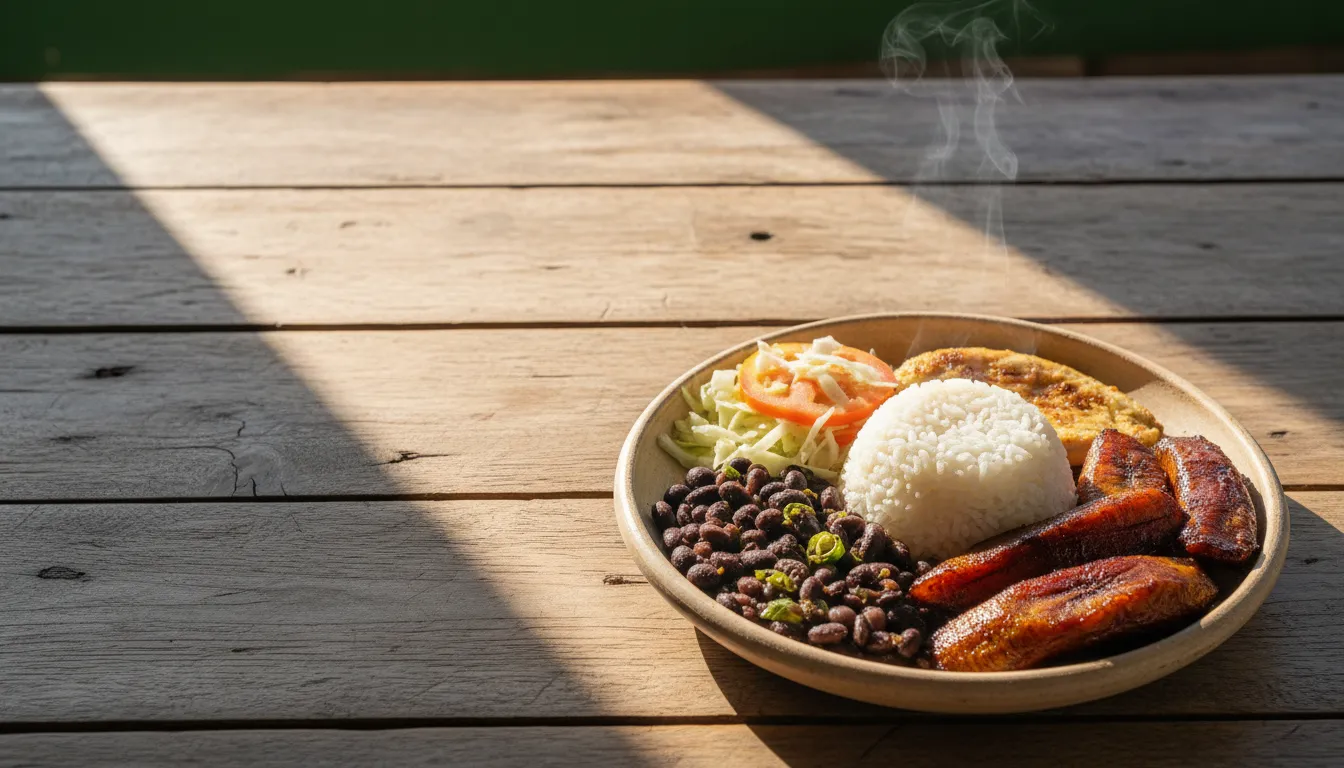
The casado is your entry point into this world, and yes, you need to try one. The name literally means “married,” referring to the marriage of rice and beans, but the plate comes loaded with salad, sweet plantains, picadillo (a lightly seasoned vegetable hash), and your protein of choice. It’s the platonic ideal of a complete meal, the kind of lunch that makes you understand why Costa Ricans take their midday break seriously. Finding your favorite casado in Jaco becomes a personal quest—some prefer theirs with perfectly crispy chicken, others swear by the grilled fish version, and the real veterans know which sodas nail the bean preparation. This isn’t foodie tourism; it’s functional eating elevated to an art form through decades of repetition and refinement.
Soda Safari: Navigating Jaco’s Best-Kept Culinary Secrets (and the Famous Ones)
Jaco Rústico has achieved something rare: it’s simultaneously a tourist destination and genuinely beloved by locals, which should tell you everything. This cafeteria-style operation serves casados that could make a grown surfer weep, with portions sized for people who actually use their calories. The chaos is part of the charm—you’ll navigate a line, point at things, probably gesture helplessly when your Spanish fails, and emerge with a tray loaded with more food than seems reasonable for the price. It’s an institution, and skipping it because you’re afraid of crowds or cafeteria trays would be like visiting Paris and avoiding the Eiffel Tower because it’s “too touristy.”
But Rústico isn’t the whole story. Scattered throughout Jaco’s side streets, you’ll find smaller sodas that cater primarily to construction workers, local families, and the digital nomads who’ve figured out that authentic beats trendy every single time. These spots don’t have websites or social media presence—they have handwritten menus, reasonable prices, and cooks who’ve been making the same dishes for twenty years. Look for places packed with locals during lunch hours, where the TV plays Costa Rican football and nobody speaks much English. Soda Nahomi and Soda Garabito both fit this profile perfectly, offering massive plates for under $6 and the kind of consistent quality that comes from doing one thing extremely well.
The Daily Grind: Breakfast, Lunch, and Dinner, Tico Style
Your Costa Rican food education begins at breakfast with gallo pinto, the rice-and-beans combination that fuels the entire country. Mixed with Salsa Lizano (the ubiquitous condiment that tastes vaguely like Worcestershire sauce had a tropical vacation), served alongside scrambled eggs, sour cream, and sometimes fried cheese, this is the breakfast that says “you have a full day ahead and you’ll need actual energy.” The best versions achieve a slight crispiness on the rice while keeping the beans creamy—Soda Tapia does this particularly well, and their early morning crowd of locals proves it.
Lunch is casado prime time, but don’t sleep on arroz con pollo (chicken and rice cooked together with vegetables) or olla de carne, a hearty beef and vegetable stew that arrives steaming in a bowl and includes chunks of yuca, chayote, plantain, and whatever else looked good at the market that morning. These dishes represent comfort food in its purest form—the kind of meal that makes you want to find a hammock and completely abandon your afternoon plans. For families with picky eaters, these mild, recognizable flavors often work better than trying to convince kids to try something “adventurous.”
Dinner at sodas tends to be simpler—many close early or offer limited evening menus—but this is when you discover that simple doesn’t mean boring. A perfectly grilled chicken breast with rice, beans, and salad might sound basic until you taste chicken that wasn’t raised in a factory farm and rice that was actually seasoned. Our kitchen at Jaco Beach Zen is perfect for preparing local produce and seafood you’ve picked up from markets, letting you create your own Tico-inspired dinners while still hearing the waves.
Catch of the Day: Jaco’s Seafood Scene, Straight from the Pacific
Being approximately thirty seconds from the Pacific Ocean means Jaco’s seafood game is legitimately strong. We’re talking whole fried snapper (pargo frito) that arrives golden and crispy, with flesh so tender it falls off the bone. Ceviche here means fish that was probably swimming that morning, cured in lime juice with cilantro, onions, and just enough heat to wake up your palate. Grilled mahi-mahi (dorado) comes brushed with garlic butter and tastes like the ocean decided to be delicious.
For the full beachfront experience, Lemon Zest and Tsunami Sushi both offer excellent fresh catches in settings where sand in your shoes is expected. But for the real local vibe, seek out the smaller spots where fishermen’s wives run the kitchen and the menu depends entirely on what came off the boats that morning. El Hicaco fits this category—it’s not fancy, the ambiance won’t win design awards, but the seafood is stupid fresh and prepared with the kind of confidence that comes from knowing your ingredients are perfect. Order the whole fish, share it family-style, and remember that sometimes the best meals come with plastic forks.
Street Eats & Market Finds: Jaco’s Culinary Hidden Gems
Jaco’s street food scene rewards the adventurous without requiring bravery—this isn’t extreme eating, just good food sold from carts and small windows. Empanadas emerge from hot oil perfectly golden, filled with seasoned beef, chicken, or cheese, and cost about a dollar. Salvadoran pupusas (thick corn tortillas stuffed with cheese, beans, or pork) show up at various spots around town, served with tangy curtido (pickled cabbage) that cuts through the richness. Fresh fruit smoothies (batidos) blend tropical fruits with milk or water, providing instant relief from Jaco’s heat while actually tasting like fruit instead of sugar syrup.
The Saturday morning feria (farmer’s market) near the soccer field transforms into Jaco’s culinary heart, where you’ll find homemade tamales, local cheeses, fresh-baked bread, and produce so fresh it still has dirt clinging to it. Vendors sell homemade hot sauce, locally roasted coffee, and mysterious snacks you should absolutely try even if you can’t identify all the ingredients. For families, this is hands-on cultural education that happens to involve snacks. For digital nomads, it’s meal prep that costs less than a single restaurant dinner.
Our location puts you close enough to these markets that you can actually walk there, load up on ingredients, and return before your coffee gets cold. Having a full kitchen means you can turn those market finds into meals without relying on restaurants for every single bite.
FAQ
Where can I find the most authentic and budget-friendly Costa Rican food in Jaco?
Jaco Rústico remains the gold standard for authentic casados at prices that make you double-check the bill, but smaller spots like Soda Nahomi and Soda Garabito offer equally genuine food with even fewer tourists. Look for sodas packed with locals during lunch (11:30 AM to 1 PM)—that’s your quality indicator. Expect to pay $4-7 for a massive plate that’ll fuel your entire afternoon. The Saturday feria near the soccer field also offers incredible value on fresh produce, homemade tamales, and local snacks that cost pennies.
Are there any food tours in Jaco Beach that focus on traditional Tico cuisine?
Formalized food tours exist but honestly miss the point—Jaco’s food scene is best explored independently, following your nose and the crowds of locals. That said, some local guides offer informal walking tours that include soda stops and market visits. Ask at your accommodation for current recommendations. The beauty of Jaco’s compact size means you can create your own food tour: hit Rústico for lunch, grab empanadas from a street cart for a snack, and end at the feria on Saturday morning. You’ll spend less and eat better than any organized tour.
Is it safe for tourists, especially families, to eat street food in Jaco?
Absolutely, with common sense applied. Choose vendors with visible crowds—locals won’t eat somewhere that makes them sick. Look for food cooked fresh in front of you rather than sitting under heat lamps. The empanada lady near the main intersection has been there for years because her food is both delicious and safe. Fruits that you peel yourself (bananas, oranges) are always safe bets. The batidos from established spots use purified water. Basically, if a place is busy with Costa Ricans during meal times, you’re good to go.
What are the must-try traditional Costa Rican dishes beyond the ‘casado’?
Gallo pinto for breakfast is non-negotiable—it’s the national dish and genuinely delicious. Olla de carne (beef and vegetable stew) represents Costa Rican comfort food at its finest. Arroz con pollo is seasoned rice and chicken cooked together, simple but satisfying. For seafood, try ceviche and whole fried snapper. Patacones (fried green plantains) make an excellent snack or side. And tres leches cake for dessert will ruin regular cake for you forever—it’s obscenely sweet, soaked in three types of milk, and absolutely worth the sugar crash.
Do I need to speak Spanish to order food at local ‘sodas’?
Nope, though a few phrases help immensely. Most sodas have menus with pictures or simple descriptions, and pointing works universally. Learning “pollo” (chicken), “pescado” (fish), “cerdo” (pork), and “sin picante” (not spicy—though Costa Rican food rarely is) covers your bases. The locals appreciate any attempt at Spanish and are generally patient with tourists fumbling through orders. Download Google Translate’s offline mode just in case, but honestly, the language barrier at sodas is minimal and part of the adventure.
Are there vegetarian or vegan options easily available in Jaco’s traditional restaurants?
Traditional Costa Rican cuisine isn’t inherently vegetarian-friendly—beans are often cooked with pork, and meat-free options are limited at typical sodas. However, you can request casados “sin carne” (without meat), giving you rice, beans, salad, plantains, and picadillo. Gallo pinto can be made vegetarian if you ask. The feria offers abundant fresh produce, and Jaco has several health-conscious cafes catering to plant-based diets. It’s doable but requires more effort than in other dietary categories. Vegans will need to ask detailed questions about cooking methods and ingredients, as dairy and eggs feature heavily in traditional cooking.
Bahía Azul, unit 7C sits right on this stretch of sand — on the quiet south end of Jacó, a few hundred feet from the water.
Book on Airbnb