You came to Jaco for the waves—that’s fair, they’re excellent—but if you leave without experiencing at least one local festival, you’ve missed the town’s actual heartbeat. Between September’s patriotic fervor and Holy Week’s reflective processions, between impromptu beach concerts and family-run food stalls serving gallo pinto that’ll ruin you for the tourist strip version, Jaco reveals itself as more than a surf-and-party destination. It’s a community that celebrates with intention, where traditions aren’t performed for visitors—they’re lived by locals who happen to welcome you into the circle. This isn’t the Costa Rica of packaged experiences; it’s the version where you’ll find yourself dancing salsa with someone’s grandmother at 2 PM on a Tuesday, wondering how you ever thought guidebooks had all the answers.
So, What’s All the Buzz About: Jaco’s Festival Scene
Jaco isn’t just a surf town; it’s a social creature that comes alive when locals gather for music, dance, and some seriously good food. Forget the big-budget tourism events—the festivals here are grassroots affairs where the community reveals its truest self, the version that exists beyond tourist brochures and Instagram captions. These gatherings are refreshingly unpretentious: kids running between vendor stalls, families claiming their favorite spots hours early, and that one guy who brings his own portable speaker to every event (you’ll meet him).
The magic lies in the mix. You’ll find traditional religious fiestas where three generations march together in procession, contemporary art markets where local creators sell directly from their folding tables, and hybrid events that somehow blend both without losing authenticity. It’s distinctly Costa Rican—warm, inclusive, and running on what locals affectionately call “Tico Time,” which means the 6 PM start time printed on the flyer is more of a gentle suggestion than a commitment.
What makes Jaco’s festival scene particularly compelling is its beachy twist on tradition. Religious processions end with volleyball tournaments. Art exhibitions happen in open-air venues where you can feel the ocean breeze. Even the most formal events carry a casual undercurrent, because this is a town where flip-flops are considered appropriate footwear for approximately 97% of occasions. The locals genuinely want you there—not as a spectator behind a velvet rope, but as a participant who might just end up helping carry the parade banner because, well, you were standing right there when they needed an extra pair of hands.
When Jaco Comes Alive: A Peek at the Annual Festival Calendar
Let’s address the elephant in the room: precise festival dates in Costa Rica are about as reliable as predicting which way a howler monkey will throw its breakfast fruit. Official calendars exist, sure, but they’re written more in spirit than stone. That said, some anchors hold steady. Costa Rica’s Independence Day on September 15th brings out patriotic celebrations you can count on—expect parades with school marching bands (whose enthusiasm vastly exceeds their coordination), traditional dances, and enough red, white, and blue bunting to make you wonder if there’s a national fabric shortage.
Semana Santa (Holy Week) transforms Jaco entirely, bringing a different energy that’s more reflective than raucous. This is when extended families converge, beaches fill with picnicking locals rather than just tourists, and processions move through town with genuine reverence. It’s beautiful, honestly, watching a surf town shift gears into something quieter and more contemplative. The week culminates with Easter Sunday celebrations that blend religious tradition with Costa Rican joy—think church services followed by massive family cookouts.
But here’s the insider secret: the best cultural experiences often aren’t on any calendar. Pop-up art markets materialize when a group of local creators decides Wednesday seems like a good day for it. Impromptu live music sessions happen down by the beach when someone brings a guitar and friends bring friends. A local family’s anniversary party spills out onto the street and suddenly the whole block is dancing. Digital nomads, this unpredictability is actually your advantage—plan your extended stay around the known events, and you’ll inevitably catch the spontaneous ones too. At Jaco Beach Zen, our Wi-Fi is strong enough to handle your work calls while festival music drifts through the windows, giving you the best of both worlds without compromising either.
Taste the Local Vibe: Jaco’s Food Festivals and Culinary Delights
If you love to eat—and let’s be honest, who doesn’t—Jaco’s food festivals are your ticket to culinary enlightenment. These aren’t your typical restaurant experiences with printed menus and reservation systems. We’re talking street vendors who’ve been perfecting their casado recipe for three decades, local families running pop-up kitchens from folding tables, and grandmothers serving plates of food with the implicit expectation that you’ll clean every grain of rice because they didn’t raise quitters.
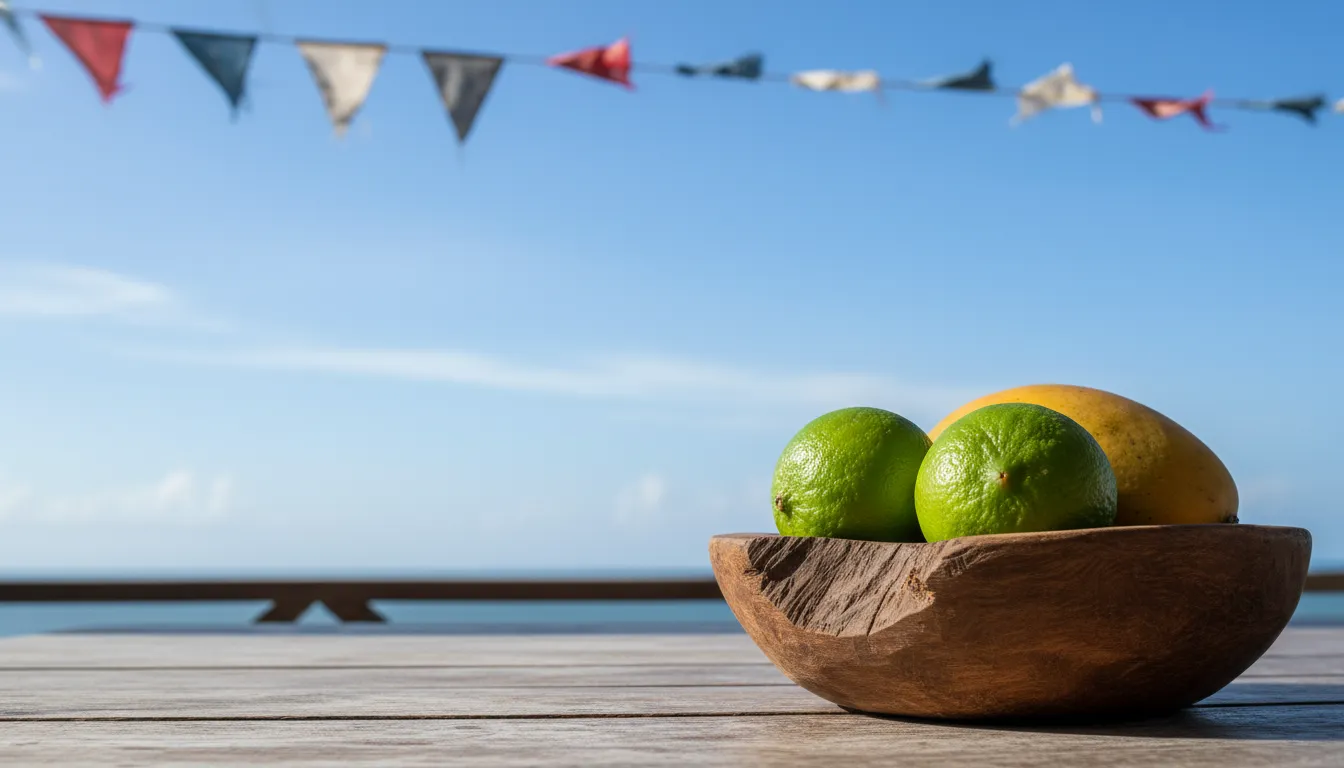
The traditional dishes get creative here. You’ll find gallo pinto—Costa Rica’s beloved rice and beans served with gourmet twists that somehow respect the original while making it sing. Fresh ceviche comes straight off the boats that morning, so fresh you might need to apologize to the fish. Tropical fruit combinations you didn’t know existed appear in drinks, desserts, and occasionally as palate cleansers between savory courses. One local vendor makes a mango-chile-lime situation that sounds questionable on paper but tastes like summer decided to throw a party in your mouth.
These food events often come packaged with live music, because Costa Ricans understand that eating and entertainment are partners, not competitors for your attention. Adventure seekers, this is your deep dive into local culinary culture—no wetsuit required, just an appetite and willingness to try things you can’t pronounce. Look for special events featuring local coffee (Costa Rica doesn’t export all the good stuff, thankfully), chocolate from nearby farms, or sustainable seafood celebrations that highlight the Pacific’s bounty. The vendors are usually happy to explain ingredients and preparation methods, especially if you show genuine interest. Pro tip: complimenting the food in even broken Spanish opens doors—and sometimes gets you extra portions.
Beyond the Beach: Immersive Cultural Experiences You Won’t Find in a Guidebook
Sometimes the most profound cultural experiences aren’t festivals at all—they’re the ordinary moments that reveal how a community actually lives. Take the local soccer matches at the municipal stadium. The skill level varies wildly, but the passion never wavers. Watching families cheer for their neighborhood teams, kids mimicking their favorite players’ moves on the sidelines, and that one referee who seems personally offended by every foul—that’s Jaco’s heart on display. Admission is usually free or absurdly cheap, and you’ll learn more Spanish curse words (affectionately deployed) than any language app will teach you.
Community beach clean-ups happen regularly, often organized through local groups or schools. Joining one isn’t just environmentally responsible; it’s a window into how Jaco residents view their relationship with the ocean. You’ll work alongside families who’ve lived here for generations, hearing stories about how the town has changed, what they’re fighting to preserve, and why that particular stretch of beach matters so much. Plus, nothing bonds humans faster than collectively removing someone else’s poorly discarded beer cans.
For families seeking authentic experiences, simply observing local life offers invaluable lessons in the Pura Vida lifestyle. Watch kids playing pickup soccer in the street, using backpacks as goal markers and negotiating rules with democratic fervor. See families gathering for evening strolls, where three generations move at the pace of the slowest toddler because nobody’s in a rush. Seek out local artisans in their workshops—many have small shops just off the main tourist strip where you can watch them craft leather goods, paint, carve wood, or create jewelry. These aren’t performances; they’re people working, who happen to welcome genuine curiosity. The souvenirs you’ll find here carry actual stories, not factory tags, and the conversations you’ll have beat any museum audio guide.
Navigating the Festivities: Insider Tips for a Smooth Experience
First rule of Jaco festivals: official schedules are fiction masquerading as fact. That 7 PM start time? The organizers will probably arrive at 7 PM to start setting up. The band scheduled for 9? They’re currently stuck in traffic, finishing dinner, or reconsidering their musical direction—hard to say. This is Tico Time in its purest form, and fighting it only raises your blood pressure. Embrace it. Bring a book, strike up conversations with early arrivals, or just enjoy the pre-festival people-watching. Things will start when they start, and once they do, the wait becomes irrelevant.
Parking during major events transforms into a competitive sport nobody wins. Cars squeeze into spaces that violate several laws of physics, motorbikes appear in places you didn’t know had places, and that nice lady directing traffic with hand signals may or may not have any official authority—but everyone’s following her instructions anyway. Your best strategy: walk, take an affordable taxi, or use local ride-share apps. At Jaco Beach Zen, we’re positioned close enough to downtown that you can leisurely stroll to most events, arriving relaxed instead of road-raged, and leaving whenever you want without battling the exodus.
Practical matters: hydration isn’t optional. The Costa Rican sun doesn’t observe holidays or festival schedules, and it will absolutely ruin your evening if you ignore it. Bring water, wear sunscreen, and reapply both more than you think necessary. With kids especially, establish a meeting spot in case anyone gets separated—crowds here are friendly but dense during popular events. Keep your phone charged and your belongings close; Jaco is generally safe, but festivals attract opportunists everywhere on the planet. Don’t make yourself an easy target by leaving bags unattended or flashing expensive equipment like you’re shooting a National Geographic special. Common sense goes a long way, and locals appreciate when visitors demonstrate it.
Frequently Asked Questions
When is the ‘best’ time to visit Jaco for cultural festivals?
Honestly, there’s no single “best” time because Jaco’s cultural calendar spreads throughout the year. September brings Independence Day celebrations with parades and patriotic fervor. Semana Santa (Holy Week, usually March or April) offers religious processions and family gatherings. December features Christmas festivities and New Year’s celebrations that blend tradition with beach-town energy. But here’s the truth: smaller, equally authentic events pop up year-round. Your best strategy is choosing when you want to visit for other reasons (weather, budget, work schedule), then discovering what’s happening during your stay. Ask locals, check community boards, or just wander toward music—you’ll find something worth experiencing.
Are Jaco’s festivals usually family-friendly? What should we expect?
Absolutely. Costa Rican culture is intensely family-oriented, and most festivals reflect that beautifully. You’ll see multiple generations celebrating together—grandparents dancing, teenagers helping with setups, kids running between vendor stalls with popsicle-stained faces. That said, some evening events can get louder and more adult-focused as night progresses, especially those involving alcohol. Use your judgment. Daytime and early-evening portions of festivals are almost always appropriate for children, offering food, music, and activities that welcome young participants. Later nights might shift energy. The beauty is you can participate on your own terms—stay for the family-friendly portions, leave before things get rowdier, and nobody minds either way.
How do I find out about smaller, local-only events that aren’t advertised?
This is where living like a local—or staying somewhere locally-owned—makes all the difference. Ask your hosts (hi, that’s us at Jaco Beach Zen), chat with restaurant servers, strike up conversations with shop owners, or simply express interest to anyone willing to talk. Many smaller events spread through word-of-mouth and community Facebook groups rather than official tourism channels. Check local coffee shops for posted flyers, watch for banners around town, and pay attention when you hear music in the distance—following your ears works surprisingly well. The bartender at your favorite spot knows more about upcoming events than any tourism website, guaranteed.
Is it safe to attend festivals at night in Jaco?
Generally, yes, especially at well-attended community events where locals bring their families. Large crowds and festive atmospheres create natural safety through visibility and collective presence. That said, standard travel wisdom applies: stay aware of your surroundings, keep valuables secure and not obviously displayed, stick to well-lit areas, and trust your instincts if something feels off. Walking in groups is smarter than solo late-night strolls, and knowing how to get home before you need to is essential—have a taxi number saved or know the walking route back. Jaco’s festival atmosphere is welcoming and fun, but maintaining basic street smarts ensures it stays that way for you.
What kind of traditional Costa Rican food can I expect at Jaco festivals?
Prepare your stomach for happiness. You’ll find casados (traditional plates with rice, beans, salad, plantains, and protein), gallo pinto (rice and beans, Costa Rica’s breakfast champion), ceviche so fresh it practically swims onto your plate, empanadas stuffed with various fillings, tamales wrapped in banana leaves, chifrijo (a layered dish with beans, rice, pork, and pico de gallo), fresh tropical fruits you might not recognize, and arroz con pollo that’ll make you question every chicken-and-rice dish you’ve eaten before. Street vendors often specialize in one thing they’ve perfected over decades, so quality exceeds what you’d expect from a folding table setup. Bring cash—small bills—because card readers aren’t universal, and tipping isn’t mandatory but always appreciated.
Should I learn some Spanish phrases before attending a local festival?
You don’t need fluency, but learning basic phrases transforms your experience from observer to participant. “Hola” (hello), “gracias” (thank you), “delicioso” (delicious), “cuánto cuesta” (how much), and “con permiso” (excuse me) cover about 80% of festival interactions. Making the effort, even if your pronunciation is questionable, earns genuine smiles and patience. Many vendors and locals speak at least some English, especially in touristy Jaco, but attempting Spanish first shows respect. Download a translation app as backup, but honestly, smiling and pointing gets you surprisingly far when buying food or asking questions. The willingness to try matters more than perfect grammar—Ticos appreciate effort and won’t mock your mistakes, they’ll help you improve.
Bahía Azul, unit 7C sits right on this stretch of sand — on the quiet south end of Jacó, a few hundred feet from the water.
Book on Airbnb