Beyond the Beaches: Unearthing Jaco’s Quirky & Captivating Past
Let’s get one thing straight: if you’re hunting for Mayan pyramids or Spanish colonial churches in Jaco, you might want to adjust your historical GPS. This sun-soaked surf town doesn’t do dusty artifacts or rope-cordoned ruins—at least not within city limits. But here’s the thing about Jaco’s history: it’s refreshingly honest, wonderfully weird, and far more interesting than you’d guess from its modern beach-party reputation. We’re talking about a place where “the old days” means the 1980s, where local landmarks are defined by resilient mango trees rather than bronze statues, and where the town’s evolution from sleepy fishing village to Pacific Coast hotspot happened faster than you can say “pura vida.” So grab your curiosity (and maybe some sunscreen), because we’re about to explore historical sites in Jaco Costa Rica—just not the kind you’re expecting.
Hold Your Horses: What Exactly Counts as ‘History’ in Jaco?
Fair warning: if your definition of “ancient” requires at least three centuries and preferably some crumbling stonework, Jaco’s going to test your flexibility. This town measures its past in decades, not millennia, and honestly? That’s part of its charm. The Jaco you see today—with its smoothly paved Pastor Díaz Avenue, high-rise condos, and international restaurant scene—barely resembles the place that existed just forty years ago.
Back then, what passes for the main drag today was essentially a rutted dirt road where the primary traffic consisted of the occasional cow with an attitude problem and maybe a pickup truck if you were lucky. The first surfers who rolled into town in the ’70s and early ’80s weren’t greeted by surf shops and beachfront bars—they were met with a handful of local families, basic sodas serving casado to fishermen, and waves that had seen more pelicans than people.
Our “ancient artifacts” in Jaco aren’t pottery shards or stone tools. They’re the stories from those pioneering expats and Ticos who carved out this paradise when it was still genuinely off the beaten path. They’re the faded photographs hanging in that family-run soda on the corner, showing a coastline that looks simultaneously familiar and completely foreign. This is living history, told by people who were actually here when Jaco was finding its identity—or perhaps losing it, depending on who you ask over a cold Imperial.
The Unsung Landmarks: Jaco’s Local Legends & Lookouts
Jaco doesn’t do grand monuments, but it absolutely crushes the “local importance” category. Ask any long-timer where the town’s real landmarks are, and you won’t hear about plaques or official designations. You’ll get directions to the mango tree that’s been the unofficial gathering spot for three generations, standing sentinel near what locals still call “the old ice cream place” even though it’s been a surf shop for fifteen years.
The lookouts scattered along the road between Herradura and Jaco proper tell their own story. These weren’t engineered tourist viewpoints with convenient parking and safety rails—they’re spots where early arrivals pulled over, took one look at that sweeping coastline, and decided they’d found something special. Today, they’re perfect for family photos, digital nomad Instagram content, or simply remembering why you came to Costa Rica in the first place. The view hasn’t changed; just the number of people stopping to appreciate it.
Then there’s the town’s unofficial “square”—and I use that term loosely—where generations have gathered for impromptu football matches, community events, and the kind of casual socializing that happens when a town is still small enough that everyone recognizes everyone else. It’s marked less by intentional urban planning and more by that particularly resilient tree I mentioned earlier, which has apparently decided it’s not going anywhere regardless of development plans.
From Jaco Beach Zen, you’re close enough to wander downtown and discover these local landmarks on foot, leaving your car safely tucked away at the property. It’s that sweet spot: near enough to explore, far enough that you’ll actually want to come back to the quiet.
Architectural Echoes: From Rustic Charm to Modern Vibe
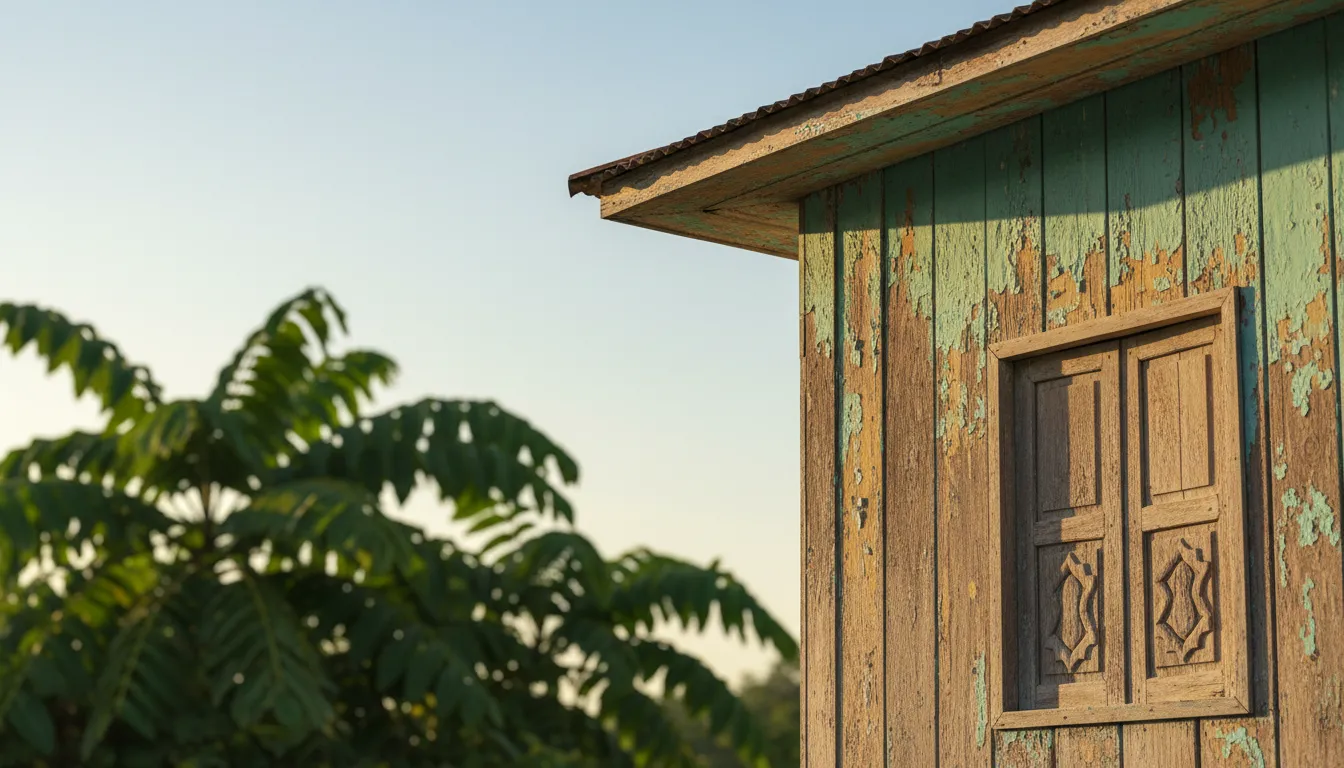
Jaco’s architectural “heritage” won’t win any UNESCO designations, but take a purposeful walk through town and you’ll spot a visual timeline of Costa Rican beach development that’s genuinely fascinating. The original structures—simple, practical Tico buildings with wide eaves for rain, minimal ornamentation, and a refreshing lack of pretense—still peek through here and there, stubbornly holding their ground between newer constructions.
You’ll notice the mid-century modern beach houses if you know where to look, built during Jaco’s first wave of international discovery. These places have a distinct aesthetic: clean lines, large windows to capture those ocean breezes, and a certain optimistic ’70s vibe that somehow still works. They represent that transition period when Jaco was becoming “discovered” but hadn’t yet been “developed.”
The newer buildings tell a different story—one of investment, growth, and Jaco’s emergence as a legitimate player on the Pacific coast tourism map. Contemporary architecture here blends international design sensibilities with tropical practicality, creating structures that acknowledge the climate while serving modern expectations. It’s a crash course in how a beach town grows up, visible in the contrast between a weathered wooden facade that’s survived countless rainy seasons and the sleek glass-and-concrete café that opened last year.
For anyone with an eye for design or urban development, it’s honestly more interesting than a preserved colonial town where everything looks like it did in 1650. This is evolution in real-time, a town finding its identity without losing every trace of where it came from.
Beyond the Beach: Day Trips to Genuine Yesteryear (for the Seriously Historic-Minded)
Okay, so maybe you’re not satisfied with “historical sites” that postdate your high school graduation. Fair enough. The good news is that Jaco’s location makes it an excellent launching pad for day trips to places with more traditional historical gravitas.
Puntarenas, about an hour north, offers the colonial architecture and port history that Jaco cheerfully lacks. This was Costa Rica’s principal Pacific port for centuries, and it shows. Walk the old streets and you’ll find buildings that actually remember the Spanish colonial period, complete with the architectural details and historical weight that come with genuine age. The waterfront promenade tells stories of a time when this was Costa Rica’s gateway to the world—before airports made ports somewhat less essential to daily life.
For pre-Columbian history enthusiasts, you’ll need to venture a bit further afield, but it’s absolutely doable. Sites showcasing indigenous cultures exist within a few hours’ drive, offering that deeper dive into the people who called this land home long before anyone drew modern borders or named towns after beaches. These aren’t convenient day trips exactly, but they’re possible if your historical curiosity runs deep.
Closer to home, Carara National Park deserves mention not just for its famous scarlet macaws, but for its etymological connection to the past. “Carara” comes from a native word meaning crocodile, linking you to the land’s ancient inhabitants every time you say the name. The park sits at a biological transition zone where dry forest meets rainforest—a landscape that indigenous peoples navigated and understood long before ecotourism became a thing.
Jaco’s Living History: Where Art, Culture, and Local Life Intersect
Here’s where Jaco’s approach to history gets interesting: it’s not preserved behind glass or cordoned off with velvet ropes. It’s alive, breathing, and actively shaping the town’s present. Jaco cultural attractions aren’t stuck in the past—they’re evolving with it.
local art galleries like Tico Pod showcase work from local and indigenous artists, proving that cultural heritage isn’t just about looking backward. These spaces celebrate Costa Rican creativity in its current form while honoring traditional techniques and perspectives. You’ll find pieces that draw on indigenous motifs reimagined for contemporary audiences, alongside work from artists who simply happen to live here and love it.
The artisan workshops scattered around Jaco and nearby towns keep traditional Costa Rican crafts breathing. These aren’t museum demonstrations where someone in period costume shows you how things used to be done—they’re working studios where craftspeople create functional art using techniques passed down through generations. The souvenirs you purchase here come with actual stories, not factory-stamped “authenticity.”
And then there are the sodas—those gloriously unpretentious local restaurants that have been serving gallo pinto to hungry surfers and hard-working Ticos for decades. The family-run places that survived Jaco’s transformation from fishing village to tourist town are living historical sites themselves. The recipes haven’t changed much, the family dynamics behind the counter tell multi-generational stories, and the regulars who’ve been coming since the beginning provide oral history better than any museum placard ever could.
This is Jaco heritage sites in action: not static, not sanitized, but wonderfully, messily alive.
Frequently Asked Questions
Are there really any ancient ruins near Jaco, or is it mostly modern history?
Honestly? It’s overwhelmingly modern history within Jaco itself. The town’s transformation from fishing village to surf destination happened primarily in the last 40-50 years, so “ancient” is relative here. However, if you’re willing to take day trips, pre-Columbian archaeological sites exist elsewhere in Costa Rica, typically requiring a few hours of driving. Carara National Park nearby offers indigenous cultural connections through its very name and ecosystem. Jaco’s value lies in its living history—the people and places that shaped this particular corner of Costa Rica into what it is today. If you need actual ruins, they’re accessible, just not on your morning beach walk.
What’s the best way to learn about the indigenous culture around Jaco Beach?
Start with local art galleries like Tico Pod, where indigenous artists and those inspired by native traditions showcase their work—you’ll often find artists happy to discuss their cultural connections and techniques. Visit artisan workshops in surrounding communities where traditional crafts continue, offering genuine cultural exchange beyond tourist performances. Carara National Park provides ecological context for how indigenous peoples lived within this landscape. For deeper immersion, consider guided cultural tours that connect you with communities maintaining traditional practices, though you’ll likely need to venture beyond Jaco proper. The key is seeking authentic experiences rather than staged “indigenous shows”—conversations with local artists and craftspeople will teach you more than any choreographed demonstration.
Are there any guided historical tours in Jaco, or should I explore on my own?
Jaco doesn’t really have formal “historical walking tours” like you’d find in colonial cities—the town’s history is too recent and informal for that treatment. Your best bet is exploring independently with local guidance. Chat with long-time business owners, who often love sharing stories about “old Jaco” over coffee. Visit family-run sodas where the walls display faded photographs documenting the town’s evolution. For broader historical context requiring actual sites, day trips to Puntarenas or specialized tours to indigenous cultural centers work better. The beauty of Jaco’s history is its accessibility—you don’t need a guide to walk downtown and notice the architectural timeline or strike up conversations with locals who remember when Pastor Díaz was dirt.
Where can I see ‘Old Jaco’ photos or get a sense of what it was like decades ago?
Your best sources are the long-established family-run sodas and restaurants around town, many of which display photographs showing Jaco’s transformation from quiet fishing village to bustling beach destination. These aren’t formal archives—they’re personal collections on dining room walls, showing everything from unpaved roads to the first surf shops. Strike up conversations with the owners and you’ll get stories that bring those images to life. Some local businesses, particularly older surf shops, maintain their own historical collections. The municipal area sometimes hosts community events where old-timers share memories and photographs. Don’t expect a formal museum experience; instead, embrace the informal, personal nature of how Jaco remembers itself—through stories shared over meals and faded prints that locals are surprisingly willing to discuss.
Is it safe for a family to explore historical sites outside of Jaco?
Absolutely, with normal travel precautions. Day trips to Puntarenas, Carara National Park, or other regional sites are family-friendly and commonly done by tourists and locals alike. Stick to main roads during daylight hours, keep valuables secured, and you’ll be fine—Costa Rica generally ranks as one of Central America’s safest countries for tourism. For visits to indigenous communities or more remote archaeological sites, booking through reputable tour operators adds an extra layer of security and expertise. The larger concern isn’t safety but logistics—ensure your vehicle is reliable, bring snacks and water for kids, and plan around Costa Rica’s rainy season if traveling during those months. Most families find these excursions perfectly manageable and genuinely enriching for children interested in culture and history.
What are the best cultural attractions in Jaco that aren’t just about the beach?
Tico Pod art gallery stands out for showcasing local and indigenous talent in a space that encourages actual engagement with Costa Rican creativity. Explore the local sodas that have survived Jaco’s evolution—they’re cultural institutions serving traditional food and stories alongside your gallo pinto. Artisan workshops in nearby communities offer hands-on cultural experiences where you’ll learn traditional crafts directly from practitioners. The town’s architectural mix itself serves as a cultural attraction if you walk with intention, observing how Jaco’s identity evolved through its buildings. Local markets, when in season, provide genuine cultural immersion where you’ll interact with vendors and discover Costa Rican food culture beyond tourist restaurants. None of these scream “major attraction,” but collectively they offer authentic Jaco cultural landmarks that reveal what makes this place tick beyond its admittedly excellent surf breaks.
Bahía Azul, unit 7C sits right on this stretch of sand — on the quiet south end of Jacó, a few hundred feet from the water.
Book on Airbnb