Skip the Souvenir Shop: Get Your Hands Dirty with Jaco’s Best Cultural Workshops
Sure, you came to Jaco for the surf and sunsets. Maybe you’re picturing yourself nailing that perfect wave or sipping something cold while the Pacific does its nightly light show. But here’s the thing—between those beach sessions, there’s a whole other side of Jaco waiting to pull you in. We’re talking cultural workshops in Jaco that’ll have you stirring pots with abuelas, painting alongside local artists, or fumbling through your first salsa steps with locals who won’t judge (much). These aren’t those staged “authentic experiences” designed for cruise ship crowds. They’re genuine, hands-on invitations into Tico life, where you’ll walk away with skills, stories, and maybe some paint under your fingernails. Whether you’re a family looking to mix up the beach routine, a digital nomad seeking creative inspiration between meetings, or a retiree ready to finally learn something new just because you can—Jaco’s got you covered.
Beyond the Brochure: Why Jaco’s Cultural Workshops Are the Real Deal
Let’s be honest: most “cultural experiences” at beach destinations feel like dinner theater. You watch someone demonstrate something vaguely traditional while commentary plays through tinny speakers, snap a few photos, then head back to your resort. Jaco doesn’t play that game. The cultural workshops in Jaco happen in actual studios, family kitchens, and community spaces where locals genuinely want to share what they know. You’re not an audience member—you’re a participant getting flour on your shirt or clay under your nails.
What makes these workshops exceptional is their accessibility without the polish being buffed away. A cooking class might happen in someone’s home kitchen that’s seen three generations of family recipes. An art workshop could be taught by the same painter whose murals you spotted downtown. There’s no corporate veneer, no scripted speeches—just real people sharing real skills in settings that feel refreshingly normal. The instructors actually live here, which means they’re sharing their daily reality, not performing a sanitized version of it.
Jaco’s positioning as both a surf town and a community with deep Tico roots creates this unique sweet spot. You can literally spend your morning learning to fold perfect empanadas, surf during golden hour, then practice your salsa steps after dinner. This blend of beach-town accessibility and genuine cultural depth means you’re not choosing between relaxation and enrichment—you’re getting both, often on the same day.
Channel Your Inner Gallo Pinto Chef: Traditional Cooking Classes in Jaco
If you’ve been eating gallo pinto at breakfast and wondering what makes it taste different at every restaurant, traditional cooking classes Jaco offers will blow that mystery wide open. Local chefs—many of whom learned from their grandmothers and have been cooking “sabor Tico” since before they could reach the stove—will walk you through everything from the proper rice-to-bean ratio to why that particular spice blend makes all the difference. You’ll master empanadas with perfectly crimped edges, whip up ceviche that actually tastes like the ocean in the best way, and finally understand why casado is called a “married” plate.
The real magic often starts before you even touch a cutting board. Many Jaco art classes and cooking experiences begin with a trip to the local farmers market—the feria where Jaco residents actually shop. Picture yourself navigating stalls bursting with fruits you can’t name, haggling (gently) over plantains, and selecting the freshest cilantro while your instructor explains what’s in season and why. It’s a sensory overload in the best possible way: the smell of fresh pineapple mixing with coffee, vendors calling out prices, colors so bright they almost hurt. This isn’t just ingredient shopping; it’s your crash course in daily Tico life.
These classes skip the lecture-hall vibe entirely. You’ll be hands-on from minute one—chopping, stirring, tasting, adjusting seasoning, probably burning something slightly (it’s encouraged, actually). Most happen in casual, home-like settings where the kitchen feels lived-in and welcoming. Families love them because even the pickiest eaters get excited when they’re creating their own food, and there’s usually something for everyone to try. Digital nomads, imagine logging onto your afternoon meeting with the smell of fresh tortillas still on your hands, ready to add “Costa Rican culinary wizard” to your increasingly eclectic resume. And here’s the practical bonus: once you’re back at Jaco Beach Zen, you’ve got a fully equipped kitchen perfect for recreating your new favorite recipes while they’re still fresh in your memory.
From Canvas to Clay: Artisan and Art Workshops That Speak Pura Vida
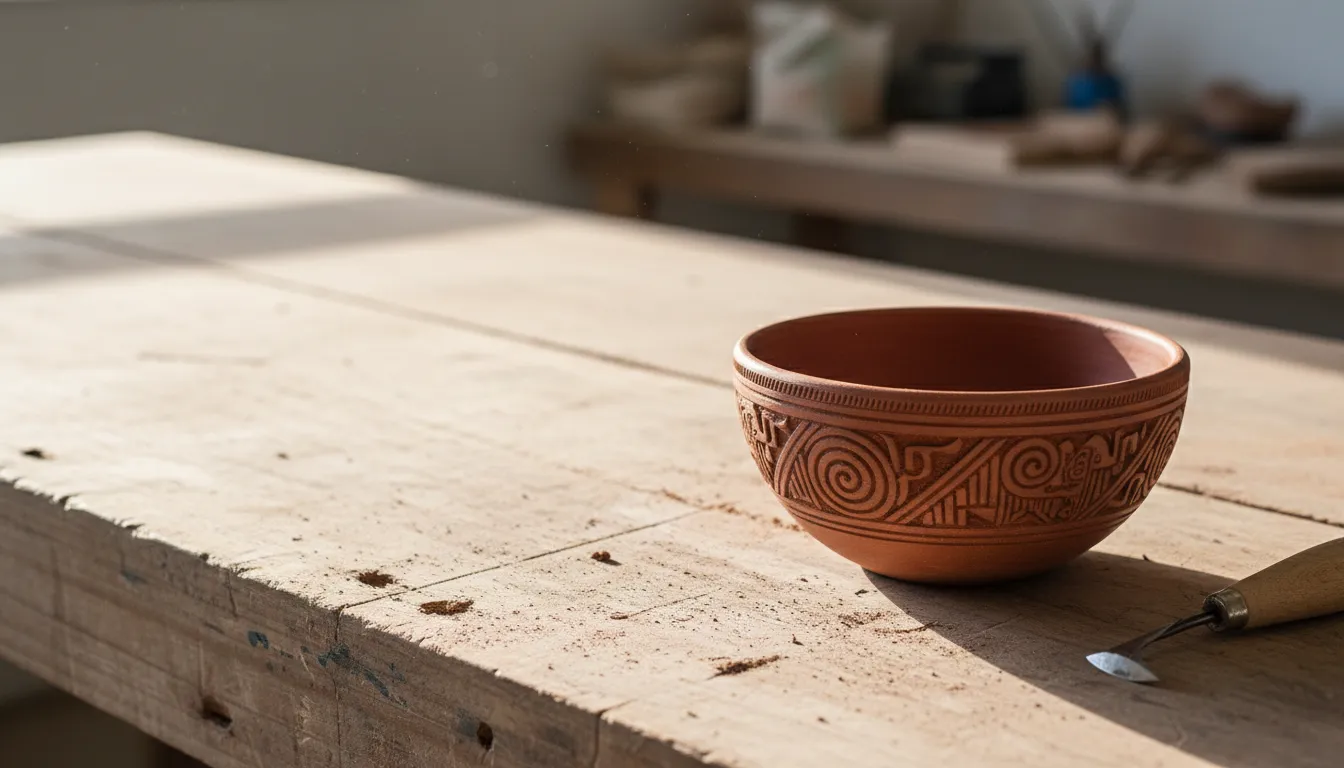
Jaco’s art scene doesn’t get enough credit. Beyond the surf murals downtown, there’s a genuine creative community offering local craft workshops Jaco visitors can actually join. We’re talking painting classes where you’ll capture Jaco’s ridiculous sunsets or jungle canopies in ways that feel uniquely yours. Jaco pottery classes let you work with clay, often incorporating designs inspired by indigenous Costa Rican traditions—geometric patterns and natural forms that have meaning beyond just looking pretty on a shelf.
One of the most profound experiences you might stumble into involves Boruca artists who occasionally visit Jaco to share their ancient mask-carving traditions. These aren’t mass-produced tourist trinkets; these are living artistic traditions passed down through generations, with each design carrying specific cultural significance. Learning about the symbolism while attempting your own carving (spoiler: it’s harder than it looks) creates a connection to Costa Rica’s heritage that goes way beyond typical vacation experiences.
What makes these workshops genuinely valuable is the souvenir situation. Instead of buying another made-in-somewhere-else magnet, you’re creating something that carries actual memory and effort. That slightly wonky ceramic bowl or painting that definitely won’t win awards? They’ve got stories attached—the instructor’s terrible joke you laughed at, the moment you finally got that brushstroke right, the hour you spent completely absorbed in creating instead of scrolling. Retirees looking for engaging, low-impact activities find these workshops particularly rewarding. There’s no physical intensity, just creative stimulation and the satisfaction of learning something new purely for the joy of it.
Move Your Hips: Dance Lessons That’ll Make You Feel Like a Local
Let’s address the elephant in the room: you probably can’t dance salsa. That’s fine. Neither could anyone else before they learned. Costa Rican dance lessons Jaco offers are specifically designed for people who think rhythm is something that happens to other people. Local instructors have seen it all—the stiff hips, the counted steps, the apologetic laughter—and they’re remarkably patient and encouraging. Salsa, Merengue, Bachata—whatever Latin rhythm calls to you, someone in Jaco can teach you the basics without making you feel like you’re auditioning for a dance company.
These classes hit differently than other Jaco cultural activities because they’re inherently social and slightly ridiculous in the best way. You’re going to mess up. Your partner will mess up. Everyone will laugh, adjust, and try again. It’s a fantastic ice-breaker if you’re traveling solo or looking to meet people beyond the usual beach small talk. Many classes culminate in heading out to an actual local spot where you can practice your new moves in the wild. Nothing builds confidence quite like successfully navigating a song or two without stepping on anyone’s toes.
Even adventure seekers more comfortable with adrenaline than choreography find unexpected thrills in dance lessons. It’s a different kind of challenge—coordinating your body in unfamiliar ways, syncing with a partner, letting the music dictate movement. Plus, there’s something uniquely satisfying about the Jaco cultural immersion aspect: you’re literally learning to move like locals move, participating in the social rhythms that define gatherings and celebrations here. And when you’re back at Jaco Beach Zen, the spacious living areas and pool deck become your private practice studio, perfect for drilling those salsa steps without an audience—except maybe the howler monkeys judging from nearby trees.
More Than Just a Brew: Coffee & Chocolate Experiences That Hit Different
Costa Rica’s coffee reputation precedes it, but experiencing the journey from cherry to cup through hands-on workshops reveals why this tiny country punches so far above its weight in the coffee world. Cultural tours Jaco centered on coffee and chocolate don’t just let you taste the final product—you’re involved in grinding, roasting, understanding the varietals, and appreciating the labor and expertise required at every stage. It’s the difference between drinking coffee and actually understanding what you’re drinking.
These workshops dive into the historical and cultural significance that makes coffee and chocolate so integral to Tico identity. You’ll learn why certain growing regions produce specific flavor profiles, how cooperative farming models support local communities, and what “shade-grown” actually means beyond marketing buzzwords. The Jaco artisan workshops focused on these crops often include hands-on participation—sorting beans, trying your hand at traditional roasting techniques, and inevitably, tasting way more samples than you probably should.
What makes these experiences work for all ages is the universal appeal of the subject matter. Kids get excited about chocolate-making (obviously), while adults appreciate the complexity and craftsmanship involved. The combination of education and generous sampling creates an experience that’s both substantive and genuinely delicious—you’re learning, but you’re also eating really well in the process.
Finding Your Hands-On Adventure: How to Book Your Jaco Workshop
Here’s the insider move: start with a conversation with the team at Jaco Beach Zen. They’ve built relationships with reputable local instructors and workshop organizers, which means they can connect you directly with legitimate, quality experiences rather than the tourist-trap versions. They know who’s actually good, whose cooking class will change how you think about food, and which art instructor has the patience of a saint when teaching absolute beginners.
Don’t underestimate the power of asking around town, either. Jaco’s not that big, and the local cafe staff, tour operators, and even shop owners often know about pop-up classes or smaller, more authentic experiences that don’t advertise heavily. Sometimes the best Jaco cultural immersion opportunities are the ones you stumble into through conversation rather than online booking platforms.
Consider pairing workshops with complementary activities. Some experiences are offered as part of broader cultural tours that include transportation, additional context, and extra insights you might miss in a standalone class. A cooking class might combine with a market tour. A pottery workshop could pair with a visit to a local artisan cooperative.
The crucial practical bit: book in advance, especially if you’re visiting during peak season. The most authentic, small-group workshops fill up quickly precisely because they’re not mass-producing experiences for hundreds of tourists. A quick message to the Jaco Beach Zen concierge a week or two before your arrival means you’re securing spots in the experiences you actually want, not settling for whatever has availability when you show up.
Frequently Asked Questions
Are cultural workshops in Jaco suitable for kids?
Absolutely, and many are specifically designed with families in mind. Cooking classes work particularly well because kids love hands-on activities and eating what they create. Art workshops offer age-appropriate projects, and dance lessons often welcome children with patient instructors who make it fun rather than formal. Always confirm age requirements when booking, as some pottery or chocolate workshops might have minimum age restrictions for safety reasons. Most instructors in Jaco are accustomed to multi-generational groups and skilled at keeping everyone engaged, from curious toddlers to skeptical teenagers.
Do I need to speak Spanish to participate in Jaco’s cultural workshops?
Not usually, though it certainly adds to the experience if you can manage a few phrases. Most workshop instructors in Jaco either speak enough English to guide you through, or they’ve become experts in demonstration-based teaching where language matters less than watching and doing. Cooking classes especially transcend language barriers—you’re following techniques, tasting, adjusting. Some workshops offer bilingual instruction specifically for international visitors. That said, bringing a translation app or learning basic food/art vocabulary beforehand shows respect and often leads to richer interactions. The locals deeply appreciate any effort to engage in Spanish, even if it’s hilariously broken.
What’s the average cost for a traditional cooking class in Jaco?
Expect to pay anywhere from $50 to $120 per person, depending on class length, group size, and what’s included. Higher-end experiences might incorporate market tours, multiple courses, and take-home recipe books. Smaller, more intimate classes with individual attention typically cost more than larger group settings. These prices usually include all ingredients and materials, plus you get to eat everything you make—essentially a meal and an education in one package. Some family-oriented classes offer discounted rates for children. The value isn’t just the food; it’s the time with local experts, the stories shared, and skills you’ll use long after your tan fades.
Can I find pottery or art classes that are beginner-friendly?
Definitely—most workshops in Jaco assume you’re starting from zero and design their sessions accordingly. Instructors are accustomed to first-timers who’ve never touched clay or held a paintbrush with serious intent. They’ll guide you through basic techniques, demonstrate extensively, and help troubleshoot when your pottery looks more abstract than intended. The goal isn’t creating museum-quality art; it’s the experience of creating something meaningful with local guidance. Many beginner workshops focus on simpler projects that still feel authentic—painting small canvases, creating basic pottery forms, or learning fundamental techniques you can build on if you discover unexpected talent. Everyone starts somewhere, and Jaco’s art instructors genuinely enjoy introducing newcomers to their crafts.
Are there any multi-day cultural immersion programs in Jaco?
While Jaco isn’t known for intensive multi-day cultural programs like you’d find in some indigenous communities, you can absolutely piece together your own immersion experience by booking several workshops across your stay. Combine cooking classes, art workshops, dance lessons, and coffee experiences over a week to create a comprehensive cultural deep-dive. Some tour operators offer customizable packages that string together multiple activities with cultural context and local guides. The advantage of Jaco’s approach is flexibility—you can balance cultural workshops with beach time, surfing, or jungle adventures rather than committing to a rigid program. Staying somewhere like Jaco Beach Zen gives you a comfortable home base while you design your own cultural curriculum.
How far in advance should I book a cultural workshop in Jaco?
Two weeks minimum during high season (December through April), though popular workshops can fill up even earlier. If you’ve got your heart set on a specific cooking class or a particular instructor everyone raves about, booking a month ahead ensures you’re not disappointed. Low season offers more flexibility—you might snag spots with just a few days’ notice. However, some smaller, authentic workshops operate on limited schedules or minimum participant requirements, so advance booking helps instructors plan appropriately. The Jaco Beach Zen team can advise on current availability and help coordinate timing around your other activities. Don’t risk leaving these experiences to chance; the best cultural workshops are popular precisely because they’re genuinely good, and that means they fill up fast.
Bahía Azul, unit 7C sits right on this stretch of sand — on the quiet south end of Jacó, a few hundred feet from the water.
Book on Airbnb