Uncovering Jaco’s Soul: Cultural Landmarks & Local Treasures Beyond the Beach
Let’s be honest: when most people think “Jaco,” they picture surfboards and sunset cocktails—not exactly the UNESCO World Heritage vibe. And you know what? That’s perfectly fine, because Jaco’s cultural heartbeat doesn’t come from centuries-old cathedrals or dusty colonial artifacts. It pulses through vibrant street murals painted last month, echoes in the laughter at Sunday plaza gatherings, and lives in the empanada cart that’s claimed the same corner for twenty years. This isn’t a town frozen in time for tourists to gawk at—it’s a living, breathing community where culture happens in real-time, often in flip-flops. If you’re expecting roped-off relics and guided museum tours with those awkward headsets, you’re in the wrong beach town. But if you want to experience authentic Costa Rican life where locals actually live it—where the ice cream vendor knows your kid’s name by day three and the church plaza transforms into an impromptu soccer field—then welcome home. From Jaco Beach Zen, you’re perfectly positioned to dive into these genuine cultural moments, close enough to wander into town’s heartbeat, far enough to retreat to your peaceful sanctuary when the sensory richness gets delightfully overwhelming.
Jaco’s ‘Landmarks’: Not Your Grandma’s Historic Sites (And That’s a Good Thing)
Forget everything you learned about sightseeing from those European vacation guides. Jaco doesn’t do landmarks the traditional way, and that’s precisely what makes it fascinating. Our “historic sites” are less about weathered plaques and more about weathered locals who’ve watched this town transform from sleepy fishing village to surf mecca—and they’re usually happy to tell you about it over a cerveza.
Take that unassuming surf shop near the north end of town that’s been slinging boards since 1985. No fancy signage, no Instagram-worthy facade, just three decades of wax, dings, and stories that would make a documentary crew weep. Or consider the lookout point on the road toward Hermosa where generations of Jaco families have gathered to watch storms roll in off the Pacific. You won’t find it in guidebooks, but ask any local over forty and watch their eyes light up with memories.
The real magic happens when you realize Jaco’s cultural landmarks aren’t about age—they’re about continuity and connection. It’s the fishing spot where grandfathers still teach their nietos to cast lines at dawn, the basketball court where neighborhood rivalries have been settled for decades, the beachfront palapa where the same woman has sold ceviche every Saturday for longer than most tourists have been alive. These places matter because they’re woven into daily life, not preserved behind velvet ropes. From Jaco Beach Zen, you’re ideally situated to stumble upon these authentic spots during morning walks or afternoon explorations—the kind of discoveries that happen when you’re staying in a real neighborhood rather than a resort bubble.
The Beating Heart of Jaco: Our Central Church & Plaza
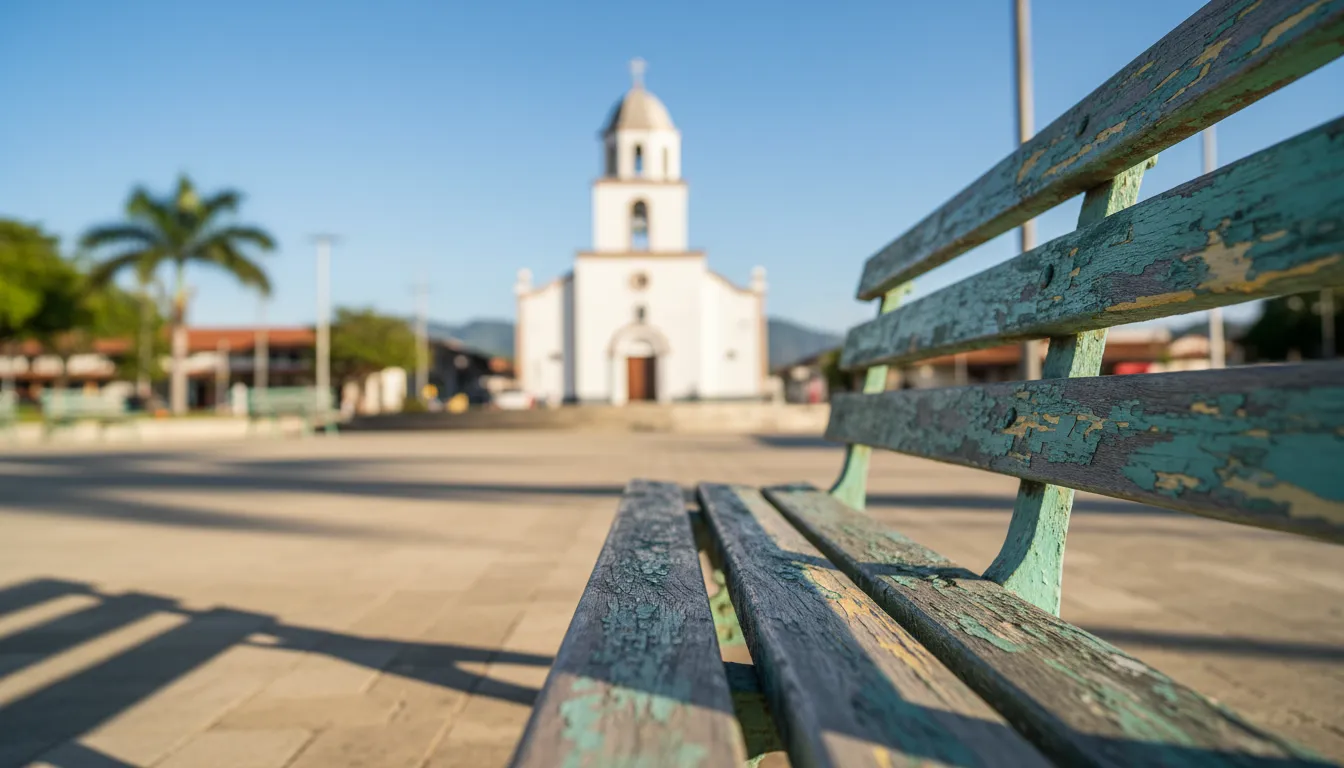
The Iglesia de Jacó isn’t going to win architecture awards or grace the cover of travel magazines, but dismiss it at your cultural peril. This simple white church with its distinctive bell tower serves as ground zero for community life—the place where Sunday morning mass spills out into impromptu reunions, where quinceañeras transform ordinary Saturdays into fairy tales, and where the annual blessing of the fishing boats reminds everyone that Jaco’s soul remains tied to the sea.
Step outside and you’re in the plaza, Jaco’s unofficial living room. By day, it’s controlled chaos: kids commandeering the open space for soccer (goals defined by strategically placed backpacks), elderly residents claiming favorite benches under shade trees, and the occasional yoga class that nobody seems to mind dodging around. Weekends often bring pop-up markets where you’ll find everything from fresh produce to handmade jewelry, though the vendors and selection change with delightful unpredictability.
But here’s the insider tip that separates tourists from temporary locals: find the ice cream cart guy. He’s usually there late afternoon, especially weekends, pushing the same battered cart his father used before him. No fancy flavors or artisanal pretensions—just classic Costa Rican ice cream in cones or cups, served with a smile that’s weathered a thousand sunsets. Don’t bother asking for a menu; just point at whatever looks good. The mango never disappoints, and the locals swear by the cas (a native fruit that tastes like nothing else on earth). This is culture you can taste, handed to you through a small window by someone whose grandfather probably sold to your taxi driver’s grandmother.
Garabito’s Ghost: Tracing Indigenous Roots (Without a Time Machine)
Here’s the uncomfortable truth: you won’t find indigenous ruins to explore in Jaco, no ancient temples peeking through jungle vines. The Garabito people who once called this region home left remarkably few physical traces, their material culture largely reclaimed by time and tropical humidity. But their legacy runs deeper than stones and artifacts—it’s embedded in place names, woven into local folklore, and occasionally surfaces in ways that catch you off guard.
The entire canton bears Chief Garabito’s name, honoring the indigenous leader who fiercely resisted Spanish colonization in the 16th century. That resistance, that refusal to simply roll over for outside influence, somehow feels appropriate for a town that’s managed to grow without completely selling its soul to tourism. You’ll spot subtle nods to this heritage if you know where to look: murals along side streets sometimes incorporate indigenous motifs, local artists occasionally work with traditional geometric patterns, and the regional museum in nearby Puntarenas (worth a rainy day trip) houses artifacts that provide context.
What fascinates me most is how this indigenous history shapes Jaco’s identity without dominating it. The town acknowledges its roots while embracing its evolution—ancient heritage meeting modern surf culture, creating something distinctly its own. It’s a reminder that cultural landmarks aren’t always things you can photograph or check off a list. Sometimes they’re ideas, legacies, the ghost of resistance and independence that still haunts these beaches in the best possible way.
Feast, Flamenco & Fireworks: Jaco’s Festivals & Celebrations
If you think Jaco only celebrates when the surf’s up, you’re missing half the party. This town knows how to throw a fiesta, blending religious traditions with Costa Rican exuberance and just enough beach-town irreverence to keep things interesting. The Día de la Candelaria in early February kicks off the year with processions, traditional music, and enough street food to require elastic waistbands. Families carry candles through town in a display that’s simultaneously solemn and joyful—very Costa Rican, very Jaco.
But the real cultural immersion happens at the smaller, more spontaneous celebrations. Suddenly the plaza fills with a marimba band that seemingly materialized from thin air. Local kids perform traditional dances in colorful costumes while parents record on phones, beaming with pride. The aromas alone could write a dissertation on Costa Rican cuisine: chifrijo sizzling in makeshift stands, fresh tortillas pressed by hands that have made thousands, tamales wrapped in plantain leaves according to recipes passed down through generations.
These festivals are spectacularly [family-friendly](https://jacobeachzen.com/Family-Friendly Activities/jaco-family-cultural-experiences), contrary to what some worry-prone travel forums suggest. Kids run relatively free while the community keeps a collective eye out, and the atmosphere tends toward inclusive celebration rather than rowdy chaos. Throughout the year, art walks, music festivals, and cultural events pop up with varying degrees of advance notice—part of Jaco’s charm is its comfortable spontaneity. At Jaco Beach Zen, we stay plugged into the local calendar and love helping guests time their visits around these authentic cultural experiences, or simply pointing them toward whatever celebration happens to be unfolding during their stay.
Art Alleys & Crafty Corners: Jaco’s Local Art Scene
Jaco’s art scene operates on beach time—relaxed, unpretentious, and wonderfully prone to pleasant surprises. Venture down the side streets parallel to the main drag and you’ll discover walls transformed into canvases, local artists turning concrete into conversation. Some murals celebrate pure Pura Vida joy with toucans and tropical blooms; others tackle heavier themes like ocean conservation or social inequality. The best part? These aren’t commissioned tourist attractions—they’re local artists speaking to their community, and we just get to eavesdrop.
Tuck yourself into the smaller galleries, often attached to cafes or surf shops, where commercial rent meets creative passion in an arrangement that somehow works. Here you’ll find artists who actually live in Jaco, not transplants making “tropical art” for cruise ship crowds. Chat them up—most love talking about their work, the town’s evolution, where to find the best casado in a five-block radius. The art ranges from skilled to enthusiastic, but it’s all authentic, and isn’t that worth more than technical perfection?
For traditional crafts, timing and luck play equal roles. Some days you’ll find woodworkers selling intricate carvings along the beach path—figurines, bowls, decorative pieces shaped from native woods. Other times, textile artists appear with vibrant woven bags or wall hangings in traditional patterns. These aren’t daily fixtures, which makes stumbling upon them feel like winning a small cultural lottery. Yes, you’ll also encounter plenty of mass-produced “Costa Rican” souvenirs made in who-knows-where, but develop an eye for the real stuff: look for imperfections that prove human hands, ask questions about materials and techniques, and trust your instinct. The artisan selling genuine craft is usually happy to explain their process; the vendor pushing factory-made tchotchkes typically changes the subject quickly.
Frequently Asked Questions
Are there really ‘historical’ sites in Jaco, or is it more about natural beauty?
Jaco redefines what “historical” means for a beach town. Instead of centuries-old buildings, our landmarks are living institutions—the church and plaza where community life unfolds, long-standing businesses that have shaped local culture, and natural gathering spots that hold generations of memories. The history here is measured in traditions maintained rather than structures preserved. You’re experiencing cultural continuity, not museum pieces, which honestly feels more authentic. The natural beauty provides the setting, but the real story is how people have built a distinctive community within it.
What are the best ways to experience local culture if we only have a few days?
Start with Sunday morning at the plaza and church—you’ll witness Jaco at its most authentically local. Hit the central area on foot during late afternoon when locals emerge from siesta, shop at the smaller produce stands rather than tourist markets, and eat where you see Costa Rican families eating. Ask your Jaco Beach Zen hosts about any festivals or events during your stay; we’re plugged into the local calendar and love playing cultural concierge. Most importantly, slow down. Jaco culture reveals itself to those who linger over coffee, chat with vendors, and resist the urge to check every box.
Is it safe to explore Jaco’s cultural spots with kids, especially during festivals?
Absolutely, and festivals are often the most family-friendly cultural experiences available. The church plaza is community central where local families gather, making it inherently safe and welcoming to children. During festivals, you’ll see Costa Rican kids running around with the same freedom you remember from childhood, with the community keeping collective watch. Apply normal urban awareness—stick to populated areas, keep valuables minimal, supervise young children—and you’ll find Jaco’s cultural heart is remarkably accessible and genuine. The ice cream cart guy has probably served three generations; he’s not going anywhere sketchy.
Where can I find authentic Costa Rican crafts that aren’t mass-produced souvenirs?
Skip the shops with “Costa Rica” stamped on everything and head for the artists selling directly. Beach path vendors appear unpredictably but often include genuine artisans working in wood or textiles—engage them in conversation about their process and materials. The smaller galleries attached to cafes typically feature local artists whose work reflects actual Costa Rican life rather than tourist fantasies. During festivals and art walks, craftspeople often set up stands with handmade items. The key identifier: real artisans discuss technique enthusiastically, explain their materials’ origins, and their prices reflect actual labor rather than inflated tourist markups.
Do I need to speak Spanish to appreciate Jaco’s cultural offerings?
Spanish certainly helps, but Jaco’s beach-town DNA means many locals speak at least functional English, especially in tourist-facing situations. That said, a few basic Spanish phrases dramatically enhance cultural experiences—vendors light up when you order in Spanish, even broken Spanish, and locals appreciate the effort. Translation apps work surprisingly well for deeper conversations with artisans or festival-goers. The beauty of cultural experiences like festivals, art, and food is they transcend language barriers. You don’t need fluency to appreciate a marimba performance or taste an empanada’s story. Genuine interest and respectful curiosity communicate across any language gap.
Are there any guided cultural tours in Jaco, or is it better to explore on my own?
Both approaches have merit. Self-guided exploration lets you stumble upon organic moments—the impromptu street performance, the conversation with an artist—that tours can’t schedule. However, a local guide provides context and access you might otherwise miss, plus stories that bring locations to life. For Jaco specifically, the cultural landscape is accessible enough that independent exploration works beautifully, especially when you’re staying somewhere like Jaco Beach Zen where hosts can point you toward authentic experiences. Save guided tours for day trips to indigenous territories or historical sites outside Jaco where expert knowledge truly enhances understanding. Here, your best guide is curiosity and comfortable shoes.
Bahía Azul, unit 7C sits right on this stretch of sand — on the quiet south end of Jacó, a few hundred feet from the water.
Book on Airbnb