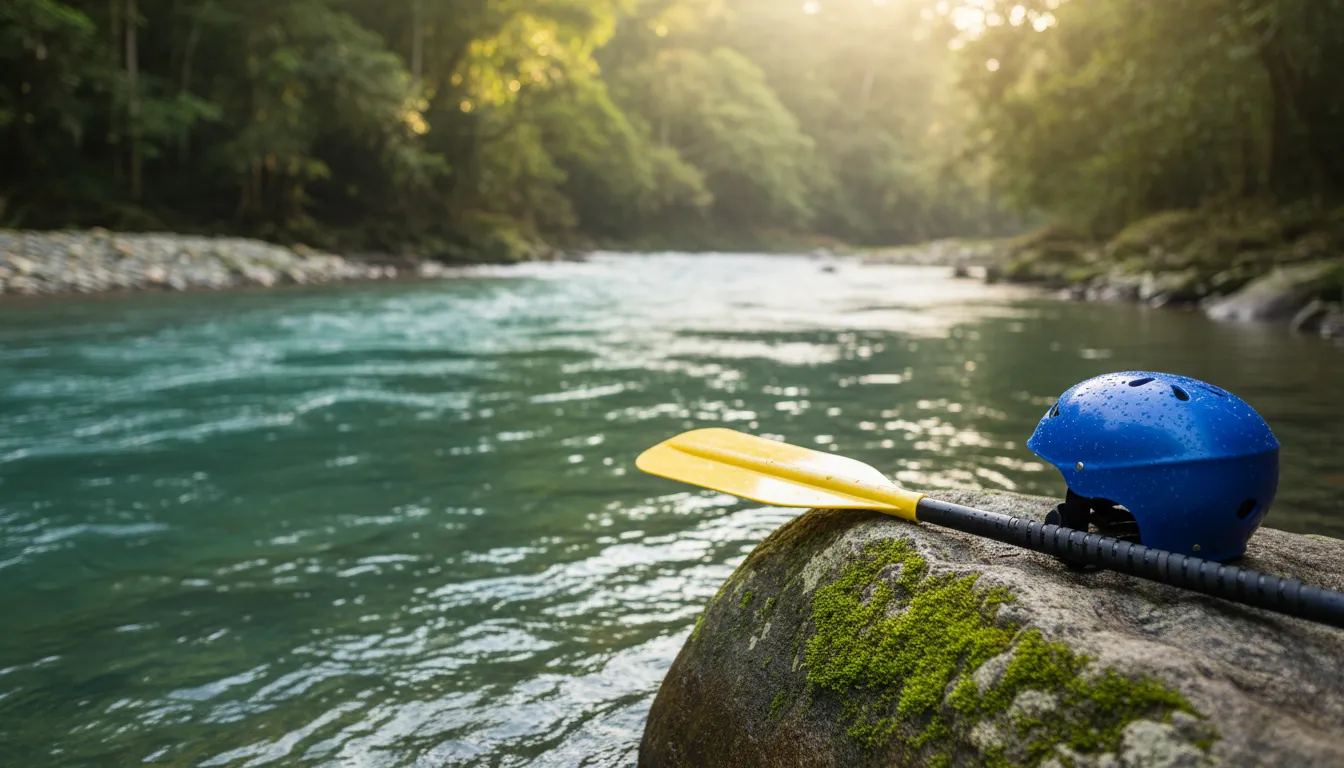
Jaco River Rafting: Your Guide to Whitewater Thrills (and Wildlife Too!) from Jaco Beach
So you’ve done the beach thing, maybe caught a few waves, possibly spotted a toucan from your morning coffee perch—and now you’re craving something that involves helmets, paddles, and the occasional involuntary dunk in fresh water. Smart move. While Jaco Beach is famous for its surf breaks and sunset vibes, it’s also your golden ticket to some of Costa Rica’s most thrilling river rafting adventures. We’re talking Class II family floats where even Grandma can get in on the action, all the way up to Class IV white-knuckle runs that’ll have you whooping like a howler monkey. The best part? Most of these aquatic playgrounds are just an hour or two away, meaning you can be back at Jaco Beach Zen in time for sunset cervezas. Let’s paddle through your options.
Why Jaco Is Your Prime Launchpad for River Rafting Adventures
Jaco isn’t just another pretty beach town—it’s strategically positioned on Costa Rica’s central Pacific coast, making it the perfect base camp for river adventures that would otherwise require serious planning. While other travelers are spending half their vacation stuck in transit, you’ll be maximizing your paddle-to-travel ratio from a location that actually makes sense.
Most of the region’s premier rafting rivers sit within a 90-minute radius of Jaco, meaning early morning departures don’t require predawn alarm clocks that make you question your life choices. The Savegre River? About an hour south. The Naranjo? Even closer during certain seasons. Even the legendary Pacuare, while a longer haul, becomes a realistic day trip when you’re starting from Jaco rather than, say, the far northern beaches where you’d need to leave before the roosters wake up.
This central positioning means tour operators love picking up from Jaco—it’s on the route, not a detour. And when you’re staying somewhere like Jaco Beach Zen, with its secure parking and early-access amenities, you can actually enjoy your pre-adventure coffee instead of frantically searching for your water shoes in the dark. Geography matters, folks, especially when the alternative involves adding three hours of windshield time to an already full day of adventure.
Savegre River: The Goldilocks of Jaco Rafting—Just Right for (Almost) Everyone
The Savegre River is our local darling, and for good reason. This beauty threads through pristine rainforest about an hour south of Jaco, serving up Class II-III rapids that hit the sweet spot between “thrilling” and “won’t traumatize your teenagers.” It’s the perfect introduction to whitewater rafting if you’ve never pointed a paddle at an angry wave before, yet still exciting enough to keep experienced paddlers entertained.
What makes the Savegre special isn’t just the rapids—though those 20+ sections of churning water definitely deliver the goods. It’s the between-the-action moments when your guide goes quiet and points to a sloth hanging in the canopy, or a troop of white-faced capuchin monkeys staging an aerial performance above the riverbank. We’ve seen toucans, iguanas, and enough colorful bird species to make an ornithologist weep with joy. It’s like National Geographic decided to throw a party, and the rapids are the dance floor.
Most Savegre tours run as full-day experiences, typically including round-trip transportation from Jaco, all necessary safety gear (helmets, life jackets, paddles that you’ll learn to wield like a Viking), professional bilingual guides who somehow manage to be both safety-conscious and hilarious, and a riverside Costa Rican lunch that tastes infinitely better when you’ve earned it through actual paddling effort. Look for operators with ICT (Costa Rican Tourism Board) certification and guides trained in swift-water rescue—because peace of mind shouldn’t be optional. Tour pickups from properties like Jaco Beach Zen are typically smooth and early enough to beat the midday heat but civilized enough that you won’t hate everyone in the van.
Naranjo River: Turning Up the Volume for the More Adventurous Souls
For those who’ve already done the Class II-III tango and want something with a bit more attitude, the Naranjo River cranks up the difficulty dial. This isn’t your cousin’s lazy river float—the Naranjo delivers Class III-IV sections that demand actual technique, teamwork, and a willingness to get thoroughly soaked from angles you didn’t know water could approach from.
The Naranjo runs closer to Jaco than the Savegre (depending on the season and put-in point), and its personality changes dramatically with rainfall. During the wetter months (typically May through November), this river transforms into a technical playground where every rapid requires focus and every paddle stroke actually matters. Your guide won’t just be shouting “forward!” for fun—they’ll be orchestrating a symphony of synchronized paddling to navigate hydraulics, avoid rocks, and punch through standing waves that seem unreasonably tall when you’re sitting in a raft.
This is the river for adventure seekers who’ve graduated from the introductory class and want to test their skills against something with real teeth. Tour operators will always provide current conditions intel, because unlike theme park rides, rivers have moods. The Naranjo’s best mood? Rainy season, when the volume is up and the river is singing its loudest tune. Just be prepared for a workout—your shoulders will definitely remember this adventure the next morning.
The Legendary Pacuare: A Full-Day Pilgrimage for Rafting Enthusiasts
Let’s address the elephant in the raft: the Pacuare River isn’t exactly in Jaco’s backyard. It’s about a three-hour drive to the Caribbean slope, which means you’re committing to a long day. But here’s the thing—the Pacuare consistently ranks among the world’s top ten rafting rivers, and once you’re actually on it, threading through pristine gorges draped in virgin rainforest with waterfalls cascading into turquoise pools, you’ll understand why people make the pilgrimage.
This is Class III-IV+ territory, meaning legitimate whitewater that requires respect, attention, and preferably some previous rafting experience. The Pacuare isn’t dangerous if you’re with a reputable operator, but it’s definitely not the place to learn basic paddle strokes. What you get in exchange for the early departure and late return is arguably Costa Rica’s most spectacular river journey—a descent through ecological zones that remain largely untouched, where the jungle closes in so thick you half-expect dinosaurs to appear on the riverbank.
Expect to leave Jaco around 5:30-6:00 AM (yes, ouch), enjoy a scenic drive that’s actually interesting once you wake up properly, then spend 4-5 hours on the water navigating roughly 20 miles of river magic. Most tours include breakfast, a riverside lunch that could feature fresh fruit picked that morning, and a return to Jaco by early evening. It’s a bucket-list item for serious rafters, and if you’ve got the time to spare during your Costa Rica adventure, it’s worth every minute of that shuttle ride. Just maybe don’t schedule it for the day after you arrive—jet lag and Class IV rapids aren’t ideal roommates.
What to Pack (Besides Your Sense of Adventure) for a Jaco Rafting Trip
Rafting attire falls into the “function over fashion” category, and honestly, anything you wear is getting wet anyway, so embrace your inner river creature. Quick-drying clothes are non-negotiable—think synthetic fabrics or swimwear, not cotton that’ll stay soggy until next Tuesday. Boardshorts and a moisture-wicking shirt work perfectly. Leave the fancy resort wear at Jaco Beach Zen; this isn’t that kind of party.
Sunscreen is mandatory, but do Costa Rica a favor and make it reef-safe. The chemicals in regular sunscreen don’t just damage coral—they’re not great for freshwater ecosystems either. Apply generously to your face, neck, and arms, because even on cloudy days, river reflection will find every exposed surface. A hat with a secure strap (or one you don’t mind sacrificing to the river gods) helps, as do sunglasses with a retainer strap. Water shoes or sturdy sandals with ankle straps beat flip-flops, which have a annoying habit of disappearing mid-rapid.
A waterproof bag or dry sack is clutch for anything that absolutely cannot get wet—medications, car keys, maybe a change of clothes for the ride home. Most tour operators provide these, but having your own small one is smart. What shouldn’t go in the waterproof bag? Your phone, unless it’s truly waterproof and you’re prepared to potentially lose it. Most rapids don’t appreciate being photographed mid-chaos. Professional photographers often accompany tours, so you can focus on paddling instead of creating content.
One underrated packing tip: when you return to Jaco Beach Zen after your rafting adventure, you’ll appreciate having amenities for washing and drying gear. Wet neoprene and river-soaked clothes don’t magically dry themselves, and having a proper setup to deal with adventure aftermath is one of those quality-of-life details that separate a good vacation from a great one.
Safety First (and Always): Picking the Right Rafting Crew
Not all rafting operators are created equal, and this isn’t the place to bargain-hunt your way into a sketchy situation. Always—and I mean always—book with certified, reputable tour companies. Look for ICT certification, which means they’ve met Costa Rica’s tourism standards, and guides trained in swift-water rescue and first aid. These aren’t just nice-to-have credentials; they’re the difference between a thrilling adventure and a potential disaster.
Legitimate operators conduct thorough safety briefings before you even see the river. They’ll explain paddle commands, what to do if you fall out (“swim aggressively toward the raft, not away from it” is the general vibe), and how to handle various scenarios. The equipment should be well-maintained—life jackets that actually fit, helmets without cracks, paddles that aren’t held together with duct tape and optimism. If something looks sketchy, trust your gut.
Here’s the most important part: listen to your guides. These folks aren’t just there to point out monkeys and crack jokes (though they excel at both). They’re trained professionals who know these rivers intimately, and when they give instructions, they’re doing it for your safety and to ensure everyone has maximum fun. The guide who tells you to high-side during a big wave isn’t being bossy—they’re preventing the raft from flipping. The one who says “everyone in” when approaching a rapid isn’t killing your swimming fun—they’re keeping you out of a dangerous hydraulic. Respect the paddle commands, follow the safety protocols, and you’ll have a story worth telling instead of one involving a Costa Rican hospital.
FAQs
Is whitewater rafting safe for kids near Jaco Beach?
Absolutely, with the right river choice. The Savegre River is perfect for families with kids typically aged 8 and up (though some operators allow younger children depending on conditions and experience). Class II-III rapids provide excitement without the intimidation factor, and reputable operators provide proper-fitting safety gear for smaller humans. That said, every kid is different—consider their comfort level with water, ability to follow instructions, and general adventure tolerance. If your child freaks out in swimming pools, maybe ease into river rafting gradually. Most tour companies are transparent about age and size requirements, and the good ones won’t risk safety just to fill a raft. Family rafting on the Savegre has become a Costa Rica rite of passage for good reason—it’s genuinely fun for all ages when approached sensibly.
Which river is best for first-time rafters from Jaco?
The Savegre River wins this category hands-down. It’s specifically designed by nature (and marketed by tour operators) as the ideal introduction to whitewater rafting. The Class II-III rapids provide legitimate thrills—you’ll definitely get wet, your heart will definitely pump faster, and you’ll absolutely whoop with excitement—but without the technical difficulty or genuine danger of bigger water. First-timers can focus on learning basic paddle strokes and teamwork without worrying about complex maneuvers. Plus, the Savegre’s wildlife-rich setting means even the mellow sections between rapids stay interesting. Guides on the Savegre are accustomed to nervous first-timers and excel at balancing safety instruction with encouragement and humor. You’ll leave feeling accomplished rather than traumatized, which is exactly the outcome you want from a first rafting experience.
Do I need to know how to swim to go rafting in Costa Rica?
Honestly? It helps significantly, but isn’t always mandatory depending on the river and operator. Most reputable companies require at least basic swimming competency—meaning you can tread water and aren’t going to panic if you end up in the river. Life jackets keep you afloat, but knowing how to swim gives you control and confidence if you do take an unplanned swim (which happens more often than you’d think, and is usually part of the fun). Some operators are stricter about swimming requirements than others, especially on more technical rivers like the Naranjo or Pacuare. If you or someone in your group isn’t a confident swimmer, disclose this when booking. Good operators will work with you, potentially placing non-swimmers in positions with experienced paddlers, or recommending calmer river sections where swimming skills matter less.
What’s the best time of year for river rafting around Jaco?
The green season (May through November) generally offers the best rafting conditions, with higher water levels creating more dramatic rapids and faster flows. This is when rivers like the Naranjo really come alive and show their true personality. However, don’t write off the dry season (December through April) entirely—rivers still run, rapids still exist, and the reduced rainfall often means clearer skies and calmer weather, which some rafters prefer. The Savegre operates year-round with consistently good conditions regardless of season. Really, the “best” time depends on your desired experience: want bigger water and more aggressive rapids? Green season. Prefer milder conditions with guaranteed sunshine? Dry season. Tour operators adjust put-in and take-out points based on seasonal water levels, so you’ll get a quality experience either way.
Are there ‘half-day’ rafting options, or are they all full-day trips?
Most rafting adventures from Jaco are structured as full-day trips, and there’s good reason for this—the drive to the river, the time on the water, lunch, and the return journey simply require most of a day. However, some operators offer “short” sections of certain rivers that can work as half-day experiences, typically finishing by early afternoon. These abbreviated trips sacrifice some of the full river experience and often skip the most exciting sections, but they do exist if you’re time-constrained. The Savegre, for instance, has shorter route options that combined with transportation might get you back to Jaco by 2:00-3:00 PM. Be realistic about timing though—“half-day” in tour operator language often means “you’ll have your evening free,” not “you’ll be back by noon.” If time is genuinely limited, communicate that clearly when booking so expectations align with reality.
Can I combine river rafting with another adventure activity near Jaco?
Absolutely, and many tour operators have caught onto this demand by offering adventure combos that maximize your adrenaline-per-vacation-day ratio. Popular combinations include rafting plus waterfall rappelling, rafting plus ziplining, or even multi-day packages that blend river adventures with other activities like ATV tours or horseback riding. That said, be realistic about your energy levels—a full day of Class III-IV rafting followed immediately by three hours of ziplining might sound epic on paper but could leave you too exhausted to enjoy either activity fully. Most combo tours are thoughtfully designed to balance intensity with recovery time. From Jaco’s central location, you can easily structure your week to include rafting one day, perhaps canopy tours another, with beach recovery time between adventures. Talk to local tour operators about combo packages that make logistical sense rather than just cramming activities together because they sound cool.
Bahía Azul, unit 7C sits right on this stretch of sand — on the quiet south end of Jacó, a few hundred feet from the water.
Book on Airbnb