Adventure Travel Tips Jaco: Surf, Explore, and Thrive (The Local Way)
Jaco isn’t just another surf town where everyone owns a board and a dream. It’s where families accidentally become surfers, digital nomads discover they can actually balance spreadsheets and swells, and adventure seekers realize that “pura vida” isn’t just a bumper sticker—it’s a legitimate lifestyle upgrade. We’ve watched enough first-timers paddle out tentatively at sunrise and come back grinning like they’ve unlocked some secret level of existence. The beauty of Jaco? You’re close enough to wander downtown for fish tacos, far enough to hear the waves from your pillow. This guide isn’t about selling you on another tropical fantasy. It’s about actually doing the adventure part right, with tips from people who live here, surf here, and occasionally wipe out spectacularly here.
Jaco’s Waves: Your All-Access Pass to Pura Vida Surf
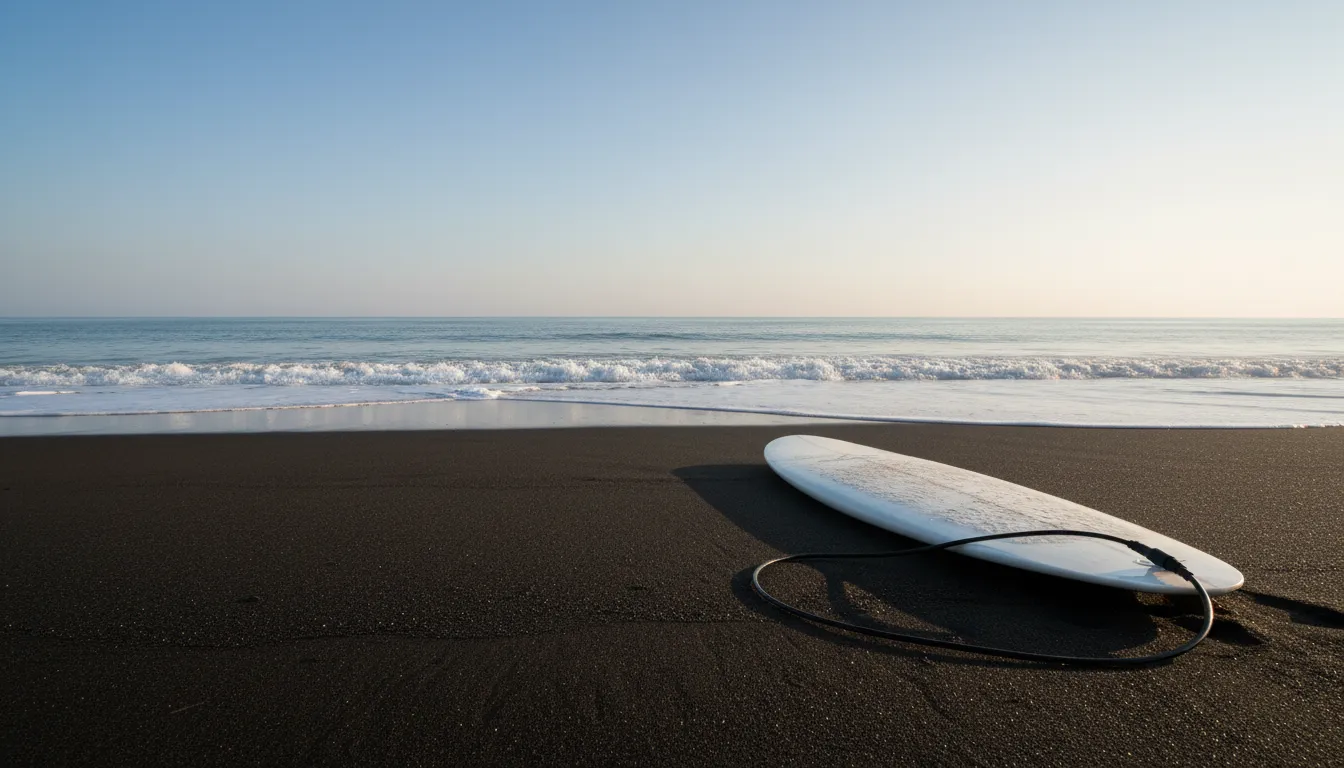
Jaco Beach is essentially one gloriously consistent beach break stretching for miles, which means no razor-sharp reefs waiting to shred your board or your confidence. Beginners find their “pop up” moment here without the terror of navigating complex reef systems, while intermediate surfers can actually hone techniques instead of just surviving. The waves are forgiving enough for your first ride, challenging enough that you won’t get bored after two sessions.
Our water stays warm year-round, hovering around 80°F (27°C), so you can permanently retire that wetsuit debate. You’ll spend more time actually surfing than standing on the beach calculating neoprene thickness based on seasonal temperature charts. It’s one less thing to pack, one less excuse not to paddle out at dawn.
We’re positioned about five minutes on foot from the main break—close enough that dawn patrol sessions happen before your kids notice you’ve left, far enough that you’re not sleeping with boardwax smell permanently embedded in your sheets. This proximity matters more than you’d think. When the swell report looks promising at 6 AM, you’re not spending 30 minutes in traffic wondering if the conditions will hold. You’re already paddling out.
Surfing Smart: Lessons, Rentals, and Reading the Jaco Tides
Skip the YouTube tutorial deep-dive and just book a certified local instructor. They know the subtle shifts in these beach breaks—where the sandbar built up overnight, which section is cleanest during specific tide windows, and how to read the lineup politics without accidentally dropping in on someone’s wave. ISA-certified instructors are your safest bet, and they’ll shave literal weeks off your learning curve. Yes, it costs more than winging it solo. It’s also exponentially less frustrating.
Rental options blanket this town, from basic foam boards perfect for beginners to performance shortboards for experienced riders. Don’t overpay—decent boards start around $15-20 for a half-day, and anyone charging significantly more better be including a personal butler. Always inspect for dings before you paddle out. That small crack you ignored? It’ll fill with water, make your board feel like you’re carrying a waterbed, and potentially get you charged for damage you didn’t cause.
Tide charts here are less about “can I surf?” and more about “what kind of session am I after?” High tide delivers softer, longer rides with more push—perfect for beginners still figuring out pop-up timing. Low tide amps things up, with steeper faces and faster sections that intermediate and advanced surfers actually enjoy. Neither is inherently better; they’re just different tools in your quiver.
For swell forecasts, we’re loyal to Magicseaweed and Surfline for reliable local intel. Pay attention to swell direction—southwest typically delivers the cleanest waves for Jaco—and check the period. Longer period swells (12+ seconds) pack more power and form better-shaped waves than short-period wind chop. This isn’t rocket science, but it’s the difference between scoring epic sessions and wondering why you bothered waxing your board.
Beyond the Main Break: Nearby Spots Worth the Trek
Esterillos Oeste sits just 20 minutes south, offering a mellower vibe and often cleaner waves, especially around the famous “mermaid rock” visible at low tide. It’s less crowded than Jaco proper, which means more waves for you and less lineup politics. The drive is straightforward, and the beach has that uncrowded feel that’s increasingly rare along this coast.
Playa Hermosa, 10 minutes south, is where things get serious. This powerful beach break is known for consistent barrels and hosts major surf competitions, so you might catch professional surfers throwing buckets while you paddle out. It’s genuinely more challenging than Jaco—stronger currents, heavier waves, and less forgiveness for mistakes. Intermediate to advanced surfers will love it. Beginners should stick to Jaco unless you enjoy prolonged underwater meditation sessions.
Boca Barranca up north near Puntarenas offers one of the world’s longest left-hand point breaks when conditions align. It requires a bigger swell to fire properly, but when it does, you can ride for what feels like geological time periods. The drive takes commitment—about 90 minutes—but serious longboarders and those chasing legendary waves consider it pilgrimage-worthy.
When planning post-surf fuel, skip the obvious tourist traps with English-menu-board prices. We’ve got personal favorites tucked into corners only locals frequent, where the casado plates are massive and the fish is genuinely caught that morning. Ask us for directions to the real good stuff—the kind of spots that don’t bother with Instagram presence because they’re already packed with regulars.
Adventure Beyond the Board: Jaco’s Thrills on Land and Sea
Zip-lining through rainforest canopy delivers that perfect adrenaline rush without actual danger, making it ideal for families wanting adventure without the liability waiver nightmares. Multiple providers offer various courses, from mellow intro lines to superman-style cables where you’re flying face-first through the jungle. The bird’s-eye views of this landscape are legitimately spectacular—waterfalls, wildlife, and enough green to make you understand why Costa Rica takes conservation seriously.
Manuel Antonio National Park is the day trip that belongs on every itinerary. Think white-sand beaches where monkeys will absolutely steal your snacks if you’re not vigilant, sloths moving at their characteristic glacial pace, and hiking trails ranging from easy beachside strolls to legitimate workouts. Arrive early—gates open at 7 AM—to beat the crowds and the heat. By noon, it’s packed and sweltering. Dawn arrivals see better wildlife and actually enjoy the experience.
ATV tours let you explore hidden waterfalls and jungle trails that aren’t accessible by regular vehicles. Yes, you’ll get dusty. Yes, it’s exhilarating. The guides know routes through areas you’d never discover independently, and most tours include swimming stops at waterfalls that aren’t crowded with tour buses. It’s legitimately one of the best ways to see Jaco’s wild interior.
Sport fishing here is world-class. Offshore waters hold Marlin, Sailfish, and Dorado, with local captains who’ve been running these routes for decades. Even if you’re not interested in fishing, sunset boat tours offer spectacular coastal views and occasionally dolphin sightings. The Pacific sunsets from the water hit differently than beach sunsets—something about the moving platform and unobstructed horizon makes them more dramatic.
Staying Safe & Savvy: Essential Jaco Adventure Tips
Sun protection isn’t optional negotiation territory. Costa Rican sun is legitimately more intense than what most visitors are accustomed to, and sunburns here can ruin entire vacations. Reef-safe sunscreen protects both you and the marine ecosystem, rashguards prevent that painful shoulder burn from paddling, and wide-brim hats are essential for land adventures. Hydration matters exponentially more in tropical heat, especially during physical activities. Drink more water than seems reasonable.
Rip currents occur here, though Jaco is generally safe for swimmers and surfers. Always stay near patrolled areas, and if you do get caught in a rip, swim parallel to shore until you’re out of the current, then angle back toward the beach. Fighting directly against a rip current exhausts even strong swimmers. Most local surf schools teach rip identification and escape techniques during lessons—pay attention to that part.
Leave valuables locked up, whether you’re surfing or exploring town. Jaco is welcoming and generally safe, but opportunistic theft happens anywhere tourists gather. Our property offers secure storage options for guests, meaning you can actually enjoy your adventures instead of constantly checking over your shoulder. A locked safe beats anxiety every time.
Embrace the “pura vida” pace, but stay situationally aware. Jaco’s vibrant and friendly, with genuinely welcoming locals and a relaxed atmosphere. That said, common-sense precautions go far. Don’t leave bags unattended on the beach, avoid walking alone late at night in isolated areas, and keep expensive camera gear secured when not actively using it. This isn’t paranoia—it’s just smart travel anywhere in the world.
Frequently Asked Questions
Is Jaco Beach good for beginner surfers, or will I be immediately humbled by giant waves?
Jaco is genuinely ideal for beginners. The beach break is forgiving, waves are consistent but manageable, and the sandy bottom means wipeouts don’t involve reef encounters. You’ll fall plenty—everyone does—but you won’t get demolished. Local surf schools specialize in first-timers, and the warm water means you can stay out longer without freezing. Expect progression, not immediate humbling. Though humility happens eventually to all surfers; it’s part of the deal.
Can I rent surfboards in Jaco, or do I need to haul my own board from home?
Rental shops are everywhere, offering everything from beginner foam boards to performance shortboards. Prices start around $15-20 for half-day rentals, making it far more practical than dealing with airline baggage fees and potential board damage during travel. Unless you’re extremely attached to your specific board, just rent locally. It’s easier, cheaper, and you can try different shapes throughout your stay.
What’s the best time of year to catch the ‘good’ waves in Jaco?
Jaco gets surf year-round, but May through November (rainy season) typically delivers the most consistent swells from southern hemisphere storms. December through April (dry season) still produces rideable waves, just slightly smaller and less frequent. Honestly, unless you’re chasing massive barrels, you’ll find surfable conditions pretty much any week you visit. Check the forecast before booking if wave size is critical to your plans.
Are there surf lessons available for kids in Jaco, and are they actually safe?
Multiple surf schools offer kid-specific lessons with ISA-certified instructors trained in child safety protocols. They use appropriate foam boards, maintain low student-to-instructor ratios, and choose mellow sections of beach with gentle waves. It’s genuinely safe when done through reputable schools. Kids often learn faster than adults because they’re fearless and lower to the board. Just ensure the school is properly certified and has good reviews from other families.
Besides surfing, what other adventures can I get into around Jaco without needing a machete and a compass?
Zip-lining, ATV tours, sport fishing, Manuel Antonio National Park visits, waterfall hikes, sunset cruises, and wildlife tours are all readily accessible and well-organized. You don’t need wilderness survival skills—these are established tours with professional guides and safety equipment. Jaco’s adventure infrastructure is well-developed, meaning you get the thrill without the actual danger of getting lost in the jungle. Save the machete for another trip.
How reliable is the internet for digital nomads trying to work between surf sessions in Jaco?
Internet reliability varies by location, but most established properties and coworking spaces offer solid connections suitable for video calls and regular work. We’ve hosted plenty of digital nomads who successfully balance morning surf sessions with afternoon work blocks. Download any critical files beforehand, have a mobile hotspot backup plan, and communicate your connectivity needs when booking accommodations. It’s absolutely doable; just plan accordingly and you’ll be fine.
Bahía Azul, unit 7C sits right on this stretch of sand — on the quiet south end of Jacó, a few hundred feet from the water.
Book on Airbnb