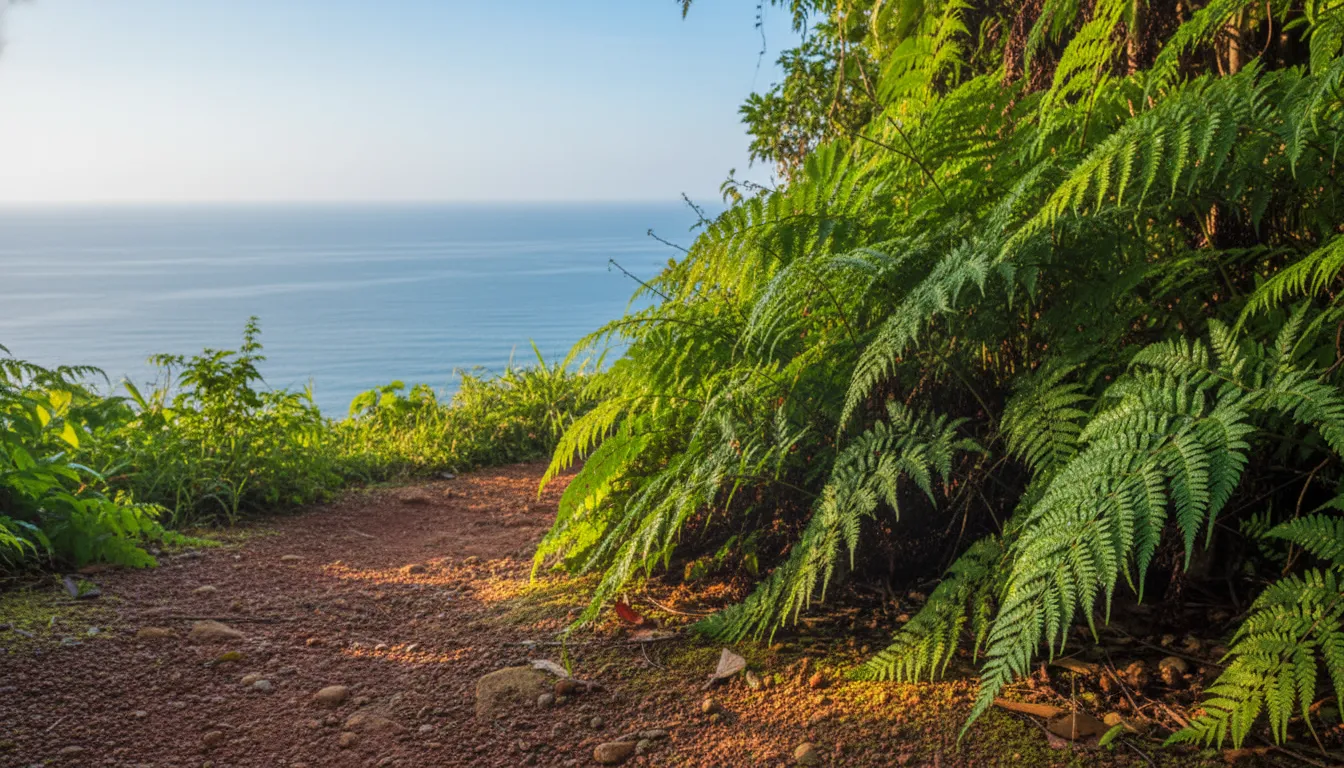
Beyond the Beach: Unearthing Jaco’s Best Hiking Trails (Sweat & Smiles Guaranteed)
Sure, Jaco’s waves are legendary, and yes, that poolside margarita at sunset is calling your name. But here’s what the guidebooks won’t tell you: some of the best moments in Jaco happen when you’re knee-deep in rainforest mud, chasing a waterfall you can hear but can’t yet see. This isn’t about ticking off tourist attractions—it’s about lacing up your boots and discovering why Costa Rica’s pura vida philosophy tastes even sweeter when you’ve earned it through a proper jungle trek. From family-friendly nature strolls to serious mountain ascents that’ll have your calves screaming (in a good way), Jaco’s hiking scene offers the perfect antidote to beach-lounging paralysis. And the best part? You can start your morning conquering a mountain and end it watching the Pacific sunset from your rental’s terrace. Geography never multitasked so beautifully.
Jaco’s Secret Footpaths: Where the Jungle Meets the Coastline (and Your Hiking Boots)
Let’s address the elephant in the rainforest: Jaco isn’t Manuel Antonio. You won’t find tour buses clogging trailheads or selfie-stick traffic jams at every viewpoint. What you will find are paths that locals actually use—genuine slices of Costa Rican wilderness that haven’t been Instagram-optimized into oblivion. These trails exist in that sweet spot between “undiscovered” and “completely inaccessible,” which means you’ll need a bit of local knowledge (consider this your insider’s handshake) but won’t require a machete or satellite phone.
Jaco’s geography is ridiculously convenient for adventure seekers. The town sits wedged between the Pacific and a series of jungle-covered mountains, creating a natural playground where elevation meets ocean within minutes. You can literally spend your morning climbing toward cloud-level views and your afternoon bodysurfing in the Pacific—no hour-long drives required. This proximity means you’re not sacrificing beach time for hiking time; you’re just adding another dimension to your Costa Rican experience. The mountains provide the drama, the coastline provides the reward, and your legs provide the commentary (usually in the form of pleasant exhaustion).
Waterfall Chasing: Jaco’s Most Rewarding (and Refreshing) Treks
Bijagual Waterfall—also known as Manantial de Agua Viva for those keeping score—deserves its reputation as the region’s heavy-hitter. This isn’t some trickle you could replicate with a garden hose. We’re talking about a 200-meter cascade that thunders down a cliff face like nature’s own percussion section. The hike demands respect: it’s steep in sections, muddy after rain (which is often), and takes about 90 minutes each way. But that final reveal, when you emerge from the jungle canopy to see that ribbon of white water plummeting into a pool below? Worth every slippery step and questionable root you grabbed for balance.
For those seeking waterfall rewards without quite as much vertical punishment, Aguas Zarcas offers a gentler alternative that’s no less stunning. These multi-tiered falls cascade through the jungle like a liquid staircase, creating natural swimming holes that range from ankle-deep to properly plunge-worthy. The trail rates as moderate rather than challenging, making it perfect for mixed-ability groups or days when your legs are still recovering from yesterday’s beach volleyball tournament. The surrounding jungle provides ample shade, and the water temperature hits that perfect sweet spot between refreshing and not-actually-hypothermia.
One waterfall-chasing reality check: rain makes these cascades exponentially more spectacular but also transforms trails into slip-and-slide courses. Good tread on your shoes isn’t a suggestion—it’s the difference between graceful hiking and unintentional mudsliding. And while that sounds dramatic, proper footwear genuinely determines whether you spend the hike enjoying nature or monitoring your ankle’s structural integrity.
Rainforest Rhapsody: Easier Trails for Families & Wildlife Spotters
Carara National Park, roughly 30 minutes north of Jaco, operates as Costa Rica’s wildlife university—assuming universities were staffed entirely by scarlet macaws and poison dart frogs. The park’s Laguna Meándrica trail delivers maximum biodiversity with minimum physical torture, thanks to its flat, well-maintained paths that even small humans can manage without meltdowns. This is where [family adventures in Jaco](https://jacobeachzen.com/Family-Friendly Activities/jaco-kid-friendly-attractions) shift from theoretical to triumphant: kids who thought hiking meant boring suddenly become obsessed with spotting agoutis or identifying monkey species. The trail winds through transitional forest where Pacific and Caribbean ecosystems overlap, creating a biological crossroads that attracts wildlife like a jungle networking event.
Want the Carara National Park experience without committing to a formal park visit? Herradura’s lesser-known trails offer similar wildlife encounters with fewer entrance procedures. These paths meander through secondary forest with gentler inclines, making them ideal for morning outings before the day heats up. Local birds treat these trails like personal highways, and if you’re lucky (and quiet), you might catch monkeys moving through the canopy overhead like acrobats who never learned about workplace safety regulations.
Even on shaded trails, Costa Rica’s sun doesn’t take breaks. Hydration matters exponentially more when you’re hiking with kids who may not recognize thirst until they’re already dehydrated. Pack more water than seems reasonable, then pack a bit more. Your future self will thank your paranoid, over-prepared present self.
Conquering the Peaks: Mountain Trekking for the Seriously Adventurous
Cerro Miro, locally known as Tivives Mountain, represents Jaco hiking’s varsity team. This isn’t a casual Sunday stroll—it’s a proper ascent that rewards your effort with panoramic views stretching from Jaco’s coastline to the Gulf of Nicoya. The trail gains serious elevation, which your cardiovascular system will absolutely notice and comment on. But that summit moment, when you’re standing above the clouds with the Pacific Ocean unrolling below you like the world’s most impressive carpet? That’s when you understand why people use words like “transcendent” about hiking experiences.
Here’s the unglamorous truth about Jaco’s more remote mountain trails: some aren’t marked with the regularity you might expect from, say, a U.S. national park. This is where finding the best adventure guides in Jaco transitions from optional luxury to genuinely wise decision. Local guides know which fork in the trail actually leads somewhere versus which one dead-ends in impenetrable vegetation. They’ve got the spider sense for weather changes that can transform a pleasant hike into a muddy survival exercise. Plus, they spot wildlife you’d walk past without a second glance—that unremarkable brown lump? Actually a sloth. That leaf that just moved? Probably an iguana auditioning for a camouflage competition.
Timing matters enormously for peak hikes. Starting at dawn isn’t Instagram-worthy advice—it’s practical survival strategy. The midday heat at higher elevations can shift from uncomfortable to genuinely dangerous, and afternoon clouds often obscure those views you climbed to see. Set your alarm obnoxiously early, grumble through your coffee, and hit the trail when the jungle’s still waking up. Your body temperature will thank you.
Gear Up & Go: What to Pack for Your Jaco Hiking Expedition
Let’s talk footwear with the seriousness it deserves. Proper hiking shoes—closed-toe, with actual tread that could grip a banana peel on an oil slick—isn’t optional accessories. They’re the foundation of your entire hiking experience. Those cute sandals? Leave them for beach walks. Those ancient sneakers with smooth bottoms? Also inadequate. Trails here feature mud, roots, rocks, and occasionally all three simultaneously. Your feet need protection and your ankles need support, end of sermon.
Hydration in tropical climates operates on different physics than wherever you’re probably from. Pack a reusable water bottle large enough to feel slightly excessive, then fill it with purified water before departing. (Most accommodations, including ours at Jaco Beach Zen, can point you toward safe fill-up spots.) You’ll drink more than you expect, sweat more than seems physically possible, and still need water for the return journey. Electrolyte packets aren’t a bad addition to your kit either—they’re lighter than sports drinks and prevent that weird depleted feeling that hits after extended tropical exertion.
Insect repellent deserves its own luggage compartment. DEET-based formulas work effectively, though eco-conscious alternatives exist if you prefer. Either way, pack enough to reapply—mosquitoes view a single application as merely the appetizer course. Lightweight, quick-drying clothing makes the humidity manageable, and layers help you adapt as elevation and exertion levels change. A sun hat protects your head from UV rays that laugh at tree cover, while sunscreen guards skin that sweat will inevitably expose. And that lightweight rain jacket? It’s Costa Rica—sudden downpours are less “if” than “when.” Better to carry it unused than wish for it while getting thoroughly soaked.
Guided vs. Going Solo: Navigating Jaco’s Trails Like a Pro
Some trails—particularly well-marked routes in established parks—accommodate confident solo hikers without drama. If you’re comfortable with basic navigation and the path resembles an actual path rather than a vague suggestion through vegetation, self-guided exploration works perfectly fine. But here’s what you’re potentially missing: that brown blob in the tree you’d dismiss as a termite nest? Your guide would identify it as a sloth. That distant sound you’d attribute to wind? Actually howler monkeys warming up for their daily concert. That plant you almost grabbed for balance? Covered in spines that would make the rest of your day significantly less pleasant.
Local guides transform hikes from exercise sessions into immersive biology lessons taught by professors who genuinely love their subject matter. They’ve got trained eyes for camouflaged creatures, extensive knowledge about medicinal plants, and stories about local history that aren’t available in any guidebook. They also carry first aid supplies, know where cell service exists (spoiler: often nowhere), and can adjust routes if weather turns problematic. For challenging expeditions or truly remote trails, a reputable guide shifts from luxury hire to legitimate safety equipment.
The financial investment in a good guide typically pays dividends beyond just reaching your destination safely. You’ll see more wildlife, learn more context, and access trails that aren’t exactly public knowledge. Plus, after your hike, you can return to Jaco Beach Zen, rinse the mud off in our outdoor shower, and spend the rest of your day lounging by the pool while your muscles recover. That’s not just hiking—that’s the complete Costa Rican adventure experience, earned through sweat and rewarded with comfort.
Frequently Asked Questions
Are Jaco’s hiking trails safe for solo travelers, especially women?
Jaco’s established trails generally rate as safe for solo hikers regardless of gender, particularly well-traveled routes in national parks. Standard precautions apply: stick to marked trails during daylight hours, inform someone of your plans, and carry a charged phone even if service is spotty. For remote or less-maintained trails, hiring a guide adds both safety and peace of mind. The local hiking community is welcoming, and you’ll often encounter other adventurers on popular routes. Trust your instincts—if a trail feels too isolated or poorly marked, save it for a guided expedition.
What’s the best time of year to go hiking in Jaco to avoid muddy conditions?
Costa Rica’s dry season (December through April) offers the most reliably mud-free hiking, though “mud-free” remains relative in a rainforest. Even during these drier months, trails retain moisture and occasional rain showers create temporary slick spots. The green season (May through November) brings more frequent rain, transforming some trails into legitimate mud courses—challenging but manageable with proper footwear. Honestly? A bit of mud adds character to the experience. Just embrace it as part of authentic jungle hiking rather than something to avoid entirely.
Can I hike to any waterfalls directly from Jaco Beach without a car?
Not practically, no. Jaco’s best waterfalls—including Bijagual and Aguas Zarcas—require vehicle access to reach trailheads. They’re located outside town, typically 20-40 minutes by car on roads that don’t accommodate walking safely. Most visitors either rent vehicles, arrange transportation through tour operators, or book guided expeditions that include transport. The good news? Once you’re at the trailhead, the actual hiking begins, and that’s where the real adventure lives. Consider transportation logistics as merely the prologue to your waterfall story.
Are there any night hiking tours available in Jaco?
Absolutely, and they’re spectacular. Several local operators offer guided night hikes that reveal Costa Rica’s nocturnal wildlife show—think frogs that glow under flashlight, insects that look designed by science fiction artists, and sleeping birds you’d never spot during daylight. These tours typically happen in nearby reserves rather than on major hiking trails, and they’re conducted with red-filtered lights to minimize wildlife disturbance. The experience completely reframes what you thought you knew about the jungle. Just don’t attempt night hiking solo—darkness transforms even familiar trails into disorienting mazes.
Do I need special permits or entrance fees for hiking trails around Jaco?
Depends on the trail. National parks like Carara require entrance fees (around $10-15 USD for foreigners), payable at park entrances. These fees support conservation and trail maintenance, making them worthwhile investments in Costa Rica’s ecological preservation. Some private reserves also charge modest access fees. However, many trails near Jaco remain free to access, particularly those on public lands or less-developed routes. If you’re booking guided tours, entrance fees are often included in the package price. Always carry some cash—card readers don’t typically appear at jungle trailheads.
What wildlife can I realistically expect to see on a typical Jaco hiking trail?
Realistic expectations prevent disappointment: you’ll likely see birds (toucans, parrots, motmots), insects (butterflies, leaf-cutter ants), and smaller mammals (agoutis, coatis). Monkeys appear frequently enough to feel special but not guaranteed—howlers are more common than white-faced capuchins. Sloths require trained eyes to spot since they’re masters of looking like tree branches. Reptiles range from colorful poison dart frogs to Jesus Christ lizards that actually run on water. Big cats? Extremely rare despite existing in the ecosystem. The wildlife lottery is part of hiking’s charm—you never know what today’s jungle will reveal.
Bahía Azul, unit 7C sits right on this stretch of sand — on the quiet south end of Jacó, a few hundred feet from the water.
Book on Airbnb