Jaco’s Adrenaline Rush: Your Guide to the Best Surf, Ziplines, and Jungle Thrills
Jaco Beach isn’t here to tuck you into a hammock with a piña colada—well, not only that. Sure, we’ve got postcard-perfect sunsets and palm trees swaying like they’re auditioning for a Corona commercial, but scratch beneath that sandy surface and you’ll find a town built on wave-riding, canopy-zipping, mud-slinging adventure. This is where first-time surfers discover their sea legs on forgiving breaks, where experienced riders chase barrels at dawn, and where jungle trails beckon anyone brave enough to trade flip-flops for hiking boots. Whether you’re eyeing those consistent Pacific swells or wondering what it feels like to fly through rainforest canopy at speeds that make your stomach question your life choices, Jaco delivers. The best part? You can surf in the morning, zipline through monkey territory by afternoon, and still make it back to Jaco Beach Zen in time to rinse off the day’s adventures before dinner. Let’s break down how to make the most of Jaco’s wild side without ending up as cautionary tale material.
Catching the Jaco Vibe: Surfing for Every Skill Level
Jaco isn’t just a pretty face with a beach—it’s a legitimate surf town that happens to look good doing it. The consistent, warm-water waves roll in year-round, powered by Pacific swells that don’t require a wetsuit or a trust fund to enjoy. Water temperatures hover around 80°F, which means your wipeouts come with less hypothermic shock and more graceful flailing in bathwater-warm comfort.
The beauty of Jaco’s coastline is its democratic approach to wave distribution. Head to the southern end of the beach near the estuary, and you’ll find gentle whitewash perfect for first-timers who are still figuring out which end of the board goes forward. These mellower breaks let beginners practice their pop-ups without getting thoroughly pummeled by Mother Nature’s sense of humor. As you move north along the beach, the waves gradually build character—and size. The middle section offers intermediate-friendly peaks where you can actually practice turns instead of just surviving, while the northern breaks near the rocks throw down more challenging conditions for experienced surfers chasing that green-wave adrenaline.
Timing matters here. Mid-tide generally offers the sweet spot for most breaks, though local variations mean you’ll want to chat with surf shop folks who actually check conditions daily rather than relying on your landlocked intuition. The wet season (May through November) brings bigger swells and occasional offshore winds that sculpt those Instagram-worthy barrels, while the dry season (December to April) delivers consistent, medium-sized waves ideal for progression without intimidation.
Your First Wave: Nailing Surf Lessons in Jaco
Renting a board and flailing solo might sound adventurous, but Jaco’s surf schools exist for excellent reasons—namely, getting you standing up faster and with fewer emergency room visits. The town’s packed with seasoned instructors who’ve taught everyone from terrified five-year-olds to overconfident adults convinced their skateboarding skills from 1987 will translate. Spoiler: they won’t, but that’s why these folks are certified magic workers.
Most reputable surf schools offer flexible packages ranging from quick two-hour introductions to multi-day camps that progressively build your skills. Look for instructors with CPR certification, smaller group sizes (ideally 4:1 student-to-instructor ratios or better), and the kind of patient enthusiasm that doesn’t wane after your seventeenth failed pop-up attempt. Expect to invest around $50-$75 for a two-hour group lesson including board rental, though private sessions run higher if you want undivided attention and customized feedback.
The typical lesson starts on the sand with pop-up drills that feel silly until you’re actually on a moving wave and muscle memory kicks in. Then it’s into the whitewater for practice rounds, with your instructor providing real-time coaching and occasionally hauling you out of comedic situations. Most first-timers catch at least a few rides during their initial session—standing up is the goal, but even belly-riding those first waves delivers surprising stoke. Jaco Beach Zen can help arrange lessons with trusted local instructors, and depending on schedules, even coordinate pick-up so you’re not wrestling a longboard onto a public bus.
Tide & Time: Deciphering Jaco’s Surf Report for Optimal Wave Catching
Knowing when to paddle out separates the successful sessions from the frustrating ones. Jaco generally surfs best around mid-tide, roughly two hours before and after the midpoint between high and low. This sweet spot provides enough water depth over the sandbars without the wonky closeouts that high tide sometimes delivers or the rock-dodging adventures of extreme low tide.
Dawn patrol—that pre-coffee hour when sensible people are still unconscious—often offers the session of the day. Morning typically brings glassy conditions before afternoon winds texture the surface, plus you get the bonus of watching sunrise paint the rainforest-covered hills while sitting on your board. There’s something profoundly satisfying about being in the water while the rest of the tourist world is still figuring out where they left their sunglasses.
Seasonal patterns matter too. Wet season swells (May-November) generally pack more punch, with southern hemisphere storms sending larger, more powerful waves that challenge even experienced surfers. The dry season (December-April) offers consistent, user-friendly waves ideal for learning and improving without getting thoroughly worked. Check local surf shops or online reports for daily conditions, but remember that Jaco’s breaks can vary dramatically along the beach—what’s firing at the north end might be flat at the south, and vice versa. When locals tell you a break is beyond your skill level, they’re not gatekeeping; they’re trying to prevent your starring role in someone’s “gnarly wipeout” compilation video.
Beyond the Board: Adrenaline-Pumping Adventures Off the Water
Even the most dedicated wave-riders need occasional variety, and Jaco’s jungle-covered mountains deliver adventure options that don’t require saltwater. Ziplining through the rainforest canopy offers the kind of Superman-style flying experience that makes you question why humans ever invented ground-based transportation. Multiple tour operators run canopy tours with varying cable lengths and speeds, but the common denominator is breathtaking views, occasional monkey sightings, and that particular brand of exhilaration that comes from trusting your life to a steel cable and a carabiner.
ATV and UTV tours let you explore terrain that polite sedans would never attempt—muddy trails leading to hidden waterfalls, steep climbs to panoramic viewpoints, and river crossings that guarantee you’ll return looking like you’ve been mud-wrestling. These tours typically run half-day or full-day, with guides who know where the good photo ops hide and which shortcuts actually work versus which ones lead to stuck-vehicle situations requiring extraction. Embrace the mud; it adds character and proves you actually did something adventurous instead of just talking about it over drinks.
For those preferring adventures powered by their own legs, rainforest hikes to waterfalls like El Miro combine exercise with natural swimming pools perfect for cooling off. The trails wind through primary and secondary forest where sloths occasionally grace you with their presence, toucans conduct their loud business in the canopy, and the humid air smells like growing things and possibility. These hikes range from easy strolls to more challenging treks, but the waterfall payoff—complete with refreshing plunge pools—makes the sweaty uphill portions worthwhile.
Jaco Beach Zen’s location means you’re close enough to reach both beach and jungle adventures quickly, without burning half your day in transit. Most tour operators offer pick-up services from the area, turning your adventure logistics into someone else’s problem while you focus on the fun parts.
Staying Safe & Savvy: A Jaco Adventure Checklist
Adventure tourism thrives on calculated risks, emphasis on calculated. Always book with reputable tour operators who maintain proper certifications, conduct regular equipment checks, and employ guides who’ve done this more than twice. For ziplining and canopy tours, ask about safety standards and whether they’re members of recognized Costa Rican tourism associations. Legitimate operators are proud to discuss their safety protocols; sketchy ones get defensive or vague.
Your adventure trinity—sunscreen, hydration, and insect repellent—isn’t optional in Costa Rica’s tropical environment. The sun here doesn’t mess around, capable of turning unprepared skin lobster-red in under an hour. Reapply sunscreen religiously, especially after water activities. Drink more water than seems reasonable; the humidity makes you sweat more than you realize, and dehydration sneaks up quietly. Insect repellent keeps the jungle’s tiny, biting residents from treating you like an all-you-can-eat buffet, particularly during dawn and dusk.
When it comes to surf conditions, local knowledge trumps bravado every single time. If a surf instructor or local rider suggests a break is too advanced for your current skill level, they’re not trying to spoil your fun—they’re trying to keep you from becoming a cautionary tale or, worse, requiring Coast Guard intervention. Riptides exist, waves occasionally surprise even experienced surfers, and the ocean remains beautifully indifferent to your confidence level. Start conservative, progress gradually, and leave your ego on the beach where it belongs.
Frequently Asked Questions
What’s the best time of year for a beginner to surf in Jaco?
The dry season (December through April) offers the most beginner-friendly conditions, with consistent, medium-sized waves and calmer weather patterns. The ocean’s warm year-round, but dry season brings more predictable swells without the bigger storms that sometimes roll through during wet season months. That said, Jaco’s southern breaks remain beginner-accessible even during wetter months—just check daily conditions with local surf shops before paddling out.
Are there kid-friendly surf lessons available in Jaco?
Absolutely. Multiple surf schools specialize in teaching children as young as five or six, using soft-top boards and patient instructors who understand that attention spans vary and bathroom breaks happen. Look for schools offering family packages where parents and kids can learn together, often with instructors who’ll adjust teaching styles based on age and comfort levels. Most schools provide properly sized equipment, because trying to wrestle an adult longboard is nobody’s idea of fun.
How can I tell if the surf is good today without being an expert?
Walk into any surf shop and ask—they check conditions obsessively and love talking about waves. Most shops also post daily surf reports on boards or social media. Online resources like Surfline provide forecasts, but local insight beats algorithms for Jaco’s specific breaks. If you see lots of people in the water at a particular spot, that’s usually a good sign conditions are cooperating, though crowds aren’t everyone’s preference for quality sessions.
What are the must-do adventure tours in Jaco other than surfing?
Ziplining consistently ranks highest for pure adrenaline, followed closely by ATV tours that combine speed with spectacular scenery. Waterfall hikes offer adventure at a slightly mellower pace, perfect for recovery days between more intense activities. For something different, consider crocodile tours on the Tarcoles River or mangrove kayaking—both deliver wildlife encounters without requiring you to defy gravity or common sense. Most visitors find mixing water-based and land-based adventures creates the best variety.
Is Jaco Beach safe for solo travelers seeking adventure?
Yes, with standard travel precautions. Book tours through established operators, avoid carrying excessive valuables during activities, and use common sense about nighttime wandering in unfamiliar areas. Jaco sees plenty of solo adventure travelers, and group tours naturally create opportunities to meet fellow explorers. Staying at properties like Jaco Beach Zen with good security and local knowledge adds another safety layer. The adventure tourism infrastructure here is well-developed and accustomed to international visitors exploring independently.
Can I rent surfboards and other gear easily in Jaco?
Extremely easily—Jaco has more surf rental shops than some towns have traffic lights. Daily rental rates typically run $10-$20 depending on board type, with discounts for multi-day rentals. Most shops stock everything from beginner-friendly soft-tops to performance shortboards, plus accessories like rash guards and board wax. Many deliver to local accommodations for small fees, saving you the awkward walk through town while carrying a nine-foot longboard. Just verify rental insurance policies and check equipment condition before leaving the shop.
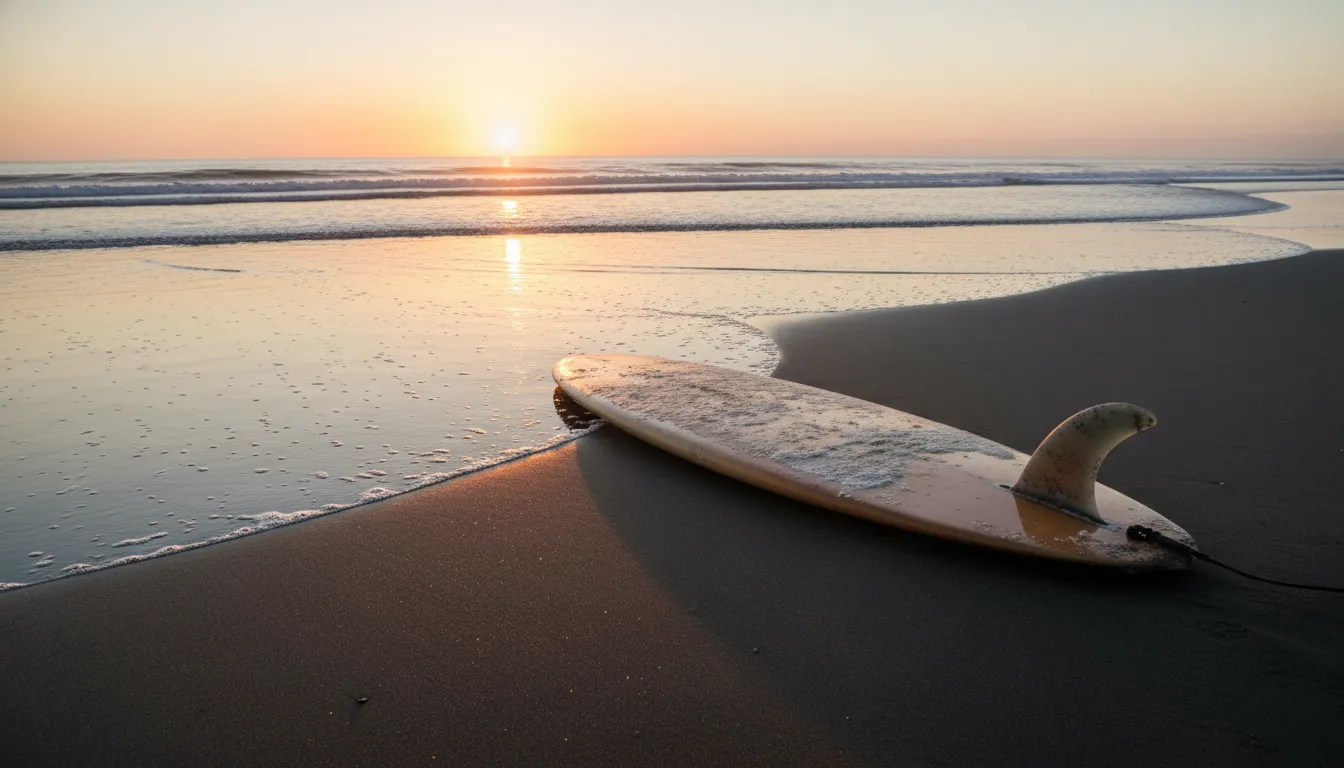
Bahía Azul, unit 7C sits right on this stretch of sand — on the quiet south end of Jacó, a few hundred feet from the water.
Book on Airbnb