Jaco’s Secret Underground: Beyond the Beach to Hidden Caves & Caverns
Let’s address the elephant in the room: Jaco isn’t Mammoth Cave. You won’t find vast networks of underground passages beneath the surf breaks and palm trees. But here’s the thing—Costa Rica’s Pacific coast has its own brand of subterranean intrigue, and if you know when the tide’s right and where to look, you’ll discover pockets of mystery that most visitors walk right past. We’re talking coastal sea caves that reveal themselves only during the moon’s lowest pull, hidden grottoes behind jungle waterfalls, and yes, if you’re willing to venture beyond Jaco’s immediate orbit, some genuinely impressive spelunking experiences. This isn’t about lowering expectations—it’s about recalibrating them. The best adventures around here often hide in plain sight, waiting for someone curious enough to explore beyond the obvious.
Jaco Ain’t Just Surface-Level: Unearthing Local ‘Caves’
First, let’s get our terminology straight. When locals mention “caves” around Jaco, they’re usually referring to coastal sea caves—those weathered openings carved into cliffsides by centuries of relentless Pacific swells. These aren’t the limestone caverns you’d find in Kentucky or New Zealand. They’re tidal-dependent formations, sometimes barely larger than a phone booth, occasionally opening into short passages that dead-end after a dozen meters. But here’s why they matter: they represent genuine micro-adventures accessible right from town, requiring nothing more than good timing and a healthy respect for ocean dynamics.
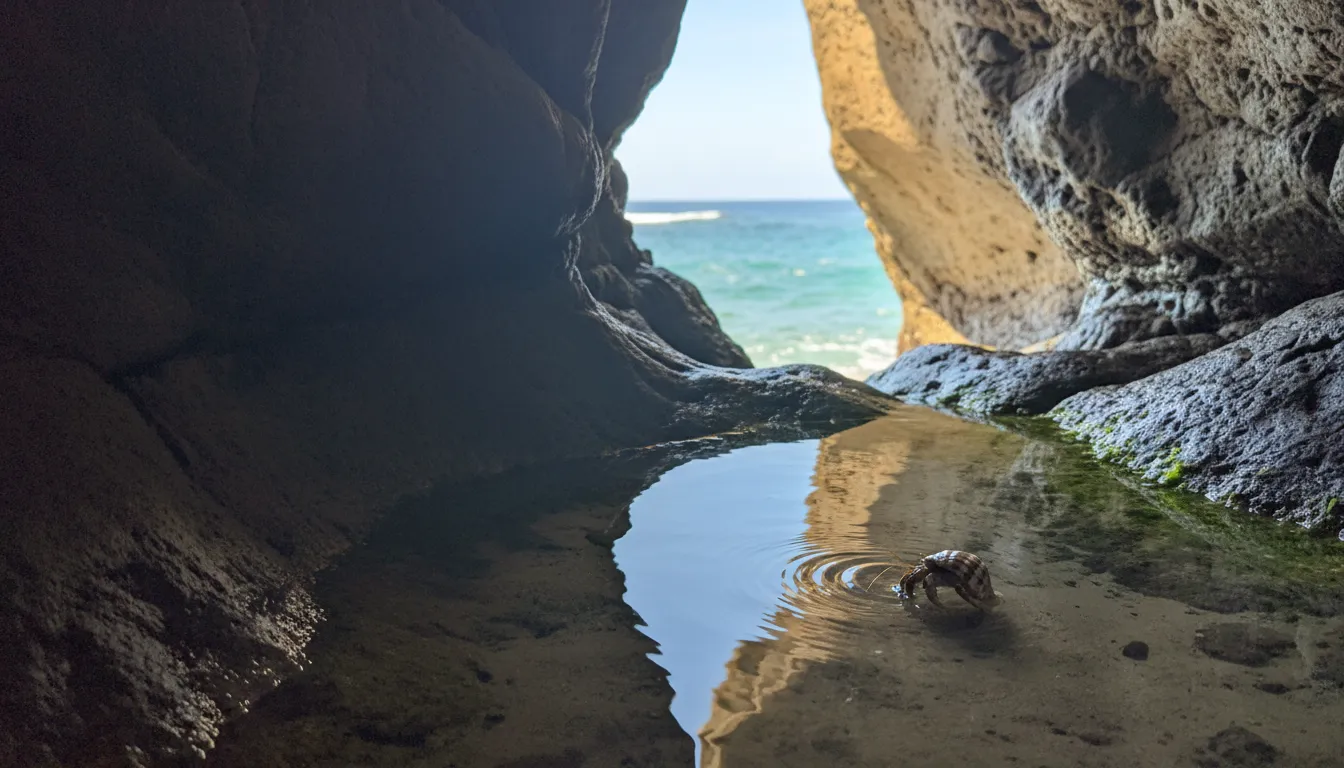
These formations cluster along the rockier stretches between Jaco and Playa Hermosa, and northward toward Herradura. You’ll spot them as dark hollows in the cliff face during extreme low tides, usually obscured by surf the rest of the month. The rock here is volcanic in origin, worn smooth by millennia of wave action, creating chambers that feel almost sculpted. Inside, you might find tide pools harboring hermit crabs and small fish, walls slick with algae, and that distinctive echo that makes even a whisper feel profound.
The appeal isn’t about going deep—it’s about discovery. There’s something primal about ducking into a space the ocean carved, feeling the temperature drop ten degrees, hearing your footsteps amplify against stone walls. It’s the kind of experience that reminds you the coastline has secrets, even in a place as developed as Jaco. Just don’t mistake accessibility for safety. The ocean wrote the rules here, and it doesn’t negotiate.
Going Deeper: The Coastal Cave Hunt – A Low-Tide Affair
Timing these explorations requires actual homework. You’ll need to consult understanding Jaco’s tides and target the absolute lowest tides of each lunar cycle—we’re talking those rare occasions when the waterline retreats far enough to expose passages normally submerged. Miss that window by even an hour, and you’re staring at waves crashing against solid rock where a cave entrance existed earlier.
These aren’t marked on tourist maps because they’re not formal attractions. Finding them requires either local knowledge or patient scouting during low-tide windows. The most accessible formations sit between Jaco’s southern end and the rocky transition toward Hermosa. Others hide along the Herradura coastline, where fewer tourists venture. You’ll recognize them by the smooth, water-worn entrances and the telltale darkness beyond.
What should you expect inside? Chambers rarely extend more than 10-15 meters before narrowing or dead-ending. The floors are usually uneven rock, sometimes covered in sand deposited by high tides, occasionally slippery with sea moss. Light penetrates only a few meters, so a headlamp isn’t optional—it’s essential. The walls showcase beautiful erosion patterns, and if you’re lucky, you might spot small fish or crustaceans in residual tide pools.
The critical safety rule: never explore solo, and always station someone outside monitoring both the cave entrance and the tide. Conditions change faster than you’d expect. What looks like calm surf can shift within minutes, and getting trapped inside while the tide rises is a genuinely life-threatening scenario. This isn’t paranoia—it’s respect for ocean dynamics. For first-timers, hiring a guide familiar with these formations and essential beach safety tips isn’t excessive caution; it’s common sense.
The Granddaddy of Caves: A Day Trip to Venado Caves from Jaco (Yes, It’s a Trek, But Worth It)
Now, if you’re craving legitimate spelunking—stalactites dripping from cathedral ceilings, underground rivers rushing through passages carved over millions of years, the particular thrill of crawling through spaces where sunlight has never reached—you’ll need to point your compass toward the Venado Caves near La Fortuna. It’s roughly 3-4 hours from Jaco, making it an ambitious day trip or, more realistically, an overnight adventure worth building a mini-itinerary around.
Venado delivers everything coastal caves don’t: scale, complexity, and genuine subterranean drama. These limestone caverns feature textbook speleological formations—stalactites hanging like stone icicles, stalagmites rising to meet them, flowstone cascades that look like frozen waterfalls. You’ll wade through underground streams, sometimes chest-deep, squeeze through passages that require actual crawling, and experience the profound darkness that exists only in true caves. Headlamps and helmets aren’t accessories here; they’re survival equipment.
What makes Venado particularly fascinating are the marine fossils embedded in the cave walls—ancient coral and shells that prove this area once sat beneath an ocean. It’s a tangible connection to geological deep time, the kind of thing that makes you reconsider your place in the timeline. The cave also hosts bats, unique insects adapted to permanent darkness, and formations still actively growing, drip by patient drip.
Logistically, most visitors book guided tours through reputable operators who provide necessary equipment and, crucially, knowledge of the cave system’s intricacies. While you could theoretically drive yourself and hire a guide on-site, booking through established tour companies from Jaco ensures proper equipment, insurance, and guides who actually know what they’re doing. Digital nomads might consider extending this into a work-from-La Fortuna situation, spending a few days exploring both Venado and the Arenal region before returning. Check out our guide on planning your perfect Costa Rica itinerary for blending work and adventure.
Retirees interested in this experience should know it’s physically demanding—expect mud, water, tight squeezes, and moderate exertion. However, well-run tours accommodate varying fitness levels, and guides adjust the route based on group capabilities. Communicate honestly about mobility limitations beforehand. And here’s a pro tip: after a day of crawling through muddy passages, returning to a private, comfortable space with a hot shower and actual beds becomes profoundly appealing. There’s something satisfying about rinsing cave mud down the drain at your own rental rather than making small talk in a hostel bathroom.
Beyond the Obvious: Unconventional ‘Cave’ Adjacent Adventures
Sometimes the spirit of cave exploration exists in spaces that aren’t technically caves. Jaco’s surrounding jungle offers experiences that capture that same sense of entering hidden, enclosed natural spaces. Dense rainforest trails, particularly in Carara National Park, create natural tunnels where the canopy closes overhead so completely that midday feels like twilight. The temperature drops, sounds amplify differently, and you get that enclosed, secretive feeling caves provide without actually going underground.
Waterfall hikes around Jaco occasionally lead to grottoes—recessed spaces behind or beside cascades where you can duck under the spray into a cool, shaded alcove. These aren’t caves in the geological sense, but they scratch the same exploratory itch. The combination of rushing water, smooth rock walls, and that satisfying sensation of discovering a hidden space makes them worthwhile additions to any adventure itinerary.
Local adventure guides—the ones who’ve been exploring this area for years, not the ones who showed up last season—often know about lesser-publicized spots that offer exactly this kind of experience. When booking tours, don’t just ask about the standard offerings. Mention you’re interested in “hidden spots” or “off-trail discoveries.” Good guides appreciate clients who want more than the Instagram checkpoints, and they’ll often reveal locations that never make it into guidebooks. For more regional exploration ideas, our guide to exploring La Fortuna and Arenal covers similar hidden gems.
Essential Gear & What to Pack for Your Underground Expedition
For coastal cave exploration, your gear list is mercifully short but non-negotiable. Start with sturdy water shoes—those cheap river sandals with actual sole grip, not flip-flops that’ll abandon you at the first slippery rock. A reliable headlamp beats a phone flashlight every time; hands-free light isn’t a luxury when you’re navigating uneven surfaces. Bring a waterproof bag for your phone, because these spaces are wet and you will drop things. Wear swimwear under quick-dry clothing, because you’re getting soaked whether you plan to or not.
Venado Caves require a different approach entirely. Tour operators typically provide helmets and headlamps, but verify this when booking. You’ll need clothes you genuinely don’t care about—we’re talking items you’d happily throw away afterward because they will get comprehensively filthy. Mud isn’t an occasional hazard; it’s the primary medium you’ll be moving through. Closed-toe shoes with aggressive tread are essential. Many people bring old sneakers they plan to discard post-tour. Pack a complete change of clothes for the return journey, and don’t underestimate how muddy you’ll get. Bug spray helps for the hike to the cave entrance.
Regardless of which cave experience you’re pursuing, sun protection and hydration matter. Even if the caves themselves are cool and shaded, getting to them involves sun exposure, and Costa Rica’s equatorial intensity doesn’t mess around. Bring more water than seems reasonable. Dehydration sneaks up on you here, particularly during physical activities.
One underrated consideration: plan for post-adventure cleanup. If you’re doing Venado, having access to laundry facilities becomes surprisingly important. Mud-caked clothes need proper washing, and wet gear requires space to dry. Staying somewhere with these amenities—rather than hostel bunks where you’re stuffing damp equipment into backpacks—makes the experience significantly more pleasant. Little practical considerations like these often differentiate between a good adventure and one you’re still complaining about three days later.
Frequently Asked Questions
Are there real spelunking caves right in Jaco Beach?
No, not proper spelunking caves within Jaco itself. The town offers coastal sea caves—small, tidal-dependent formations in cliffsides that provide brief exploratory experiences during extreme low tides. For genuine spelunking with stalactites, underground rivers, and extensive passages, you’ll need to venture to places like Venado Caves near La Fortuna, roughly 3-4 hours from Jaco. The coastal formations are still worth exploring for their accessibility and unique character, but adjust expectations accordingly. They’re micro-adventures, not expeditions.
How do I find the coastal sea caves near Jaco?
These formations aren’t signed or officially designated, so finding them requires local knowledge or patient scouting during the lowest tides of each month. The most accessible caves cluster along rocky stretches between Jaco’s southern end and Playa Hermosa, and northward toward Herradura. Look for dark openings in cliff faces exposed only when the tide retreats significantly. Hiring a local guide for your first exploration is strongly recommended—they know which formations are safe, when to go, and how to monitor conditions properly.
Is it safe to explore the coastal caves without a guide?
Technically possible, but genuinely risky if you’re unfamiliar with local tide patterns and ocean dynamics. The primary danger is getting trapped inside when the tide rises, which happens faster than most people anticipate. If you insist on going solo, never explore alone—always have someone stationed outside monitoring both the cave entrance and ocean conditions. Better approach: hire a guide for your first few explorations to learn proper timing, safety protocols, and which formations are actually worth visiting. The ocean doesn’t offer second chances here.
What’s the best time of year to explore caves around Jaco?
For coastal sea caves, timing depends more on lunar cycles than seasons—you need the extreme low tides that occur during new and full moons each month. Dry season (December through April) offers more predictable weather and calmer seas, making coastal exploration safer. For Venado Caves, year-round access is possible, though dry season means less mud inside the caves. However, some argue the wet season adds to the adventure, with higher underground water levels creating more dramatic experiences. Just expect to get significantly muddier.
Are the Venado Caves suitable for families with young children?
It depends on the children’s age, physical ability, and comfort with enclosed spaces, darkness, and getting dirty. The caves involve crawling through tight passages, wading through chest-deep water, and navigating slippery, uneven surfaces in complete darkness. Most tour operators set minimum age requirements around 8-10 years old, but even then, kids need reasonable physical fitness and an adventurous disposition. This isn’t a stroller-friendly attraction. Families with younger children might prefer Jaco’s coastal caves, which offer easier, shorter exploratory experiences.
What should I wear for a cave exploration trip to Venado?
Wear clothes you’re prepared to throw away afterward—seriously. Old t-shirt, shorts or quick-dry pants, and closed-toe shoes with good grip that you don’t mind destroying. Many visitors bring old sneakers specifically to discard post-tour. Swimwear underneath your clothes helps since you’ll be wading through water. Tours typically provide helmets and headlamps, but verify when booking. Pack a complete change of clean, dry clothes for the return journey, plus plastic bags for containing your muddy gear. Bug spray for the approach hike is also wise.
Can I combine a cave tour with a waterfall tour from Jaco?
Absolutely, and it’s a popular combination. Several tour operators offer packages that bundle waterfall hikes with other adventures. For coastal caves, you’d need to arrange this separately since they require specific tide timing. For Venado Caves, the logistics are trickier since they’re near La Fortuna—you’d more likely combine them with La Fortuna attractions like Arenal hot springs or Rio Celeste rather than Jaco-area waterfalls. Local adventure companies can create custom itineraries if you’re specific about what you want to experience.
What kind of wildlife can I expect to see in Costa Rican caves?
Coastal caves around Jaco host primarily marine life—hermit crabs, small fish in tide pools, occasionally octopuses in deeper formations. You might spot seabirds nesting in larger openings. Venado Caves feature different ecosystems: multiple bat species (which you’ll definitely encounter), unique insects adapted to cave environments, and sometimes small frogs or lizards near entrances. The caves also host fascinating microorganisms and formations that are alive in the geological sense, actively growing through mineral deposits. Don’t expect dramatic wildlife encounters, but appreciate the specialized species that thrive in these extreme environments.
Bahía Azul, unit 7C sits right on this stretch of sand — on the quiet south end of Jacó, a few hundred feet from the water.
Book on Airbnb