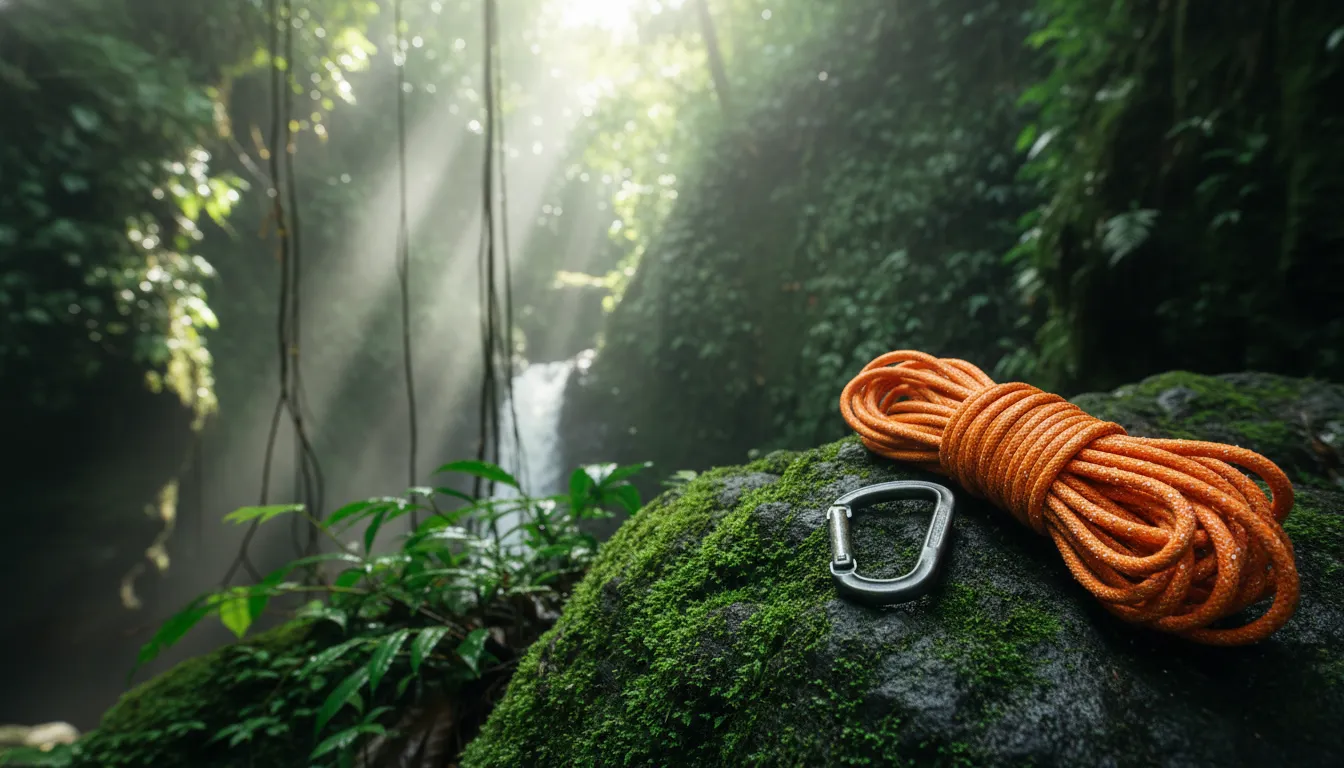
Forget the tourist trap zip lines where you dangle like human cargo above carefully manicured trails. Canyoneering in Jaco means rappelling down actual waterfalls, scrambling through jungle canyons that haven’t been Instagram-filtered into oblivion, and discovering why Costa Rica’s adventure scene attracts adrenaline junkies who’ve grown bored with theme parks. This isn’t a sanitized “adventure experience”—it’s you, some seriously tested rope, and a rainforest canyon that doesn’t care about your Instagram follower count. The good news? Local outfitters know these routes like their own driveways, the gear is professionally maintained, and even beginners leave feeling like they just auditioned for an action movie. Whether you’re staying at Jaco Beach for the surf or the sunsets, adding a canyoning day trip transforms your beach vacation into something your friends will actually want to hear about.
What Makes Jaco’s Canyoneering Scene Different
Jaco’s canyoning adventures unfold in primary rainforest canyons where the jungle hasn’t been trimmed back for tourist comfort. You’re rappelling down waterfalls that only exist because Costa Rica’s Aguacate Mountains catch enough rainfall to keep rivers carving through volcanic rock year-round. The technical term is “vertical adventure,” but that undersells the experience of lowering yourself down a 150-foot cascade while tropical birds question your life choices from the canopy above.
Local tour operators run these excursions through private reserves and protected watersheds, meaning you won’t encounter the cruise ship crowds that plague other Costa Rican adventure spots. Most canyoneering routes near Jaco involve 4-8 rappels ranging from 30 to 200 feet, interspersed with river trekking, natural waterslides, and cliff jumps that are genuinely optional (despite what your competitive cousin might suggest). The terrain varies from beginner-friendly descents with multiple anchor points to technical routes where you’re managing rope friction while water pounds your helmet.
What sets Jaco apart from other canyoning destinations is accessibility without sacrifice. You’re 15 minutes from downtown restaurants and an hour from San José, yet the canyons feel legitimately remote. It’s the adventure tourism equivalent of having your cake and eating it while rappelling down a waterfall. For those planning multiple adventure activities in Jaco, canyoning pairs naturally with morning surf sessions or afternoon ATV tours.
Essential Gear and What Outfitters Provide
Reputable canyoneering outfitters in Jaco provide everything except your sense of adventure and ability to follow instructions. Standard gear packages include helmets with chin straps that actually work, full-body harnesses that distribute weight properly, rappelling devices designed for waterfall descents, and neoprene wetsuits that protect against both cold water and rock scrapes. The ropes are static climbing ropes rated for canyoning (not the dynamic climbing ropes your rock-climbing friend swears by), and guides carry backup equipment that would make a Boy Scout troop jealous.
You’ll also get specialized canyoning shoes with aggressive tread patterns—crucial for maintaining traction on algae-covered rocks. Some operators provide waterproof bags for cameras and phones, though most guides recommend leaving expensive electronics at your accommodation unless they’re genuinely waterproof. The helmet-mounted GoPro crowd is welcome, but know that most outfitters capture professional photos and videos as part of the package.
What you should bring: secure water shoes if you have favorites, reef-safe sunscreen for exposed sections, and a rashguard if you’re particular about wetsuit comfort. Everything else is provided, inspected, and replaced on schedules that would satisfy an anxious parent. The gear rental alone justifies booking with established operators rather than attempting DIY canyoning, which is both illegal in most areas and an excellent way to star in a cautionary tale.
Best Canyoneering Spots Around Jaco
The Savegre River canyon system offers Jaco’s most accessible canyoneering, with routes suitable for first-timers who can follow basic rappelling instructions. The highlight is a 140-foot waterfall rappel that feels exponentially taller when you’re the one on the rope, surrounded by primary rainforest and the sound of howler monkeys providing unsolicited commentary. Multiple rappels range from confidence-building 30-footers to the main event, with natural pools for swimming between descents.
For experienced canyoneers seeking technical challenges, the Bijagual Waterfall route delivers sustained difficulty with a 600-foot total descent through multi-tiered falls. This isn’t a beginner excursion—you’ll manage rope systems in high-water conditions, navigate overhanging sections, and earn every foot of elevation loss. The payoff is canyoning through terrain that most visitors only see in nature documentaries, plus bragging rights that actually impress people who know the difference.
The Naranjo River canyons provide middle-ground options with 6-8 rappels through rainforest that transitions between dense canopy and open canyon sections. You’ll encounter natural waterslides, jump pools (all optional), and enough variety to keep the experience engaging without overwhelming newcomers. These routes see less traffic than the Savegre system, which appeals to visitors who prefer their adventures without audience members. Most outfitters rotate between locations based on rainfall, water levels, and group experience, so trust their route recommendations unless you enjoy debating with people who actually know what they’re talking about.
What to Expect on a Guided Canyoning Tour
Most Jaco canyoneering tours start with hotel pickup between 7-8 AM, followed by a drive into the mountains that gradually transitions from pavement to dirt roads your rental car’s insurance specifically excludes. The pre-descent briefing covers rappelling basics, hand signals for rope management, and safety protocols that seem obvious until you’re actually on the rope. Guides demonstrate techniques using patient instruction and only mild judgment when you inevitably wrap the rope backward on your first attempt.
The actual canyoning involves more hiking than promotional photos suggest. Between rappels, you’ll trek through river canyons, scramble over boulders, and navigate terrain where “trail” is a generous description. Guides set anchors, manage ropes, and provide backup belay systems while maintaining the enthusiasm of people who genuinely love their jobs. They’ll also identify wildlife, explain rainforest ecology, and capture photos of your descent—usually from angles that make you look more competent than you feel.
Most tours include 4-8 rappels over 3-5 hours, with lunch (typically Costa Rican casado) served at a riverside location that justifies all the earlier effort. The final rappel is usually the most spectacular, designed to send you home with a story that doesn’t require embellishment. Return to Jaco typically happens by early afternoon, leaving time for beach activities or a well-deserved nap. If you’re staying at Jaco Beach Zen, the property’s location means you’re 10 minutes from post-adventure showers and 15 minutes from celebrating your survival at downtown restaurants.
Canyoneering for Beginners: Is It Really Doable?
Yes, assuming you meet basic physical requirements: ability to hike uneven terrain for 2-3 hours, follow multi-step instructions without panicking, and trust that guides actually know what they’re doing. You don’t need prior climbing experience—reputable outfitters teach rappelling techniques specifically designed for beginners. The learning curve involves controlling descent speed and maintaining proper body position, which most people master within 2-3 rappels despite initial awkwardness.
Beginner-friendly tours use canyons with forgiving geometry—vertical or slightly overhanging descents where you’re not fighting complicated angles. Guides provide hands-on coaching, backup belay systems offer redundancy, and the group pace accommodates different comfort levels. Your main job is listening to instructions and resisting the urge to prove anything to fellow participants who are equally terrified beneath their bravado.
The psychological challenge exceeds the physical for most beginners. Leaning back over a cliff edge contradicts every survival instinct, and the first major rappel typically involves a brief negotiation with your brain about whose idea this was. Guides recognize the fear, normalize it, and provide just enough encouragement without being patronizing. By the final descent, most beginners are actually enjoying themselves rather than merely surviving—though both count as legitimate adventure outcomes. For those building a week-long Jaco itinerary, canyoning makes an excellent mid-trip activity after you’ve acclimated but before beach relaxation sounds appealing.
Choosing the Right Canyoneering Outfitter
The canyoneering outfitter you choose determines whether this becomes a highlight or a “never again” experience. Look for companies with certified guides (ACCT, AMGA, or Costa Rican equivalents), comprehensive insurance, and equipment replacement schedules they’re willing to discuss. Review platforms offer insights, but focus on comments about guide professionalism and safety protocols rather than entertainment value.
Established operators like Desafio Adventure Company, Psycho Tours, and Pure Trek Canyoning maintain reputations worth protecting. They invest in guide training, equipment maintenance, and permits for legal access to canyoning sites. Their prices reflect these standards—budget operators who undercut market rates usually do so by cutting corners that matter when you’re suspended on a rope above a waterfall.
Ask about group sizes (6-8 participants per guide is reasonable), guide-to-guest ratios (never more than 8:1), and backup safety systems. Reputable outfitters provide clear physical requirement information, honest difficulty assessments, and refund policies for weather cancellations. They’ll also coordinate pickup from your accommodation—whether that’s a Jaco hotel or a beachfront rental like Jaco Beach Zen, which sits close enough to town for convenient tour logistics without sacrificing the “actually on the beach” experience.
Safety Considerations and Physical Requirements
Canyoneering injuries in Costa Rica are rare but instructive—most result from ignoring guide instructions, attempting routes beyond skill level, or booking with operators whose insurance wouldn’t survive scrutiny. Legitimate hazards include rockfall, flash flooding, and rappelling equipment failure, which is why choosing operators with proper safety systems and guide certification matters more than saving $20.
Physical requirements vary by route, but minimum standards typically include: ability to hike 2-3 miles on uneven terrain, upper body strength sufficient for controlled rope descent, and cardiovascular fitness for moderate exertion at altitude. Most outfitters set age minimums (usually 12-14) and maximums (rarely enforced but typically around 65). Weight limits exist for equipment safety—usually around 250 pounds—and aren’t negotiable regardless of your feelings about them.
Medical conditions that should give you pause: uncontrolled heart conditions, recent surgeries, pregnancy, or severe joint problems. The “I’ll be fine” approach works until it doesn’t, usually at the least convenient moment possible. Guides ask health screening questions for reasons beyond liability—they’re the ones managing emergencies in locations where “call 911” isn’t a viable strategy. When planning your Jaco Beach vacation, schedule canyoning for mid-trip when you’ve acclimated to heat and humidity rather than immediately post-arrival.
Frequently Asked Questions About Jaco Canyoneering
How fit do I need to be for canyoneering in Jaco?
Moderate fitness handles beginner routes—think “can hike a few miles without collapsing” rather than “currently training for ultramarathons.” You’ll rappel using technique more than strength, but the approach hikes, river crossings, and boulder scrambling require basic cardiovascular endurance and functional mobility. If you can manage Jaco hiking trails without excessive suffering, you’ll survive canyoning. Advanced routes demand higher fitness levels, which guides assess honestly during pre-trip consultations if you answer their questions truthfully rather than optimistically.
What’s the best time of year for canyoneering near Jaco?
Dry season (December-April) offers the most predictable conditions and lowest cancellation rates, though “dry” is relative in a rainforest. Water levels drop enough to make rappelling less challenging while maintaining enough flow for the full waterfall experience. Green season (May-November) features higher water volumes that create more dramatic descents but increase difficulty and weather-related cancellations. Most outfitters operate year-round with route selection based on current conditions. Book flexible tours if visiting during shoulder seasons when afternoon storms can alter plans.
Can I bring my camera or phone on the canyoning tour?
Most operators provide waterproof bags for phones, but actually using electronics while rappelling is impractical and mildly insulting to guides trying to keep you alive. Helmet-mounted action cameras work if properly secured, though most outfitters include professional photography in tour packages. The cost-benefit analysis favors leaving expensive devices at your accommodation—whether that’s a hotel safe or the secure property at Jaco Beach Zen—and trusting guides to capture the moments that actually matter. Phones in dry bags survive the adventure; phones in “water-resistant” cases provide expensive lessons in manufacturer disclaimer fine print.
Do I need previous climbing experience for canyoneering?
No. Canyoning rappelling uses different techniques than rock climbing, and most outfitters prefer teaching beginners from scratch over correcting habits from other disciplines. Guides teach rope management, body positioning, and descent control specific to waterfall environments. Previous climbing experience helps with comfort around heights and rope systems but isn’t required. What matters more: ability to follow instructions, maintain composure when uncomfortable, and trust equipment that’s held thousands of previous participants without incident. Your guide cares more about your listening skills than your climbing resume.
What should I wear for a canyoneering tour in Jaco?
Outfitters provide wetsuits, but you’ll need a swimsuit underneath plus sports bra for adequate support during active movement. Secure water shoes with closed toes and good tread are essential—the rental options work but bringing your own ensures proper fit. Skip cotton clothing that stays wet and miserable; synthetic materials dry faster and cause less chafing. Bring a dry change of clothes for the return trip, plus a towel that won’t be ruined by rainforest mud. Reef-safe sunscreen protects exposed skin without damaging the watersheds you’re exploring. Leave jewelry, watches, and anything you’d be sad about losing to a Costa Rican river canyon at your accommodation.
Bahía Azul, unit 7C sits right on this stretch of sand — on the quiet south end of Jacó, a few hundred feet from the water.
Book on Airbnb