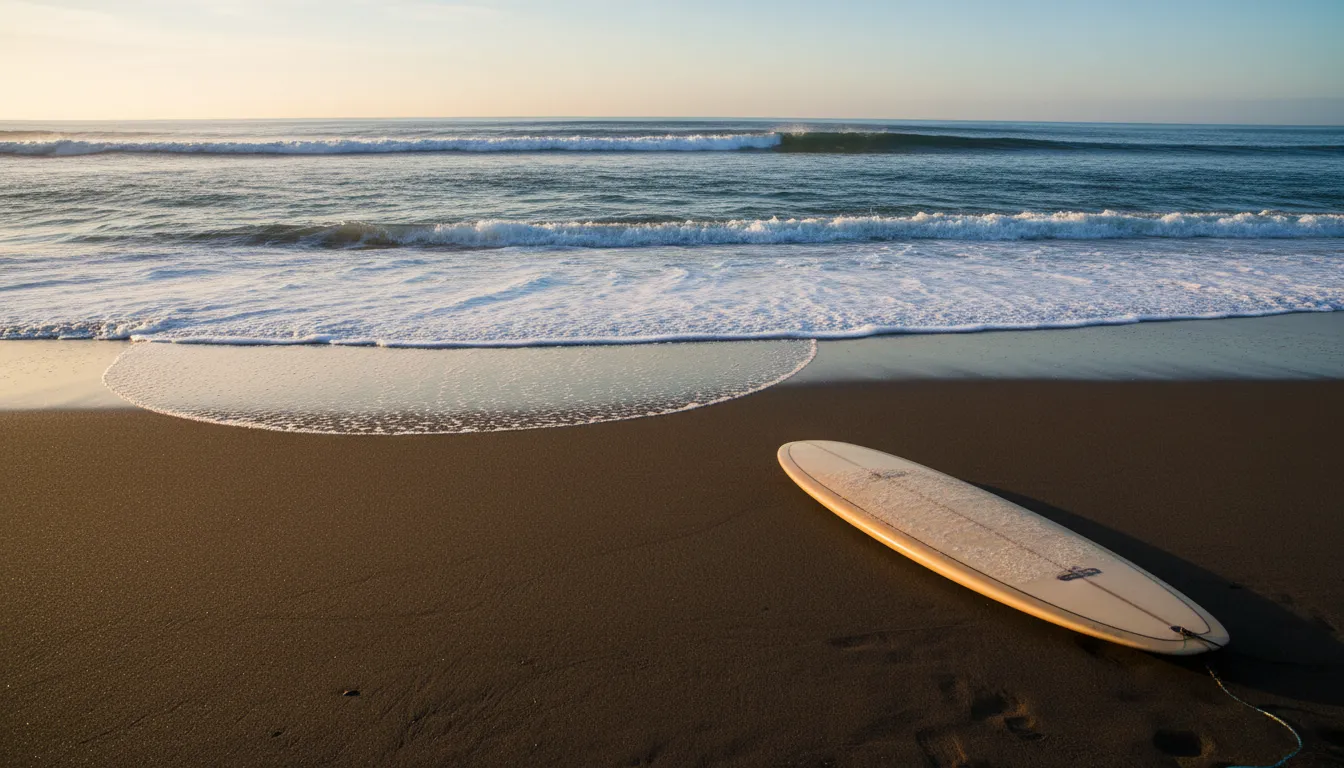
Beyond the Boardwalk: Jaco’s Secret Surf Spots & Local Breaks for Every Rider
Sure, Jaco’s main beach gets all the glory—and rightfully so, with its forgiving sand bottom and consistent peelers perfect for first-timers. But if you think that’s where the story ends, you’re missing out on the real narrative. Beyond the surf schools and rental huts lining the main drag, there’s a whole coastline of breaks that shift personalities with every swell, tide, and rainstorm. From heavy reef barrels that’ll test your mettle to mellow sandbars where intermediates can actually practice their cutbacks without an audience, Jaco’s surrounding waters reward those who dig a little deeper. Whether you’re here for a week-long family vacation or settling in as a remote worker chasing waves between Zoom calls, understanding this lineup will transform your surf experience from tourist checkbox to genuine local immersion. Let’s paddle past the obvious and into the spots where Jaco really shows what it’s made of.
Jaco’s Main Break: More Than Just a Beginner’s Paradise
Yes, Jaco Beach is absolutely one of the best beaches for beginners to learn surfing—the sand bottom forgives wipeouts, and the typically mellow waves (especially at the south end) are perfect for riding whitewater until you’re ready for the unbroken faces. But here’s what the brochures don’t tell you: this break has more range than most give it credit for. Watch how the waves shift personality with the tide and swell direction, and you’ll start noticing pockets where intermediates can find surprisingly dynamic sections.
The river mouths are your secret weapon here. After a solid rain, these drainage points sculpt fresh sandbars that can create faster, more hollow waves than the typical Jaco mushburgers. Just keep your eyes peeled for debris washing out (and yes, occasionally a crocodile sighting near the river mouth—though they’re generally more interested in fish than surfers). The south end near the rocks tends to hold better shape on cleaner swells, while the middle section fattens up nicely at mid-to-high tide for longboarders and those perfecting their noserides.
What makes this break genuinely useful for visiting surfers is the consistency. You can roll out of bed at Jaco Beach Zen—literally a short walk from the sand—and be in the water for dawn patrol without the logistical gymnastics required at more remote breaks. Check it early, and if it’s flat or blown out, you’ve got time to pivot south to bigger waves without wasting half your morning.
Hermosa Beach: Where the Pros Play (and the Locals Rule)
Ten minutes south of Jaco’s tourist-friendly vibe, Playa Hermosa announces itself with a completely different energy. This is a powerful, consistent beach break that has humbled plenty of cocky intermediate surfers who thought they were ready for the big leagues. When Hermosa is firing, it’s not unusual to see waves doubling up on the sandbars and delivering the kind of punch that makes you respect the ocean all over again.
The serious local talent congregates here, often tucked into less obvious sections like “Bowls” or the famed “Organpipe” near the river mouth. These aren’t marked on any map—you find them by watching where the best surfers paddle out and then waiting your turn respectfully. Hermosa demands wave selection skills; not every set is rideable, and the currents can be legitimately intense, especially during larger swells or outgoing tides.
Here’s the thing about surfing Hermosa: don’t just paddle out at the first peak you see. Spend fifteen minutes on the beach watching the rhythm, noting where the locals position themselves, and identifying the rip currents that can actually help you get outside without burning your arms off. The lineup has an established pecking order, and while visitors are welcome, dropping in on a local’s wave is a guaranteed way to get the stink-eye (or worse). When in doubt, smile, stay humble, and wait for waves that nobody else wants—you’ll still get plenty of rides, and you’ll earn respect in the process.
Roca Loca: The ‘Crazy Rock’ that Delivers Epic Barrels (for Experts Only)
Let’s be crystal clear: Roca Loca isn’t for everyone. This solid reef break requires significant swell, advanced skills, and a healthy respect for what sharp rocks can do to both your board and your body. When conditions align—usually during solid south or southwest swells—this spot produces heavy, hollow barrels breaking over a jagged rock formation that’s visible (and intimidating) at low tide.
This is strictly expert territory. We’re talking surfers who are comfortable navigating big waves, reading reef breaks, and accepting that the nearest hospital isn’t exactly around the corner. Most serious surfers access Roca Loca via boat, which not only makes the paddle-out easier but also provides the option for a quick exit if things get sketchy. Local surf guides know the spot intimately and can position you correctly—going it alone your first time is, well, loco.
The silver lining? Roca Loca serves as an excellent swell indicator for the entire region. If you hear locals buzzing about Roca Loca firing, you know Hermosa is likely huge and even Jaco’s main break will have some serious push. It’s the kind of spot that reminds you why Costa Rica’s Pacific coast has earned its reputation among the world’s serious surfers—powerful, raw, and unforgiving in the best possible way.
Beyond the Crowds: Hidden Gems and Lesser-Known Breaks
The best waves in Jaco aren’t always found by Googling “top surf spots”—they’re discovered by keeping your ear to the ground and building relationships at local surf shops. These connections will tip you off to breaks that light up on specific swell directions or tide windows that most tourists never witness.
Esterillos Oeste, just south of Hermosa, offers a more spread-out beach break marked by its famous mermaid statue. On bigger days when Hermosa feels like too much commitment, Esterillos can provide a slightly mellower alternative for solid intermediates who want power without the full Hermosa intensity. The peaks are more dispersed, meaning less crowd competition and more opportunities to practice your repertoire.
There are also smaller, unnamed breaks scattered north and south of Jaco that, with the right combination of tide, swell, and wind, can offer genuinely uncrowded sessions. We’re talking sandbars that appear after storms, reef shelves that need precise conditions, and beachbreaks that only work on pushing tides. But here’s the deal: we’re not dropping GPS coordinates because part of the magic is the discovery. Ask around at Jaco Beach Zen—our staff keeps tabs on daily conditions and can offer personalized recommendations based on your skill level and what mother nature is serving up that day.
Timing is Everything: Decoding Jaco’s Tides, Swells, and Seasons
Surf forecasting in Jaco isn’t quite the exact science it is in, say, Southern California or Australia. A certain “Pura Vida” approach to swell chasing is often your best strategy—be flexible, check multiple spots, and don’t get too attached to predictions made 72 hours out. That said, understanding the basic tide mechanics is absolutely crucial if you want to maximize your water time.
Jaco’s main break generally fattens up at mid-to-high tide, creating longer, more forgiving rides perfect for progression. Meanwhile, spots like Hermosa can handle lower tides thanks to deeper sandbars, though the waves get noticeably more powerful and hollow as the tide drops. Many experienced surfers target the incoming tide at Hermosa, catching it as the sandbars start holding shape but before the crowds fully materialize.
As for seasonality, Jaco’s open exposure to Pacific swells means you’ll find rideable waves year-round—a massive advantage over many surf destinations that go flat for months. However, the green season (May through November) typically brings larger, more powerful waves courtesy of southern hemisphere storm systems. These months can serve up the best surf of the year, though afternoon rainstorms and variable winds mean your optimal window is usually early morning. December through April brings smaller, cleaner conditions ideal for learning and progression, plus offshore winds that groom the faces into pristine corduroy.
Gearing Up: Rentals, Lessons & Local Surf Schools
Jaco is absolutely bursting with surf schools, which creates healthy competition and keeps prices reasonable. You’ll find everything from one-on-one intensive coaching to [family group sessions](https://jacobeachzen.com/Family-Friendly Activities/family-surf-lessons-in-jaco) where everyone gets personal attention. Don’t just grab the first deal you see—ask around, read recent reviews, and look for instructors who match your learning style and goals.
Board rentals are equally ubiquitous, with shops offering everything from beginner-friendly foam boards to high-performance shortboards shaped by local craftsmen. Here’s a pro tip: don’t be afraid to experiment with different shapes and sizes. Jaco’s waves are forgiving enough to let you test out that fish or mid-length you’ve been curious about without the consequences being too severe. Most rental places are cool with swapping boards if something isn’t working.
The absolute best part about surfing Jaco? Water temperatures hover around 28°C (82-83°F) year-round. You can leave the wetsuit at home entirely and focus purely on wave-riding without the hassle of neoprene. Just remember to absolutely coat yourself in reef-safe sunscreen—the equatorial sun is no joke, and a nasty burn will end your surf trip faster than any wipeout. Reapply religiously, especially after duck-diving or extended sessions.
Frequently Asked Questions
Where can a beginner take surf lessons in Jaco that aren’t just for tourists?
Look for smaller schools run by local surfers rather than the massive operations with matching rash guards. Ask your accommodations for recommendations—we keep relationships with instructors who focus on actually teaching rather than just pushing people into whitewater for Instagram photos. Schools like Tortuga Surf School and Del Mar Surf Camp have solid reputations for genuine instruction. The best indicator? If the instructor checks the conditions before committing to a spot and adjusts the lesson plan accordingly, you’ve found someone who cares about your progression, not just processing bookings.
What’s the best time of day to surf Jaco Beach without the crowds?
Dawn patrol is your friend—seriously, get out there by 6:30 AM and you’ll have significantly fewer people in the water, plus often glassier conditions before the onshore wind picks up. The afternoon shift after 4 PM can also thin out, though wind is more variable then. Weekdays are noticeably less crowded than weekends when Ticos from San Jose flood the beaches. If you’re staying close to the break (ahem, like at Jaco Beach Zen), you can actually watch conditions from your accommodation and time it perfectly rather than committing to a specific schedule.
Are there any surf spots near Jaco that are good for experienced surfers but not as heavy as Hermosa?
Absolutely. Esterillos Oeste offers a middle ground—more powerful than Jaco’s main break but without Hermosa’s full intensity. Also, don’t sleep on the north end of Jaco Beach near the rocks, which can produce surprisingly punchy waves on bigger swells with way fewer people. The key is learning to read how different sections respond to swell direction and tide. A south swell hitting at mid-tide might make one end of Jaco fire while the other section looks completely different. Developing this pattern recognition is what separates tourists from locals.
How do I know what kind of surfboard to rent for Jaco’s waves?
If you’re learning or rusty, go bigger and thicker than you think—a 7’6” funboard or 8’ minimal will catch more waves and build your confidence faster than struggling on an undersized board. Solid intermediates usually thrive on something in the 6’6” to 7’2” range depending on the day’s conditions. For smaller, cleaner days, you can size down; for chunkier beachbreak, extra volume helps. Most rental shops will honestly assess your skill level and the current conditions if you ask directly. Don’t let ego dictate your board choice—volume is your friend in Jaco’s beach break waves.
What are the local customs or etiquette to know when surfing in Jaco?
Standard surf etiquette applies but with extra emphasis on respecting locals, especially at Hermosa. Don’t snake waves, don’t drop in, and if you accidentally do either, apologize immediately. At crowded spots, wait your turn rather than aggressively paddling for everything—you’ll earn more waves through respect than aggression. If you’re obviously visiting, a friendly “pura vida” and genuine humility goes far. Also, respect the environment: don’t litter, use reef-safe sunscreen, and if you see trash on the beach, grab it. Locals notice who treats their home well.
Is it safe for families to surf at Jaco Beach, and what should we look out for?
Jaco’s main break is genuinely family-friendly, especially the south end with its softer waves and sandy bottom. The biggest concerns are rip currents (teach kids to paddle parallel to shore if caught in one) and staying hydrated in the tropical heat. Avoid surfing near the river mouths after heavy rain due to debris and occasional croc sightings. Start younger kids in waist-deep water with foam boards during incoming tide when waves push toward shore rather than pulling out. Quality surf schools will position families in the safest zones and keep proper ratios—never more than three students per instructor for kids.
Bahía Azul, unit 7C sits right on this stretch of sand — on the quiet south end of Jacó, a few hundred feet from the water.
Book on Airbnb