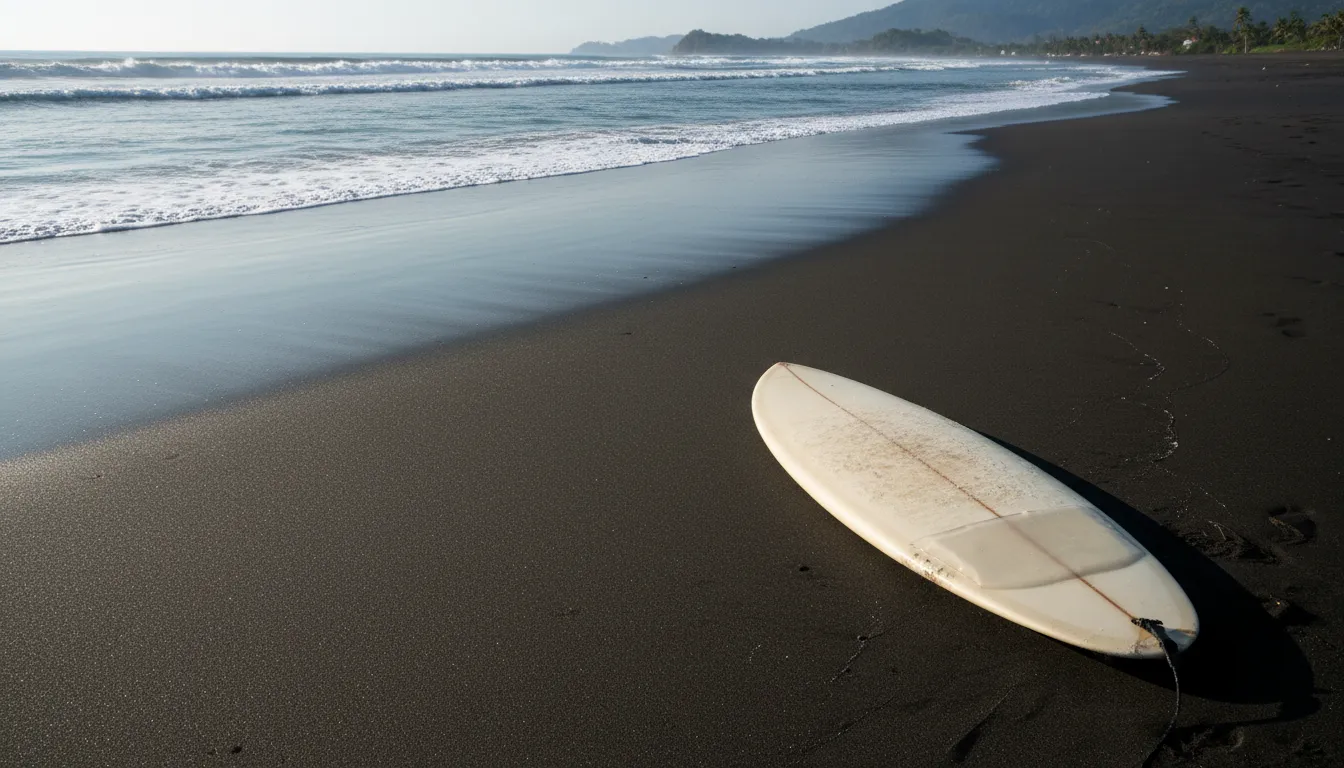
Ride the Green Wave: Your Guide to Sustainable Surfing in Jaco, Costa Rica
Jaco’s surf breaks have been delivering stoke for decades, but here’s the truth: the waves we ride today won’t stick around if we treat the ocean like a disposable playground. Lucky for us, Jaco’s surf community has been waking up to this reality, and sustainable surfing isn’t just some eco-tourist buzzword anymore—it’s becoming part of our local DNA. Whether you’re a grom learning to pop up for the first time or a seasoned digital nomad chasing endless summer between Zoom calls, there’s a way to catch waves without leaving a trail of plastic and petroleum in your wake. This guide will show you how to surf responsibly in Jaco, from choosing the right lessons and gear to joining beach cleanups that actually make a difference. Because let’s be honest: nothing kills your surf buzz faster than paddling through a floating garbage patch.
Why ‘Green’ Surfing Isn’t Just a Trend in Jaco (It’s Our Vibe)
Jaco’s explosive growth over the past two decades taught us a hard lesson: you can’t just take from the ocean without giving back. We watched our beaches accumulate more plastic than seashells, saw the toll that unchecked development took on our coastline, and realized that protecting our surf spots isn’t some optional feel-good activity—it’s absolutely essential if we want to keep the stoke alive for future generations. Think of it as karmic currency: the ocean gives us perfect barrels, mellow longboard rides, and that unbeatable post-surf glow. The least we can do is show some respect in return.
This isn’t about turning every surf session into a guilt trip or transforming Jaco into some pristine eco-resort where fun goes to die. It’s about recognizing that we’re not just users of these waves—we’re temporary guardians of something bigger than our next Instagram shot. The sand between your toes, the salt in your hair, that perfect right-hander breaking just past the rocks—all of it depends on maintaining a healthy marine ecosystem. When local surf schools incorporate environmental education into their lessons, when rental shops choose repair over replacement, when we all grab that stray plastic bottle on our way off the beach, we’re investing in the very thing that brought us here. Sustainable surfing in Jaco isn’t a trend that’ll fade like neon boardshorts from the ’90s. It’s our new baseline, our way of ensuring that the waves we’re riding today will still be here tomorrow.
Paddling Out Responsibly: Eco-Friendly Surf Lessons & Camps in Jaco
Finding a surf school in Jaco that actually walks the eco-talk requires a bit more effort than just booking the cheapest option on Google. Start by looking for local operations—especially those along the main stretch near the municipality—that actively participate in beach cleanups and weave ocean conservation into their teaching curriculum. These are usually the outfits with sun-bleached vans covered in stickers, instructors whose skin has seen more UV than a satellite, and genuine smiles that come from truly loving what they do. They’re not just teaching you to pop up; they’re passing down a relationship with the ocean that goes deeper than technique.
Some progressive schools have started incorporating mini-cleanups directly into their surf lessons, turning what could be a depressing trash grab into a powerful teaching moment. Your kids (or your inner grom) will learn that shredding waves and respecting the environment aren’t separate activities—they’re two sides of the same surf-stoked coin. After spending an hour picking up bottle caps and fishing line, students develop a visceral understanding of why that plastic water bottle matters. It’s environmental education that sticks because it’s tied to something they’re passionate about, not some abstract lecture about ocean acidification.
When researching camps, dig deeper than the Instagram feed. Ask about local employment practices and community engagement. Does the school hire local instructors, or are they importing seasonal workers who disappear after tourist season? Do they source equipment from Jaco-based shapers and shops, or is everything shipped in from overseas? Schools that prioritize local hiring and purchasing aren’t just better for the community’s economic health—they’re typically more invested in long-term environmental stewardship because they actually live here year-round. Your surf dollars can do double duty: teaching you to carve a bottom turn while supporting sustainable local employment. That’s the kind of win-win that makes pura vida more than just a slogan printed on tank tops.
Gear Up Green: Sustainable Surfboard Rentals & Shops in Jaco
The rental shops lining Avenida Pastor Diaz are slowly shifting away from the disposable mentality that plagued surf culture for years. More shops now emphasize repair over replacement, offering professional ding repair services that extend the life of boards and keep perfectly usable equipment out of landfills. When you’re browsing rental options, ask if they have repair capabilities—it’s a reliable indicator that the shop values sustainability over quick turnover. A well-maintained fleet of boards with visible repair jobs actually signals quality craftsmanship and environmental consciousness, not shabby equipment.
The quest for fully sustainable surfboards in Costa Rica is still evolving. While completely recycled foam boards remain relatively rare in Jaco’s rental inventory, you can support progress by choosing shops that work with local shapers and source materials responsibly whenever possible. Local shapers often produce lower-carbon boards simply because they’re not shipping blanks and finished products halfway around the world. Plus, supporting local craftspeople keeps traditional shaping knowledge alive and circulating within the community. Ask rental shops about their sourcing practices—the ones who can actually tell you where their boards come from are usually making better environmental choices.
Here’s an easy sustainability win that makes an immediate impact: ditch petroleum-based surf wax for biodegradable alternatives. Many local surf shops, including those clustered just past the convenience stores as you head north from the main beach, now stock eco-friendly brands like Matunas or Sticky Bumps. These waxes use natural ingredients that break down in seawater instead of leaving toxic residue on our sandy-bottom breaks. Even though Jaco doesn’t have fragile coral reefs like other Costa Rican surf zones, that petroleum residue still harms fish, invertebrates, and the entire marine food web. Making the switch takes zero extra effort—you’re waxing your board anyway—but the cumulative effect of hundreds of surfers choosing biodegradable wax actually moves the needle on water quality. From Jaco Beach Zen’s central location, you’re just a short walk to shops stocking these earth-friendly alternatives, so there’s literally no excuse for coating your board in ocean-killing chemicals.
Beyond the Board: Protecting Jaco’s Marine Life While You Ride
Let’s talk sunscreen, because this is where good intentions often go sideways. Reef-safe sunscreen isn’t just necessary for coral ecosystems in places like the Caribbean—it’s vital for all marine environments, including Jaco’s sandy-bottom breaks. Chemicals like oxybenzone and octinoxate don’t magically become harmless just because there’s no coral around. They accumulate in fish tissue, disrupt hormones in marine invertebrates, and generally wreak havoc on ocean chemistry. Switch to mineral-based sunscreens using zinc oxide or titanium dioxide as active ingredients. Yes, they’ll leave you looking slightly ghostly until you rub them in properly, but that’s a small price for not poisoning the fish swimming beneath your board. Your skin gets better protection anyway—mineral sunscreens provide broader UV spectrum coverage than chemical alternatives.
Mindful waste disposal sounds obvious, but you’d be shocked how many people treat the beach like their personal dumping ground. Those trash cans positioned along Jaco beach aren’t decorative—they’re strategic disposal points designed to keep plastic out of the ocean. Pack out everything you pack in, and channel your inner beach hero by grabbing any stray bottles or wrappers you encounter. One piece of plastic removed is one fewer item getting shredded into microplastics that contaminate the entire food chain. This isn’t about being preachy or judgmental; it’s about collective responsibility. We all share this beach, and maintaining it requires everyone to contribute, even if it’s just tossing one extra bottle into the bin on your way back to rinse off.
While you’re sitting in the lineup waiting for your next set, you’ll likely spot pelicans executing spectacular dive-bomb fishing runs or iguanas basking on the rocks like prehistoric sentinels. Keep a respectful distance and resist any urge to interact. This isn’t a petting zoo—it’s their home, and they’re going about their daily business of survival. Disturbing wildlife, even with good intentions, creates stress that affects feeding patterns, breeding success, and overall health. That perfect surf shot isn’t worth traumatizing a nesting sea turtle or disrupting a pelican’s fishing efficiency. Appreciate these creatures from a distance, and remember that your presence in their environment is the privilege that needs managing, not the other way around.
Jaco’s Wave of Change: Community Efforts & Beach Clean-ups for Surfers
Jaco’s surf community might surprise you with its unified dedication to environmental conservation. From grassroots cleanups organized by local surf schools to larger environmental festivals that draw participants from across the Central Pacific, there’s almost always some beach stewardship event happening if you know where to look. Check community bulletin boards, ask at local cafes, or swing by the front desk at Jaco Beach Zen—we keep tabs on upcoming cleanups because so many of our guests want to participate. These events typically happen early morning before the crowds arrive, which means you can contribute to ocean health and still catch prime surf conditions afterward. Talk about maximizing your pura vida.
These cleanup events serve a purpose beyond just removing trash. They’re prime opportunities to connect with passionate locals who’ve chosen to build their lives around protecting Jaco’s natural resources, plus like-minded travelers who understand that responsible tourism means leaving places better than you found them. You’ll swap stories with everyone from longtime expat surfers to visiting families teaching their kids about environmental stewardship. There’s something genuinely powerful about working alongside strangers toward a common goal, especially when that goal directly benefits the waves you’ll be riding later that afternoon. This is pura vida in action—not the sanitized tourism-board version, but the authentic community spirit that makes Jaco special beyond its surf breaks.
Many of the cafes and restaurants where surfers refuel after sessions actively support these environmental initiatives, either through direct sponsorship, providing refreshments for volunteers, or simply promoting events to their clientele. When you choose to patronize these businesses—the smoothie bar that sponsors monthly cleanups, the taco joint that uses compostable packaging, the coffee shop that organizes reforestation fundraisers—you’re voting with your wallet. Your patronage sends a clear message that responsible business practices matter, encouraging other establishments to follow suit. This creates a positive feedback loop where environmental consciousness becomes good business strategy, not just a niche marketing angle. That’s how real cultural change happens: not through top-down mandates, but through collective community choices that reshape local norms.
Surf’s Up, Tech’s Out (Literally): Digital Nomads and Sustainable Surfing
For digital nomads balancing remote work with surf sessions, sustainability requires thinking beyond just your time in the water. Consider planning your surf sessions around less crowded breaks or off-peak times to distribute environmental impact more evenly. When everyone hits the same popular breaks during prime conditions, the concentrated traffic affects local ecosystems more severely than if that same number of surfers spread out across different spots and times. This doesn’t mean avoiding Jaco’s main breaks entirely—just being strategic about when you paddle out. That flexibility is one of the digital nomad lifestyle’s biggest advantages, so use it to reduce your footprint while still scoring quality waves.
Carbon footprint offsetting might sound like corporate greenwashing, but individual contributions actually make measurable impacts when done properly. Many airlines now offer offset programs during booking, or you can support local reforestation efforts right here in Costa Rica through organizations working in the Central Pacific region. While you’re tapping away at your laptop between surf sessions, research which programs actually plant trees versus just shuffling credits around on paper. Direct support for local reforestation projects means your offset dollars stay in the community you’re enjoying, creating jobs and restoring habitat while sequestering the carbon from your flights. It’s not a perfect solution—the best carbon is the carbon you don’t emit—but it’s better than doing nothing.
Optimize your energy consumption while working remotely. Simple habits like unplugging phone chargers when not in use, closing laptop lids instead of leaving them running, and taking advantage of natural light instead of desk lamps might seem insignificant individually, but collective effort creates meaningful change. Plus, being mindful of energy use means more battery life for checking surf forecasts and more juice in the grid for actual essential services. Jaco Beach Zen maintains energy-efficient facilities and encourages responsible energy practices among remote-working guests, because sustainability isn’t just about what happens on the beach—it’s about recognizing that every choice, from your morning coffee to your afternoon work setup, affects the environment you came here to enjoy.
Frequently Asked Questions
Are there specific surf schools in Jaco known for their eco-friendly practices?
Several Jaco surf schools actively incorporate environmental education and beach stewardship into their programs, though specific names and practices evolve as the local scene develops. When researching schools, look for those advertising beach cleanup integration, local instructor employment, and ocean conservation curriculum. Ask directly about their environmental policies during your inquiry—legitimate eco-conscious schools will enthusiastically detail their practices rather than offering vague reassurances. Schools that participate in community cleanup events and maintain visible involvement in local environmental initiatives typically demonstrate the most authentic commitment to sustainable surfing education.
Where can I find biodegradable surf wax or reef-safe sunscreen in Jaco?
Most established surf shops along Avenida Pastor Diaz and the northern beach area stock biodegradable wax brands like Matunas, Sticky Bumps’ eco-line, or other plant-based alternatives. For reef-safe sunscreen, check both surf shops and local pharmacies—many now carry mineral-based options using zinc oxide or titanium dioxide. Brands like Raw Elements, Badger, and Blue Lizard are commonly available. If you’re staying at Jaco Beach Zen, the shops carrying these products are within easy walking distance, so you can stock up on eco-friendly essentials without needing transportation. Prices run slightly higher than conventional products, but the environmental protection justifies the modest premium.
How can I participate in a beach cleanup while visiting Jaco?
Beach cleanups happen regularly in Jaco, typically organized by local surf schools, environmental groups, or community organizations. Check bulletin boards at cafes and surf shops, ask at your accommodation’s front desk, or search local Facebook groups for upcoming events. Many cleanups occur early morning on weekends to catch the post-weekend trash accumulation before crowds arrive. If you can’t find an organized event during your visit, independent cleanup is always valuable—just grab a reusable bag and collect debris during your beach walks. Dispose of collected trash in designated bins or ask local businesses about proper disposal for larger hauls. Every piece removed counts.
Do any of Jaco’s surfboard rental shops offer sustainable board options?
While fully recycled or eco-foam surfboards remain relatively rare in Jaco’s rental inventory, the situation is improving as sustainable manufacturing becomes more accessible. Your best bet for supporting sustainability through board rentals is choosing shops that emphasize repair over replacement, work with local shapers, and can articulate their sourcing practices. Ask specifically about where their boards come from and whether they offer ding repair services. Shops investing in proper repairs demonstrate commitment to extending equipment life and reducing waste. Supporting these businesses encourages the broader shift toward sustainability even if the boards themselves aren’t yet made from fully recycled materials.
What are the most common marine life concerns for surfers in Jaco, and how can I help?
Jaco’s primary marine life concerns involve habitat degradation from pollution, particularly plastics and chemical runoff from sunscreens and other beach products. While Jaco lacks the fragile coral ecosystems found elsewhere in Costa Rica, its sandy-bottom breaks still support diverse fish populations, sea turtles, and invertebrates vulnerable to chemical contamination. Help by using reef-safe sunscreen, properly disposing of all waste, avoiding single-use plastics, and choosing biodegradable surf products. Respect wildlife by maintaining distance from sea turtles, pelicans, and other creatures you encounter. Participate in beach cleanups when possible, and support businesses demonstrating environmental consciousness through their operations and community involvement.
Is it true that chemicals from sunscreen can harm Jaco’s sandy-bottom beaches?
Absolutely true. While oxybenzone and octinoxate receive most attention for coral reef damage, these chemicals and others found in conventional sunscreens harm all marine ecosystems, not just coral. They accumulate in fish tissue, disrupt reproductive systems in various marine species, and contribute to broader ocean chemistry problems affecting everything from plankton to apex predators. Jaco’s sandy-bottom breaks might lack visible coral, but they support complex ecosystems vulnerable to chemical pollution. Mineral-based sunscreens using zinc oxide or titanium dioxide provide effective UV protection without releasing harmful chemicals into the water. Making this simple switch significantly reduces your personal impact on Jaco’s marine environment while actually providing better sun protection for your skin.
Bahía Azul, unit 7C sits right on this stretch of sand — on the quiet south end of Jacó, a few hundred feet from the water.
Book on Airbnb