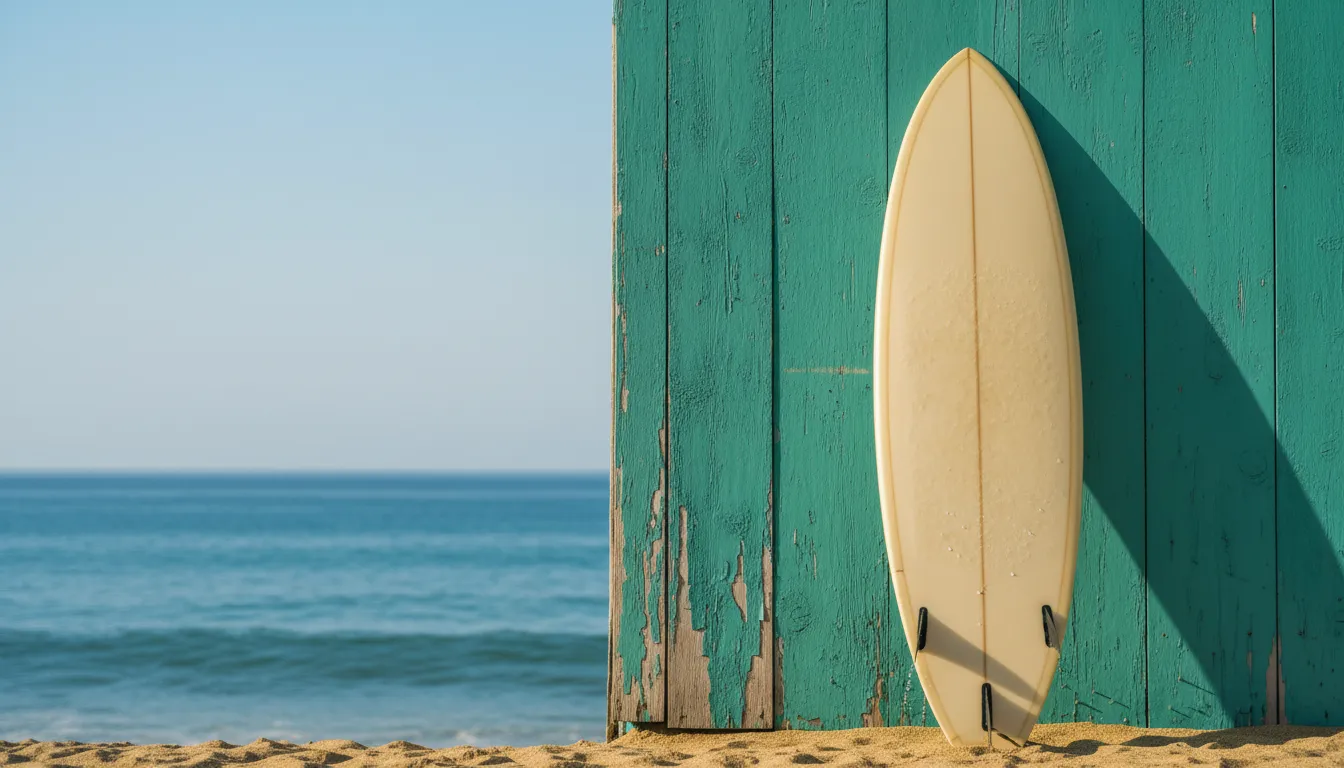
Jaco Surfboard Rentals: Your Witty & Wave-Ready Guide to Getting on Board
Forget dragging your precious stick halfway across the planet—Jaco’s got you covered with more surfboard rental options than beachfront bars (and trust me, that’s saying something). Whether you’re a first-timer who can barely tell a leash from a fin or a seasoned ripper looking for that perfect quiver addition, renting locally is the move. You’ll skip baggage fees, avoid ding-inducing airline horror stories, and get immediate access to boards that actually suit Jaco’s waves. From mellow foam beginners to high-performance shortboards for the dawn patrol crew, everything’s here. This guide breaks down the real talk on prices, the best shops, what boards to grab for your skill level, and those insider tricks that separate tourists from locals who actually know what they’re doing.
Why Haul When You Can Rent Like a Local Legend?
Let’s be honest: airlines treat surfboards about as gently as a washing machine treats your favorite shirt. Between the oversized baggage fees (often $150+ each way), the white-knuckle anxiety every time you approach the carousel, and the inevitable pressure dings that mysteriously appear mid-flight, hauling your own board is more headache than it’s worth for most trips. Jaco’s rental scene makes this whole debate laughably easy—you’ve got more board shops than you can shake a wax comb at, all stocked with everything from beginner-friendly foam logs to sleek performance shortboards that’ll make you look better than you actually are.
The beauty of renting locally goes beyond avoiding baggage drama. You get to experiment with different shapes and sizes without committing to a purchase, which is clutch when you’re still figuring out your style or the local breaks. Want to try a fish one day and a thruster the next? Go for it. Feeling ambitious and want to tackle a step-up for the bigger swells north of town? Your rental shop’s got you. Plus, most places throw in the essentials—leash, wax, maybe even a few pointers on where the waves are firing that day. It’s the ultimate try-before-you-buy setup, wrapped in that Pura Vida convenience we all come here for.
The Lowdown on Jaco Surfboard Rental Prices: No Hidden Sand Traps Here
Here’s the money talk, because nobody likes surprise costs when they’re on vacation. Standard daily rentals in Jaco typically run $10-$20 USD for a basic board, which gets you something decent to paddle around on for a few hours. But here’s where the savvy travelers separate from the pack: multi-day packages are where the real value lives. Most shops structure their pricing like this—$25 for one day, $55 for three days, $80 for five days, sometimes stretching to $120-$150 for a full week. Do the math and you’ll see that daily rate plummeting faster than a poorly executed bottom turn.
The sweet spot? Commit to at least three days if you’re serious about surfing. You’ll save enough to fund a couple of post-session Imperial beers and still come out ahead. Many shops include the leash and a fresh bar of wax in the rental price, though it never hurts to confirm what’s actually included before you sign anything. Speaking of signing things—expect to leave either a security deposit (usually $50-$100) or your passport as collateral. Yeah, handing over your passport feels weird, but it’s completely standard practice here and shops treat it like gold.
Pro move: before you paddle out on day one, inspect that board like you’re buying it. Note every existing ding, scratch, or pressure dent, ideally with photos. Most shops are honest and chill, but documenting pre-existing damage saves those awkward conversations when you return the board. If something looks questionable, point it out to the shop staff right then and get it acknowledged. A two-minute inspection saves potential headaches and protects your deposit.
Your Quiver Awaits: Finding the Right Board for Your Jaco Adventure
Choosing the right board matters more than most beginners realize, and luckily Jaco’s rental inventory covers the full spectrum. First-timers and anyone still mastering the pop-up should absolutely grab an 8-9 foot foam board or a stable epoxy like the ubiquitous NSP models. These things are basically ocean training wheels—thick, buoyant, forgiving when you inevitably wipe out face-first. They’re also soft enough that when you bonk yourself or another surfer (it happens), nobody’s going to the clinic. The waves right in front of downtown Jaco and spots like Jaco Beach Zen are perfect beginner territory, gentle and consistent enough to practice without getting completely worked.
Intermediate and advanced riders shouldn’t worry about getting stuck on glorified pool floaties. Quality surf shops stock legitimate performance brands—Channel Islands, Lost, JS, Firewire—with proper shortboards, fish, and even some fun-shape hybrids. If you’re competent enough to actually use a 6’2” thruster, you’ll find one. The key is communicating your actual skill level honestly (the shop staff can usually tell anyway) and where you’re planning to surf. The mellow beach breaks in town call for different equipment than the punchier reef breaks north toward Playa Hermosa or south toward Esterillos.
Think about your goals too. Here for a week and want to improve? Consider renting the same board type throughout so you’re not constantly adjusting to new dimensions. Planning to explore different breaks up and down the coast? Maybe rent a versatile all-rounder for most days and splurge on a specialized board for that one session at a heavier spot. Most shop owners are surfers themselves and genuinely want to set you up for success, so don’t hesitate to ask for recommendations based on the current swell and your ability.
Jaco’s Best Surf Shops: Where to Snag Your Ride (and Maybe a T-Shirt)
Jaco’s downtown strip makes board shopping almost comically convenient—you’ll pass rental shops practically every block between the main road and the beach. This density means competition keeps prices reasonable and service quality generally high, because shops that treat customers poorly don’t last long when there’s another option 50 meters away. Most places are walk-in friendly, though calling ahead during peak season (December-April) isn’t a bad idea if you want something specific.
Local institutions like Carton’s have earned their reputation for good reason. Beyond standard rentals, they maintain a solid selection of used boards for sale, which becomes relevant if you’re planning an extended stay. Sometimes buying a pre-loved stick and reselling it before you leave actually costs less than a month-long rental, plus you get the psychic satisfaction of riding your own board. Other shops worth checking include those clustered near the central beach access points—they’re positioned for maximum convenience and usually have knowledgeable staff who can read the conditions and point you toward the right equipment.
Here’s a genuinely clutch service many visitors don’t know about: board delivery. Several shops will drop your rental directly at your accommodation, sometimes for free, sometimes for a small fee ($5-$10). Imagine waking up at Jaco Beach Zen, walking downstairs, and finding your perfect setup already waiting instead of schlepping downtown before coffee. For early birds chasing that glassy dawn patrol or families coordinating multiple boards and kids, delivery is an absolute game-changer. Just arrange it the day before and confirm the drop-off time.
Beyond the Board: Wetsuits, Rashguards & What Else You Might Need
Good news for anyone dreading the wetsuit squeeze: Jaco’s water stays bath-warm year-round, typically 78-84°F depending on season and currents. Full wetsuits are complete overkill and you’ll cook like a rotisserie chicken if you try. What you actually need is a rashguard—a tight-fitting shirt that prevents both sunburn and the delightful condition known as “surf rash” (friction burns from your chest rubbing the waxed deck). Most shops sell cheap rashguards for $15-$25, or you can rent wetsuit tops for a few bucks if you want a bit more coverage on cooler mornings or just prefer the feel.
Some sessions run longer than expected when the waves are firing, and even in Costa Rica’s tropical paradise, too much sun exposure will wreck your vacation faster than a bad case of food poisoning. Beyond your rashguard, invest in reef-safe sunscreen—the kind that won’t murder coral reefs and marine life. Brands like Stream2Sea or Raw Elements are solid choices, readily available in Jaco shops. Zinc-based formulas work great for faces and any spots that burn easily.
A few other items worth considering: a wide-brimmed hat for between sessions, because squinting through six hours of tropical sun gets old quick. Maybe some surf booties if you’re planning to explore rockier breaks or reef spots where urchins hang out. And definitely bring a water bottle—staying hydrated in the heat isn’t optional, it’s survival. Most rental shops have these extras available if you forgot something, though bringing your own sun protection and staying hydrated should be baseline.
Long-Term Love or Short Fling? Weekly & Monthly Rental Perks
Planning to post up in Jaco for a while—maybe working remotely from that ocean-view perch at Jaco Beach Zen, laptop sessions punctuated by actual surf sessions? Weekly and monthly rental rates become ridiculously attractive compared to daily pricing. A month-long rental might run you $200-$300 depending on board quality, which breaks down to roughly $7-$10 per day. Suddenly you’re surfing for less than a decent breakfast, and you’ve got consistent equipment to actually track your progression.
Longer rentals give you freedom to experiment without financial stress. Spend a week on a longboard getting your noseriding dialed, then switch to a fish to work on speed and flow, maybe finish with a performance shortboard to practice those snaps you’ve been visualizing. You become a student of the local breaks, learning which spots work on different tides and swells, developing that intimate wave knowledge that separates visitors from people who actually understand the place.
That said, if you’re genuinely staying for months, the economics shift toward purchasing. Shops like Carton’s often have used boards in the $200-$400 range that you can ride extensively and resell before leaving, potentially for close to what you paid. Run the numbers: a three-month rental might cost $600-$800, while buying and reselling could cost $50-$100 in depreciation. The math favors ownership for extended stays, plus you get the satisfaction of riding your own stick. Just make sure you’ve got space to store it safely and won’t stress about minor dings.
Jaco Beach Zen Insider Tip: Board Care for a Happy Ride
Treating your rental board right isn’t just good karma—it’s practical insurance against deposit deductions and keeps the equipment functioning properly. Job one after every session: rinse that board thoroughly with fresh water. Salt and sand are abrasive demons that degrade materials over time, and nobody wants to ride a crusty, grimy board. Most accommodations have outdoor showers; use them. Takes two minutes and makes a genuine difference in how the board performs and how the shop receives it back.
Never, ever leave your board deck-up in direct sun unless you enjoy melted wax and potential delamination. Jaco’s tropical sun is no joke—it’ll turn your carefully applied wax into a soupy mess within 20 minutes, and prolonged exposure can actually separate the fiberglass from the foam core on cheaper boards. Always flip the board deck-down when not in use, or better yet, keep it in the shade. Under your accommodation’s overhang, in a board bag, leaning against a shaded wall—anywhere the sun can’t directly blast it.
Dings and damage happen, even to careful surfers. Rocks, shallow sandbars, other boards, unfortunate encounters with the seafloor—surfing involves controlled chaos and sometimes things break. If you genuinely ding your rental, the worst move is hiding it and hoping nobody notices. Shop owners aren’t idiots; they’ll spot that fresh crack immediately, and now you look dishonest. Instead, fess up right away. Most shops can do quick, cheap repairs on minor damage ($10-$20), and they’ll respect your honesty. Trying to conceal damage risks losing your entire deposit and burning bridges with shops you might want to use again. Honesty is always the play.
Frequently Asked Questions
Can I really rent a surfboard right on the beach in Jaco?
While you won’t find actual rental shacks planted in the sand itself, shops are clustered so close to the beach you’re basically there. Most quality rental operations sit one or two blocks inland from the main beach access points, meaning you can walk to them in flip-flops carrying nothing but your wallet. Some spots even have satellite locations or beach representatives during peak hours. The convenience factor is legit—grab your board on the way to the water, return it on the way back, no drama or long walks involved.
How much does it cost to rent a surfboard for a week in Jaco?
A week-long rental typically runs $120-$150 USD at most reputable shops, though you’ll find cheaper options if you’re not picky about equipment quality or included extras. That usually covers the board, leash, and wax, with some shops throwing in basic wetsuit tops if you want one. Multi-week rates drop further—expect something like $200-$250 for two weeks, $250-$300 for a month. Always ask about extended rental discounts; shops would rather have guaranteed income than boards sitting unused, so they’ll often negotiate on longer commitments.
Do I need a wetsuit to surf in Jaco, or is the water warm enough?
Jaco’s water stays comfortably warm year-round, typically 78-84°F, so full wetsuits are completely unnecessary unless you’ve got unusual cold sensitivity. A rashguard handles sun protection and prevents chest rash from the waxed deck, which is really all you need. Some surfers prefer a wetsuit top (short-sleeve or sleeveless) for early morning sessions when the water feels slightly cooler, but even that’s optional. Save the full suit for your next trip to Northern California or Ireland—Costa Rica’s giving you a break on the neoprene requirement.
What kind of surfboard should a beginner rent in Jaco?
Beginners should absolutely start with an 8-9 foot foam board or a stable epoxy longboard like NSP models. These boards offer maximum flotation and stability, making paddling easier and giving you a forgiving platform to practice your pop-up. The extra volume means you’ll catch more waves with less effort, which translates to more practice reps and faster progression. Jaco’s gentle beach breaks are perfect beginner territory, especially the waves right in front of town. Don’t let ego push you toward a shortboard too early—you’ll just spend the whole session frustrated and paddling.
Do surfboard rental shops in Jaco offer delivery to my accommodation?
Many shops absolutely offer delivery service, either free for longer rentals or for a small fee ($5-$10) on shorter ones. This is clutch if you’re staying slightly outside downtown, have multiple boards to coordinate, or just value convenience over schlepping equipment. Call ahead to confirm the service and arrange timing—most shops can deliver evening before or early morning, so your board’s waiting when you’re ready to surf. For guests at places like Jaco Beach Zen, having boards delivered means you can literally wake up and walk straight to the waves without any downtown detours.
Can I buy a used surfboard in Jaco, and is it cheaper than renting long-term?
Buying used becomes economically smarter than renting around the two-month mark, sometimes sooner. Shops like Carton’s often have used boards in the $200-$400 range that you can ride extensively and resell before leaving, potentially for close to what you paid. If you’re staying three months, you’d spend $600-$800 on rentals versus maybe $250-$350 buying and reselling a used board (accounting for depreciation). The longer your stay, the more buying makes sense. Just ensure you’ve got secure storage and don’t mind dealing with resale logistics before you leave. Facebook groups and local surf shops usually facilitate quick sales if the board’s reasonably priced.
Are there specific shops you recommend for expert-level surfboard rentals in Jaco?
Expert-level riders should seek shops stocking legitimate performance brands—Channel Islands, Lost, JS, Firewire, and similar quality shapers. Not every rental operation carries high-end equipment since it’s expensive to maintain and most tourists want beginner boards. Ask specifically what performance shortboards they stock and what condition they’re in. Some shops cater more to intermediate and advanced riders, maintaining smaller quivers of quality equipment rather than huge fleets of foam boards. Don’t be shy about inspecting the goods before committing; serious surfers can usually spot whether a shop knows their stuff based on inventory quality.
What happens if I ding a rental surfboard in Jaco?
Honesty is always your best strategy. Tell the shop immediately, show them the damage, and ask about repair costs. Most minor dings—small cracks, pressure dents, fin box issues—cost $10-$30 to fix, way less than your security deposit. Shops appreciate transparency and often cut you a deal on repairs if you’re upfront. Major damage (snapped boards, huge delams) obviously costs more, but that’s what deposits cover. Trying to hide damage risks losing your entire deposit plus burning your reputation with a shop you might need again. Own up, pay fair repair costs, everyone moves on happy.
Bahía Azul, unit 7C sits right on this stretch of sand — on the quiet south end of Jacó, a few hundred feet from the water.
Book on Airbnb