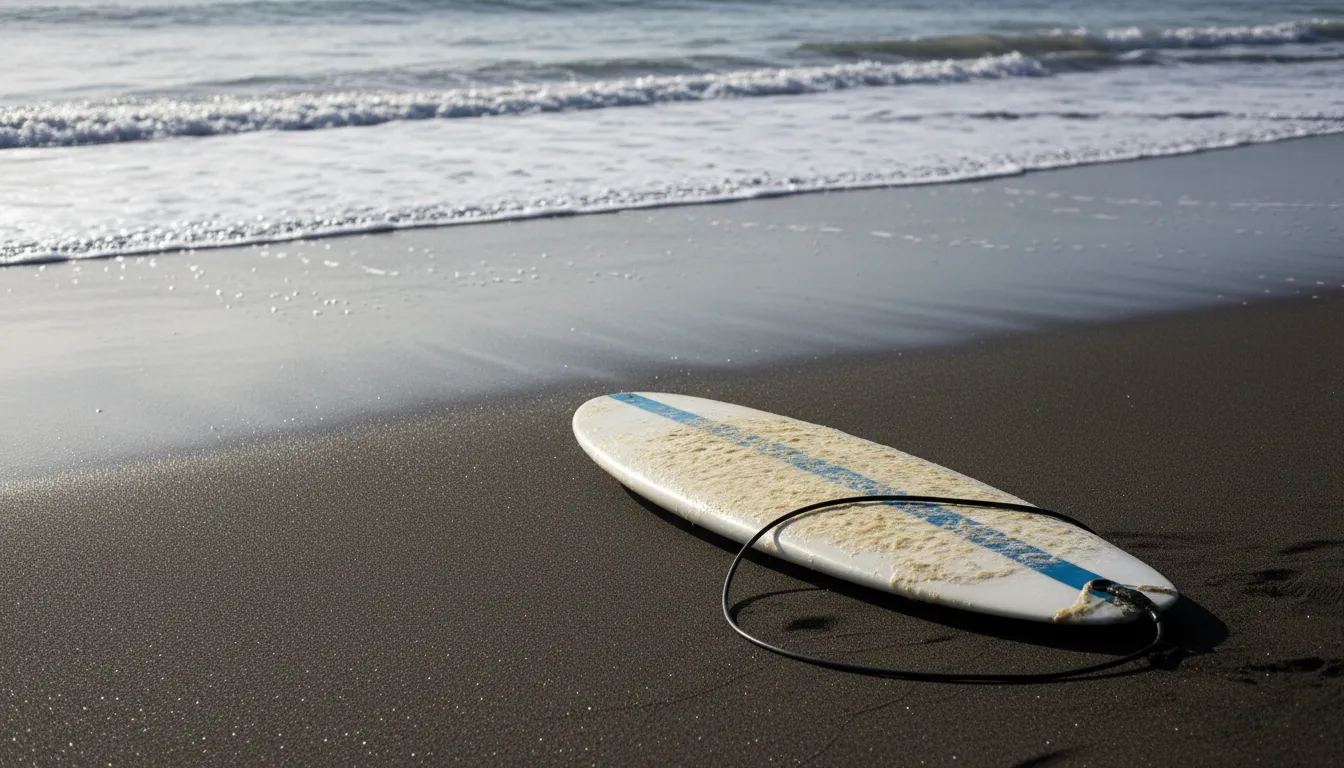
Surf Coaching Jaco Beach: Your Fast Track to Taming Costa Rican Waves
I’ve watched countless first-timers wobble to their feet on Jaco’s forgiving south-end waves, and I’ve seen advanced surfers finally nail that elusive cutback after a session with one of our local pros. Here’s the thing about surf coaching in Jaco Beach: it’s not just about standing up on a board (though that’s a pretty great start). It’s about tapping into decades of local wave knowledge, learning from instructors who’ve surfed these breaks thousands of times, and understanding exactly why that one wave peeled perfectly while the next one dumped you unceremoniously into the foam. Whether you’re hoping to graduate from beach breaks to the more powerful waves at nearby Hermosa, or simply want to catch your first wave without looking like a flailing sea turtle, Jaco’s surf coaching scene has you dialed in.
Why Jaco Beach is Your Best Classroom for Crashing Waves (and Not Just You)
Jaco isn’t just another pretty Central Pacific beach town—it’s genuinely one of the planet’s best year-round surf learning laboratories. The consistency here is almost ridiculous: while other surf destinations go flat for weeks, Jaco serves up rideable waves basically every single day. The secret? Our beach faces southwest, catching swells from multiple directions, which means even when the South Pacific goes quiet, we’re still getting fun waist-to-chest-high rollers.
And can we talk about the water temperature for a second? Forget shivering into a thick wetsuit like you’re preparing for arctic exploration. Jaco’s water hovers around a luxurious 28°C (82-83°F) year-round, which means you can rent a simple rashguard and focus entirely on your pop-up technique rather than trying to wrestle yourself into neoprene. I’ve seen visitors from California and Australia literally giddy about this—they’re so used to cold water that warm-water surfing feels like cheating.
The south end of Jaco Beach deserves special mention for beginners. The waves here break more gently over a soft sand bottom, which transforms wipeouts from “ow, that hurt” moments into “oops, let’s try again” learning opportunities. The longshore current is manageable, instructors can easily keep visual contact with multiple students, and the vibe is decidedly mellow compared to some of the more aggressive breaks you’ll find elsewhere on the coast.
Finding Your Perfect Surf Sensei: Private vs. Group Lessons in Jaco
Choosing between private and group surf lessons in Jaco really comes down to your learning style, budget, and whether you want personalized attention or communal stoke. Private surf lessons mean you get an instructor’s undivided focus for the entire session—they’re watching your every move, correcting that weird thing you do with your back foot, and adjusting their teaching in real-time based on how you learn best. If you’re serious about progressing quickly or have specific goals (like finally mastering that duck dive), private coaching is worth every colón.
Group lessons, on the other hand, bring their own magic. Most reputable Jaco surf schools maintain a 2:1 or 3:1 student-to-instructor ratio, which means you’re still getting plenty of feedback while also learning alongside others. Families especially love this format—there’s something special about watching your kids or partner catch their first wave while you’re all sharing the same experience. Plus, group rates are significantly more budget-friendly, typically running about 60-70% of private lesson costs.
One insider tip: look for schools offering flexible scheduling. Some of the best instructors in Jaco understand that modern travelers aren’t on rigid vacation schedules anymore—digital nomads need to squeeze lessons between client calls, families want to surf before breakfast, and everyone appreciates schools that can adapt. We’re happy to connect our guests at Jaco Beach Zen with our preferred local instructors who get this flexibility thing right.
Beyond the Basics: Advanced Surf Coaching for the Already Amped
So you’ve conquered Jaco’s main beach breaks and you’re ready to level up? Advanced surf coaching here gets seriously good, because Jaco sits at the epicenter of Costa Rica’s Central Pacific surf scene. Advanced coaching means deconstructing your technique frame by frame, understanding why your bottom turn isn’t generating the speed you want, and learning to read complex wave formations that beginners just see as “big scary water.”
Here’s where Jaco’s geography becomes your secret weapon: advanced coaches can take you to Taming the Famous Waves: A Local’s Guide to Jaco’s Surf Spots and introduce you to breaks that require real skill. Hermosa Beach, just ten minutes south, offers significantly more powerful waves that’ll test everything you think you know about surfing. When conditions align perfectly, some coaches will take experienced surfers to spots like Roca Loca—a gnarly right-hander that breaks over rock and demands respect.
What makes Jaco’s advanced coaching scene particularly special is the caliber of instructors available. Several current and former professional surfers call this area home, and many offer coaching when they’re not competing or chasing swells. These aren’t just good surfers who can teach; they’re elite athletes who understand biomechanics, wave dynamics, and the mental game at levels that’ll blow your mind. Video analysis has become increasingly common in advanced coaching packages, letting you actually see that shoulder rotation issue or foot placement problem that’s been holding you back.
Want to explore even more advanced breaks? Check out our guide on Beyond Jaco: Surfing the Central Pacific Coast for neighboring spots that’ll challenge and thrill you.
What to Expect (and Ask!) Before You Book Your Jaco Surf Clinic
Before you commit to any surf school or coaching package in Jaco, you need to ask the right questions—trust me, not all surf instruction is created equal. Start with the basics: what’s actually included in your lesson fee? Reputable schools provide the surfboard (usually a soft-top foam board for beginners, which is perfect for learning), a rashguard to prevent board rash and sun damage, and fresh water for rinsing off afterward. Some also throw in reef-safe sunscreen, waterproof phone pouches, and post-session photos.
Instructor credentials matter more than most people realize. Ask about certifications—the best coaches often hold credentials from organizations like the International Surfing Association (ISA) or Academy of Surfing Instructors (ASI). But honestly? The certification I care most about is CPR and first aid training. Ocean emergencies are rare, but when they happen, you want someone who knows exactly what to do. This is especially crucial for families with kids taking lessons.
For intermediate and advanced surfers, here’s a question that separates good coaching from great: “Do you use video analysis?” Coaches who film your sessions and break down your technique frame-by-frame can help you progress exponentially faster than those relying only on verbal feedback. Seeing yourself surf—really seeing the specific moment your weight shifts wrong or your eyes drop instead of looking down the line—is transformative. It’s like having x-ray vision into your own technique flaws.
Making the Most of Your Surf Trip: Logistical Hacks from a Local
Timing your surf lessons strategically can dramatically improve your learning experience. Book sessions for early morning—I’m talking 7 AM or 8 AM starts—when conditions are typically glassier, crowds are thinner, and you’re fresh rather than worn out from a full day of Costa Rican adventures. Early sessions also mean you’re surfing before the afternoon onshore winds kick up, which can make waves choppier and harder to read.
Consider committing to a multi-day package rather than a single lesson. Here’s why this matters: surfing is all about muscle memory and consistency. Your body needs repetition to internalize the pop-up motion, the paddle technique, the timing of catching waves. A single two-hour lesson might get you standing up once or twice, but three consecutive days of coaching will actually make you a surfer. Plus, most schools offer 10-20% discounts on multi-lesson packages, so you’re saving money while learning faster.
Pack smart for your surf sessions. Bring reef-safe sunscreen (non-reef-safe formulas are increasingly frowned upon in Costa Rica, and for good reason—they’re terrible for our marine ecosystems), a reusable water bottle to stay hydrated, and most importantly, a healthy sense of humor. Learning to surf means wiping out repeatedly, swallowing saltwater, and occasionally getting bonked by your own board. The surfers who progress fastest are the ones who can laugh at themselves and keep paddling back out.
Staying at Jaco Beach Zen gives you a genuine advantage here: you’re close enough to stroll to your morning surf lesson without needing a car, but far enough from the main drag that you’ll actually hear the waves at night and wake up to that ocean rhythm. After your session, you can rinse off and decompress without fighting through downtown traffic—just pure post-surf bliss.
Frequently Asked Questions
Is Jaco Beach good for beginner surf lessons?
Absolutely—Jaco is one of Costa Rica’s best beginner-friendly surf destinations. The south end of the beach offers gentle, consistent waves breaking over soft sand, warm water year-round that eliminates the wetsuit hassle, and dozens of experienced instructors who specialize in first-timers. The waves here are forgiving enough for complete beginners but still fun enough that you won’t get bored as you improve. Most students stand up and catch waves during their very first lesson.
How much do private surf lessons in Jaco, Costa Rica, typically cost?
Private surf lessons in Jaco generally run between $60-$90 USD for a two-hour session, with pricing varying based on instructor experience, what’s included, and whether you’re booking a single lesson or multi-day package. Group lessons are more budget-friendly at around $40-$50 per person. Advanced coaching and video analysis sessions command premium rates, sometimes reaching $120+ per session. Multi-day packages almost always offer better per-lesson value.
Can I rent a surfboard in Jaco, or should I bring my own?
You can absolutely rent surfboards in Jaco—in fact, I’d recommend it over traveling with your own board unless you’re an experienced surfer with specific equipment preferences. Rental shops line the main beach road, offering everything from beginner-friendly soft-tops ($10-15/day) to high-performance shortboards ($20-25/day). Most surf lessons include board rental in their fees. Traveling with boards means airline fees, potential damage, and the hassle of transporting them around Costa Rica.
Do surf schools in Jaco provide rash guards and other equipment?
Most reputable surf schools in Jaco include rashguards in their lesson packages, along with the surfboard itself. Some also provide reef-safe sunscreen, waterproof bags for your valuables, and fresh water for rinsing. Always confirm what’s included when booking—good schools are upfront about this. If you’re particular about fit or sun protection, bringing your own rashguard or surf shirt is perfectly fine and ensures you’re comfortable.
What’s the best time of year to take surf lessons in Jaco Beach?
Honestly? Any time works because Jaco has surfable waves year-round, but the dry season (December through April) offers the most consistent conditions for learning—cleaner waves, less rain, and calmer winds. The rainy season (May through November) brings bigger swells that can be perfect for advancing your skills, though afternoon storms sometimes interrupt sessions. For absolute beginners, December through March tends to offer the most gentle, user-friendly waves.
Are there surf camps or multi-day packages available for adults and families?
Yes, several Jaco surf schools offer multi-day packages and week-long surf camps designed specifically for adults and families. These typically include 3-7 consecutive days of coaching, often with both group and private session options, equipment for the duration, and sometimes additional perks like video analysis or surf theory workshops. Family packages are particularly popular, with some schools offering age-appropriate instruction that keeps everyone engaged regardless of skill level.
Is it safe for kids to take surf lessons in Jaco Beach?
Jaco is quite safe for kids’ surf lessons when you choose qualified instructors and appropriate conditions. The south end’s gentle waves and sandy bottom make it ideal for children, and reputable schools maintain low student-to-instructor ratios for kids (often 2:1 or better). Look for instructors with CPR/first-aid certification and specific experience teaching children. Most schools accept kids as young as 5-6 years old, though individual readiness varies by child.
Bahía Azul, unit 7C sits right on this stretch of sand — on the quiet south end of Jacó, a few hundred feet from the water.
Book on Airbnb