Surf Camps in Jaco, Costa Rica: Your Ultimate Guide to Riding Waves Like a Local
Let’s get one thing straight: Jaco isn’t pretending to be some undiscovered surf nirvana where only the locals know the secret handshake. It’s better than that. It’s a place where the water stays warm year-round, the waves show up consistently, and nobody’s gatekeeping the lineup. Whether you’re a complete kook wondering which end of the board goes forward or a digital nomad looking to squeeze in dawn patrol before your Zoom calls, Jaco’s surf camp scene has evolved into something genuinely special. The south end of the beach practically rolls out a sandy-bottom welcome mat for beginners, while nearby breaks offer progression paths that don’t require you to paddle to another country. This is your insider guide to finding the right surf camp, catching the right waves, and avoiding the rookie mistakes that separate the stoked from the sunburned.
Why Jaco is The Spot for Your Next Surf Camp Adventure
Forget everything you know about cold water surf trips. Jaco’s ocean hovers around 80°F year-round, which means you can leave the wetsuit at home and focus on what actually matters: catching waves. The consistency here is almost ridiculous—even on smaller days, there’s usually something rideable, making it ideal whether you’re learning to pop up or working on your cutbacks. The waves themselves tend to be forgiving, with enough push to get you moving but not so punchy that every wipeout feels like a washing machine cycle.
But here’s what really sets Jaco apart: it’s not trying to be anything other than what it is. This is a proper beach town with real infrastructure, not some remote point break where you’re eating rice and beans for the fifth night in a row because there’s nowhere else to eat. After your session, you’re minutes from excellent restaurants, actual grocery stores, and coffee that doesn’t taste like it was brewed in a wetsuit boot. The town has grown up around surf culture without losing its soul—local surfers still outnumber tourists in the early morning lineups, and the vibe remains welcomingly unpretentious.
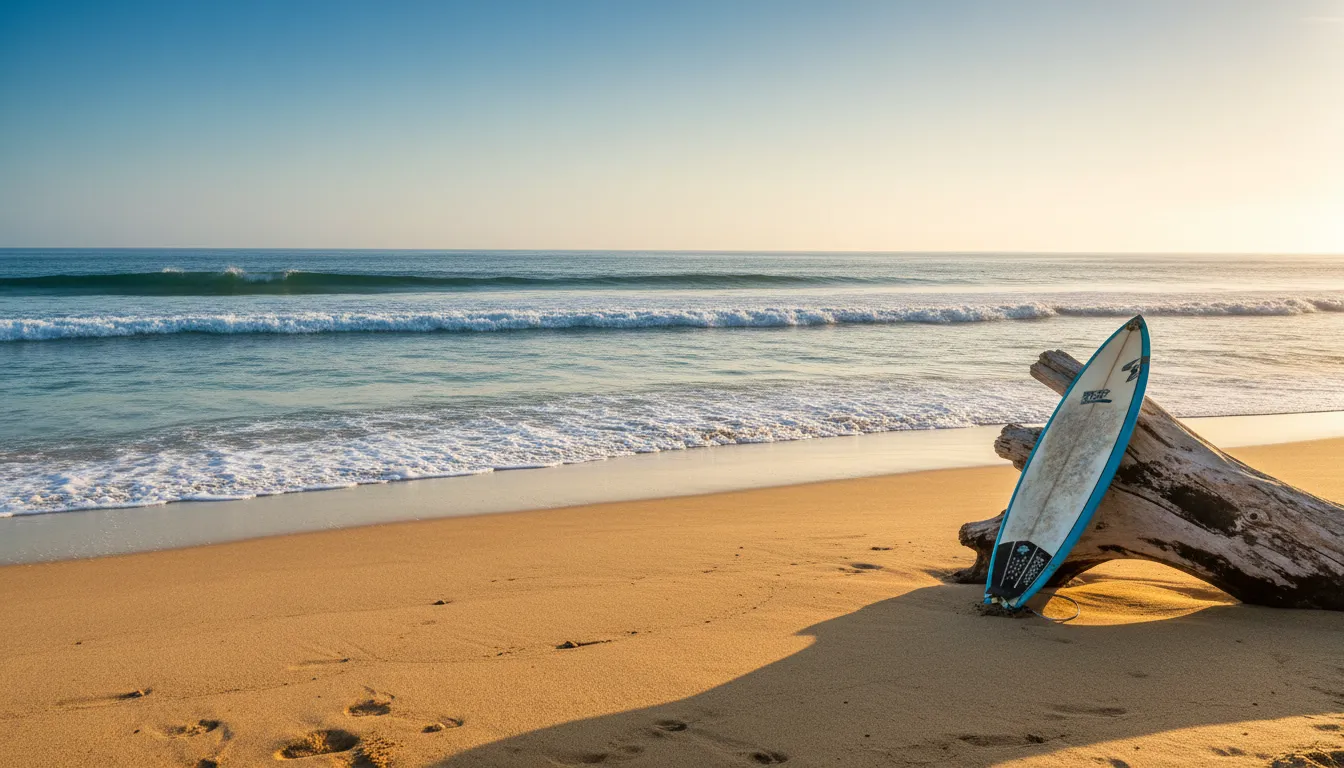
The south end of Jaco Beach deserves special mention as possibly the best beginner zone in Central America. The waves break gently over sand, the bottom stays consistently forgiving, and the energy is mellow enough that families can feel comfortable getting kids in the water. Unlike some surf spots where beginners are treated like kooks who should’ve stayed on the beach, Jaco’s local surf schools and instructors genuinely want you to succeed. They’ve built a sustainable surf economy around being helpful, and it shows in how they teach.
Choosing Your Perfect Jaco Surf Camp: Beyond the Brochure
Walk into any surf shop in Jaco and mention “surf camp,” and you’ll get about fifteen different recommendations. That’s because the camp scene here ranges from all-inclusive luxury retreats with yoga pavilions and farm-to-table meals to bare-bones operations where you share a room with three strangers and fight over the last papaya at breakfast. Neither option is wrong—they’re just serving different travelers. Your job is figuring out which category matches your expectations and budget.
Instructor-to-student ratios matter more than glossy Instagram photos. A camp might have a beautiful facility, but if one instructor is trying to wrangle eight beginners in the surf, nobody’s getting quality feedback. Look for operations advertising small group lessons—ideally four students or fewer per instructor. This becomes especially crucial for families, where parents want assurance their kids are actually being watched, not just pointed toward the ocean and told to “have fun.”
Dig into what’s actually included beyond the obvious boards and lessons. Some camps throw in daily yoga sessions, which is brilliant for loosening up those paddling muscles. Others organize rainforest hikes, zip-lining, or even Spanish lessons for downtime days when the surf’s flat or you need a mental break. These extras can transform a basic surf trip into an actual Costa Rican experience. Just watch for camps that nickel-and-dime you—if meals aren’t included, for instance, you might find yourself spending way more than expected.
The vibe question is real and often overlooked. Some camps lean hard into the party scene, with nightly bonfires and enough cervezas to float a surfboard. Others are basically silent retreats where everyone’s in bed by 9 PM. Neither is inherently better, but showing up to a party camp when you wanted quiet evenings (or vice versa) can seriously impact your experience. Read reviews carefully, looking for mentions of noise levels, group dynamics, and whether the camp attracts younger backpackers or families.
Jaco Beach Zen guests often find they get the best of both worlds by staying with us and connecting with local surf instructors directly, avoiding the all-in camp commitment while still accessing quality instruction and local wave knowledge.
Jaco Surf Lessons for Beginners: Standing Up Is Easier Than You Think
Here’s the truth about learning to surf in Jaco: the conditions are so beginner-friendly that your main obstacle is probably your own head. The soft, sandy bottom means wipeouts hurt your pride more than your body. The waves roll in with enough consistency that you’re not spending 20 minutes paddling around wondering where the next set’s coming from. And the water temperature means you can surf for hours without that wetsuit-induced fatigue that makes everything harder.
The local instructors here didn’t just show up last season with a foam board and good intentions. Many grew up surfing these breaks, meaning they can read the ocean like you read a menu. They know exactly when a set’s building, which waves will close out, and how to position you for maximum success. A good instructor becomes your personal wave whisperer, giving you that critical push at exactly the right moment so your first attempts actually result in standing up rather than spectacular nosedives.
Safety should be non-negotiable, but not all surf schools treat it that way. Ask whether instructors are certified—legitimate operations will have credentials from recognized surf instructor associations. Equipment matters too: soft-top boards for beginners, properly sized for your weight and ability, with leashes that aren’t held together with duct tape. For parents especially, don’t be shy about asking detailed questions about water safety protocols, student-to-instructor ratios, and what happens if conditions deteriorate.
Beyond the Main Break: Exploring Jaco’s Diverse Wave Playground
Jaco Beach itself handles probably 80% of the town’s surf traffic, but the surrounding coastline offers variations worth exploring once you’ve got your sea legs. Just ten minutes south, Playa Hermosa delivers significantly more powerful waves that regularly host international competitions. This is where intermediates and advanced surfers go when they want to test themselves—the beach break here can get hollow and fast, offering a completely different challenge from Jaco’s mellower personality.
For those willing to chase conditions, spots like Playa Escondida and Boca Barranca become magical on the right days. Barranca, in particular, offers one of the longest left-hand point breaks in Costa Rica when the swell and tide align perfectly. It’s about 30 minutes north and worth the mission when conditions cooperate. Just know that these spots require more wave knowledge and physical conditioning than Jaco’s main beach.
Herradura’s beach break flies under the radar despite being only fifteen minutes north of Jaco. It’s an excellent option for mixed-ability groups where some surfers want smaller, friendlier waves while others need a bit more challenge. The break here tends to be less crowded than Jaco, offering more room to spread out and catch waves without constantly navigating around other surfers. Our guide to Top Surf Spots for Locals in Jaco covers these alternatives in detail.
Jaco Beach Zen’s location gives you easy access to this entire surf playground. You’re close enough to walk to Jaco’s main breaks but positioned perfectly for quick missions to Hermosa or Herradura when you want variety.
Surf Gear & Gearing Up: Rentals, Repairs, and Ethical Shopping
Traveling with your own board to Costa Rica is possible but generally unnecessary unless you’re exceptionally picky about your equipment. Jaco has evolved a competitive rental market where shops offer everything from beginner-friendly foam boards to high-performance shortboards and even specialty equipment like fish or longboards. Daily rental rates typically run $10-$20 depending on board quality, with weekly rates offering better value. Most shops are clustered near the beach, making it easy to compare options before committing.
Dings happen, especially on rental boards that see daily use. The good news: Jaco’s surf economy includes skilled board repair specialists who can fix damage quickly and affordably. Many learned their craft from veteran shapers and take genuine pride in their work. Repair costs run significantly less than stateside equivalents, though turnaround times vary depending on how busy the shop is. If you’re renting and damage a board, most reputable shops have reasonable policies—just be upfront about what happened rather than trying to sneak a broken board back onto the rack.
Supporting locally-owned surf shops matters more than you might think. These businesses often employ local shapers, sponsor community surf events, and reinvest in Jaco’s economy rather than funneling profits elsewhere. Ask around about which shops are locally owned—you’ll find the staff at these places tends to offer better local wave knowledge and more personalized service because they’re genuinely invested in your experience, not just the transaction.
When to Catch the Best Waves (and Avoid the Crowds)
Jaco’s year-round surfability is both a blessing and a curse—blessing because you can show up any month and find waves, curse because there’s never really an “off” season when the crowds disappear entirely. That said, understanding seasonal patterns helps you optimize timing based on your skill level and preferences.
The green season (May through November) brings larger, more consistent swells thanks to southern hemisphere storms sending energy north. If you’re looking to progress beyond white water or challenge yourself on more powerful waves, these months deliver. The trade-off: afternoon rain showers are common, though they’re usually brief and actually provide welcome relief from the heat. Crowds thin out slightly during these months as fair-weather tourists avoid the rain, meaning more waves for you.
Dry season (December through April) offers smaller but still consistent surf, with the added benefits of guaranteed sunshine and spectacular sunsets that photographers dream about. This period attracts more tourists generally, including families and beginners, so expect fuller lineups especially around holidays. The waves remain beginner-friendly throughout, though advanced surfers sometimes get antsy for more size and power. Check our Seasonal Surfing Guide for Jaco for month-by-month breakdowns.
Dawn patrol sessions—heading out right at sunrise—offer the best conditions regardless of season. Winds typically stay calm until mid-morning, creating glassy wave faces that are both easier to read and more fun to ride. You’ll also beat the crowds and the heat, plus there’s something genuinely magical about watching the sun rise over the jungle while you’re bobbing in the lineup. Early sessions leave your afternoons free for exploring, working, or just recovering on the beach.
Beyond the Board: Making the Most of Your Jaco Surf Camp Experience
The actual surfing might be why you came to Jaco, but the connections you make often become the trip’s most valuable takeaway. Surf camps naturally create bonding opportunities—there’s something about shared wipeouts and mutual encouragement in the lineup that breaks down normal social barriers. Don’t be surprised if you form genuine friendships with people you’d never have met otherwise. Those post-surf cervezas and shared meals create space for conversations that go deeper than typical vacation small talk.
Digital nomads have discovered Jaco as a legitimate work-surf hybrid destination. Many surf camps now offer reliable Wi-Fi and dedicated co-working spaces, recognizing that remote workers want to catch waves without sacrificing productivity. The time zone (Central Standard) aligns well for both US and European calls, and Jaco’s infrastructure supports digital work better than many surf destinations. You can legitimately dawn patrol, shower, and make your 9 AM Zoom looking reasonably professional—though maybe skip mentioning you just got barreled.
Venturing beyond the surf zone reveals Jaco’s unexpected depth. The town’s culinary scene has evolved considerably, with restaurants serving everything from traditional Costa Rican casados to craft cocktails and fusion cuisine. Local art galleries showcase Central American artists whose work you won’t find anywhere else. The weekend farmers market offers fresh produce, handmade crafts, and a glimpse into daily life beyond the tourist economy. Spending all your time at the beach or your surf camp means missing the actual town, which would be a shame.
Frequently Asked Questions
Are Jaco surf camps suitable for complete beginners?
Absolutely—Jaco might be the most beginner-friendly surf destination in Central America. The consistent, mellow waves, warm water, and soft sandy bottom create ideal learning conditions. Most camps specialize in working with first-timers and structure programs specifically around beginner progression. Instructors here have taught thousands of people to surf and genuinely enjoy the teaching process. You’ll be standing up sooner than you think, probably within your first few sessions if conditions cooperate.
What’s the typical cost of a surf camp package in Jaco, Costa Rica?
Prices vary dramatically based on accommodation quality and inclusions. Budget camps offering shared rooms and basic amenities start around $400-$600 per week including lessons. Mid-range options with private rooms, better food, and extra activities run $800-$1,200 weekly. Luxury surf retreats with yoga, gourmet meals, and premium lodging can exceed $2,000 per week. Day packages (lesson + board rental) typically cost $60-$100, offering flexibility without the full camp commitment.
Can I rent a surfboard and just take a few lessons, or do I need to book a full camp?
You absolutely don’t need a full camp package—Jaco’s surf infrastructure supports à la carte options beautifully. Dozens of surf schools offer single lessons or multi-lesson packages without requiring accommodation commitments. Board rentals are available everywhere, from beachfront shops to your hotel. This flexibility works perfectly for travelers staying at places like Jaco Beach Zen who want surf instruction without camp constraints. Mix and match lessons, rentals, and free surfing however suits your schedule and budget.
Are there kid-friendly surf camps or instructors in Jaco?
Many Jaco surf schools specialize in teaching children and maintain safety protocols specifically for younger surfers. Look for instructors with pediatric first aid certification and camps offering small student-to-instructor ratios for kids. The south end of Jaco Beach provides ideal conditions for children—gentle waves, sandy bottom, and gradual depth. Several camps offer family packages where parents and kids learn together. Most instructors recommend starting kids around age 6 or 7, though some work with younger children depending on comfort level in water.
What’s the best time of year to get big waves in Jaco?
May through November delivers Jaco’s most consistent large swells, particularly August through October when southern hemisphere storms send powerful energy north. That said, “big” is relative—Jaco rarely gets truly massive waves compared to more exposed Pacific breaks. For genuinely large surf, head to nearby Playa Hermosa during these months, where waves can reach overhead and beyond. Jaco itself tends to stay in the chest-to-head-high range even during peak swell season, maintaining its beginner-friendly reputation.
Is it safe for solo female travelers to attend a surf camp in Jaco?
Jaco is generally safe for solo female travelers, and many surf camps actively cater to women traveling alone. Choose established camps with good reviews specifically mentioning solo traveler experiences. Private accommodations offer more security than shared dorms if that’s a concern. The surf community itself tends to be welcoming and protective—you’ll often find fellow surfers looking out for each other both in the water and around town. Standard travel precautions apply: avoid walking alone late at night and keep valuables secured.
Do surf camps in Jaco offer good Wi-Fi for digital nomads who need to work?
Most modern surf camps in Jaco now provide reliable Wi-Fi, recognizing the digital nomad market. Connection quality varies—ask specifically about speeds and whether they have backup internet if you’re dependent on connectivity for work. Some camps have designated co-working spaces with stronger connections than bedroom Wi-Fi. Jaco’s infrastructure generally supports remote work well, though occasional outages happen. Consider bringing a local SIM card with data as backup for critical work days.
How far is Jaco Beach Zen from the best beginner-friendly surf spots?
Jaco Beach Zen sits just steps from the sand, positioning you perfectly for quick access to Jaco’s beginner-friendly south end—literally a few minutes’ walk. The main beach breaks where most surf schools operate are equally close. This proximity means you can check conditions yourself before committing to a session, grab quick surf checks between other activities, and maximize your time in the water rather than commuting. You’re also well-positioned for easy drives to nearby breaks when you’re ready to explore beyond Jaco proper.
Bahía Azul, unit 7C sits right on this stretch of sand — on the quiet south end of Jacó, a few hundred feet from the water.
Book on Airbnb