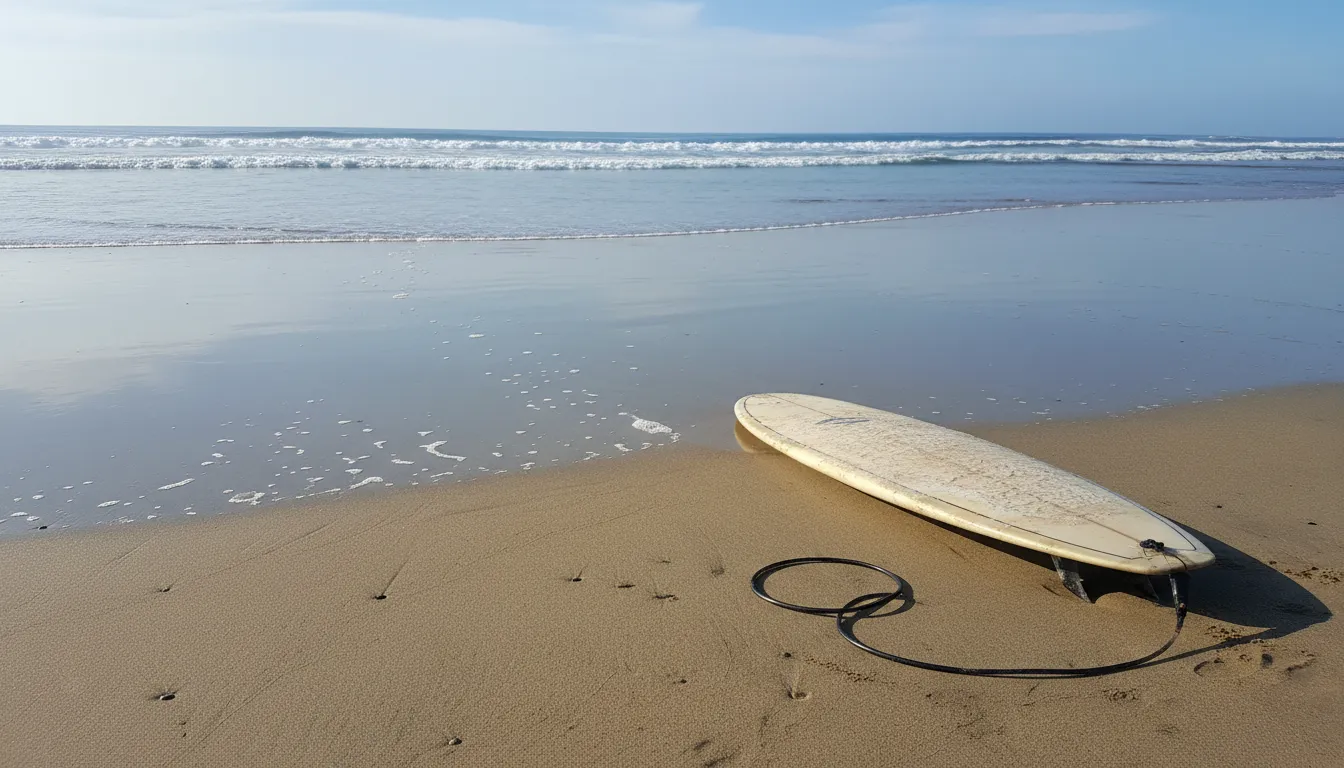
Let’s get one thing straight: Jaco Beach isn’t just another postcard-perfect Costa Rican surf town. It’s the place where your kids will catch their first wave before lunch, where your digital nomad dreams collide with chest-high barrels, and where the water’s so warm you’ll forget wetsuits exist. Whether you’re a complete beginner who thinks ‘pop-up’ is something bread does or an intermediate surfer chasing that perfect cutback, Jaco’s forgiving beach breaks and year-round swell make it Costa Rica’s most accessible surf classroom. This isn’t generic surf advice—this is the local download on lessons, rentals, secret(ish) spots, and how to avoid looking like a total kook on your first day out.
Why Jaco is Your Go-To Surf Classroom, Not Just Another Pretty Beach
First, let’s talk temperature. Jaco’s Pacific waters hover around 80°F year-round, which means you can paddle out in boardshorts and a rashguard without turning into a human popsicle. No wetsuit rentals, no neoprene chafing, no shivering through your lesson while your instructor explains wave mechanics—just you, a board, and bathwater-warm ocean. This isn’t trivial; it’s the difference between kids who want to stay out all morning and kids who bail after twenty minutes.
Then there’s the bottom. Jaco’s main surf zone is pure sand—soft, forgiving, and remarkably tolerant of your inevitable face-plants. Unlike rocky reef breaks that punish mistakes with coral scrapes and sea urchin encounters, Jaco lets you wipe out with dignity intact. For families with younger surfers or first-timers who haven’t yet mastered the art of graceful falling, this matters enormously.
Finally, competition breeds excellence (and better prices). Jaco has more surf schools per square mile than coffee shops, which means instructors actually compete for your business. You’ll find certified pros, competitive pricing, and enough variety that you can shop around until you find someone whose teaching style clicks with your learning vibe—or your teenager’s stubborn refusal to listen to anyone over thirty.
Picking Your Perfect Sensei: Finding the Right Surf Instructor in Jaco
Choosing a surf instructor isn’t like picking a restaurant—it’s more personal, especially when ocean safety’s involved. Start with the private versus group question. [Private family lessons](https://jacobeachzen.com/Family-Friendly Activities/family-surf-lessons-in-jaco) keep everyone together, let parents supervise tiny humans, and allow the instructor to tailor the session to your crew’s mixed abilities. Solo travelers or couples might prefer group lessons for the social energy and lower cost, plus there’s something bonding about watching strangers eat sand together.
Certifications matter more than charisma. Look for ISA (International Surfing Association) certification and current first aid training. Your instructor should be able to explain rip current escape strategies as confidently as they demonstrate pop-up techniques. Pura vida energy is wonderful; pura vida energy plus professional safety credentials is non-negotiable.
Language barriers can sink a lesson faster than a broken leash. Most Jaco instructors are bilingual, but confirm they can effectively communicate in your preferred language. Surfing has nuanced vocabulary—“trim,” “pocket,” “drop-in etiquette”—that gets lost in translation. You want someone who can explain why you keep pearling without resorting to charades.
Don’t automatically default to the biggest school. Sometimes the independent instructors—lifelong Jaco locals who’ve surfed these breaks since childhood—offer more personalized attention and insider beta about where the sand shifts after storms or which mornings bring glassy conditions. They’re also more likely to remember your name and wave progression if you book multiple sessions.
Jaco’s Secret Spots (and Not-So-Secret Ones) for Every Skill Level
Jaco’s south end is beginner paradise. The waves here break gently over consistent sandbars, creating a whitewater conveyor belt that practically pushes you to your feet. It’s crowded during high season because every surf school knows this is where magic happens for first-timers. Embrace the company—everyone’s focused on their own breakthroughs, not judging yours.
Intermediate surfers should migrate toward the river mouth, where the Jaco River meets the ocean. The current creates more defined peaks, faster waves, and actual green faces worth practicing turns on. Fair warning: the river mouth current itself demands respect and stronger paddling skills. Don’t venture here on your first day unless you enjoy involuntary ocean tours.
For advanced wave hunters, Playa Hermosa sits just ten minutes south. This isn’t hyperbole: Hermosa hosts international competitions and produces legitimate barrels when the swell hits. The beach break is powerful, hollow, and unforgiving—basically everything Jaco’s main beach isn’t. If you’re dreaming of tube rides and committed drops, Hermosa delivers. Just bring your A-game and check your ego.
Tide timing matters here. Jaco works best on mid-tide, when there’s enough water over the sandbars to form clean waves but not so much that everything closes out. We keep tide charts pinned on our fridge at Jaco Beach Zen because even short windows matter when you’re planning surf sessions around work calls or family activities. Low tide creates mushy, inconsistent breaks; high tide often means closeouts and backwash. Mid-tide is Goldilocks territory.
Roca Loca deserves its own paragraph and several warning labels. This offshore reef break only activates during solid swells, producing powerful, hollow waves that belong in highlight reels—or hospital visit stories. It’s expert-only, extremely dangerous for the unprepared, and absolutely not somewhere you paddle out alone. If you’re qualified for Roca Loca, you already know it. If you’re wondering whether you’re qualified, you’re not.
Boarding School: Navigating Jaco’s Surfboard Rentals
Beginners: rent the foamie. Yes, that soft-top board looks less cool than the sleek fiberglass shortboards lining the rack. It also floats better, turns slower (which helps), and doesn’t knock your teeth out when it inevitably smacks you mid-wipeout. Stability trumps style when you’re learning wave mechanics. You’ll graduate to performance boards soon enough.
Rental pricing runs roughly $10-15 per hour, $20-30 for half-day, $35-50 for full-day, depending on board quality and location. Beach-side shacks near the main break charge convenience premiums; shops two blocks inland often have better deals. If you’re staying multiple days, ask about weekly rates—they usually knock 20-30% off the daily price.
Always inspect for dings before accepting your rental. Run your hands over the rails and deck, checking for cracks, delamination, or previous repair jobs. Take photos of existing damage with your phone. Rental shops occasionally try pinning pre-existing dings on customers, and photo evidence ends those conversations quickly. Also verify the leash actually attaches securely—a board floating toward shore without you gets old fast.
The logistical beauty of Jaco rentals: most shops sit directly on the sand or within one block of the beach. Grab your board, walk thirty seconds, paddle out. No car-topping hassles, no long walks with a nine-foot board acting like a sail in the wind. When you’re done, rinse it in the provided freshwater shower and return it. Simple.
Beyond the Lessons: Leveling Up Your Surf Game in Jaco
Once you’ve graduated from whitewater to catching unbroken waves, consider advanced coaching. Jaco has pros who specialize in intermediate refinement—reading lineups, perfecting cutbacks, generating speed through bottom turns. These aren’t beginner lessons; they’re technical clinics that address the specific mistakes holding you back from progressing. One session can unlock skills you’ve struggled with for months.
Surf photography makes surprisingly epic souvenirs. Local photographers stake out popular breaks with waterproof cameras, capturing your rides (and spectacular wipeouts) from angles you’d never see otherwise. The photos cost $20-40 depending on package, and they’re infinitely better than your friend’s shaky iPhone zoom from shore. Plus, proof that you actually stood up helps when recounting your surf tales later.
Digital nomads should investigate surf camps and clinics that combine coaching with coworking spaces and accommodation. Several Jaco operations cater specifically to remote workers who want to improve their surfing during off-hours without sacrificing connectivity or workspace. Morning surf sessions, afternoon Zoom calls, evening beach fires—it’s the workation formula perfected.
What to Pack (and What to Forget) for Your Jaco Surf Session
Reef-safe sunscreen isn’t optional—it’s mandatory for your skin and the ocean’s health. The Costa Rican sun burns faster than you expect, especially when reflected off water. Apply liberally to your face, neck, ears, and the tops of your feet. Reapply after each session. Sunburned shoulders make paddling miserable.
A rashguard saves you from chest chafing and adds another layer of sun protection. Even in warm water, you’ll spend hours lying on your board paddling. The friction between your skin and wax creates painful rashes that ruin subsequent sessions. Long-sleeve rashguards offer maximum coverage.
Bring a water bottle and actually drink from it. Surfing is deceptively exhausting—you’re paddling constantly, breathing hard, and sweating in the sun even though you’re wet. Dehydration sneaks up fast and tanks your energy before you realize what’s happening. Stash water on the beach and hydrate between sets.
Forget the fear of looking silly. Everyone starts somewhere, and Jaco’s lineup includes toddlers, grandmothers, and everyone between. Nobody’s judging your pop-up form except maybe your instructor, whose literal job involves helping you improve it. The ocean doesn’t care about your pride—embrace the learning curve.
Forget your worries while you’re at it. Something about paddling through waves, timing sets, and focusing entirely on the present moment washes away whatever stressed you out on shore. It’s cheaper than therapy and comes with better views. Let the ocean do its thing.
Frequently Asked Questions
Is Jaco Beach good for beginner surfers?
Absolutely. Jaco’s warm water, sandy bottom, consistent waves, and abundance of qualified instructors make it ideal for first-timers. The south end offers gentle whitewater perfect for learning fundamentals without intimidation. Most beginners stand up within their first lesson, and the forgiving conditions mean wipeouts don’t hurt. Just avoid surfing alone initially and listen to your instructor’s safety guidance.
How much do surf lessons cost in Jaco, Costa Rica?
Expect to pay $50-70 for a two-hour group lesson including board rental, or $80-120 for private instruction. Family packages (2-4 people) typically run $150-250 depending on group size and lesson length. Multi-day packages offer discounts. Prices include equipment, insurance, and certified instruction. Always verify what’s included before booking—some budget options charge separately for board rentals.
What are the best surf spots near Jaco for advanced surfers?
Playa Hermosa, ten minutes south, produces powerful beach break barrels and hosts international competitions. The waves are significantly more challenging than Jaco’s main break—hollow, fast, and demanding. Roca Loca, an offshore reef break visible from Jaco, activates during solid swells but requires expert-level skills and should never be surfed alone. Both spots demand respect, strong paddling, and experience reading serious waves.
Can I rent a surfboard directly on Jaco Beach?
Yes, multiple rental shacks operate directly on the sand at Jaco Beach, plus numerous shops within one block. Pricing ranges from $10-15 hourly to $35-50 for full-day rentals. Most places stock foam boards for beginners and fiberglass shortboards or longboards for experienced surfers. Always inspect boards for damage before accepting them and clarify return times to avoid extra charges.
Do I need a wetsuit to surf in Jaco?
No. Jaco’s water temperature stays around 80°F year-round, warm enough for boardshorts and a rashguard. This is one of Jaco’s major advantages—no wetsuit rentals, no neoprene chafing, no thermal concerns. Even early morning sessions remain comfortable. Save your luggage space and wetsuit budget for colder surf destinations. A rashguard for sun protection is recommended, but thermal insulation isn’t necessary.
What are the tide times like for surfing in Jaco?
Jaco’s beach break works best on mid-tide, typically two hours before or after the tide peak. Low tide often creates mushy, inconsistent waves over exposed sandbars; high tide can produce closeouts and heavy backwash. Check local tide charts daily—they’re posted at most surf shops and accommodations. Optimal conditions usually occur when there’s enough water depth for wave formation without overwhelming the sandbars’ natural shape.
Is it safe to surf alone in Jaco Beach?
The main Jaco Beach has lifeguards and plenty of other surfers during daylight hours, making solo sessions relatively safe for competent swimmers. However, beginners should always surf with an instructor or buddy. The river mouth area has stronger currents requiring solid swimming skills. Never surf Roca Loca or other reef breaks alone regardless of experience level. Always tell someone your surf plans and expected return time.
Are there private surf instructors available in Jaco?
Yes, Jaco has numerous private instructors offering one-on-one or small group lessons. Private instruction costs $80-120 for two hours but provides personalized attention, flexible scheduling, and faster progression for serious learners. Many instructors also offer advanced coaching for intermediate surfers wanting technical refinement. Book ahead during high season (December-April) as the best instructors fill their schedules quickly. Ask about instructor certifications and experience levels.
Bahía Azul, unit 7C sits right on this stretch of sand — on the quiet south end of Jacó, a few hundred feet from the water.
Book on Airbnb