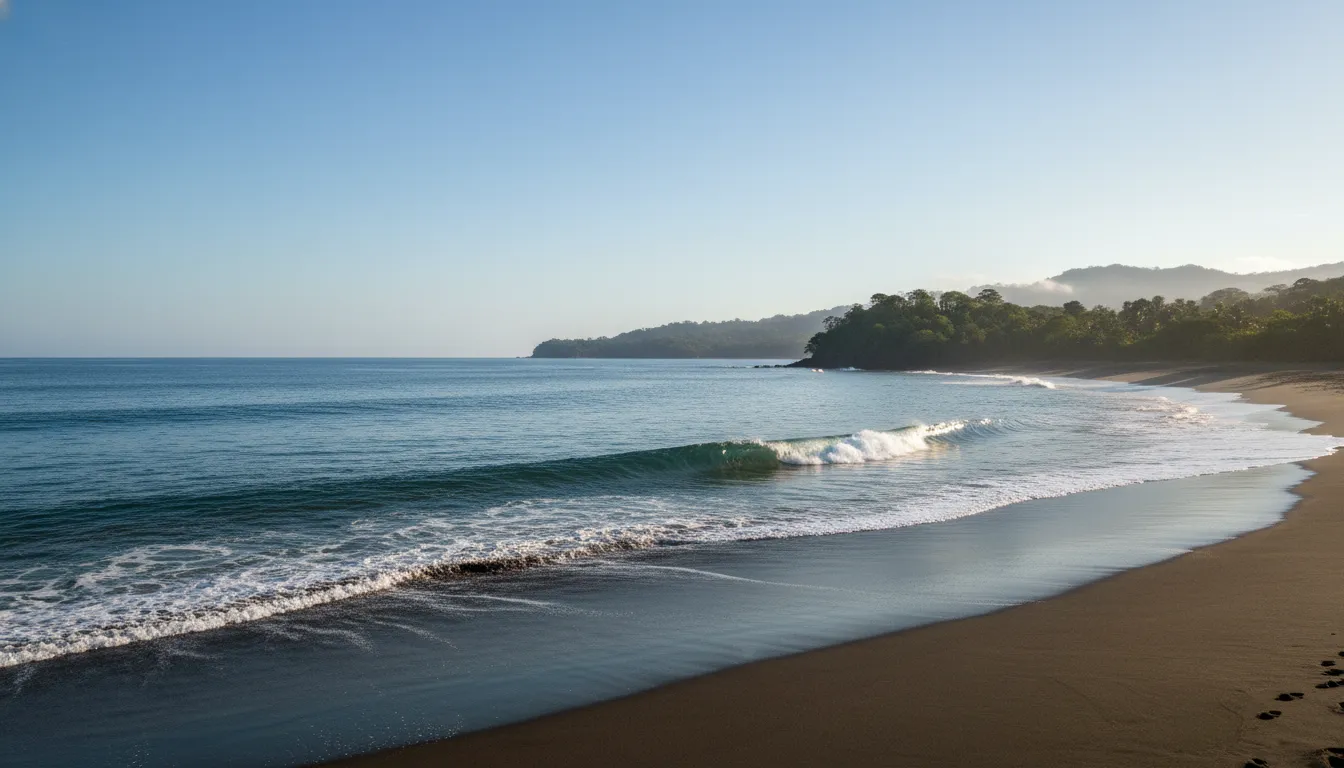
Beyond the Boardwalk: Unearthing Jaco’s Secret Surf Haunts for Uncrowded Waves
Let’s be honest: Jaco’s main beach and Hermosa are magnificent for a reason. They deliver consistent waves, easy access, and that quintessential Costa Rican surf vibe. But here’s the thing—everyone knows about them. If you’ve been surfing long enough to develop an allergy to elbow-to-elbow lineups, or if you’re craving that electric feeling of paddling out to waves that feel like your own discovery, then it’s time to venture beyond the usual suspects. The Central Pacific coastline near Jaco holds pockets of surf magic that reward those willing to ask the right questions, drive the extra twenty minutes, or simply follow that dirt road that looks vaguely promising. These aren’t spots you’ll find plastered across Instagram feeds (yet), and that’s precisely the point. Consider this your friendly nudge toward uncrowded waves and the kind of surf sessions that remind you why you fell in love with this sport in the first place.
Why Go Off-Grid? The Lure of Jaco’s Less-Traveled Surf Breaks
Jaco Main and Playa Hermosa have earned their legendary status through decades of delivering the goods. But sometimes—especially during high season or weekends—those lineups can feel more like a competitive parking lot than a meditative dance with the ocean. The beauty of the Central Pacific is its abundance: dozens of beach and reef breaks dot the coastline, each with distinct personalities and significantly fewer people jockeying for position.
There’s something profoundly satisfying about ‘discovering’ a wave, even if locals have been riding it for generations. It’s that feeling of connection with the raw, unfiltered Costa Rican coastline—palm trees swaying behind you, volcanic sand beneath your feet, and waves peeling without the usual crowd dynamics. These lesser-known breaks offer diversity too. Maybe you’re tired of the punchy beach break slams and want to try a mellow point break for longboarding. Perhaps you’re hunting for a reef break with actual barrel sections. Or maybe you just want to [surf with your kids](https://jacobeachzen.com/Family-Friendly Activities/family-surf-lessons-in-jaco) without worrying about territorial locals or aggressive drop-ins.
The real treasure here isn’t just empty waves (though that’s admittedly wonderful). It’s the entire experience: navigating unpaved roads that test your rental car’s suspension, asking the pulpería owner for directions in broken Spanish, arriving at a beach with no facilities and realizing you forgot water (rookie move), and then catching wave after uncrowded wave while a pair of scarlet macaws squawk overhead. That’s the kind of surf memory that sticks around longer than any crowded barrel at a famous break.
Playita: Jaco’s Pocket-Sized Secret (Just Don’t Tell Everyone)
Tucked just north of Jaco’s main drag, Playita exists in that sweet spot of being close enough to reach easily but obscure enough that most tourists drive right past without noticing. It’s not on Google Maps with a convenient parking pin, which already filters out about 80% of potential visitors. The name literally means “little beach,” and that’s exactly what you get—a compact stretch of sand that often goes overlooked when people focus on the main Jaco beach or head south to Hermosa.
Wave-wise, Playita shines when the swell is smaller to medium. While Hermosa is closing out or Jaco Main is getting hammered by overhead sets, Playita often offers mellower, more forgiving shoulders perfect for progressing intermediates or families with groms eager to graduate beyond whitewater. The waves here tend toward the softer, fatter variety—not ideal for high-performance surfing, but absolutely golden for working on turns, building confidence, or just enjoying a relaxed session without the pressure of critical drops.
Access requires a bit of local knowledge. You’ll typically approach via a somewhat unmarked turnoff that leads to an unpaved road (nothing terrifying, but not exactly smoothly paved either). This slight inconvenience acts as natural crowd control, keeping away the tour buses and casual beach-goers who prefer their parking lots clearly marked and their access roads pothole-free. Once you arrive, don’t expect beach bars, rental shacks, or lifeguards. Playita is delightfully rustic—bring your own water, snacks, and sunscreen like the locals do. The reward for this minor effort? Often having the entire peak to yourself, especially on weekday mornings.
Esterillos Oeste: Where Tides Reveal Golden Opportunities (and the Mermaid)
About twenty to thirty minutes south of Jaco, Esterillos Oeste offers a different vibe entirely—more spacious, more remote-feeling, and home to one of Costa Rica’s more charming surf landmarks: a mermaid statue perched on the rocks, visible when low tide exposes her domain. It’s exactly the kind of whimsical touch that makes surf exploration in Costa Rica feel magical.
The waves at Esterillos Oeste are consistently good, particularly at mid-tide when the banks align properly. Expect long, peeling beach break waves that offer multiple sections for turning and maneuvering. The break spreads across a wide stretch of coastline with several distinct peaks, meaning even when there are other surfers around (and there usually are some—this isn’t completely unknown), the crowd disperses naturally. You’re rarely fighting for position.
What makes Esterillos Oeste feel less crowded than its quality suggests is partly its geography and partly its distance from Jaco’s tourist epicenter. The beach is long enough that you can walk a few hundred meters in either direction and find your own peak. The slightly longer drive filters out day-trippers who can’t be bothered, and the lack of major hotel development means you won’t encounter surf school herds during peak hours. The vibe here leans more toward locals and expats who’ve discovered its charms, plus the occasional savvy traveler who did their homework.
Timing matters here. Hit it at the wrong tide and you might find closeouts or mushy reforms. But dial in that sweet mid-tide window, especially with a south or southwest swell, and you’ll understand why people make the drive. The surrounding area offers basic amenities—a few sodas, limited parking—but maintains that pleasantly undeveloped Central Pacific character that’s becoming rarer each year.
Boca Barranca: The Legendary Left (When It Decides to Wake Up)
Now we’re venturing into truly specialized territory. Boca Barranca, located near Puntarenas (about an hour north of Jaco), is famous in surf circles for one specific reason: when conditions align perfectly, it delivers one of the longest left-hand point breaks in the world. We’re talking rides exceeding a minute if you nail the positioning—wave after wave of soft, peeling perfection that feels more like surfing a liquid treadmill than an ocean wave.
Here’s the catch (you knew there’d be one): Boca Barranca is profoundly fickle. It needs a substantial south or southwest swell, specific tidal conditions, and the right rivermouth sandbar configuration to truly fire. On average swells or wrong tides, it’s underwhelming at best, flat at worst. This unreliability is precisely what keeps it from being mobbed. You can’t just show up on a random Tuesday and expect magic. You need to watch forecasts, understand swell direction and period, and ideally have local intel about recent sandbar shifts.
When it does work—and locals will tell you within hours when it’s “on”—Boca Barranca attracts knowledgeable surfers from across the region. So calling it “hidden” might be generous on firing days. But because those perfect days are relatively rare, you’ll often find fewer people than a world-class wave would normally attract. It’s hidden in time rather than space—you need to be there at the right moment.
The wave itself is forgiving and fun, perfect for longboarders and anyone who values style over aggressive maneuvers. The rides are long enough that you’ll paddle back out with your arms burning and a stupid grin plastered across your face. If you’re spending significant time in the Jaco area and the forecast shows a promising south swell, it’s absolutely worth asking around at local surf shops: “Is Barranca breaking?” That question will reveal whether it’s worth the drive.
Finding Your Own Uncharted Waters: Tips from a Local
The spots mentioned above are just the beginning. The Central Pacific coastline stretches for miles, with countless beach breaks, reef breaks, and river mouths that produce waves under the right conditions. Your best resource for discovering these gems isn’t TripAdvisor or surf tourism websites—it’s local knowledge combined with your own exploratory spirit.
Start by building relationships with people who actually live here. The guy running the small surf shop in downtown Jaco? He knows infinitely more than the hotel concierge who moved here six months ago. Local surfers, pulpería owners, and long-time expats are goldmines of information, especially if you approach with genuine curiosity rather than entitled tourist energy. Ask about conditions, but also listen when they mention spots casually in conversation.
Safety must be your priority when exploring lesser-known breaks. Never surf alone in remote locations, particularly if you’re unfamiliar with local currents, reef structures, or rip patterns. Some of these spots lack the natural safety net of other surfers who can help if something goes wrong. If a wave looks sketchy or conditions seem off, trust your instincts and skip it. There’s always tomorrow, and Jaco isn’t going anywhere.
Consider hiring a local surf guide for a day, especially if you’re serious about finding quality uncrowded waves. A good guide does more than drive you around—they read conditions, know which spots work on which tides and swells, understand local etiquette, and can introduce you to breaks you’d never find independently. The investment often pays for itself in wave quality and local knowledge gained.
Finally, respect private property and local communities. Some beach access points cross private land or pass through small villages. Ask permission when appropriate, don’t leave trash, and remember that you’re a guest. The quickest way to turn a “secret spot” hostile is having disrespectful tourists trash it or antagonize locals. From our home base at Jaco Beach Zen, you’re perfectly positioned to launch these adventures, knowing a comfortable, secure spot awaits your return—somewhere you can rinse the salt off, stash your boards safely, and plan tomorrow’s exploration.
Frequently Asked Questions
Are these ‘hidden’ spots safe for beginners or intermediate surfers?
It depends entirely on the specific spot and conditions. Playita and Esterillos Oeste can be excellent for progressing intermediates when the swell is small to medium, offering mellower waves than Hermosa’s power. However, Boca Barranca and some unmarked reef breaks require more experience. Always assess conditions honestly against your skill level, and when in doubt, hire a guide who can match you with appropriate waves. The biggest safety factor isn’t the spot itself—it’s surfing within your ability and never going alone to remote locations.
Do I need a 4x4 vehicle to reach these lesser-known surf beaches?
Not necessarily, but it helps. Playita and Esterillos Oeste are accessible with a regular car, though you might encounter some bumpy unpaved sections. The roads are generally passable year-round for standard vehicles if you drive carefully. Boca Barranca is reachable via normal roads. However, if you’re planning to explore truly off-the-beaten-path spots that locals mention, a vehicle with higher clearance gives you more options, especially during rainy season when some access roads become muddy challenges. Rental costs for 4x4s are higher, so weigh that against your exploration ambitions.
What’s the best time of year to find uncrowded waves near Jaco?
Shoulder seasons—late April through June and September through early November—offer the best balance of decent swells and fewer crowds. High season (December through March) brings consistent waves but also maximum tourist numbers, even at lesser-known spots. Rainy season (May through November) features inconsistent but occasionally epic swells, particularly from south swells that light up spots like Esterillos and Barranca. Weekday mornings year-round are always less crowded than weekends. The real secret? Flexibility. When you see a good forecast for a lesser-known spot, go immediately.
Can I rent boards suitable for different breaks at Jaco Beach?
Absolutely. Jaco has numerous surf shops offering diverse board selections, from longboards perfect for Playita’s mellow waves to shorter, more maneuverable boards for punchier beach breaks. Better shops employ staff who actually surf and can recommend appropriate equipment based on where you’re heading and current conditions. Some shops also offer board delivery to accommodations. If you’re staying at Jaco Beach Zen, you’ll have secure storage for whatever board you rent, which is clutch when you’re swapping between a longboard for morning mellow sessions and a shortboard for afternoon Hermosa runs.
Are there any surf schools or guides that specialize in taking surfers to these secret spots?
Yes, though you’ll need to look beyond the large tourism-oriented surf schools that stick to Jaco Main. Smaller operations run by local surfers or long-time expats often offer personalized guiding to lesser-known breaks based on daily conditions. These guides typically work with intermediate to advanced surfers who want to expand beyond beginner spots. Ask at locally-owned surf shops for recommendations—they’ll know which guides are legitimate and which are just capitalizing on the “secret spot” marketing angle. Expect to pay more than a group lesson, but you’re buying years of local knowledge and spot-specific expertise.
What should I bring if I’m venturing to a more remote surf location?
Pack like the amenities don’t exist, because they probably don’t. Essentials include plenty of water (more than you think you need—Costa Rica is hot), snacks or lunch, reef-safe sunscreen, a basic first aid kit, and wax. Bring a dry bag for valuables since you might not have secure parking. A rashguard or wetsuit top protects against sun and reef scrapes. Don’t forget a towel, because there won’t be rental shacks. Cash is smart for supporting any small local businesses you encounter. Finally, bring a charged phone for emergencies and photos, but don’t expect reliable cell service at truly remote spots. Self-sufficiency is part of the adventure.
Ready to make Jaco your base camp for uncrowded surf exploration? Jaco Beach Zen offers the perfect balance—close enough to downtown’s conveniences, far enough to hear the waves, and secure enough that you can wander off-grid knowing your gear and peace of mind are protected. Book your surf sanctuary and start discovering waves most tourists never even know exist.
Bahía Azul, unit 7C sits right on this stretch of sand — on the quiet south end of Jacó, a few hundred feet from the water.
Book on Airbnb