Taste of Tico: Your Insider’s Guide to Authentic Costa Rican Meals in Jaco Beach
Let’s be honest: you didn’t fly to Costa Rica to eat the same hotel scrambled eggs you’d get in Des Moines. Real travel memories aren’t made at all-inclusive buffets—they’re forged over steaming plates of gallo pinto at a bustling soda, where the cook knows everyone’s name and the locals argue good-naturedly about fútbol. Jaco Beach might be famous for its surf breaks and sunset bars, but if you’re not diving face-first into authentic comida típica, you’re missing half the story. This isn’t just about filling your stomach; it’s about understanding the pura vida lifestyle from the inside out, one perfectly seasoned black bean at a time. Consider this your insider’s roadmap to eating like a Tico in Jaco—where to go, what to order, and how to spot the real deal from the tourist traps.
Beyond the Resort Buffet: Why ‘Comida Típica’ is Your Jaco Must-Do
Forget the beige breakfast buffets and predictable poolside menus. Real travel memories are made over plates piled high with local flavor, and Jaco’s comida típica is where it’s at. This isn’t some Instagram-bait food trend—it’s the honest, unfussy cooking that has sustained Costa Ricans for generations, prepared the same way your Tica neighbor’s grandmother made it.
Understanding local cuisine isn’t just about feeding your face; it’s a direct dive into the pura vida lifestyle itself. Every casado tells the story of Costa Rica’s agricultural abundance, from the rice grown in Guanacaste to the beans harvested in the Central Valley. The Puntarenas province gifts us farm-fresh produce year-round and daily ocean catches that go from boat to plate in hours, not days. When you’re eating traditional Tico food, you’re tasting the actual terroir of Costa Rica—the volcanic soil, the Pacific breezes, the tropical sun.
Jaco’s food scene has evolved considerably from its sleepy fishing village days. You’ll find international restaurants, trendy fusion spots, and yes, plenty of tourist-oriented menus. But the heart of it all remains the humble, hearty, satisfying Tico home cooking—comfort food prepared with love, not fuss. It’s the kind of meal that sticks to your ribs before a surf session and makes you understand why Costa Ricans consistently rank among the world’s happiest people. Good food, simple preparation, fresh ingredients, and the time to actually enjoy it. That’s the magic.
The Casado Chronicles: Decoding Jaco’s Lunchtime Legend
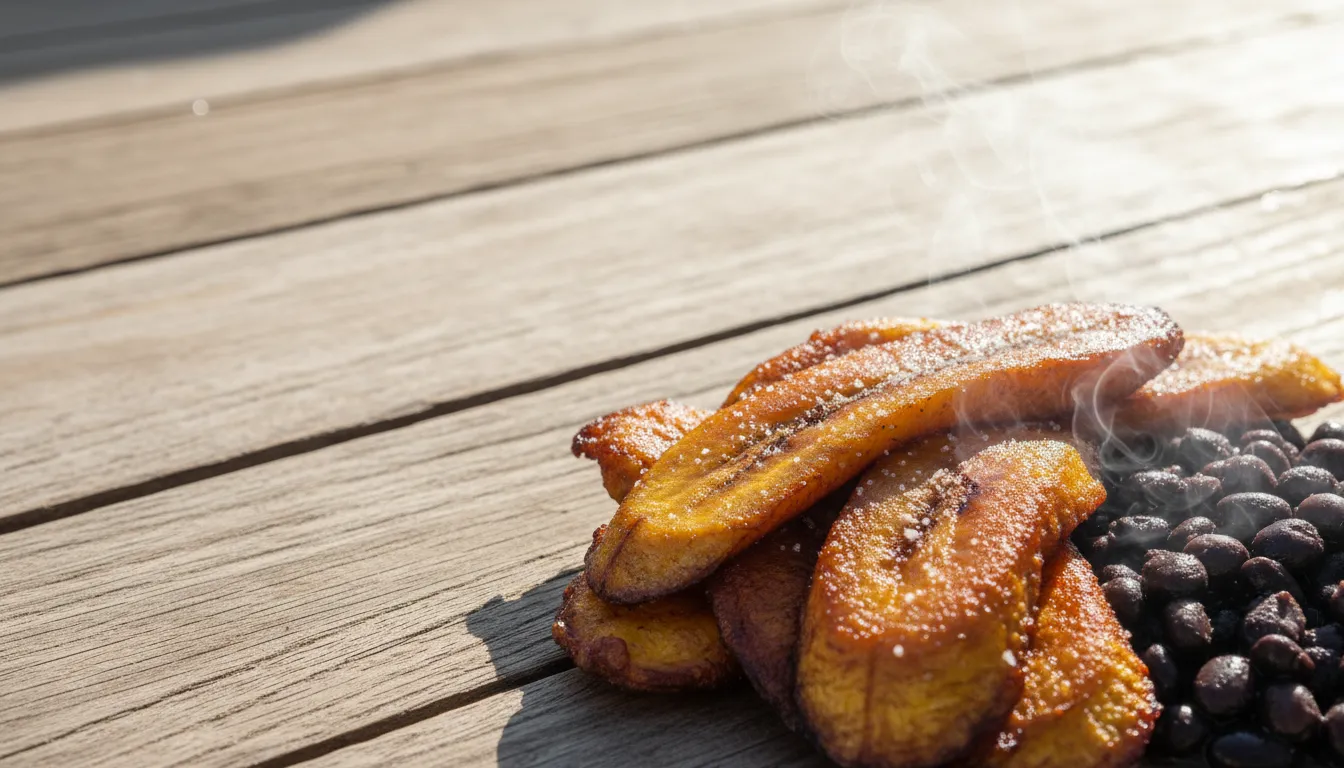
If you haven’t had a casado, have you even been to Costa Rica? This lunchtime staple is a glorious mosaic of components that somehow adds up to more than the sum of its parts: white rice, black beans, cabbage salad, fried plantains, and your choice of protein—typically chicken, beef, or fish. You’ll often get a slice of fresh white cheese (queso fresco) or a fried egg perched on top, and occasionally some picadillo (a savory vegetable hash) joins the party. It’s the ultimate balanced meal, hitting every food group with zero pretension.
For the truly authentic experience, skip the fancy spots with cloth napkins and head straight for a soda. These small, family-run restaurants are where locals grab their daily fuel, and they’re the unfussy, delicious heart of Jaco’s food scene. Don’t expect Instagram-worthy plating or extensive wine lists—expect generous portions, rock-bottom prices (usually $5-8 USD), and food that tastes like someone’s mom made it. Because often, someone’s mom literally did.
Soda Jaco Rústico deserves its own paragraph because this place isn’t just famous among tourists—it’s legendary among locals, which is the only endorsement that matters. Expect cafeteria-style charm, lines of Ticos during lunch rush, and plates expertly piled high with classics like arroz con pollo (chicken and rice) or olla de carne (hearty beef soup). They even serve more adventurous options like beef tongue stew for the culinary brave. This is where the magic happens, where your family can witness how real Costa Ricans eat their daily lunch. The cook doesn’t speak much English, the plastic chairs wobble slightly, and it’s absolutely perfect. If you’re staying close enough to wander downtown but far enough to hear the waves—say, somewhere like Jaco Beach Zen—Soda Rústico is an easy walk for an authentic lunch adventure.
Rise and Shine, Tico Style: Mastering the Gallo Pinto Breakfast
The Costa Rican day officially begins with gallo pinto, and we’re not being dramatic when we say it’s a religious experience. This savory stir-fry of seasoned rice and beans—“spotted rooster” in English, named for its speckled appearance—is typically accompanied by scrambled or fried eggs, corn tortillas, and that glorious Tico sour cream called natilla. Some places add fried sweet plantains or a slice of fresh cheese. It’s hearty, satisfying, and proof that breakfast doesn’t need to be sweet to be spectacular.
Finding a good Tico breakfast in Jaco is refreshingly easy. Green Room Café dishes out a hearty version complete with eggs, sweet plantains, and warm tortillas—the kind of breakfast that sticks with you through a morning surf session or keeps digital nomads fueled through their first Zoom calls. The beauty of gallo pinto is its versatility: you can find it at upscale brunch spots or roadside sodas, and while preparations vary slightly, the core concept remains deliciously constant.
Families traveling with kids will appreciate that gallo pinto is universally loved, non-spicy, and filling enough to power even the most energetic beach-obsessed children through half a day. Even picky eaters tend to approve of seasoned rice and beans when they’re prepared this well. Pro tip: if your little ones are hesitant, let them squeeze fresh lime over everything—it’s the Tico way, and somehow lime juice makes kids more adventurous.
Snack Attack: Ceviche, Chifrijo, and Other Jaco Delights
When the Jaco sun turns up the heat and you need something refreshing, ceviche answers the call. This isn’t just an appetizer in Costa Rica; it’s a beach town ritual. Fresh fish—usually tilapia, corvina, or sea bass—gets “cooked” in lime juice until the citric acid firms up the flesh, then it’s mixed with cilantro, onion, and sometimes bell peppers. The result is served in small cups with soda crackers for scooping, creating the perfect balance of zesty, fresh, and satisfying.
You’ll find these zesty little cups everywhere from beach kiosks to local bars, often sold by vendors who’ve been making ceviche the exact same way for twenty years. It’s pure sunshine in a dish, and incredibly fresh thanks to Jaco’s Pacific location. When choosing your ceviche source, look for places that seem busy with high turnover—freshness is everything with raw fish preparations. If locals are lined up, that’s your green light.
Don’t leave Jaco without trying chifrijo, the ingenious bar snack that locals swear by after a long day. This layered masterpiece starts with white rice and beans at the base, gets topped with crispy chicharrón (fried pork), fresh pico de gallo, and sliced avocado. It’s the ultimate “I need something delicious and satisfying right now” dish, traditionally enjoyed with an Imperial beer while watching the sunset. The combination sounds random on paper but creates magic on your palate—crunchy, creamy, spicy, savory, all at once. You’ll understand why it’s a national treasure after the first bite.
Where to Eat Like a Local (and Avoid the Tourist Traps)
While Soda Jaco Rústico is your non-negotiable pilgrimage site, keep your eyes open for other sodas that might not appear in guidebooks but are absolutely packed with locals during lunch hours. That’s your golden signal for authentic, affordable fare. If construction workers, taxi drivers, and families are all eating there, the food is guaranteed to be good and the prices reasonable.
Don’t be afraid to ask for recommendations, either from your accommodation host or from locals you meet. Costa Ricans are genuinely proud of their food culture, and a friendly inquiry can lead you to hidden gems serving up the best patacones (fried green plantain smashes) or the freshest whole fried fish you’ve ever tasted. At Jaco Beach Zen, we actually provide guests with a curated guide to our personal favorite vetted local eateries—the spots we actually eat at ourselves, not just the ones that pay for advertising.
When choosing seafood restaurants, especially for raw preparations like ceviche, freshness is absolutely key. Look for places that seem busy, have good turnover, and ideally source their fish daily from local boats. The best ceviche in Jaco isn’t at the fanciest restaurant—it’s at the small stand where the fisherman’s wife has been making it the same way since 1987. Trust the lines, trust the locals, and trust your nose. Fresh fish smells like ocean breeze, not fishiness.
Frequently Asked Questions
What are the most essential traditional Costa Rican dishes I absolutely must try in Jaco?
Start with the holy trinity: gallo pinto for breakfast, a proper casado for lunch, and fresh ceviche as your beach snack. These three dishes form the backbone of Tico cuisine and will give you genuine insight into Costa Rican food culture. If you have room for more adventures, add chifrijo for a bar snack, arroz con pollo (chicken with rice) for a comforting dinner, and olla de carne if you find it as a daily special. Don’t skip the fresh tropical fruit—Costa Rican pineapple, mango, and papaya are revelation-level good and often served as simple desserts or batidos (smoothies).
Are there vegetarian or vegan options available within traditional Costa Rican cuisine in Jaco?
Absolutely, though you’ll need to navigate carefully. Gallo pinto is naturally vegan if you ask them to prepare it without the chicken broth some cooks use. Most sodas will happily make you a casado vegetariano with cheese, egg, beans, rice, plantains, and salad. The challenge is that many bean preparations include lard or pork, so always ask “sin carne” (without meat) and “sin manteca” (without lard). Fresh ceviche de champiñones (mushroom ceviche) is becoming more common. Costa Rican cuisine relies heavily on beans, rice, and fresh produce, so the building blocks are there—you just need to communicate your needs clearly.
How can I tell if a restaurant is truly ‘authentic’ when looking for traditional Tico food in Jaco?
The easiest test: count the locals. If the clientele is 80% Costa Rican families, construction workers, and taxi drivers on lunch break, you’ve found authenticity. Other solid indicators include handwritten daily specials on a whiteboard, plastic chairs, prices listed in colones rather than dollars, and zero English on the menu. Authentic sodas rarely have websites or social media presence—they don’t need marketing because they’ve been feeding the same families for generations. If the menu has extensive English translations and photos of every dish, it’s probably geared toward tourists. Not necessarily bad, just not the real insider experience.
Is Costa Rican food spicy? Will my kids eat it?
Great news for families: traditional Costa Rican food is notably NOT spicy. Unlike Mexican or Thai cuisine, Tico cooking relies on fresh ingredients and simple seasoning rather than heat. You’ll always find Lizano sauce (a mild, slightly sweet condiment) and chilero (pickled vegetables in vinegar) on tables for those who want to add kick, but the base dishes are mild enough for even sensitive palates. Kids generally love gallo pinto, fried plantains, fresh cheese, and simple grilled chicken or fish. The food is wholesome, recognizable, and not challenging for younger eaters, making Costa Rica an excellent family destination from a culinary perspective.
What’s the typical cost for a traditional Costa Rican meal like a casado in Jaco?
At an authentic soda, expect to pay 3,500-5,000 colones (roughly $6-9 USD) for a generous casado plate that will absolutely fill you up. Breakfast plates with gallo pinto run similarly, around 2,500-4,000 colones ($4-7 USD). Ceviche cups from street vendors cost about 1,500-2,500 colones ($2-4 USD). These prices are significantly lower than tourist-oriented restaurants, where you might pay double or triple. Eating like a local isn’t just more authentic—it’s dramatically cheaper. A family of four can eat an excellent, filling lunch at a soda for under $30 USD total, leaving plenty of budget for other adventures.
Can I learn to cook some of these dishes while I’m in Jaco?
Several local cooking classes offer hands-on instruction in traditional Tico cooking, where you’ll learn to make gallo pinto, prepare the perfect casado, and master tortilla-making from scratch. These classes typically include market visits to select ingredients, which is an education in itself. Alternatively, if you’re staying somewhere with kitchen facilities—say, a place with actual cooking amenities rather than just a mini-fridge—you could visit the weekend farmers market, grab fresh ingredients, and experiment yourself. There’s something magical about preparing a simple Costa Rican breakfast in your own temporary kitchen after learning the techniques from watching the experts at local sodas.
Bahía Azul, unit 7C sits right on this stretch of sand — on the quiet south end of Jacó, a few hundred feet from the water.
Book on Airbnb