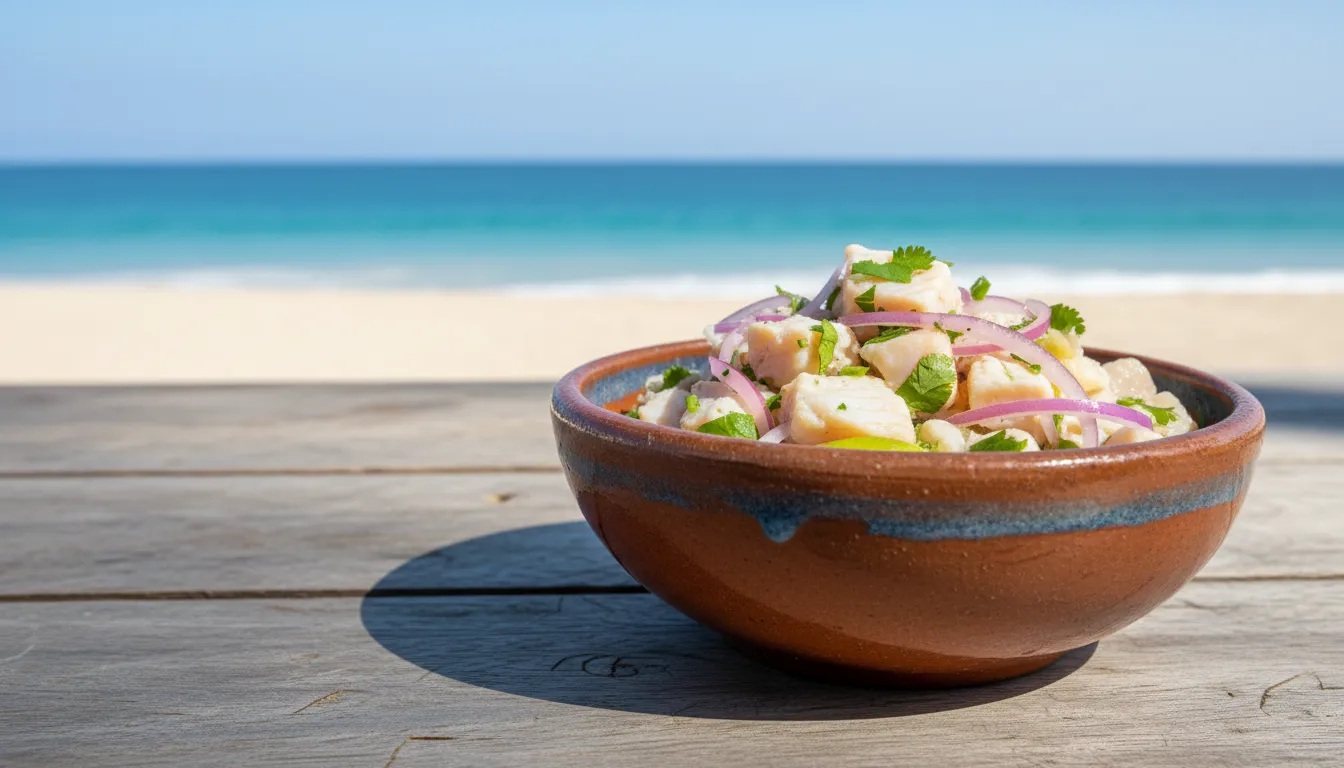
Jaco doesn’t host the country’s biggest food festivals—that honor goes to San José and its sprawling Fiestas de Zapote. But what this beachside town lacks in grand-scale events, it makes up for with grassroots authenticity. Here, food festivals blend traditional Tico flavors with Pacific coastal influence, creating experiences that feel less like tourist attractions and more like neighborhood block parties where everyone’s invited. From seafood cook-offs to local farmers’ markets that transform into impromptu culinary showcases, Jaco’s food scene celebrates Costa Rican tradition without the pretense. Whether you’re hunting for fresh ceviche at dawn or savoring street-grilled chorizo under string lights, the town’s culinary calendar offers genuine tastes you won’t find in guidebooks—just ask any local sipping coffee at the sodas downtown.
Understanding Jaco’s Culinary Calendar: When Food Takes Center Stage
Jaco’s food festivals don’t follow a rigid annual schedule like European harvest fests. Instead, they ebb and flow with Costa Rica’s cultural calendar and tourist seasons. The biggest concentration happens during high season (December through April) when vendors capitalize on beach crowds, and during September’s Independence Day celebrations when patriotic fervor meets food-stand abundance.
The Jaco Beach Festival typically occurs in March, featuring local restaurants setting up beachfront booths alongside live music. It’s not exclusively food-focused, but the culinary component rivals any dedicated festival—think fresh dorado tacos, coconut-crusted shrimp, and fruit batidos made to order. The event draws regional chefs competing for local bragging rights, which means quality stays high and prices reasonable.
September brings Fiestas Patrias street celebrations where temporary food stalls line Avenida Pastor Díaz serving traditional Independence Day fare: arroz con pollo, tamales, and tres leches cake. Unlike formal festivals, these pop-up operations have no admission fees and minimal organization—pure spontaneous celebration. The local food markets also ramp up special offerings during this period, with vendors preparing family recipes passed down through generations.
For reliable festival dates, check with the Jaco municipal office or follow local Facebook groups like “Jaco Beach Community.” Formal announcements rarely appear more than three weeks ahead, so flexibility beats rigid planning.
Traditional Costa Rican Dishes You’ll Actually Find at Jaco Festivals
Forget gallo pinto for breakfast—at festivals, Costa Ricans showcase dishes they’d normally reserve for Sunday family gatherings. Olla de carne, a hearty beef stew loaded with yuca, chayote, and plantains, appears in massive pots at community events, ladled into bowls that cost a fraction of restaurant prices. It’s peasant food elevated to celebration status, and vendors take pride in their unique recipes.
Chifrijo dominates the street food scene: layers of rice, beans, chicharrón (fried pork), and pico de gallo topped with tortilla chips. It originated in San José bars but has become festival staple across Costa Rica. The Jaco version often adds coastal flair—some vendors toss in diced fresh fish or shrimp. Pair it with a cold Imperial beer and you’ve captured the essence of Tico casual dining.
Coastal influence shows strongest in ceviche variations. While traditional recipes use corvina marinated in lime juice with cilantro and onions, Jaco vendors experiment with mango, coconut milk, and even jalapeño heat—fusion that honors tradition while acknowledging international palates. The best ceviche appears at dawn when fishing boats return; savvy festival-goers know to arrive early before vendors sell out.
For dessert, seek out cajetas de coco (coconut fudge) and prestiños (fried dough drizzled with dulce de tapa). These homemade sweets rarely appear in restaurants but proliferate at festivals, sold by local grandmothers whose recipes predate modern Jaco’s tourist era. Cash only, and don’t expect change for large bills.
Jaco’s Seafood Scene: Where Restaurants Become Festival Stars
Many of Jaco’s seafood restaurants participate in informal cook-offs during beach festivals, bringing their A-game to temporary grills and fryers. El Hicaco and Graffiti Restro Cafe & Wine Bar frequently set up festival booths, offering scaled-down versions of their signature dishes at festival-friendly prices. It’s your chance to sample high-quality preparations without restaurant overhead costs.
Festival seafood differs from restaurant fare in preparation style. Whole fish grilled over open flames, octopus skewers brushed with garlic butter, and massive pans of rice studded with mussels and calamari—these are festival specialties that emphasize volume and visual drama. Portions lean generous, meant for sharing among groups sprawled on beach blankets.
Safety matters when eating festival seafood in tropical heat. Look for vendors with visible ice storage, constant cooking (indicating turnover), and local customers in line—the latter being the most reliable quality indicator. Avoid anything sitting under the sun without refrigeration, regardless of how appealing the price. The street food scene maintains generally high standards, but festival chaos occasionally creates lapses in food handling.
Timing your visit around fishing boat arrivals (typically 6-8 AM) ensures the freshest catches. Some vendors purchase directly from boats at the public dock, then prep for lunch service—creating a farm-to-table experience with saltwater instead of soil.
Local Food Markets: Jaco’s Weekly Festival Alternative
When formal festivals aren’t scheduled, Jaco’s Saturday Organic Market at the Mas X Menos parking lot provides consistent culinary exploration. While technically a farmers’ market, the prepared food section rivals any festival: fresh empanadas, tropical fruit smoothies, wood-fired pizza, and rotating international stalls run by expat chefs.
The market operates year-round from 8 AM to 1 PM, rain or shine. Vendors reflect Jaco’s multicultural reality—Argentine choripán stands neighbor Thai curry booths, while Costa Rican tamales share space with French crepes. This diversity makes it ideal for groups with varying tastes, though traditional Tico dishes still dominate the selection.
Unlike one-day festivals, the weekly market lets you develop vendor relationships. Arrive consistently and stallholders remember your preferences, sometimes setting aside specialty items or offering recipe advice. It’s how locals shop—treating the market as social hub rather than mere transaction point.
Cash remains king, though some vendors now accept SINPE Móvil (Costa Rica’s digital payment system). Bring small bills; the market’s relaxed vibe extends to making change, which can deplete quickly. Reusable bags help, as plastic bag bans affect many vendors.
Street Food Guide: Festival Flavors Available Year-Round
Jaco’s street food culture maintains festival energy daily, particularly along Avenida Pastor Díaz between the church and main beach entrance. Permanent carts here serve dishes that appear at festivals but without the inflated prices or long waits. The churros cart near Subway makes fresh cinnamon-sugar-coated dough to order—simple perfection at ₡1,000 ($2).
Evening brings roaming vendors with coolers of copos (snow cones) and helados (ice cream bars), their bells announcing arrival like ice cream trucks elsewhere. These mobile operations represent informal micro-entrepreneurship that keeps food accessible and neighborhoods connected. Quality varies, but longevity matters—vendors operating the same corner for years have proven track records.
For authentic Tico fast food, seek out sodas rather than carts. Soda Rustico and Soda Deportiva Jacó serve casados (traditional plate lunches) that make festival food seem overpriced by comparison. These family-run restaurants embody Costa Rican culinary tradition better than any single-day event: generous portions, home-style cooking, and prices reflecting local wages rather than tourist budgets.
Safety tip: avoid vendors without visible water sources for washing hands or utensils. The best street food operators maintain mini-setup cleanliness that rivals brick-and-mortar kitchens, with hand sanitizer bottles prominently displayed and color-coded cutting boards preventing cross-contamination.
Food Festivals Near Jaco: Worth the Short Drive
Quepos, 45 minutes south, hosts an annual Fisherman’s Festival each July celebrating the town’s sportfishing heritage. Expect tuna tastings, ceviche competitions, and cooking demonstrations by regional chefs. The festival coincides with peak marlin season, so restaurants showcase trophy catches in ways that blend sport with gastronomy. It’s larger and more tourist-oriented than Jaco’s grassroots events but maintains authentic coastal character.
Heading inland, Atenas (1.5 hours northeast) throws a Coffee and Sugar Cane Festival each December, highlighting Central Valley agricultural traditions. Less beachy, more traditional Tico—think fresh coffee tastings, sugar cane juice pressed on antique mills, and baked goods made with local ingredients. The festival attracts fewer international tourists, making it ideal for cultural immersion without language barriers overwhelming the experience.
These regional festivals complement rather than compete with Jaco’s offerings. Combining a beach stay at Jaco Beach Zen with day trips to nearby culinary events creates a food-focused itinerary spanning coastal and highland traditions. The property’s location—close enough to downtown for easy festival access, far enough for post-event peace—makes it practical for visitors wanting diverse experiences without constant hotel changes.
Authentic Tico Cuisine in Jaco: Beyond Festival Hype
Festivals showcase Costa Rican food’s celebratory side, but authentic Tico cuisine lives in everyday sodas where locals eat. Understanding this distinction prevents disappointment when festivals lean touristy. Soda Coral near the central park serves the same gallo pinto and casados year-round that grandmothers make at home—no Instagram-worthy presentations, just reliable comfort food.
Authenticity markers: restaurants where Spanish dominates conversations, menus listing prices in colones rather than dollars, and Lizano sauce bottles on every table (Costa Rica’s ubiquitous condiment). If the menu includes sushi or pad thai alongside casados, you’ve found fusion rather than tradition—not necessarily worse, just different from pure Tico cooking.
Regional variations matter less in coastal towns like Jaco, which blend Caribbean, Pacific, and Central Valley influences into a distinct beach cuisine. Rice and beans get coconut milk added, fish replaces beef in traditional stews, and tropical fruits appear where highland recipes use temperate produce. This adaptation represents living food culture, not corruption of tradition.
For the most authentic festival experience, attend religious celebrations like Virgen del Mar (Virgin of the Sea) processions in July, where food serves community rather than commerce. Church groups prepare vast quantities of traditional dishes, selling plates to fund local projects. These events prioritize participation over profit, creating genuine cultural exchange opportunities.
Practical Tips: Making the Most of Jaco’s Food Festival Scene
Timing matters immensely. Arrive at festivals early (before 11 AM) when food is freshest, lines shortest, and vendors most energetic. By 2 PM, popular items sell out and afternoon heat makes eating less appealing. Evening sessions bring different energy—cooler temperatures, alcohol flowing more freely, and live music that turns eating into secondary activity.
Cash carries king status. While Costa Rica increasingly accepts cards, festival vendors operate on tight margins that make credit card fees prohibitive. Bring small bills in colones; exchange rates at festivals favor vendors, not visitors. ATMs downtown dispense maximum ₡50,000 notes that vendors struggle to change—stop by a supermarket first to break large bills.
Parking challenges escalate during festivals. Public lots fill by mid-morning, and street parking becomes competitive. Consider walking from nearby accommodations or using taxis (legal taxis are red with medallions). The walk from Jaco Beach Zen to downtown festival zones takes 15 minutes along the beach—pleasant before noon, punishing in afternoon heat.
Language helps but isn’t required. Basic Spanish phrases go far: “¿Cuánto cuesta?” (How much?), “¿Qué recomienda?” (What do you recommend?), and “Sin picante, por favor” (Without spice, please) cover most interactions. Vendors appreciate attempts at Spanish even when they switch to English—it’s respect for culture, not fluency, that matters.
Family-Friendly Festival Navigation
Jaco’s food festivals suit families better than you’d expect from a town known for nightlife. Daytime events maintain mellow vibes with alcohol consumption moderate compared to evening. Vendors often provide smaller portions at reduced prices when asked—most Costa Ricans travel with extended families, so kid-friendly service comes naturally.
Seek shaded areas early; coastal sun intensifies by midday even during December’s “cooler” season. Festival organizers sometimes provide tent coverage, but claiming spots requires early arrival. Alternatively, grab takeout and relocate to beach areas with natural shade from palms.
Bathroom access gets tricky at outdoor festivals. Public facilities exist but receive heavy use; restaurants near festival zones sometimes restrict restrooms to customers only. Budget for drinks or snacks at establishments offering facilities—it maintains good relations with local businesses supporting your tourism.
Stroller navigation through festival crowds tests patience, especially during peak hours. Baby carriers work better for infants and toddlers, leaving hands free for food and drinks. Older children enjoy festivals immensely—the sensory overload of colors, sounds, and tastes creates lasting memories without requiring expensive activities.
FAQ: Jaco Food Festival Essentials
When do most food festivals happen in Jaco?
Jaco’s main food-focused events cluster during high season (December-April) and September’s Independence Day celebrations, though the Saturday Organic Market provides weekly alternatives year-round. March’s Jaco Beach Festival typically includes the largest culinary component with multiple restaurants participating. For firm dates, check local Facebook groups or contact the municipal office directly, as formal announcements often arrive just weeks before events. Festival culture here favors spontaneity over rigid annual calendars, reflecting Costa Rica’s pura vida philosophy.
Are Jaco food festivals suitable for vegetarians and vegans?
Traditional Costa Rican cuisine relies heavily on beans, rice, and vegetables, making vegetarian options abundant at festivals. Gallo pinto, plantains, fresh fruit, and corn-based dishes appear everywhere. Vegans face more challenges due to Costa Rica’s love of cheese and sour cream, but market vendors increasingly offer plant-based alternatives. Street food skews meat-heavy, so vegetarians should focus on market stalls and restaurant booths rather than roaming carts. Always confirm ingredients—beans often contain pork fat for flavoring, and seemingly vegetarian dishes may include chicken stock.
What’s the average cost of eating at Jaco food festivals?
Budget ₡2,500-5,000 ($5-10) per person for a filling festival meal including drink. Individual items range from ₡1,000 empanadas to ₡4,000 full plates. Restaurant booths charge more than independent vendors—expect 20-30% premiums over their normal menu prices. Drinks add up quickly; bottled water costs ₡1,000-1,500 while fresh fruit batidos run ₡2,000-3,000. Alcohol prices mirror regular bar rates. Overall, festivals offer decent value compared to sit-down restaurants, though not as cheap as everyday sodas. Bring ₡20,000-30,000 ($40-60) for two people planning to sample widely.
How do I find authentic Tico food versus tourist-oriented festival fare?
Look for vendor signs in Spanish only, prices listed in colones, and local families lined up—these indicators rarely mislead. Traditional dishes have simple presentations without fusion twists or Instagram-worthy garnishes. Vendors offering extensive English menus or displaying multiple international flags likely cater to tourists over locals. The location matters too: stalls near beach entrances skew touristy while those a few blocks inland serve neighborhood crowds. Don’t hesitate to ask vendors directly about preparation methods or family recipes—authentic operations take pride in traditional techniques.
Can I safely drink water and eat raw foods at Jaco festivals?
Bottled water is universally safe and widely available at festivals; avoid tap water or ice from unknown sources. Raw foods require more judgment. Ceviche from reputable vendors using visible ice storage and fresh fish presents minimal risk—Costa Rica’s Pacific seafood quality ranks high. Fresh fruit cut on-site stays safe; pre-cut fruit sitting unrefrigerated raises concerns. Salads depend entirely on washing practices, which vary wildly at festivals. When in doubt, choose cooked foods served hot or items prepared to order. Costa Rica’s food safety standards exceed many Latin American countries, but festival conditions create variables that permanent restaurants better control.
Bahía Azul, unit 7C sits right on this stretch of sand — on the quiet south end of Jacó, a few hundred feet from the water.
Book on Airbnb