Stirring Up Pura Vida: Your Guide to Jaco’s Culinary Classes & Authentic Bites
Forget the typical tourist buffet—Jaco’s real flavor lives in its kitchens, not just its restaurants. While most visitors are content snapping photos of their plates, you could be learning why gallo pinto isn’t just rice and beans, but a morning ritual that tells Costa Rica’s story in every spoonful. The town’s culinary classes aren’t just about following recipes; they’re your backstage pass to understanding how Ticos live, what they value, and why food here tastes like it actually came from somewhere real. From hands-on market tours where you’ll haggle over yuca to private chef experiences in your own rental kitchen, Jaco’s food scene offers something most beach towns don’t: authenticity you can taste, then recreate back home. Whether you’re a [family seeking activities beyond the surf](https://jacobeachzen.com/Family-Friendly Activities/family-cooking-classes-in-jaco), a digital nomad craving cultural connection, or a retiree ready to master new skills, these culinary experiences deliver memories that outlast any sunburn.
Beyond the Plate: Why Jaco Culinary Classes Are Your Next Must-Do
Cooking classes in Jaco aren’t tourist traps dressed up with aprons—they’re genuine cultural exchanges that happen to smell incredible. When you’re chopping cilantro alongside a local chef who learned these recipes from her grandmother, you’re not just making lunch; you’re understanding the rhythm of Tico life through its most honest expression: food. These experiences reveal why Costa Ricans eat what they eat, when they eat it, and how meals structure their entire day around family and community rather than convenience.
Families discover something remarkable here: an activity where everyone from abuela to the pickiest eight-year-old gets equally engaged. There’s no screen time, no complaining—just hands busy making tortillas and mouths busy taste-testing. Kids who “don’t like vegetables” suddenly embrace plantains when they’ve peeled and fried them themselves. Parents appreciate the educational angle without the eye-rolls, and everyone leaves with recipes they’ll actually make again, creating dinner conversations that start with “remember when we made this in Costa Rica?”
For digital nomads, these classes offer what remote work sometimes lacks: tangible connection to place. You can’t Slack message your way into understanding local culture, but you can absolutely cook your way in. Learning to prepare Costa Rican staples means your monthly food budget shrinks considerably once you’re making casados at home instead of ordering them. Plus, cooking classes are prime networking opportunities—you’ll meet fellow travelers, expats, and locals who might become your next collaboration partner or weekend adventure buddy. It’s professional development disguised as pleasure, which is the best kind.
From Farm-to-Frying Pan: Insider Tips for Jaco Market & Food Tours
The feria (farmers market) experience in Jaco bears zero resemblance to your neighborhood Whole Foods. Picture this: vendors calling out prices in rapid-fire Spanish, mountains of fruits you can’t identify, and the unmistakable aroma of fresh chicharrones mixing with tropical produce. This sensory chaos is exactly where the magic happens. Ask any vendor about pejibaye—those orange, starchy palm fruits—and watch their face light up as they explain how to boil them with mayonnaise and salt. You’re not just shopping; you’re collecting stories.
The art of market navigation requires insider knowledge you won’t find on Google Maps. The best palmito (hearts of palm) vendor isn’t the one with the biggest display; it’s usually the quiet woman in the back corner whose family harvests them fresh each morning. Learning to spot quality—firm yuca without soft spots, platanos at the perfect ripeness, culantro with vibrant leaves—transforms you from tourist to informed buyer. Gentle haggling is expected and appreciated here, though “gentle” is the operative word. A friendly “¿me hace un descuento?” (can you give me a discount?) with a smile often yields better results than aggressive bargaining.
Safety deserves a practical mention without paranoia: established tour operators know which market days offer the best selection and can navigate you through crowds while keeping everyone together. They’ve built relationships with vendors, ensuring you get better prices and genuine interactions rather than tourist markups. Keep valuables minimal—your phone, a bit of cash, and enthusiasm are all you need. That fancy camera can stay locked up; your memories will be vivid enough without it. The reputable tours also handle the logistics of getting ingredients back to your cooking venue, so you’re not juggling bags of produce on a mototaxi.
Mastering the Staples: What You’ll Learn in a Costa Rican Cooking Lesson
Every respectable Tico cooking class starts where every Tico day starts: with gallo pinto. This isn’t just “rice and beans”—that description is an insult to Costa Rica’s national treasure. You’ll learn the crucial overnight refrigeration of the rice (fresh won’t work), the proper ratio of beans to rice (hotly debated), the magic of Salsa Lizano (the secret weapon in every Tico kitchen), and the specific heat level that creates those crispy, caramelized bits everyone fights over. Master this, and you’ve mastered breakfast for life.
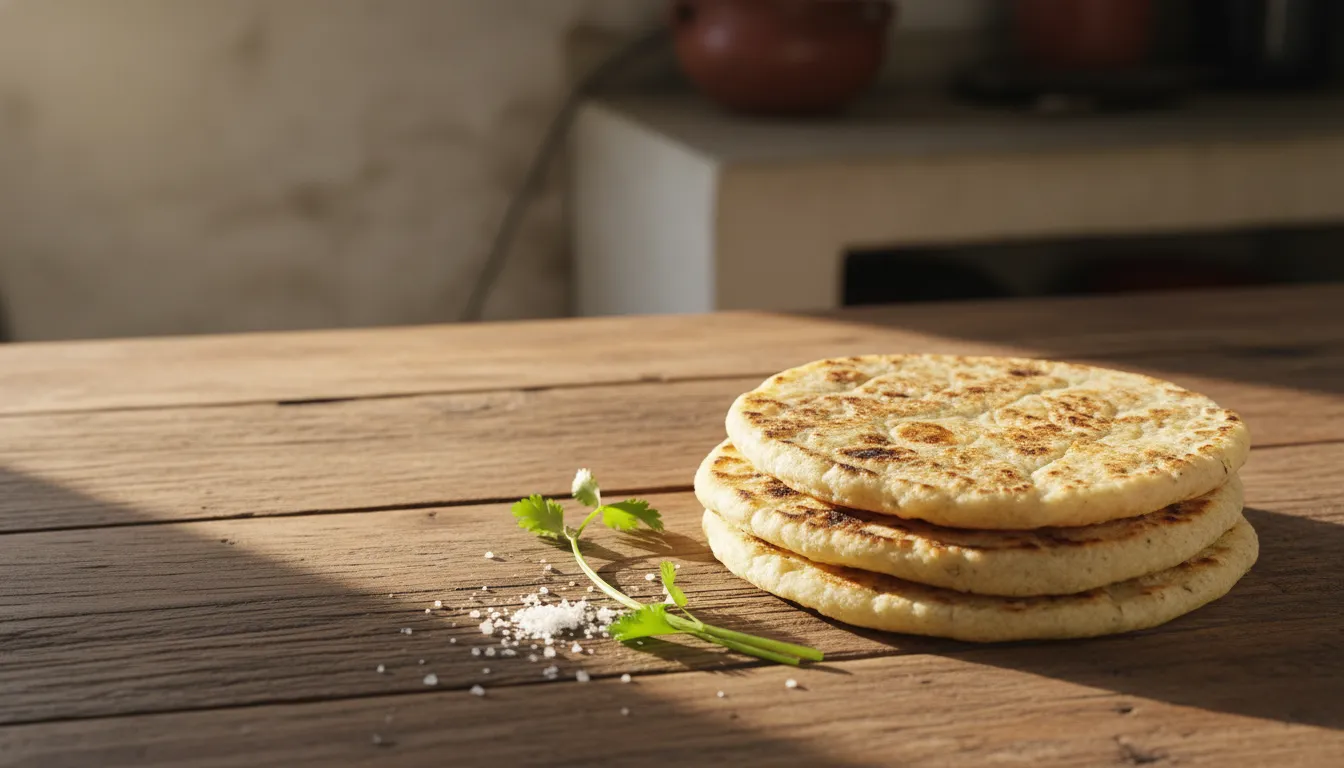
Beyond breakfast, expect hands-on practice with classics that reveal Costa Rica’s coastal-meets-highlands identity. Fresh ceviche teaches you about corvina (sea bass) or dorado (mahi-mahi), the chemistry of citrus “cooking” fish, and why adding culantro instead of cilantro makes all the difference. Traditional tortillas—the thick, hand-formed corn kind, not the thin Mexican version—require technique: the proper masa consistency, the rhythmic palm-patting that shapes them, the exact moment to flip them on the comal. Once you’ve made tortillas from scratch, store-bought versions taste like cardboard regret.
Dessert doesn’t get forgotten. Arroz con leche (rice pudding) emerges as a sweet, cinnamon-scented revelation when made properly—creamy, comforting, and proof that simple ingredients become extraordinary with patience and technique. Many instructors accommodate dietary restrictions thoughtfully, offering vegan versions using coconut milk or gluten-free adaptations that maintain authentic flavors. The beauty of Costa Rican cuisine is its adaptability; these dishes evolved from necessity and resourcefulness, so modifications feel natural rather than forced.
Our kitchen at Jaco Beach Zen gives you the perfect practice space for your new skills—plenty of counter room for prep work, quality cookware, and the sound of waves providing better ambiance than any cooking show soundtrack.
Private Chef, Private Paradise: Tailoring Your Jaco Culinary Experience
Some experiences deserve privacy, and learning Costa Rican cooking secrets in your own vacation rental qualifies. Private chef classes eliminate the variables—no transportation logistics, no keeping pace with strangers, no sharing your instructor’s attention. Instead, you get personalized instruction tailored to your skill level, pace, and interests. Want to spend extra time perfecting your plantain technique? Your chef has nowhere else to be. Curious about family recipes not typically taught in group settings? This is when those gems emerge.
The customization options border on limitless. Many private chefs build entire menus around your preferences and dietary requirements, whether that’s an all-seafood feast showcasing Jaco’s daily catches, a vegetarian journey through Costa Rica’s agricultural abundance, or traditional Tico comfort food your grandmother would approve of. They source ingredients from local suppliers they’ve worked with for years, meaning you’re getting produce and proteins at their absolute peak. The resulting meal isn’t just delicious; it’s a direct connection to Jaco’s food ecosystem.
Retirees and those seeking relaxed experiences particularly appreciate this format. There’s no rushing to meet a class schedule, no physical demands beyond standing comfortably in your own kitchen, and no worry about keeping up with younger, more energetic participants. The chef comes to you, teaches at your preferred pace, and leaves you with both skills and a spectacular meal—often with enough leftovers for tomorrow’s beach picnic.
Jaco Beach Zen’s fully-equipped kitchen and spacious dining areas were designed for exactly these moments. Our kitchen has the counter space, tools, and layout that make hosting a private chef class genuinely comfortable, while the dining area lets you enjoy your creations with ocean views—making your culinary achievement taste even better.
Beyond the Basics: Unique Culinary Adventures in Jaco
Once you’ve conquered the casado, Jaco’s culinary landscape offers adventures that push beyond traditional boundaries. Chocolate-making workshops trace the journey from cacao bean to finished bar, revealing why Costa Rican chocolate commands premium prices internationally. You’ll roast beans, crack shells, grind nibs, and temper chocolate—all while learning about sustainable cacao farming practices that support local communities. The resulting chocolate bars, made entirely by your hands, make gifts that actually impress people back home.
Mixology classes bring Jaco’s tropical abundance into liquid form. Learn to muddle fresh cas (a tart local fruit), balance guaro (Costa Rica’s sugarcane spirit) with natural ingredients, and create cocktails that capture the essence of beach life without the artificial colors. These classes often include trips to local fruit stands, teaching you to select perfect maracuya (passion fruit) or mango at peak ripeness. The skills transfer immediately to your rental’s kitchen, transforming sunset hours into your personal craft cocktail bar.
For maximum adventure integration, some experiences combine cooking with other activities in ways that make perfect sense once you try them. Book a fishing charter, catch your own dorado or tuna, then learn to prepare it multiple ways in an afternoon cooking session. You’ll master ceviche from your morning catch, sear steaks from the same fish for lunch, and understand why “fresh” means something completely different when the ingredient was swimming two hours ago. It’s farm-to-table taken to its logical, oceanic conclusion.
Picking the Perfect Pot: How to Choose Your Jaco Cooking Class
Your ideal cooking class depends entirely on who’s doing the cooking—and we don’t mean the instructor. Family groups need different dynamics than solo travelers or couples. Families benefit from classes specifically designed for mixed ages, with stations where kids handle age-appropriate tasks while adults tackle more complex techniques. These classes move faster, incorporate more activity, and result in dishes kids will actually eat—crucial when you’re feeding picky eaters later.
Couples seeking romance should look for intimate class sizes (four to six people maximum) and evening sessions that transition naturally into candlelit dinners featuring your creations. Solo travelers, conversely, thrive in larger group settings where the shared experience creates instant camaraderie. You’ll leave with recipes and probably dinner plans with new friends—cooking classes are notorious friend-makers.
Reviews reveal truth, but local recommendations reveal reality. Ask your Uber driver, your surf instructor, or the woman running your favorite soda (small local restaurant) which cooking classes they’d attend themselves. The answer differs from what TripAdvisor suggests, usually pointing toward smaller operations run by families rather than established tourism companies. These hidden gems often offer more authentic experiences at better prices, though they require more advance booking and flexible scheduling.
Sustainability matters more than marketing suggests. Classes emphasizing local farmer relationships, seasonal ingredients, and minimal waste aren’t just virtue signaling—they’re teaching you cooking that actually works in Costa Rica’s agricultural reality. You’ll learn recipes based on what’s available now, not what some imported cookbook demands, making your skills immediately applicable during your stay and adaptable when you return home to different seasons and ingredients.
Frequently Asked Questions
Are Jaco culinary classes suitable for beginners?
Absolutely—most classes assume zero cooking experience and start with basics. Instructors expect participants who can’t dice an onion properly and build skills from there. You’ll learn knife techniques, heat management, and ingredient selection alongside the recipes themselves. The relaxed atmosphere means mistakes become learning moments rather than embarrassments. Even if you’ve never cooked beyond microwave meals, you’ll leave confident enough to recreate these dishes independently.
Can I find cooking classes in Jaco that cater to dietary restrictions like vegan or gluten-free?
Yes, though advance communication is essential. Costa Rican cuisine adapts naturally to plant-based diets since beans, rice, plantains, and vegetables form the foundation anyway. Many instructors offer vegan gallo pinto, dairy-free arroz con leche using coconut milk, and naturally gluten-free tortillas from corn masa. Contact class operators beforehand detailing your restrictions; reputable ones will confirm they can accommodate you or honestly admit they can’t, saving everyone’s time.
What’s the typical duration and cost of a cooking class in Jaco?
Most group classes run three to four hours, including market tours when offered, hands-on cooking, and eating your creations. Expect to pay $65-$95 per person for standard group classes, $120-$180 for classes with market tours or special focuses like chocolate-making. Private chef experiences start around $200 for two people and scale up based on menu complexity and group size. These prices typically include all ingredients, instruction, and the meal itself—decent value considering restaurant meal costs.
Do cooking classes in Jaco include a market tour?
Some do, some don’t—it varies by operator and class type. Market tours add 60-90 minutes to the experience and typically increase costs by $20-$30 per person. They’re absolutely worth it if you’re interested in ingredients and local food culture beyond just cooking techniques. Classes without market tours often pre-source ingredients, allowing more time for actual cooking instruction. Check specific class descriptions or ask when booking if the market experience matters to you.
Are cooking classes in Jaco kid-friendly?
Many classes welcome children, though age minimums vary—typically 6-8 years old for safety reasons involving knives and hot surfaces. Family-focused classes assign age-appropriate tasks: kids might mash beans, shape tortillas, or mix ingredients while adults handle chopping and stove work. Some operators offer dedicated family classes during school holidays. Always confirm kid-friendliness when booking and mention children’s ages; instructors can then prepare suitable activities and adjust complexity accordingly.
What are the most common traditional dishes taught in Jaco cooking lessons?
Gallo pinto appears in virtually every class—it’s Costa Rica’s edible identity. Ceviche follows closely, capitalizing on Jaco’s coastal location and fresh seafood access. Traditional tortillas, patacones (fried plantain rounds), picadillo (vegetable hash), and arroz con leche round out the standard curriculum. Some classes include casados (traditional plate combinations) or olla de carne (beef and vegetable stew). The specific menu depends on the instructor’s specialties and seasonal ingredient availability.
Bahía Azul, unit 7C sits right on this stretch of sand — on the quiet south end of Jacó, a few hundred feet from the water.
Book on Airbnb