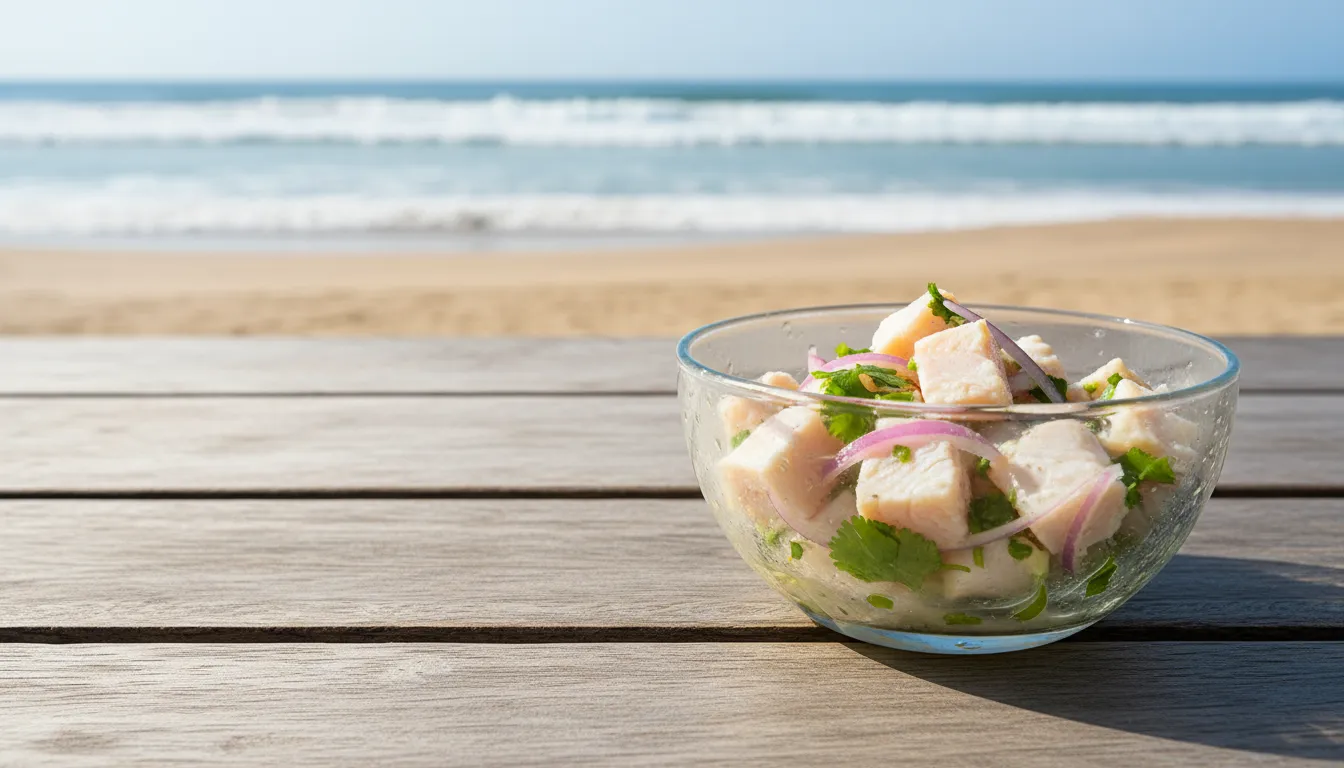
Let’s get one thing straight: you didn’t fly to Costa Rica to eat at the same chain restaurants you’d find back home. Jaco Beach’s food scene is a riotous blend of Pacific-fresh seafood, traditional Tico cooking, and culinary experiments from expats who decided surfing and cooking were equally worthy life pursuits. A proper food tour here isn’t just about stuffing your face (though that’s definitely part of it)—it’s about understanding why that ceviche tastes better when the fisherman who caught it is eating lunch three tables over. Whether you’re joining an organized walking tour or creating your own gastronomic adventure, this guide will help you eat your way through Jaco like someone who actually lives here. Spoiler: the best meals rarely have English menus.
Why a Jaco Food Tour is More Than Just Eating (It’s an Education, Really)
Here’s the thing about wandering into random restaurants in a beach town: you’ll either stumble onto something magnificent or end up with overpriced, under-seasoned fish that insults both you and the ocean. A Jaco food tour eliminates that lottery system, delivering you straight to the kitchens where locals actually eat. Think of it as having a friend who’s lived here for years, knows which ceviche stand uses yesterday’s catch versus this morning’s, and can translate the menu items that don’t appear in your pocket Spanish dictionary.
Beyond the obvious “eating delicious things” benefit, these tours function as cultural immersion with tangible rewards. You’ll learn why gallo pinto isn’t just rice and beans (it’s a philosophy), discover the proper lime-to-cilantro ratio in authentic ceviche, and hear stories about Jaco’s evolution from sleepy fishing village to international surf destination—all while your taste buds get a Costa Rican education. The guides typically live here, which means they’re sharing genuinely insider knowledge, not rehearsed tourist spiels.
For families, it’s also a brilliant way to ease into Jaco’s rhythm without the pressure of planning every meal. Kids get variety, parents get local expertise, and everyone gets to walk off the calories between stops. Digital nomads appreciate the networking opportunities—food tours attract other travelers, and you never know when you’ll meet your next co-working buddy over a shared plate of plantain chips. Plus, it breaks up those beach-and-laptop days with some productive field research into the local food economy.
The Taste of Jaco: Navigating Tours and Finding Your Flavor Tribe
Most organized food tours in Jaco follow a similar blueprint: 2.5 to 3 hours, hitting 4-5 carefully selected spots that represent the town’s culinary personality. The Taste of Jaco walking tour, for instance, has perfected this formula, taking groups through a cross-section of establishments ranging from family-run sodas to contemporary fusion spots. These aren’t marathon eating sessions that leave you comatose; they’re structured as manageable tastings with easy strolls between locations, perfect for anyone who prefers their adventures palatable rather than punishing.
What separates a good food tour from a mediocre one is the narrative thread. The best guides don’t just drop you at restaurants—they explain how Jaco’s transformation from fishing village to surf hub created this particular food ecosystem. You’ll hear about the early surfers who stayed and opened kitchens, the Tico families who’ve been serving casados for three generations, and the immigrant chefs who brought international flavors that somehow work perfectly with local ingredients. It’s food as storytelling, with each bite serving as a delicious footnote to Jaco’s cultural evolution.
Timing matters here. Most tours operate in late morning or early evening, avoiding the midday heat that makes walking less pleasant and digestion more questionable. Book during the week if possible—weekends can get crowded, which means longer waits at popular stops and less intimate interactions with owners and chefs. Group sizes vary, but smaller tours (under 10 people) generally offer better access and conversation. Ask about group composition when booking; some tours cater specifically to families, while others attract more couples or solo travelers.
Beyond the Tour: Essential Jaco Bites You Can’t Miss (Your Self-Guided Adventure Handbook)
Even if formal tours aren’t your style, certain dishes define the Jaco eating experience with such authority that skipping them feels like visiting Paris and avoiding croissants. Start with ceviche, which isn’t just popular here—it’s practically a religious practice. Authentic Jaco ceviche typically features local seabass (corvina), marinated in fresh lime juice with cilantro, onion, and sometimes a hint of chili. The good stuff arrives in a chilled glass or bowl, tangy and bright, with fish so fresh it was probably swimming this morning. During local festivals, you’ll find creative versions incorporating mango, pineapple, or passion fruit—embrace the experimentation.
For the serious seafood enthusiasts among you, here’s an insider move: hit the Herradura fishing dock early morning (we’re talking 6 AM) when boats return with the day’s catch. You can buy fish directly from fishermen at prices that make restaurant markups painful to contemplate. Snapper, dorado, tuna—whatever came up in the nets that morning. It’s not technically a food tour, but it’s an unmissable local experience that connects you directly to Jaco’s fishing heritage. Just bring cash and be prepared to negotiate in Spanish (or use enthusiastic hand gestures).
Now, if you’ve got those fresh fish fillets and you’re wondering what to do with them, this is where your accommodation matters. Your Jaco Beach Zen suite comes with a fully equipped kitchen, perfect for turning market finds into a gourmet meal. There’s something deeply satisfying about cooking fish you bought directly from the person who caught it, seasoned with herbs from the farmers market, in a kitchen with ocean views. Just saying—sometimes the best food tour is the one you create yourself.
Don’t sleep on casado, the national dish that appears on every soda menu. It’s rice, beans, plantains, salad, and your choice of protein, but that description doesn’t capture its soul. A proper casado is comfort food that makes sense in the tropics—filling but not heavy, flavorful but not complicated, cheap but not compromised. Order it at lunch for the full experience, ideally at a soda where the grandmother cooking it has been perfecting her recipe since before you were born.
Street Food Smarts: How to Eat Your Way Through Jaco Safely and Savvily
Jaco’s street food scene runs the delicious gamut from empanadas to fresh-fruit batidos, chifrijo (rice and beans with pork and pico de gallo) to elote (grilled corn slathered in mayo, cheese, and chili). The question isn’t whether you should partake—of course you should—but how to do it without spending your vacation intimately acquainted with bathroom fixtures. Common sense is your best defense: look for busy stalls with high turnover, which signals both popularity and freshness. If locals are lined up, join them.
Water safety deserves its own paragraph because it’s that important. Stick to bottled water and ice from reputable sources. That fresh juice looks incredible, but if it’s made with tap water ice, your digestive system might stage a revolt. Most established street vendors use purified water, but when in doubt, ask. Your stomach will thank you for being cautious rather than optimistic. The same logic applies to raw vegetables in street salads—delicious, yes, but only if washed in purified water.
For digital nomads planning to work while eating (because why not maximize efficiency?), some street food areas surprisingly offer decent WiFi. The public plaza near the beach has free internet, making it possible to knock out emails while savoring gallo pinto from a nearby cart. Just maintain awareness of your surroundings—laptop theft is rare but not impossible, and you can’t blame a thief for being attracted to someone distracted by both their screen and their tacos. Pack light, keep valuables close, and consider your street food adventure a working lunch with excellent ambiance.
Pro tip: bring small bills. Most street vendors can’t break a 10,000 colón note for a 2,000 colón empanada, and there’s nothing more awkward than holding up the line while someone runs to find change. Having exact change marks you as savvy rather than tourist, plus it speeds up transactions when you’re hungry.
From ‘Sodas’ to Fine Dining: Jaco’s Restaurant Eclecticism, Decoded
Jaco hosts hundreds of eateries spanning the spectrum from humble family-run sodas to swanky establishments where the wine list requires reading glasses. Understanding this range helps you match restaurants to occasions rather than stumbling through trial and error.
Local sodas are your gateway to authentic Costa Rican cooking at prices that almost feel like theft (in your favor). These small, family-operated spots serve traditional fare—casados, arroz con pollo, olla de carne—in no-frills environments where the focus is purely on food rather than atmosphere. Don’t be deterred by the lack of English menus or Instagram-worthy decor; these are culinary goldmines where a full lunch costs less than a fancy coffee back home. The best sodas are often hidden in residential areas or tucked into strip malls, which is why food tours are so valuable—they know which ones to trust.
Mid-range restaurants offer more varied menus, often blending Costa Rican staples with international influences. This is where you’ll find Tico-style burgers, fresh fish prepared multiple ways, creative salads, and fusion experiments that work surprisingly well. These spots typically have English-speaking staff, accept credit cards, and maintain the comfortable middle ground between authentic and accessible. Perfect for families wanting variety or groups with diverse preferences.
High-end dining in Jaco takes itself seriously without being pretentious. Japanese fusion restaurants serving sashimi from this morning’s catch, Caribbean-influenced seafood with complex spice profiles, Argentine steakhouses with imported cuts—the international diversity reflects Jaco’s expat population and tourist demographics. Make reservations, especially during peak season (December through April), because the best tables fill quickly. These establishments justify their prices with quality ingredients, skilled preparation, and ambiance that makes them ideal for special occasions or when you’re simply tired of casual beachwear dining.
The real joy of Jaco’s restaurant scene is its lack of food snobbery. You can eat a 2,000 colón casado for lunch and a 25,000 colón tasting menu for dinner without anyone questioning your choices. Variety isn’t just accepted here—it’s encouraged.
Frequently Asked Questions
Are Jaco Beach food tours suitable for kids?
Absolutely, and kids often enjoy them more than adults expect. Most tours keep walking distances short, include familiar foods alongside adventurous options, and operate during reasonable hours. The interactive nature—meeting chefs, watching food preparation, learning about ingredients—engages children better than sitting through traditional restaurant meals. Just verify with tour operators about specific age recommendations, as some cater more to families while others target adults. Smaller kids might tire during 3-hour tours, so consider their stamina.
What kind of food can I expect on a Jaco food tour?
Typical tours showcase a range from traditional Costa Rican dishes like gallo pinto, casados, and ceviche to more contemporary fusion offerings reflecting Jaco’s international influences. Expect fresh seafood given the coastal location, tropical fruits, traditional sodas, and possibly international spots run by expat chefs. Most tours accommodate dietary restrictions with advance notice, though Costa Rican cuisine is naturally heavy on rice, beans, and meat. Vegetarians should specifically ask about options when booking to ensure adequate variety.
Is Jaco Beach street food safe to eat?
Generally yes, with sensible precautions. Choose busy vendors with high turnover, ensuring fresh ingredients and proper food handling. Avoid raw vegetables unless you’re confident they’re washed in purified water. Stick to bottled water and verified ice sources. Cooked-to-order items like empanadas or grilled meats are typically safer than pre-prepared foods sitting out. Your digestive system needs time adjusting to new environments, so ease in gradually rather than immediately challenging it with the spiciest street taco available. Most visitors eat street food without issues.
How much do food tours in Jaco Beach typically cost?
Organized walking food tours generally range from $65-95 USD per person, typically including 4-5 food stops, beverages, and guide services over 2.5-3 hours. Private tours cost more but offer customization. Self-guided eating adventures obviously cost only what you consume—budget $15-30 USD for a generous sampling of street food and soda meals, or $50+ if including nicer restaurants. Tour prices usually represent good value considering the quantity of food, local knowledge, and time saved researching restaurants yourself. Children’s rates sometimes available.
Can I find vegetarian or vegan options on a food tour in Jaco?
Yes, though you’ll need to communicate dietary needs when booking. Costa Rican cuisine relies heavily on beans, rice, plantains, and tropical fruits, providing natural vegetarian foundations. Many restaurants offer plant-based adaptations of traditional dishes. Vegan options exist but require more specific requests—cheese and eggs appear frequently in Costa Rican cooking. Tour operators can usually accommodate with advance notice, though the selection might be less varied than omnivore options. Independent eating offers more flexibility to seek out specifically vegetarian establishments.
What’s the best time of day for a food tour in Jaco Beach?
Late morning (10-11 AM start) or early evening (4-5 PM start) work best, avoiding midday heat and aligning with Costa Rican eating schedules. Morning tours let you experience breakfast traditions and end before lunch, leaving afternoons free. Evening tours showcase dinner culture and often include sunset views at coastal spots. Consider your personal schedule—morning tours suit early risers and families, while evening tours appeal to those sleeping late after nightlife adventures. Weather-wise, dry season (December-April) offers more predictable conditions.
Do I need to book a food tour in advance for Jaco Beach?
Highly recommended, especially during peak season when tours fill quickly. Popular operators limit group sizes for better experiences, meaning last-minute bookings often aren’t available. Booking ahead also allows communicating dietary restrictions, scheduling preferences, and securing preferred dates. Low season offers more flexibility, but advance booking still ensures availability and gives operators time to prepare. Most accept online reservations with straightforward cancellation policies. Walk-up availability is unpredictable and risks disappointment after planning your day around a specific tour.
Are there cooking classes available in Jaco Beach?
Yes, several operators offer Costa Rican cooking classes ranging from traditional techniques to fusion approaches. These typically include market visits for ingredient selection, hands-on preparation of multiple dishes, and eating your creations. Classes last 3-4 hours and cost $75-120 USD per person. Some focus specifically on seafood given Jaco’s coastal location, while others emphasize traditional Tico home cooking. Cooking classes complement food tours perfectly—the tour shows you what to eat, the class teaches you how to recreate it back home.
Bahía Azul, unit 7C sits right on this stretch of sand — on the quiet south end of Jacó, a few hundred feet from the water.
Book on Airbnb