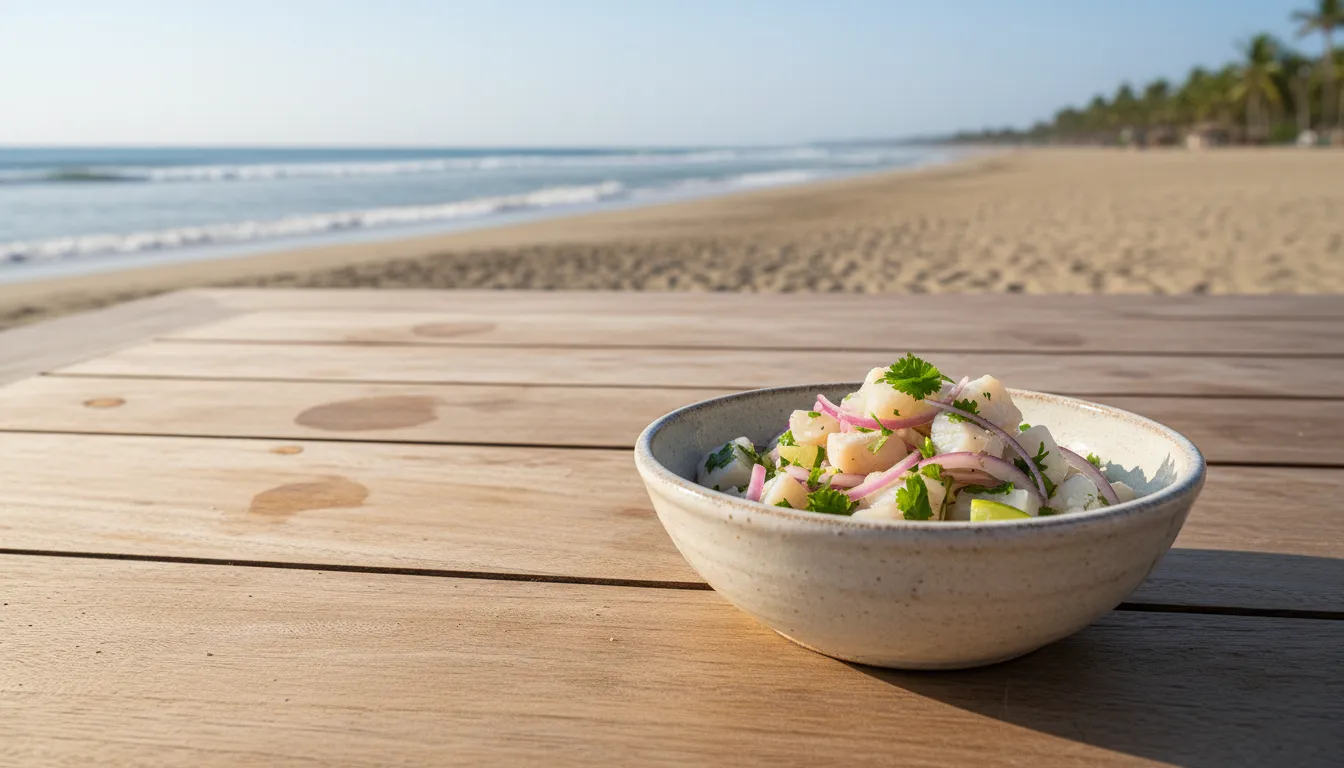
Jaco’s food scene doesn’t follow the typical beach town script. Sure, you’ll find beachside fish tacos and sunset cocktails, but dig a little deeper and you’ll discover a culinary landscape that spans everything from third-generation sodas serving casados to innovative fusion kitchens run by expat chefs who fell in love with the local ingredients. The best part? Most of the genuinely good spots sit within a fifteen-minute walk of each other, making Jaco one of Costa Rica’s most concentrated food destinations. Whether you’re hunting for the perfect ceviche, curious about traditional Tico cooking, or ready to explore the street food scene that locals actually frequent, this guide cuts through the tourist traps and points you toward the plates worth your time.
The Traditional Costa Rican Foundation: Understanding the Casado
Before you dive into Jaco’s more adventurous culinary offerings, you need to understand the casado—Costa Rica’s national dish and the benchmark by which locals judge any restaurant claiming to serve traditional food. The name translates to “married man,” supposedly because it contains everything a wife would pack for her husband’s lunch: rice, black beans, plantains, salad, and your choice of protein. It’s humble, filling, and when done right, reveals the subtle art of Tico home cooking.
The best casados in Jaco come from family-run sodas, not the tourist-facing restaurants along the main strip. Soda Rustico, tucked behind the municipal market, serves a chicken casado that’s become something of a local legend—perfectly seasoned rice cooked with culantro (not cilantro, despite what the translation apps say), beans that haven’t been sitting in a steam tray since breakfast, and plantains fried to order. The portions could feed two people, and the price hovers around $6. Soda Garabito, near the northern end of town, offers a similar experience with the added bonus of a breakfast casado that includes gallo pinto, eggs, and natilla (Costa Rican sour cream).
What makes a casado exceptional isn’t complexity—it’s freshness and balance. The rice should be fluffy with distinct grains, the beans should have body without being mushy, and the salad (typically cabbage-based) should provide enough acidity to cut through the richness of everything else. Once you’ve tasted a proper casado, you’ll understand why Ticos eat this combination nearly every day without complaint.
Jaco’s Seafood Scene: Beyond the Tourist Tide
Given Jaco’s coastal location, seafood dominates the restaurant landscape—but quality varies wildly. The waterfront places with picture menus? Usually overpriced and underwhelming. The real seafood action happens at spots where fishing boats still pull up at dawn and chefs build menus around what’s actually fresh that day.
La Ostra serves the town’s best ceviche, prepared in the traditional Peruvian style with corvina (sea bass), lime juice that’s actually freshly squeezed, red onion, and just enough aji pepper to wake up your palate without overwhelming it. They also do an excellent pulpo al olivo (octopus in olive sauce) that showcases proper technique—tender enough to cut with a fork, with char marks from a genuinely hot grill. The atmosphere skews casual-upscale, making it ideal for when you want quality without stuffiness.
For a more local experience, the pescado entero (whole fried fish) at El Barco de Mariscos represents Costa Rican seafood at its most straightforward. They’ll bring you an entire red snapper, fried crispy with garlic and served with rice, beans, and patacones (twice-fried plantains). You pick the bones out yourself, which somehow makes the experience more satisfying. Thursday and Friday afternoons, they sometimes have langostinos (prawns) that were swimming in Herradura Bay that morning.
The emerging star of Jaco’s seafood scene is Latitude 9, where a Canadian chef applies fine-dining techniques to local catch. The tuna tataki comes with a tamarind-ginger glaze that shouldn’t work but absolutely does, and the coconut-crusted mahi-mahi manages to be indulgent without feeling heavy in the tropical heat. Reservations recommended, especially during high season.
Street Food and Market Culture: Where Locals Actually Eat
Jaco’s street food scene operates on a schedule that tourists often miss. The best action happens early morning (6-9 AM) and late afternoon (4-7 PM), when locals are grabbing breakfast or post-work snacks. The municipal market, officially called Mercado Municipal but known to everyone simply as “el mercado,” anchors the whole operation.
Inside the market, vendors sell everything from fresh produce to cheap clothing, but the real draw is the prepared food section. Doña Maria’s empanadas, filled with either picadillo (spiced ground beef with vegetables) or cheese, are legendary among Jaco residents. She makes the dough fresh every morning, and by 10 AM she’s usually sold out. Two empanadas and a fresh juice cost about $3 total.
Just outside the market’s north entrance, a rotating cast of vendors sets up carts selling everything from tamales to churros. The tamal lady (ask for “la señora de los tamales” and someone will point you in the right direction) appears every Saturday morning with both sweet and savory versions wrapped in banana leaves. The savory ones contain chicken, rice, vegetables, and a slightly spicy masa that’s comfort food in its purest form.
For a quintessential Tico street food experience, hunt down the arreglados cart that parks near the bus station most weekday afternoons. Arreglados are sandwiches on sweet bread rolls filled with meat, cheese, pickled vegetables, and mayo—sounds simple, but the contrast between sweet bread and savory filling creates something genuinely craveable. The cart operator, Jorge, has been making them the same way for fifteen years, and he’ll remember your order after you visit twice.
If you’re staying at Jaco Beach Zen, you’re close enough to walk to the market in about ten minutes, making morning empanada runs ridiculously convenient. Grab breakfast, explore the produce section for fresh tropical fruit, and you’ll experience a slice of Jaco that most visitors never see.
Coffee and Chocolate: Costa Rica’s Double Crown
Costa Rica built its agricultural reputation on coffee and cacao, and Jaco offers several ways to dive into both. The coffee scene has evolved beyond simple brew-and-serve operations into proper tasting experiences that explain terroir, processing methods, and roasting profiles.
Oh La La Café, run by a French expat with serious coffee credentials, sources beans from small farms in Tarrazú and the Central Valley. Their cupping sessions (offered Tuesday and Thursday mornings by reservation) walk you through the differences between washed and honey-processed beans, altitude’s impact on flavor, and why Costa Rican coffee tastes distinctly different from Colombian or Ethiopian varieties. Even if you’re not a coffee nerd, the crash course in what you’re actually tasting makes every subsequent cup more interesting.
For chocolate, Titi Cacao offers farm-to-bar tours that start at their small cacao plantation outside town. You’ll see the pods on the trees, learn the fermentation process, and eventually participate in making chocolate from beans you helped roast. The three-hour tour ends with a tasting of their finished bars, ranging from 70% dark to milk chocolate with sea salt. It’s touristy in the best sense—educational, delicious, and genuinely representative of Costa Rican agricultural traditions.
Side Street Café combines both worlds with a breakfast menu built around excellent coffee and house-made chocolate granola. Their cortado uses beans from Don Mayo’s farm in Talamanca, and it’s strong enough to taste the chocolate and caramel notes without needing sugar. The café sits in a quiet neighborhood off the main drag, making it ideal for mornings when you want good coffee without the beach-town chaos.
Fusion and Innovation: Where Chefs Get Creative
Jaco’s expat community includes a surprising number of trained chefs who’ve traded restaurant careers in North America or Europe for the beach town lifestyle. The result is a fusion scene that works because it’s rooted in respect for local ingredients rather than gimmicky combinations.
Graffiti Restro Café and Wine Bar exemplifies this approach. The menu changes based on what’s available at the market, but expect things like corvina ceviche with coconut milk and passion fruit, or hearts of palm risotto that treats the local vegetable as a star ingredient rather than a salad afterthought. The wine list is legitimately good—a rarity in Central American beach towns—with bottles from Argentina and Chile that pair well with tropical flavors.
Lemon Zest takes Asian fusion seriously, applying Thai and Vietnamese techniques to Costa Rican seafood and produce. Their tom yum goong uses local prawns and lemongrass grown in the chef’s backyard garden. The pad thai, made with rice noodles imported from Thailand but loaded with Jaco-caught shrimp, somehow tastes both authentic and distinctly local. Vegetarians will appreciate that the tofu dishes actually taste good, not like sad afterthoughts.
For something completely unexpected, El Hicaco combines Italian technique with Tico ingredients. The owner spent years working in Rome before returning to Costa Rica, and his restaurant reflects that hybrid identity. The seafood pasta uses squid ink from local cuttlefish, the tiramisu incorporates Costa Rican coffee liqueur, and the pizza dough ferments with a sourdough starter that’s been fed Central Valley flour for five years. It shouldn’t work as well as it does.
Food Tours: Letting Someone Else Do the Research
If navigating Jaco’s food scene solo feels overwhelming, several operators offer structured culinary tours that hit genuine highlights rather than commission-paying tourist traps. Jaco Food Tours runs a three-hour walking tour that includes stops at a traditional soda, the municipal market, a ceviche spot, and ends with coffee and chocolate tasting. The guide, Alejandra, grew up in Jaco and provides context that goes beyond just food—she’ll explain why certain dishes exist, how immigration has influenced local cuisine, and which restaurants locals actually frequent for special occasions.
The tour costs about $65 per person and includes all food and drinks. Groups stay small (maximum eight people), so you’re not part of a massive tourist herd. The pace is relaxed enough to ask questions and actually taste what you’re eating rather than rushing to the next stop. They also accommodate dietary restrictions with advance notice, which matters if you’re vegetarian or gluten-free.
For a more specialized experience, Costa Rica Chocolate Tours offers a half-day combination of chocolate making, coffee tasting, and a visit to a small organic farm where you’ll see how vanilla, cinnamon, and other spices grow. It’s more educational than the general food tour but still includes plenty of eating. The farm visit reveals how much work goes into ingredients that most people take for granted.
Practical Tips for Eating Well in Jaco
Timing matters in Jaco’s restaurant scene. Lunch runs from 11:30 AM to 2 PM, and many sodas close by 3 PM. Dinner service starts around 6 PM, but kitchens stay open later than in other Costa Rican towns—a concession to the tourist economy and surf schedule. If you’re eating at upscale places during high season (December through April), reservations aren’t just recommended, they’re often necessary.
Pricing spans a wide range. A typical soda meal costs $5-8, mid-range restaurants charge $12-20 per entrée, and upscale spots run $25-40 for main courses. Tipping isn’t mandatory—most bills include a 10% service charge—but leaving a bit extra for exceptional service is appreciated. Many places accept cards, but smaller sodas and street vendors prefer cash.
The [local dining scene](/Activities & Experiences/local-dining-scene) extends beyond just Jaco proper. Hermosa Beach, about ten minutes south, has its own collection of beachfront restaurants worth exploring, and Herradura, fifteen minutes north, offers additional options in a quieter setting. Exploring [Jaco and surrounding areas](/Activities & Experiences/explore-jaco-and-surrounding-areas) means discovering food spots that don’t show up in typical tourist guides.
Food safety in Jaco is generally solid. The ice is safe (it’s made from purified water), produce gets washed properly at reputable establishments, and street food vendors maintain cleanliness standards that won’t wreck your vacation. That said, if a place looks questionable, trust your instincts. But don’t avoid street food entirely out of fear—you’ll miss some of the best eating in town.
Frequently Asked Questions
What are the must-try traditional Costa Rican dishes in Jaco?
The casado remains essential—rice, beans, plantains, salad, and protein served together on one plate. Gallo pinto (rice and beans cooked together) anchors breakfast at every soda. Ceviche, while originally Peruvian, appears on nearly every menu and showcases Costa Rica’s fresh seafood. Patacones (fried green plantains) work as both snack and side dish. Don’t skip tamales when you find them—the masa-based packets wrapped in banana leaves contain either savory meat fillings or sweet corn variations.
Where can I find the best ceviche in Jaco?
La Ostra serves the town’s highest-quality ceviche, prepared Peruvian-style with corvina, fresh lime juice, and proper technique. For a more local experience, El Barco de Mariscos offers generous portions at lower prices. The ceviche cart at the municipal market operates weekend mornings and serves the version Ticos actually eat—simple, fresh, and served in a plastic cup with saltine crackers. Each style has merit depending on whether you want refinement or authenticity.
Are there good vegetarian or vegan options in Jaco?
More than you’d expect. Soda Rustico and most traditional spots serve vegetarian casados loaded with rice, beans, plantains, and salad. Lemon Zest offers several tofu-based dishes that actually taste intentional rather than apologetic. Graffiti Restro Café marks vegetarian items clearly and can modify most dishes. The municipal market sells fresh fruit, and several juice stands make batidos (smoothies) with no dairy. Vegan-specific options are limited but growing—your best bet is communicating dietary needs clearly when ordering.
What’s the typical cost of a meal in Jaco?
Sodas and local spots charge $5-8 for a full meal including a drink. Mid-range restaurants run $12-20 per entrée, not including beverages or appetizers. Upscale dining reaches $25-40 for mains, with wine adding significantly to the bill. Street food and market vendors offer the best value—empanadas cost about $1 each, and tamales run $2-3. A couple eating at varied price points throughout a week can expect to spend $40-60 daily on food, less if you favor local spots.
Do I need reservations at Jaco restaurants?
Depends on season and restaurant type. High season (December-April) weekends require reservations at upscale places like Latitude 9, Graffiti Restro Café, and El Hicaco. Sodas and casual spots never need reservations—they operate first-come, first-served. Green season (May-November) is more relaxed, though popular places still fill up Friday and Saturday nights. Calling ahead takes five minutes and prevents disappointment, especially if you’re set on a specific restaurant.
Are Jaco food tours worth the cost?
Absolutely, especially if you’re short on time or want curated experiences. Jaco Food Tours provides context and access that solo exploration might miss—guides know which market vendors offer the best quality, which sodas maintain consistent standards, and how to navigate menus when you don’t speak Spanish. The $65 cost includes enough food to constitute lunch plus educational value. For DIY travelers who enjoy research and spontaneity, exploring independently works fine. For efficiency and local knowledge, tours deliver value.
What food items should I bring back from Jaco?
Coffee tops the list—buy beans from Oh La La Café or Side Street Café rather than airport shops. Titi Cacao’s chocolate bars travel well and taste distinctly Costa Rican. Lizano salsa (the tangy sauce on every Tico table) comes in small bottles perfect for luggage. Local honey from the municipal market offers unique flavor profiles. Avoid bringing back fresh produce or meat products due to customs restrictions. Vacuum-sealed coffee and sealed chocolate create zero problems at customs.
How does Jaco’s food scene compare to other Costa Rican beach towns?
Jaco offers more variety and sophistication than most comparable-sized beach towns. Tamarindo has similar diversity but higher prices overall. Manuel Antonio skews heavily toward tourist-focused restaurants with less authentic local cuisine. Puerto Viejo offers great Caribbean-influenced food but less international variety. Jaco’s proximity to San Jose means better ingredient access and more competition, resulting in a food scene that punches above its weight. The combination of authentic sodas and innovative restaurants creates range you won’t find in smaller coastal towns.
Is it safe to eat street food in Jaco?
Yes, with basic awareness. Vendors who’ve operated for years maintain standards that keep customers returning—food safety matters to their livelihood. Look for vendors with steady customer flow, which indicates freshness and reliability. The municipal market vendors serve food they’d eat themselves. Avoid anything that’s been sitting uncovered in the sun for hours. Ice and water at established vendors use purified sources. Thousands of locals eat street food daily without issue. If you’re particularly cautious, stick to cooked items rather than raw preparations, but honestly, the ceviche from the market cart is safe.
What’s the best time to visit Jaco’s food markets?
Early morning offers the freshest selection and best prepared food options. The municipal market opens around 6 AM, and by 8 AM you’ll find the full range of vendors operating. Doña Maria’s empanadas sell out by 10 AM most days. The tamal vendor appears Saturday mornings around 7 AM. Afternoon markets (4-6 PM) have less selection but still offer good street food options when vendors set up outside the market. Sundays see reduced market activity, with many vendors taking the day off. Thursday through Saturday mornings provide the most vibrant market experience.
Bahía Azul, unit 7C sits right on this stretch of sand — on the quiet south end of Jacó, a few hundred feet from the water.
Book on Airbnb