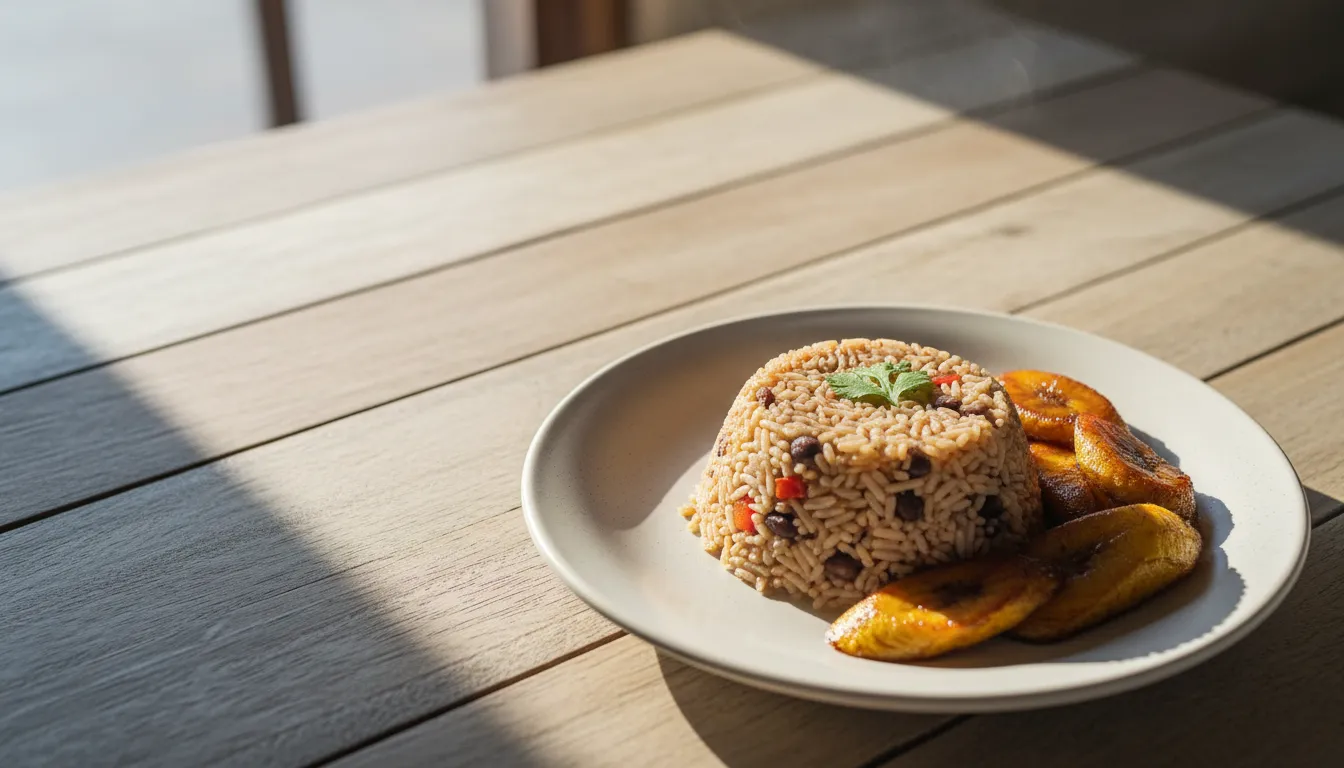
Let’s be honest: Jaco has a reputation as a surf-and-party town, which means plenty of pizza joints and burger bars catering to tourists who just want something familiar after a day on the waves. But here’s what the guidebooks won’t tell you—tucked between the beachfront restaurants with laminated menus are some seriously authentic Costa Rican eateries where the locals actually eat. We’re talking about places where your casado costs less than a cocktail, where the gallo pinto is made from a recipe passed down three generations, and where the ceviche is so fresh it was probably swimming this morning. If you’re staying close enough to wander downtown but far enough to hear the waves, you’re perfectly positioned to explore Jaco’s real culinary soul. This isn’t about finding the fanciest plate or the most Instagram-worthy presentation—it’s about discovering the hearty, humble, absolutely satisfying food that makes Costa Rica taste like pura vida.
First Things First: What Exactly Is Costa Rican Cuisine in Jaco?
Forget Michelin stars and farm-to-table buzzwords. Costa Rican cuisine in Jaco is beautifully straightforward—it’s about comfort food that sticks to your ribs after a morning surf session and doesn’t require a second mortgage to enjoy. The term you’ll hear everywhere is ‘comida típica,’ which translates to typical food, but there’s nothing ordinary about a well-executed casado when you’re ravenous and sun-drenched.
The casado is the undisputed king of Costa Rican lunches. Picture this: a plate generously piled with rice, black beans, a simple cabbage salad (often with tomatoes and a squeeze of lime), sweet plantains, and your choice of protein—grilled chicken, fish, pork, or beef. It’s the ultimate fuel for exploring, surfing, or simply existing in tropical humidity. You’ll find casados at nearly every local soda for somewhere between $5-8, which is a steal considering you’ll probably need a nap afterward.
What makes Jaco’s food scene particularly interesting is the coastal influence. Being a Pacific beach town means seafood shows up everywhere—in ceviches sold from beach kiosks, in whole fried snappers at family restaurants, and in the daily specials that change based on what the fishermen brought in that morning. The cuisine here isn’t trying to be revolutionary; it’s just reliably delicious, affordable, and deeply satisfying in a way that fancy restaurants rarely achieve.
Sodas: Your Happily Un-Fancy, Family-Run Food Havens
If you want to understand Costa Rican food culture, you need to understand sodas. These aren’t trendy soda fountains or hipster cafes—they’re the heartbeat of local eating. Think of them as family kitchens that decided to open their doors to the public, where generations-old recipes are still king and the décor hasn’t changed since 1987. They’re typically no-frills, often loud with the clatter of dishes and conversation, and absolutely bursting with authentic flavor.
Our top pick? Soda Jaco Rústico. It’s cafeteria-style, which means you grab a tray, point at what looks good behind the glass counter, and try not to over-order (you will anyway). It’s a bit chaotic during lunch rush, with locals elbowing past tourists who are still trying to decipher the menu board. But this organized chaos is exactly what makes it essential for experiencing authentic Tico dishes like arroz con pollo, olla de carne (a surprisingly delicious beef stew with yuca and plantains), or a proper casado where the beans actually taste like they were seasoned with love. Don’t be intimidated if the line is long—it moves faster than you’d think, and the payoff is absolutely worth it.
For families traveling with kids, sodas are genuinely a godsend. There’s zero pretension, portions are kid-friendly (and cheap enough that you won’t cry if they don’t finish), and there’s usually plenty of space for the inevitable mid-meal wandering that children excel at. Plus, it’s a fantastic way to introduce picky eaters to new flavors without the pressure of a fancy restaurant setting. If they hate the plantains? No big deal—more for you.
The Morning Ritual: Where to Find the Best Gallo Pinto in Town
Gallo pinto isn’t just breakfast in Costa Rica—it’s practically a national identity wrapped in rice and beans. This iconic dish is a stir-fry of yesterday’s rice mixed with black beans, onions, bell peppers, and Salsa Lizano (the secret weapon that makes it distinctly Tico). It’s traditionally served with scrambled or fried eggs, corn tortillas, a dollop of sour cream, and sweet plantains on the side. It’s the Costa Rican way to kickstart your day, and once you develop a taste for it, you’ll understand why locals eat it almost religiously.
While practically every restaurant in Jaco offers some version of a ‘Tico breakfast,’ Green Room Café consistently delivers a standout version. Their gallo pinto has that perfect slight crisp on the rice, the beans are well-seasoned without being overpowering, and the eggs are cooked to order—not sitting under a heat lamp for an hour. The sweet plantains hit that ideal balance between caramelized and not-too-mushy, and the portions are generous without being obscene. It’s become a reliable choice for visitors who want an authentic start without wandering too far off the beaten path.
For digital nomads who’ve claimed Jaco as a temporary home office, finding a local café with solid gallo pinto and decent Wi-Fi is like striking gold. You can get your authentic foodie fix, catch up on emails over a second coffee, and still have change from $10. It’s multi-tasking, Jaco-style, and proof that you don’t need to sacrifice authenticity for convenience.
Beyond the Plate: Jaco’s Best Snacks & Street Eats That Scream ‘Pura Vida’
Ceviche in Jaco is nothing short of a revelation, especially on a scorching afternoon when the humidity makes you question all your life choices. The Costa Rican version typically features fresh fish—often tilapia or corvina—marinated in loads of lime juice with cilantro, onions, and sometimes bell peppers. It’s served with a side of crackers and often includes a kick from jalapeños if you ask nicely. You’ll find it at beach kiosks along the main stretch, and while the presentation might be humble (paper plate, plastic fork), the freshness is undeniable. It’s the ultimate post-surf refreshment that actually counts as a meal.
Chifrijo deserves its own fan club. This glorious creation layers rice and beans, topped with crispy chicharrón (fried pork), fresh pico de gallo, and creamy avocado chunks. It’s traditionally a bar snack, meant for sharing while you nurse a cold Imperial and recount your day’s adventures with fellow travelers. The combination of textures—crunchy pork, creamy avocado, fresh tomatoes—makes it dangerously addictive. You’ll find it at most local bars and some sodas, usually served in a bowl that’s meant for two but realistically feeds one very hungry person.
Retired visitors will particularly appreciate the accessibility of these snacks. They’re available from various vendors and smaller eateries along Jaco’s main street, offering delicious, authentic bites without requiring a full sit-down meal commitment. You can grab ceviche from a beach vendor, enjoy it on a bench facing the ocean, and call it lunch. That’s the kind of low-key flexibility that makes extended stays in Jaco so appealing.
Seafood So Fresh, It Practically Swam to Your Plate
Being a Pacific coastal town means Jaco does seafood exceptionally well when you know where to look. We’re talking whole fried snapper with crispy skin and tender flesh, garlic-buttered shrimp that smell like heaven, and fresh-caught mahi-mahi grilled to perfection. The key difference between tourist-trap seafood and the real deal often comes down to one simple factor: whether locals are eating there too.
The best approach? Look for restaurants that actively highlight their daily catches or visit the local pescaderías (fish markets) to see what’s actually fresh. The menu should change somewhat regularly because—surprise—not every fish is available every single day. When you find a place where the server can tell you what was caught this morning and genuinely recommends the snapper over the shrimp because it’s fresher today, you’ve found the good stuff. This ocean-to-table experience doesn’t require white tablecloths or a hefty bill; it just requires knowing where the locals go for their seafood fix.
Here’s a local tip that makes a huge difference: if you’re staying at a place with kitchen access, buy fresh fish from the market and cook it yourself. There’s something deeply satisfying about preparing your own ocean-to-table meal, especially when you can do it steps from where you’re staying. Jaco Beach Zen’s full kitchen setup makes this not just possible but genuinely enjoyable—grab some fresh corvina, a few limes, garlic, and butter, and you’ve got a meal that rivals anything you’d pay $25 for at a restaurant.
FAQ
Is Costa Rican food in Jaco spicy?
Not by default, which might surprise people expecting Latin American heat. Costa Rican cuisine is generally mild and lets the natural flavors shine through. However, you’ll almost always find bottles of Salsa Lizano (a slightly sweet, tangy sauce) and various hot sauces on the table at sodas and local restaurants. If you want spice, just ask for ‘chile’ or look for the small bottles of homemade hot sauce—some pack serious heat. The beauty is you control the temperature of your meal.
Are there vegetarian or vegan options](https://jacobeachzen.com/Local-Cuisine/vegetarian-options-in-jaco) for traditional Costa Rican dishes in Jaco?
Absolutely, and more than you’d expect. Gallo pinto is naturally vegetarian (just skip the eggs or sour cream for vegan). Most sodas offer casados with just rice, beans, salad, and plantains—no protein needed. Black bean soup is commonly available and deeply satisfying. The challenge isn’t finding vegetarian food; it’s communicating your needs clearly. Learning the phrase ‘sin carne, sin pollo, sin pescado’ (without meat, without chicken, without fish) will serve you well at local spots where English isn’t the primary language.
What’s the difference between a ‘soda’ and a regular restaurant in Jaco?
Sodas are typically family-run, casual eateries serving traditional Costa Rican food at local prices with minimal fuss. Think plastic chairs, simple menus, and food that tastes like someone’s grandmother made it. Regular restaurants in Jaco tend to be more tourist-oriented, with broader menus including international options, higher prices, and more polished atmospheres. The food quality isn’t necessarily better at restaurants—it’s just different. Sodas prioritize authenticity and value; restaurants prioritize variety and ambiance. Both have their place depending on your mood and budget.
Can I find authentic Costa Rican breakfast options near the main beach in Jaco?
Yes, though you’ll need to venture slightly inland from the immediate beachfront strip where tourist-focused cafes dominate. Green Room Café (mentioned earlier) is walkable from most beach locations and serves excellent gallo pinto. Several sodas along the main road through town open early and offer proper Tico breakfasts. The key is looking for places where you see locals eating before work—usually between 6-8 AM. If the menu has pancakes and French toast prominently featured, you’re probably in tourist territory. If it’s just gallo pinto and eggs, you’re in the right spot.
How much should I expect to pay for a typical Costa Rican meal in Jaco?
At authentic sodas, expect to pay $5-8 for a full casado lunch, $3-5 for gallo pinto breakfast, and $6-10 for seafood dishes. Ceviche from beach vendors runs about $5-7. Chifrijo at a bar is usually $8-12. These prices are significantly lower than tourist restaurants where similar dishes might cost $12-20. The beauty of eating local is that you can have three hearty meals a day for under $25 if you stick to sodas and avoid beachfront restaurants. Bring cash—many sodas don’t accept cards, and you’ll get better service when you’re not asking them to dig out the card reader.
Is it safe to eat street food or from beach vendors in Jaco for families?
Generally yes, with common sense applied. Jaco’s beach vendors and street food operators are typically safe, especially those who’ve been in the same spot for years with steady local clientele. Look for high turnover (food isn’t sitting out for hours), clean preparation areas, and vendors who use gloves or utensils. The ceviche vendors along the main beach are usually reliable because the acidity from lime juice acts as a natural preservative. Most sodas use filtered water for drinks and ice. That said, if something looks questionable or smells off, trust your instincts and walk away. But don’t let fear keep you from experiencing authentic local food—it’s one of Jaco’s greatest pleasures.
Bahía Azul, unit 7C sits right on this stretch of sand — on the quiet south end of Jacó, a few hundred feet from the water.
Book on Airbnb