Board or Bed? Your Guide to Jaco’s Best Hostels for Surfers & Budget Travelers
Jaco’s hostel scene is as diverse as the waves rolling into town—you’ve got everything from glorified surf shacks where the sand-to-floor ratio feels intentional, to sleek spots with infinity pools that make you question if you’re still backpacking. Whether you’re here to chase barrels on a shoestring budget or simply need a place to crash between dawn patrols, Jaco delivers. The trick is knowing where to look, because not all “beachfront” claims are created equal, and some hostels are basically glorified party zones masquerading as accommodation. This guide cuts through the noise to help you find a spot that actually matches your vibe—whether that’s a social hub where you’ll meet your next surf buddy, or a quieter crash pad where you can actually hear yourself think. We’ve spent enough time in these places (and enough mornings nursing hostel-coffee hangovers) to give you the real scoop.
Why Jaco Hostels Aren’t Your Grandma’s Dorm Room (and What to Expect)
Jaco’s hostel landscape has evolved way beyond the backpacker stereotype of questionable mattresses and mysteriously sticky floors. These days, you’ll find everything from bare-bones surf camps—where communal living means sharing stoke and occasionally your last granola bar—to what locals half-jokingly call “poshstels,” complete with rooftop bars, swimming pools, and interiors that wouldn’t look out of place on Pinterest. The price tags vary accordingly, from $12 bunks where you’re basically paying for proximity to the beach, to $35 beds in places with actual design aesthetics and reliable hot water.
What sets Jaco apart from other surf towns is the genuine sense of community. Many hostels here function as social ecosystems where travelers don’t just sleep—they plot adventures, swap intel on which breaks are firing, and form impromptu crews for everything from volcano hikes to taco runs. The communal vibe isn’t forced or contrived; it’s just what happens when you put a bunch of wave-obsessed wanderers under one roof with a shared kitchen and easy beach access. Expect communal dinners, spontaneous jam sessions with someone’s travel guitar, and the kind of friendships that start with “Hey, want to split a surf lesson?” and end with tentative plans to meet up in Indonesia six months from now.
That said, hostel life isn’t for everyone. If you’re a light sleeper, the combination of returning partiers at 2 AM and early-bird surfers at 5 AM can feel like a special kind of torture. And while most places have lockers, the security situation varies wildly—some hostels treat your valuables like Fort Knox, others treat them like… well, someone else’s problem.
Finding Your Perfect Pad: Jaco Hostels with Prime Surf Access
Here’s a dirty little secret about Jaco real estate marketing: “beachfront” can mean anything from literally on the sand to “you can theoretically see the ocean if you stand on your bunk bed and crane your neck.” For surfers, location isn’t just about bragging rights—it’s about maximizing wave time and minimizing the schlep with your board. The sweet spot is finding a place within a legitimate 5-minute walk to Jaco’s main break, which runs along the central beach area near the pier.
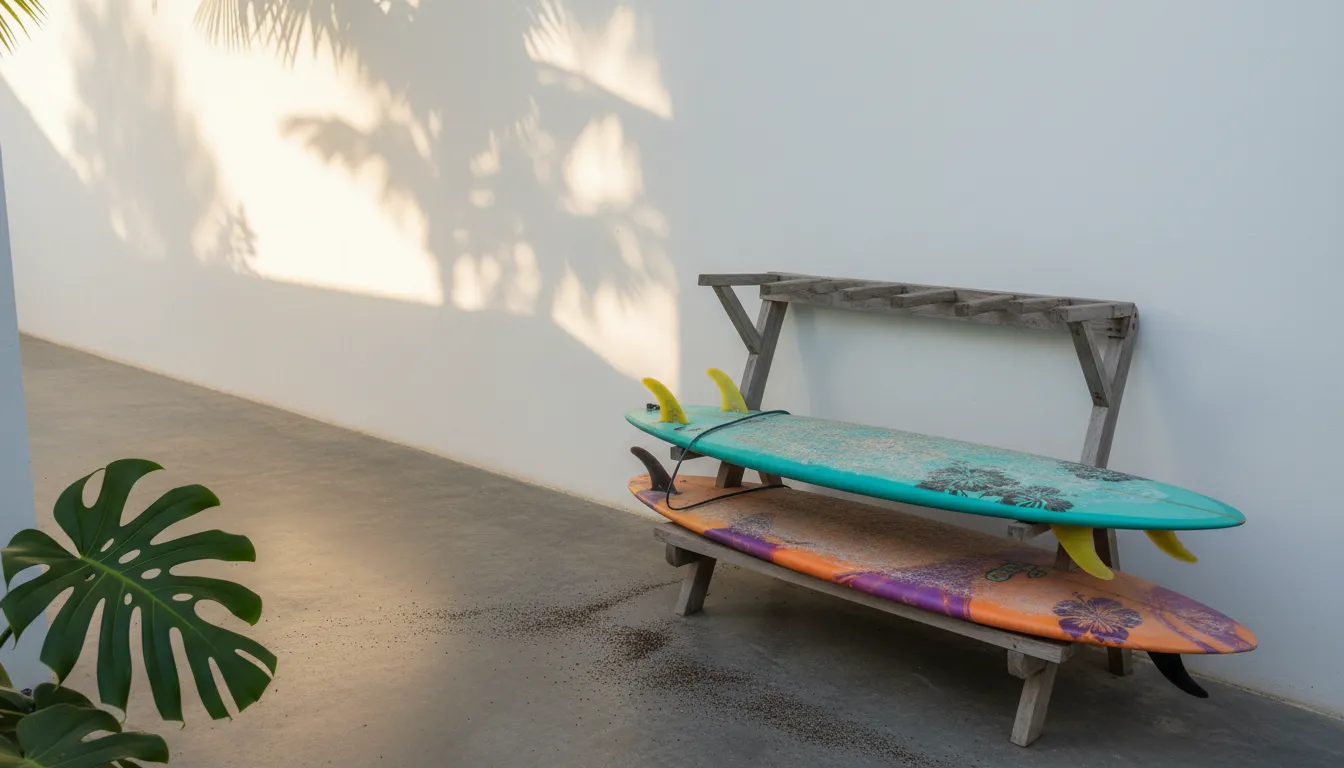
Hostels that genuinely cater to surfers offer more than just proximity. Look for spots with dedicated surfboard storage—ideally locked, outdoor racks where your stick can dry properly without turning your dorm room into a sandy sauna. Outdoor showers are non-negotiable for rinsing off salt and sand before you track it inside (your roommates will thank you). The best surf-focused hostels often have partnerships with local rental shops, meaning discounted board rentals or even complimentary foam boards for beginners.
Selina Jaco, for instance, sits close enough to the main break that you can check the surf from their common areas, and they’ve built their entire business model around the surf-and-social lifestyle. Buddha House, another local favorite, offers that classic surf-camp vibe with easy beach access and a crew that genuinely knows the local breaks. The key is reading beyond the marketing fluff—check recent reviews for mentions of actual walk times to the beach, because “beach access” can be interpreted… creatively.
Beyond the Bunk Bed: Hostels Offering More Than Just a Place to Sleep
The modern Jaco hostel has evolved into something of a mini-resort, recognizing that travelers—especially the digital nomad crowd—want amenities beyond a pillow and four walls. Swimming pools have become standard at mid-range places, offering a freshwater escape when the ocean’s too rough or you need a low-key afternoon. Communal kitchens range from barely functional (one burner, questionable knife situation) to legitimately well-equipped spaces where budget-conscious foodies can actually cook proper meals instead of subsisting on rice and beans.
Bars and social spaces are where hostels make or break their vibe. Some have transformed their common areas into proper hangout zones with pool tables, projector screens for surf videos, and happy hours that feel more like community gatherings than corporate promotions. The best setups create natural opportunities for interaction without forcing it—think open-air lounges where solo travelers can join a conversation or retreat to a quiet corner with a book.
For digital nomads, the hostel game has changed significantly. Many spots now offer dedicated co-working spaces with reliable Wi-Fi, proper desks, and enough outlets that you’re not fighting for charging real estate. Some have recognized that not everyone’s on a pure vacation schedule—people need to knock out work between surf sessions. That said, if you genuinely need focused work time and guaranteed quiet, the hostel dorm life might test your limits. Places like Jaco Beach Zen offer private spaces with dedicated workstations and security that lets you actually concentrate, without sacrificing the walkable-to-everything convenience that makes hostel locations appealing.
Several hostels have also started offering in-house surf lessons or package deals with reputable local schools, streamlining the often-confusing process of finding legit instruction. This can be clutch for first-timers who don’t want to navigate the beach’s more aggressive surf-lesson hustlers.
Staying Safe & Sound: A Backpacker’s Guide to Jaco Security
Let’s pump the brakes on the carefree vibe for a moment and talk real talk about safety—because Jaco, while generally welcoming, isn’t immune to opportunistic crime, especially targeting obvious tourists. The quality of hostel security varies dramatically, and it’s worth being selective. Prioritize places with 24/7 reception, key card or code access (not just a door that anyone can walk through), and individual lockers large enough for laptops and cameras, not just passports.
The best hostels treat security as a feature, not an afterthought. Look for properties with surveillance cameras in common areas, staff who actually monitor who’s coming and going, and a general culture of looking out for each other. Ask about their policies—do they allow non-guests to wander in? How do they handle lost keys? These details matter when your entire travel life is stuffed into a backpack.
Beyond the hostel walls, street smarts apply. Stick to well-lit main roads at night, especially when walking between your hostel and downtown bars. The stretch along the main beach road is generally fine, but side streets can get sketchy after dark. Travel in groups when possible, keep valuables out of sight, and trust your gut—if a situation feels off, it probably is. Most incidents in Jaco are crimes of opportunity (unattended phones, unlocked rooms), not violent confrontations.
For context, properties like Jaco Beach Zen have invested heavily in multi-layered security—gated access, surveillance systems, in-room safes—recognizing that peace of mind is part of the vacation value proposition. While hostels can’t always match that level, the good ones take it seriously enough that you can actually relax.
The Real Deal: Our Top Picks for Jaco Hostels (and Why We Like ‘Em)
Selina Jaco remains the 800-pound gorilla of the local hostel scene—a sprawling complex that’s part accommodation, part social experiment. They’ve nailed the infrastructure game with multiple pool areas, a legitimate restaurant and bar, co-working spaces, and enough programming (yoga classes, live music, movie nights) to keep you entertained without leaving the property. The surf vibe is authentic, with board storage and rental partnerships, though the sheer size means it can feel less intimate than smaller spots. Dorm beds run $20-30 depending on season, with private rooms available if you need an escape hatch from communal living.
For pure surf-camp energy, Buddha House delivers that classic backpacker experience without the corporate polish. It’s smaller, scrappier, and built around the idea that you’re here to surf, not lounge by an infinity pool. The crowd skews younger and more adventurous, the communal vibe is strong, and the price point ($12-18 for dorms) reflects the no-frills approach. Located close to the main break, it’s ideal if you want maximum wave time on minimum budget.
Room2Board offers something of a middle ground—comfortable without being fancy, social without being overwhelming. They’ve invested in quality mattresses (underrated game-changer), reliable Wi-Fi, and a kitchen setup that actually encourages cooking. The staff genuinely knows the local surf scene and can point you toward breaks that match your skill level, not just the obvious tourist spots.
If you’re seeking the absolute cheapest beds, you’ll find spots advertising $10 bunks, but expect trade-offs in cleanliness, security, and sleep quality. For the best social scene and party vibes, Selina wins hands-down. For reliable surf intel and a crew-like atmosphere, smaller spots like Buddha House or Room2Board edge ahead.
Frequently Asked Questions
Are Jaco hostels safe for solo female travelers?
Yes, many Jaco hostels are safe for solo female travelers, especially those with key card access, 24/7 reception, and female-only dorms. Selina and Room2Board both offer women’s dorms with individual lockers and generally maintain good security standards. That said, standard precautions apply: use lockers religiously, don’t walk alone late at night on side streets, and trust your instincts about situations and people. The backpacker community in Jaco tends to be welcoming and looking out for each other, but stay aware of your surroundings, especially around nightlife areas.
Can I rent a surfboard directly from most Jaco hostels?
Many surf-focused hostels have partnerships with rental shops or offer boards on-site, though it varies by property. Selina Jaco has boards available for rent directly through their activity desk, while smaller spots like Buddha House typically partner with nearby shops for discounted rates. Expect to pay $10-15 per day for a standard board, with better deals for multi-day rentals. Some hostels targeting beginners keep a few foam boards on hand for guests. If surfing is your main agenda, confirm board availability and pricing before booking to avoid surprises.
Do any Jaco hostels offer private rooms, or is it all dorms?
Most established hostels offer private rooms alongside dorms, recognizing that not everyone’s down for bunk bed living. Selina has private rooms ranging from basic doubles to more upscale options with private bathrooms, running $50-80 per night depending on season and amenities. Room2Board and several others follow similar models. If you want privacy and quiet but hostel-style social opportunities and pricing, private rooms can be worth the upgrade. For true privacy with security and space, standalone rentals like Jaco Beach Zen offer better value, especially for couples or small groups splitting costs.
What’s the typical cost for a dorm bed in Jaco?
Dorm beds in Jaco range from $10-35 per night depending on the hostel’s quality, location, and season. Budget spots targeting hardcore backpackers bottom out around $10-12, though you’ll sacrifice comfort and sometimes cleanliness. Mid-range hostels with decent amenities (pools, good Wi-Fi, actual mattresses) typically charge $18-25. Places like Selina, with resort-style facilities, can push $30-35 for dorm beds during high season. Green season (May through November) usually offers better rates. Always check if breakfast is included—it’s often not, but when it is, it impacts the value equation significantly.
Are there age limits for staying in Jaco hostels?
Most Jaco hostels don’t impose strict upper age limits—if you’re cool with dorm living, you’re welcome regardless of age. That said, the crowd skews heavily 18-35, and certain party-oriented spots might feel awkward if you’re significantly older. Some hostels are 18+ only due to bar/alcohol policies. Families with children will find limited options in traditional hostels; most aren’t equipped or designed for kids. A few places offer family rooms, but you’re generally better served by private accommodations. If you’re over 40 and considering hostel life, choose spots known for quieter, more mature vibes.
Do Jaco hostels have good Wi-Fi for remote work?
Wi-Fi quality varies dramatically. Larger, more established hostels like Selina and Room2Board have invested in business-grade internet recognizing the digital nomad market, with speeds generally sufficient for video calls and file uploads. Smaller budget spots often have spotty connections that struggle when everyone’s online simultaneously. If reliable internet is mission-critical, specifically ask about speeds and read recent reviews mentioning remote work. Even the best hostel Wi-Fi can get congested in common areas during peak times. For serious work requirements, having a backup plan or choosing accommodation with dedicated, private workspace might be wise.
How far are most hostels from the main surf breaks?
Most well-located Jaco hostels are legitimately within a 5-10 minute walk to the main beach breaks, though some stretch that definition. Hostels along the main beach road (Avenida Pastor Díaz) offer the most convenient access—you can literally walk out, cross the street, and hit the sand. Properties further into town might claim “beach access” while being a 15-minute schlep with your board. For serious surfers, prioritize hostels within a few blocks of the beach to maximize wave time and minimize the sweaty walk. The main break near Jaco’s pier is centrally located and accessible from most hostels.
Are there family-friendly hostel options in Jaco?
Family-friendly hostels are rare in Jaco since most cater to the young backpacker and surf crowd. A handful offer family rooms—essentially private rooms with multiple beds—but the overall hostel environment (late-night partiers, communal spaces designed for socializing adults) doesn’t lend itself to family vacations. If you’re traveling with kids, you’re better served by vacation rentals or hotels designed for families. Hostels work for adventurous families with older teens who’ll appreciate the social vibe, but for younger children, the noise, lack of privacy, and security concerns make traditional accommodations the smarter choice for everyone’s sanity.
Bahía Azul, unit 7C sits right on this stretch of sand — on the quiet south end of Jacó, a few hundred feet from the water.
Book on Airbnb