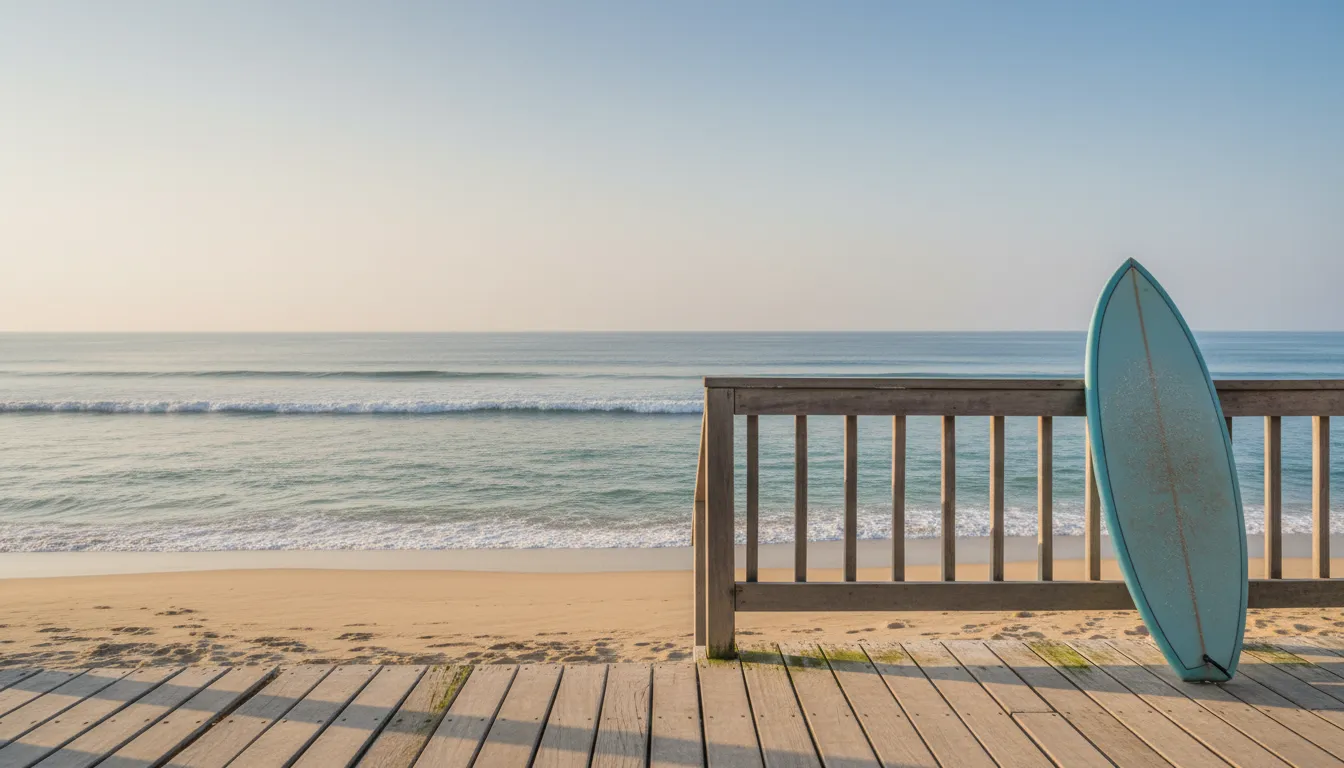
Jaco’s beachfront isn’t just about prime wave access—though that’s certainly part of the appeal. It’s about falling asleep to the Pacific’s rhythm and waking up to howler monkeys arguing over breakfast in the palms. Whether you’re hunting for a bare-bones surf hostel where you can crash between sessions or a private bungalow where the family can spread out after beach days, Jaco’s lodging scene runs deeper than the generic “beachfront resort” mold. From eco-conscious retreats tucked near lesser-known breaks to all-inclusive surf packages that handle everything but your pop-up technique, the options here cater to everyone from solo wave-chasers to multi-generational crews. This guide breaks down what’s actually available along Jaco’s coast, separates the marketing fluff from the real deals, and helps you match your accommodation to your actual needs—not just your Instagram feed.
Understanding Jaco’s Beachfront Accommodation Landscape
Jaco’s beachfront stretches roughly three kilometers, but not all sandy real estate is created equal. The north end near Cocal and Copey stays quieter with more residential vibes and consistent beach breaks that intermediate surfers love. The central zone—where downtown energy bleeds onto the sand—offers the most walkable access to restaurants, surf shops, and that 3 a.m. taco stand you’ll inevitably discover. The south end transitions toward rocky points and the Hermosa border, where waves get more serious and crowds thin out.
Accommodation types break down into distinct categories, each serving different travel styles. Surf hostels cluster in the central and north zones, offering dorm beds from $15-30 and communal vibes where yesterday’s stranger becomes tomorrow’s surf buddy. Private cottages and surf houses scatter throughout, ranging from basic two-bedroom setups ($80-120/night) to fully-loaded beach homes with pools and outdoor showers ($200-400/night). Eco-lodges tend to position themselves slightly back from the beach—trading direct sand access for jungle canopy and sustainability credentials—while all-inclusive surf resorts package lessons, meals, and accommodation into single-price convenience.
The “beachfront” designation matters more than you’d think. True beachfront means you’re stepping from your door onto sand within 50 meters. “Beach view” often translates to “you can see water if you stand on the balcony and crane your neck.” “Walking distance to beach” can mean anything from two minutes to twenty, depending on who’s doing the marketing. Always check actual distances and whether you’ll need to cross the main coastal road—a consideration that matters when you’re hauling boards and toddlers.
Seasonal dynamics shift the equation too. Green season (May-November) brings afternoon rains, smaller crowds, and rates that drop 30-50%. Surf stays consistent year-round, though swells peak December-March. If you’re flexibility-blessed, shoulder months like May and November deliver the sweet spot: decent weather, manageable crowds, and accommodation owners hungry enough to negotiate.
Jaco Surf Camp Accommodations: What Actually Makes Sense
Surf camps in Jaco range from backpacker-focused operations where you’re basically renting a bed and board storage to boutique setups with yoga decks and cold-press juice bars. The core question: do you want just a place to sleep between sessions, or are you after a full surf-life experience?
Budget surf camps typically offer dorm-style sleeping, communal kitchens, and board storage for $20-40/night. You’re trading privacy for community and cost savings. The better ones maintain clean facilities, organize daily surf shuttles to different breaks, and foster that easy camaraderie where skill levels don’t matter. Look for camps that limit dorm sizes to 4-6 beds—anything larger feels like a hostel that happens to have surfboards, not a surf camp.
Mid-range surf houses ($60-100/night for private rooms) strike the balance many traveling surfers actually want: your own space but shared common areas where you can swap beta on conditions. These often include breakfast, board storage with freshwater rinses, and connections to local surf guides. The owners usually surf themselves and can direct you to breaks matching your ability—worth more than fancy amenities when you’re unfamiliar with local lineups.
High-end surf retreats ($150-300/night) bundle accommodation with coaching, video analysis, yoga sessions, and chef-prepared meals. They work well for surfers serious about progression or groups wanting structure without planning logistics. The value proposition only makes sense if you’ll actually use the included services—if you’re an experienced surfer who just wants waves and a bed, you’re overpaying for extras you’ll skip.
What to actually evaluate: board storage security (ding repairs are expensive), proximity to beginner-friendly breaks if you’re learning, kitchen access if you plan to self-cater, and whether rates include equipment or if that’s extra. Many camps advertise “beachfront” but position themselves a 10-minute walk inland—not a dealbreaker, but factor that into comparisons. For families considering surf camps for kids, look for operations with separate family accommodations and age-appropriate instruction rather than throwing junior into the general mix.
Family-Friendly Beachfront Options That Actually Work
Traveling with kids adds layers of complexity that standard surf accommodations often ignore. You need space where small humans can melt down without disturbing strangers, kitchens for the inevitable meal negotiations, and beach access that doesn’t require crossing busy roads with distracted children.
Private beachfront cottages deliver the flexibility families need. Look for two-bedroom minimums with full kitchens, outdoor spaces where kids can burn energy, and pools as backup when the ocean intimidates smaller swimmers. Properties 50-100 meters from the beach sweet-spot it—close enough to make beach trips easy, far enough back that sand doesn’t invade every crevice of your life. Ground-floor units simplify logistics with beach gear and strollers.
Safety considerations matter more with kids. Check for secure property boundaries if you’ve got wanderers, pool fencing if they’re young swimmers, and proximity to medical facilities. Jaco’s main clinic sits in the central zone, and private hospitals in nearby Herradura handle serious issues. Properties with 24-hour security or gated access add peace of mind when kids are playing outside.
Amenities that actually help: washing machines (sandy clothes multiply mysteriously), outdoor showers for de-sanding before entering, shaded areas for midday heat breaks, and BBQ setups so parents can cook while kids play visible nearby. Air conditioning stops being a luxury when you’re trying to get overtired children to sleep in tropical humidity.
Location matters differently for families. The central beach zone offers walkability to restaurants and activities but comes with more nightlife noise. Northern Jaco near Cocal provides quieter settings and calmer surf for learning. For families mixing surf with other outdoor adventures in Jaco, positioning yourself with easy car access makes daily activity logistics manageable. Properties offering [family surf lessons](https://jacobeachzen.com/Family-Friendly Activities/family-surf-lessons-in-jaco) on-site or with partner schools eliminate the coordination headaches of finding separate instruction.
Budget-Conscious Stays: Cheap Hostels and Smart Alternatives
Jaco’s reputation as a party town means hostels here often prioritize social scene over sleep quality. But budget beachfront options exist if you know where to look and what trade-offs you’re actually making.
Hostels in the $12-25/night range typically offer dorm beds with shared bathrooms, communal kitchens, and varying levels of cleanliness and security. The party-focused spots concentrate in central Jaco—great if you want nightlife access, problematic if you need sleep before dawn patrol. Read recent reviews specifically mentioning noise levels and security, not just overall ratings that might reflect social vibe over practical functionality.
Smarter budget plays often involve small local-owned guesthouses slightly back from the beachfront. You’ll find private rooms with shared or private bathrooms for $30-50/night—essentially paying hostel private-room prices but avoiding the party atmosphere. These rarely show up on major booking platforms; local surf shops and Jaco Facebook groups surface better leads.
Airbnb and VRBO offer another angle for budget travelers, especially in groups. A basic two-bedroom apartment split four ways often costs less per person than hostel beds while providing privacy and kitchen access. The catch: you’re usually dealing with individual owners rather than professional hospitality operations, so quality and reliability vary significantly. Book places with substantial recent review histories and clear cancellation policies.
Seasonal timing dramatically affects budget options. May-June and September-October see the lowest rates and highest negotiating leverage. Staying longer unlocks weekly or monthly discounts—many properties drop 20-30% for week-long stays. If your schedule allows flexibility, messaging owners directly about last-minute availability sometimes scores deals not visible online.
For comprehensive guides to budget-friendly stays across different property types, check out Jaco rentals that break down options by price range and location. The key isn’t just finding cheap accommodation—it’s understanding what you’re sacrificing at each price point and whether those trade-offs align with how you actually travel.
Private Surf Bungalows: When You Want Your Own Space
Private bungalows deliver the middle path between hostel chaos and resort formality—your own contained space without the services (and costs) of full-resort operations. In Jaco, these typically mean small one- or two-bedroom units with kitchenettes, outdoor showers, and enough room to store boards and dry wetsuits properly.
What defines a true surf bungalow versus just a small rental: purpose-built features like outdoor board racks, enclosed outdoor showers for gear rinsing, covered areas for wax work, and layouts that assume sand will infiltrate despite best efforts. The good ones have tile floors throughout, multiple entry/exit points so wet surfers don’t track through living spaces, and storage solutions that keep boards secure but accessible.
Location considerations shift when you’re handling your own transportation and cooking. Being beachfront matters less if you’ve got a rental car and prefer cooking most meals—you might prioritize space and amenities over those extra 100 meters to sand. But if you’re carless and planning multiple daily surf sessions, proximity to walkable breaks becomes non-negotiable. Jaco’s main beach break offers consistent beginner-to-intermediate waves within walking distance of most central accommodations.
Pricing for quality private bungalows runs $80-150/night depending on season and exact location. You’re paying more than hostel rates but less than resort properties while gaining kitchen savings and schedule flexibility. The math works especially well for couples or small groups staying 4+ days—you’ll spend more on accommodation than a hostel but save enough on meals to roughly break even while enjoying significantly more comfort.
Security matters more with private units versus managed properties. Look for places with secure parking if you’re renting a car (board theft is real), good locks on doors and windows, and preferably some form of property management presence even if not 24-hour. Many surf bungalows sit in small residential compounds with shared security, striking a balance between privacy and safety.
For those considering vacation rentals Jaco as alternatives to traditional hotels, private bungalows often deliver better value for surf-focused trips where you need functionality over luxury.
Eco-Lodges Near Surf Breaks: Sustainability Meets Swell
Eco-lodges around Jaco range from legitimately sustainable operations to greenwashed marketing wrapped around standard hotels. The authentic ones integrate solar power, water conservation, local employment, and minimal environmental footprint—but that doesn’t always mean they’re positioned for surf access.
The better eco-lodges for surfers sit in the transitional zones between Jaco and Hermosa or up in the hills behind Jaco proper. You’re trading direct beachfront for jungle settings, bird calls, and operational ethics. Many run on solar power with backup generators, use rainwater harvesting, and compost food waste. The sustainability commitment often extends to supporting local communities through employment and purchasing.
What to actually verify beyond marketing claims: Do they employ locals in meaningful roles or just housekeeping? Is the construction low-impact and using local materials? Are toiletries and cleaning products actually eco-friendly? Do they minimize single-use plastics? Authentic eco-lodges usually provide specific details on their practices rather than vague “green” claims.
Surf access from eco-lodges typically requires short drives rather than walks—most sit 5-15 minutes from main breaks. This works fine if you’ve got transportation and prefer quieter settings for downtime. Some partner with local surf guides or schools, organizing daily trips to different breaks based on conditions. The upside: you’re not locked into whatever waves are directly fronting your accommodation.
Expect to pay $100-200/night for quality eco-lodge rooms, often with breakfast included. You’re paying slightly above standard hotel rates for the sustainability practices and unique settings. The value proposition depends on how much you care about environmental impact and whether you’ll appreciate the jungle setting or just wish you were beachfront.
For travelers combining eco-friendly travel with surf trips, Jaco’s eco-lodges offer viable options—just verify you’re getting authentic sustainability, not just marketing.
All-Inclusive Surf Stay Packages: Worth It or Waste?
All-inclusive surf packages bundle accommodation, meals, lessons, equipment, and sometimes transportation into single-price convenience. In Jaco, these range from basic week-long surf camp packages ($800-1200) to luxury retreats ($2000-4000+). Whether they make sense depends entirely on your experience level, group dynamics, and what you actually value.
Packages work best for beginners or intermediate surfers wanting structured progression. You’re paying for coaching expertise, video analysis, and guaranteed equipment access without the logistics of coordinating separate vendors. First-time visitors also benefit from included transportation and meals—you’re essentially outsourcing all planning to focus purely on surfing and relaxation.
What’s typically included: accommodation (usually shared or private rooms), three meals daily, surf lessons (often 4-6 hours per day), equipment use, airport transfers, and some form of yoga or fitness sessions. Better packages include video analysis, personalized coaching, and flexibility to adjust programming based on group needs. Lower-end versions might just bundle basic lessons with meals and accommodation without much individualization.
What’s usually excluded: alcohol beyond basic beer/wine at dinner, spa services, additional activities beyond surfing, and often travel insurance. Read the fine print on cancellation policies and what happens if surf conditions don’t cooperate—some packages offer alternative activities, others just give you downtime.
The value calculation: price out equivalent services separately. Basic accommodation ($50/night × 7 = $350), meals ($30/day × 7 = $210), surf lessons ($60 × 5 days = $300), equipment rentals ($20/day × 7 = $140), airport transfer ($100), yoga sessions ($15 × 5 = $75). That’s roughly $1175 in separate costs. If the package runs $1200-1400, you’re paying a small premium for convenience and coordination. At $2000+, you’re paying for premium accommodation, better instruction, and resort amenities.
Packages make less sense for experienced surfers who know what they want, prefer flexibility in timing and locations, and don’t need instruction. You’ll likely save money booking accommodation separately and surfing on your own schedule. Solo travelers often find packages less valuable than groups—per-person pricing sometimes makes solo supplements expensive.
For those evaluating whether structured programs fit their needs, comparing [Jaco surf packages](/Activities and Experiences/best-surf-camps-jaco-costa-rica) with independent trip costs provides clarity on actual value.
Location Strategies: Where to Actually Position Yourself
Jaco’s geography creates distinct accommodation zones, each serving different priorities. Understanding the trade-offs helps you book strategically rather than just filtering by “beachfront.”
Central Jaco (downtown to Pastor Diaz Avenue) maximizes walkability. You’re 5-10 minutes on foot from restaurants, surf shops, grocery stores, and nightlife. The beach here handles beginner-to-intermediate surf with consistent beach breaks and multiple surf schools offering lessons. Downsides: this is the busiest, noisiest zone. Traffic, bar noise, and general tourism chaos peak here. Accommodation rates run highest for true beachfront properties.
North Jaco (Cocal to Copey areas) offers quieter residential vibes while maintaining beach access. You’re usually 5-15 minute walks to less crowded beach sections with similar surf quality. This zone works well for families or travelers wanting proximity to action without being in the middle of it. You’ll need transportation or longer walks to reach central restaurants and services. Rates drop 15-30% compared to central beachfront.
South Jaco (approaching Playa Hermosa) transitions toward more serious surf and fewer tourist services. The beach becomes rockier, waves bigger, and crowds thinner. This suits experienced surfers who want challenging breaks and don’t need walkable nightlife. You’ll definitely need a car for accessing restaurants and services. Some of Jaco’s best-value beachfront properties sit here because development stayed lighter.
Slightly inland (2-3 blocks back from beach) often delivers the best value-to-amenity ratio. You’re sacrificing beachy Instagram moments for 30-50% lower rates while remaining within 5-minute walks to sand. Kitchen access becomes more common, parking easier, and noise levels drop. This positioning works especially well for longer stays where you’re not at the beach constantly.
For comprehensive breakdowns of where to stay based on your specific priorities, guides to Jaco Beach accommodations provide zone-by-zone analysis that goes deeper than this overview.
Frequently Asked Questions
What’s the best beachfront area in Jaco for beginner surfers?
Central Jaco beach, roughly from the main pier north to Pastor Diaz Avenue, offers the most beginner-friendly combination of gentle beach breaks, multiple surf schools, and easy equipment rentals. The sandy bottom and consistent small-to-medium waves create ideal learning conditions. You’ll also find the highest concentration of surf instructors working this zone, making it easy to book last-minute lessons. North Jaco near Cocal provides similar conditions with fewer crowds if you prefer quieter learning environments.
Are Jaco beachfront cottages safe for families with young children?
Most beachfront properties in Jaco maintain good security, but specific safety features vary by property. Look for ground-floor units with fenced yards, pool barriers if applicable, and gated property access. The ocean itself requires standard beach safety awareness—Jaco’s surf can create strong currents even on calm days. Properties in residential north Jaco generally offer quieter, more family-appropriate settings than the central party zone. Always verify specific safety features directly with property owners before booking with young children.
How far in advance should I book beachfront accommodation in Jaco?
Booking timelines depend heavily on season and property type. Peak season (December-April, especially Christmas and Easter weeks) requires 2-4 months advance booking for the best beachfront properties. Shoulder seasons (May-June, November) allow 3-6 week booking windows with good selection. Green season (July-October) offers the most flexibility—you can often book 1-2 weeks out and still find quality options. Private homes and cottages book faster than hostels or hotels. If you’ve got specific property requirements or traveling with a group, earlier is always safer.
What’s included in typical Jaco surf house rentals?
Standard surf house rentals include furnished bedrooms, full kitchens with basic cooking equipment, bathrooms with hot water, Wi-Fi, and board storage areas. Most provide linens and towels, though some budget options expect you to bring your own. Air conditioning or fans, outdoor showers, BBQ grills, and parking vary by property—always verify these specifics before booking. What’s rarely included: surfboards, beach chairs, boogie boards, snorkel gear, or bikes. Many properties can arrange equipment rentals or purchases, but assume you’re handling your own gear unless explicitly stated otherwise.
Do I need a car to stay at Jaco beachfront properties?
Whether you need a car depends on your specific accommodation location and planned activities. Central Jaco properties within the main town zone allow car-free stays—everything from restaurants to surf shops to beach access falls within walking distance. North or south Jaco positions usually benefit from having wheels, especially if you’re planning surf trips to different breaks, waterfall visits, or exploring beyond the immediate area. Taxis and Uber operate in Jaco but costs add up quickly for multiple daily trips. Many visitors rent cars just for day trip flexibility while keeping them parked for daily beach sessions.
Bahía Azul, unit 7C sits right on this stretch of sand — on the quiet south end of Jacó, a few hundred feet from the water.
Book on Airbnb